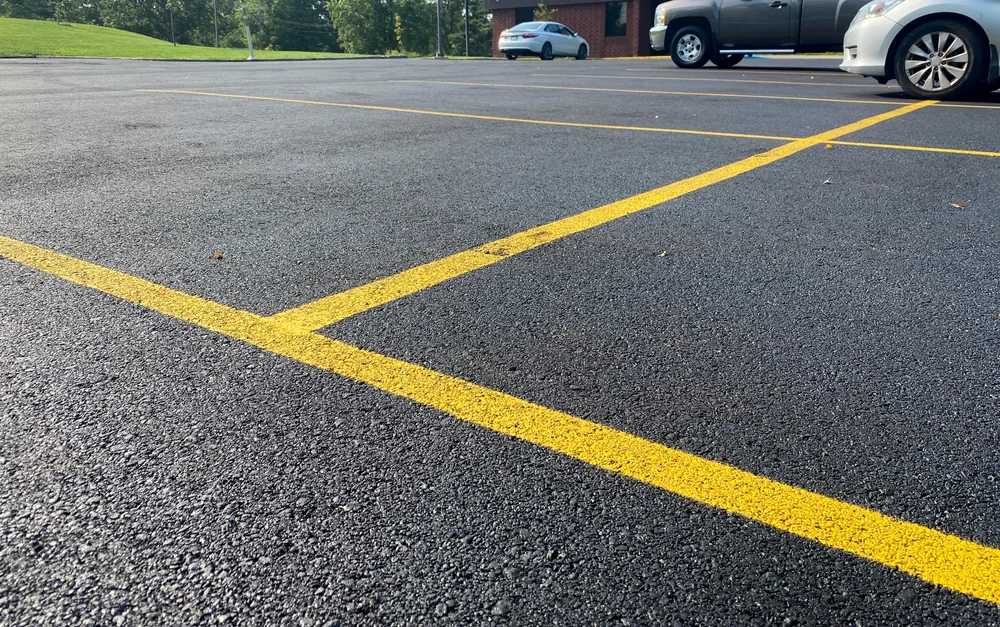
Your parking lot stops being a problem. No more standing water after storms. No more apologizing to customers about potholes or cracked pavement that makes your property look neglected.
The asphalt stays smooth and functional for 15 to 20 years instead of crumbling in five. Your maintenance costs drop because the foundation was done right from day one. Customers pull in and see a business that takes care of its property—and that impression matters more than most people realize.
You also stop worrying about whether the contractor will show up, finish the job, or surprise you with hidden costs. Clear communication and transparent pricing mean you know exactly what you’re paying for and when the work will be complete.
We bring expertise rooted in the industry since 1948, combined with modern equipment and techniques that meet today’s standards. We serve Falls, PA and surrounding areas with both residential and commercial paving projects—from driveways to large-scale parking lots and industrial sites.
What sets us apart is simple: we treat every project like it matters, regardless of size or budget. Our crew focuses on one job at a time, which means your parking lot gets full attention instead of being squeezed between other projects. That approach shows in the finished work and in the five-star reviews from customers on platforms like Angie’s List.
Falls, PA sits in a region where freeze-thaw cycles destroy poorly installed asphalt faster than almost anywhere else. We understand local conditions and build parking lots that hold up to Pennsylvania weather year after year.
It starts with an on-site evaluation. Our crew examines your property, discusses your needs, and identifies any drainage or grading issues that could cause problems down the road. You get a clear estimate with no vague language or surprise fees.
Next comes site preparation—the part most contractors rush through but shouldn’t. The existing surface gets removed if necessary, and the ground is graded to ensure proper water runoff. Then comes the sub-base, which is the most critical step in the entire process. This compacted foundation layer supports everything above it and determines whether your asphalt parking lot lasts two decades or fails in five years.
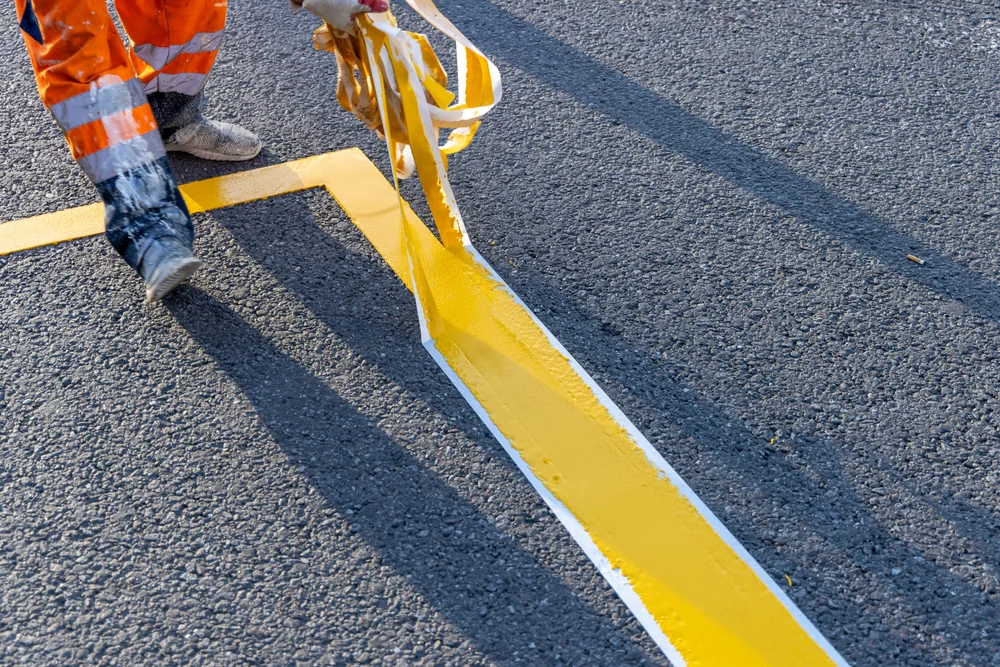
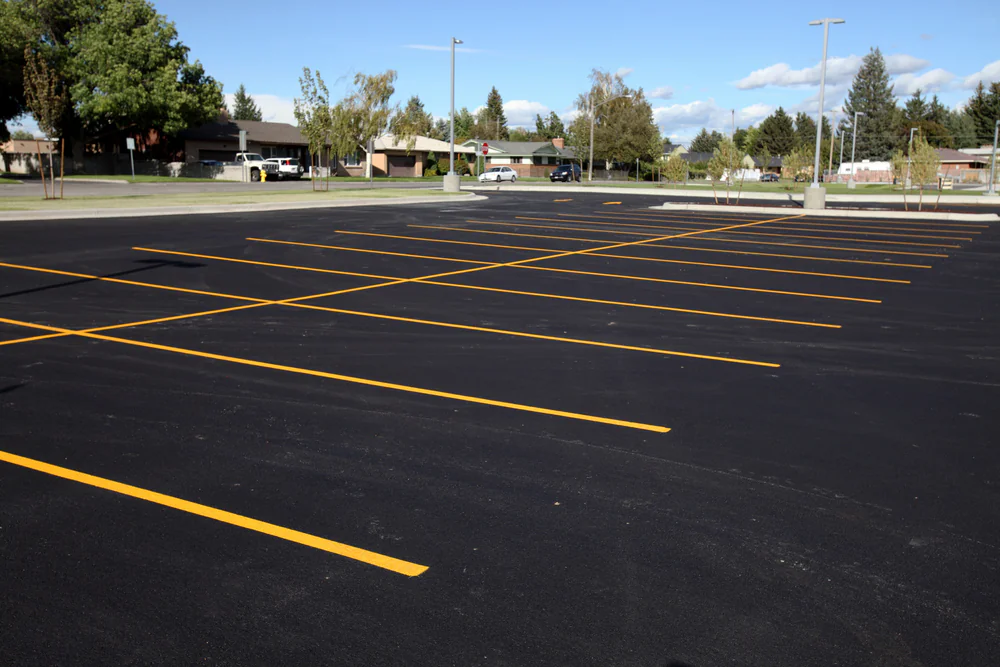
Once the sub-base is solid, a binder layer goes down—a durable mix of aggregate and oil that adds strength. After that, the surface layer of asphalt gets poured, spread, and compacted using heavy rollers to create a smooth, even finish. Finally, striping and any additional features like curbs or speed bumps get installed.
The entire process typically takes a few days to a couple of weeks depending on size and complexity. Weather plays a role too—asphalt needs proper temperatures to cure correctly, which is why experienced paving contractors plan around Pennsylvania’s seasonal conditions.
Ready to get started?
A complete parking lot paving project covers more than just pouring asphalt. You’re getting site evaluation and planning, which includes assessing soil conditions, drainage needs, and traffic patterns specific to your property. Proper grading ensures water flows away from the pavement instead of pooling on the surface or seeping into the foundation.
The sub-base installation uses the right thickness and compaction for your specific use case—whether that’s light residential traffic or heavy commercial vehicles. Material selection matters too; commercial-grade asphalt mixes differ from residential “driveway mix,” and using the wrong one shortens your pavement’s lifespan significantly.
In Falls, PA and the surrounding area, parking lots also need to account for local weather patterns. Pennsylvania’s freeze-thaw cycles put extra stress on asphalt, so contractors who understand regional conditions build in protections that prevent premature cracking and deterioration. Proper installation includes expansion considerations and drainage systems designed for the amount of precipitation this area receives.
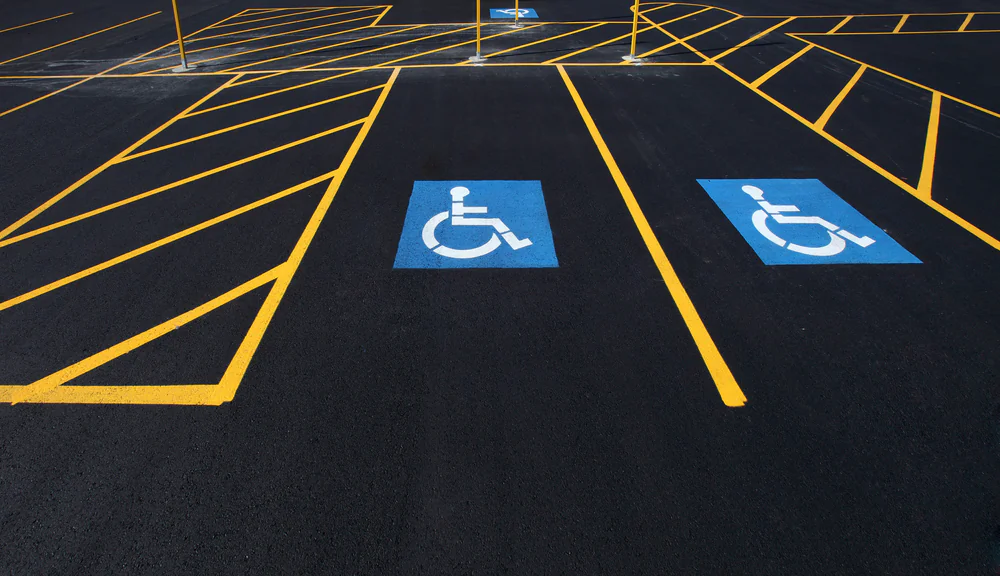
You also get ADA-compliant striping if it’s a commercial project, along with any necessary permits and coordination with local codes. The final result is a parking lot that looks professional, functions properly, and holds up to real-world conditions for years without constant patching and repairs.
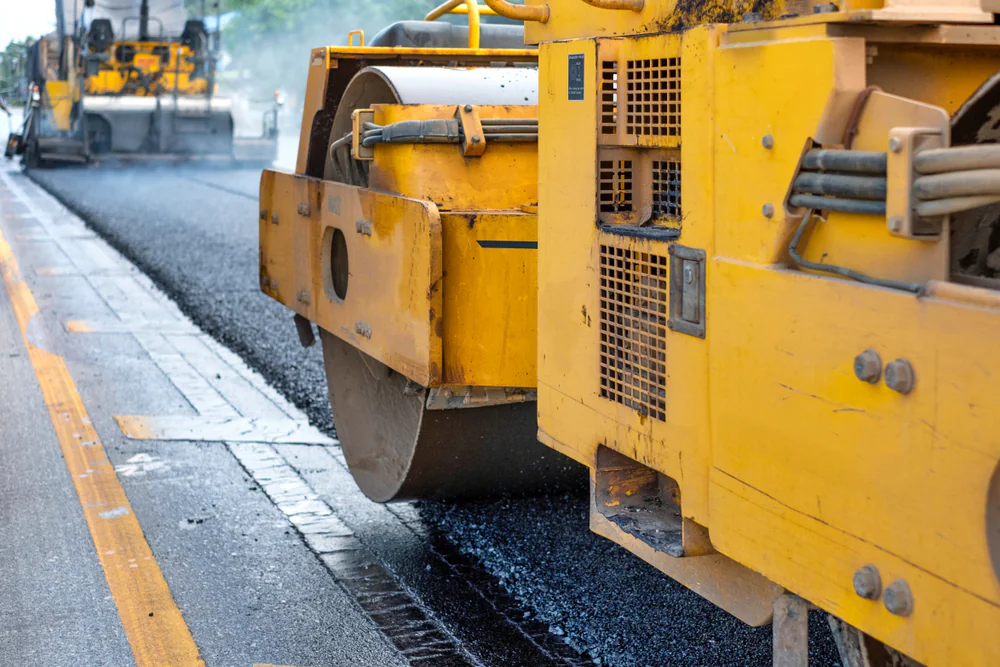
Most parking lot installations take anywhere from a few days to two weeks, depending on the size of the lot and the complexity of the site. Smaller projects like residential driveways or small commercial lots can often be completed in three to five days if weather cooperates.
Larger commercial parking lots require more time because of the extensive site preparation, grading, and multiple layers involved. The sub-base alone can take several days to install and compact properly—and rushing this step is the fastest way to end up with pavement that fails early.
Weather is the wildcard. Asphalt needs temperatures above 50 degrees to cure properly, and rain or snow stops work entirely. Spring and fall are typically the best seasons for paving in Pennsylvania, though summer works too if it’s not excessively hot. We’ll give you a realistic timeline based on your specific project and current weather conditions.
The number one cause of early parking lot failure is a poorly installed or inadequate sub-base. If the foundation isn’t thick enough, properly compacted, or made from the right materials, the asphalt above it will crack, sink, and develop potholes no matter how good the surface layer is.
Water is the second biggest enemy. Without proper drainage, water seeps into the sub-base, weakens it, and then freezes during Pennsylvania winters. That freeze-thaw cycle creates expansion and contraction that tears asphalt apart from the inside out. Standing water on the surface also accelerates oxidation and surface deterioration.
Prevention comes down to doing the work right from the start. That means proper site grading, a well-compacted sub-base with adequate thickness for your traffic load, and a drainage system that moves water away from the pavement. It also means using the right asphalt mix for your application—commercial lots need commercial-grade material, not residential driveway mix. Finally, regular maintenance like sealcoating every few years protects the surface and extends the overall lifespan significantly.
Parking lot paving in Pennsylvania typically runs between two and seven dollars per square foot, but that range depends heavily on several factors. A small residential project with straightforward site conditions will be on the lower end, while a large commercial lot with drainage challenges or extensive site prep will cost more.
The biggest cost variables are site preparation needs, the thickness of asphalt required for your traffic load, and whether you’re installing a brand new lot or resurfacing an existing one. Resurfacing costs less because the sub-base is already in place. New construction requires excavation, grading, sub-base installation, and multiple asphalt layers, which adds up quickly.
Keep in mind that the cheapest estimate isn’t always the best value. Contractors who cut corners on sub-base thickness or use inferior materials can come in lower on price, but you’ll pay for it later in repairs and premature replacement. A properly installed parking lot should last 15 to 20 years with basic maintenance. One that was done cheap might need major work in five years or less. The best approach is to get detailed estimates from experienced contractors who break down exactly what’s included and why.
Yes, sealcoating is one of the smartest investments you can make to extend your parking lot’s lifespan. It’s a protective layer applied to the asphalt surface that shields it from UV rays, water infiltration, oil spills, and chemical damage. Without it, asphalt oxidizes and becomes brittle much faster, leading to cracks and surface deterioration.
For most parking lots in Pennsylvania, sealcoating should happen every two to five years depending on traffic volume and weather exposure. High-traffic commercial lots might need it closer to every two years, while residential driveways can often go four or five years between applications. The key is to watch for signs that the sealcoat is wearing thin—faded color, rough texture, or small cracks starting to appear.
Timing matters too. Sealcoating needs warm, dry weather to cure properly, so spring through early fall is the ideal window in this region. It’s also best done after your asphalt has had time to fully cure, which is why we recommend waiting at least six months to a year after new installation before the first sealcoat application. The cost is relatively low compared to the repairs you’ll avoid, and it keeps your parking lot looking professional instead of worn and neglected.
It depends on the condition of the existing pavement. If the current asphalt has only surface-level issues like minor cracking or fading but the foundation underneath is still solid, an overlay can work well. This involves milling off the top layer and installing fresh asphalt over the existing base, which costs significantly less than full replacement.
However, if the parking lot has major structural problems—deep cracks, widespread potholes, significant settling, or drainage issues—an overlay just covers up problems that will resurface quickly. In those cases, full removal and replacement is the only solution that makes financial sense long-term. We evaluate the existing pavement with a proof roll test, which involves driving a loaded dump truck across the surface to identify soft spots and structural weaknesses.
The honest answer is that many parking lots fall somewhere in between, where sections might need full replacement while other areas can be overlaid. We’ll walk the site with you, explain what we’re seeing, and give you options with realistic expectations for how long each solution will last. Trying to save money with an overlay on a lot that needs replacement just means you’ll be paying for the work twice within a few years.
Start with experience in your specific type of project. A contractor who primarily does residential driveways might not have the equipment or expertise for a large commercial parking lot, and vice versa. Look for someone with a proven track record on projects similar to yours, and ask to see examples or references from past work.
Transparency is critical. You want detailed, written estimates that break down exactly what’s included—site prep, materials, labor, drainage work, striping, everything. Vague estimates or contractors who won’t put things in writing are red flags. You should also ask about their process for the sub-base installation specifically, since that’s where most shortcuts happen and where quality matters most.
Check reviews and references, but look for patterns rather than individual complaints. Every contractor has an occasional unhappy customer, but consistent themes about communication, quality, or reliability tell you what to expect. Also verify they’re properly licensed and insured—if something goes wrong on your property, you need to know you’re protected. Finally, pay attention to how they communicate during the estimate process. If they’re hard to reach, vague, or pushy before you’ve hired them, that behavior won’t improve once they have your money.
Other Services we provide in Falls