You’re not looking for the cheapest option. You’re looking for a parking lot that won’t crack apart after one Pennsylvania winter. One that drains properly so water doesn’t pool and destroy your investment. One that looks professional and lasts 20+ years without needing a complete redo.
That’s what proper parking lot paving delivers. The right base preparation. The correct asphalt thickness for your traffic volume. Drainage that actually works. And a smooth, even surface that makes a solid first impression on customers or tenants.
When the job’s done right from the start, you’re not calling for repairs every spring. You’re not dealing with trip hazards or liability concerns. You’re just running your business or enjoying your property while the pavement does its job quietly in the background.
We’ve been handling asphalt projects since 1948. That’s not a typo. Three generations of hands-on experience have taught our team exactly what works in Haycock’s climate and what fails after the first freeze-thaw cycle.
Here’s what makes us different: we work on one project at a time. Our entire crew focuses on your parking lot until it’s finished correctly. No jumping between jobs. No stretched-thin teams trying to cover too much ground. Just dedicated attention to the details that determine whether your pavement lasts 10 years or 25.
We’ve earned five-star reviews on Angie’s List by treating every client the same way, whether you’re paving a small residential driveway or a massive commercial lot. Transparent communication. Custom solutions for your property’s specific drainage and grading challenges. And honest assessments about what you actually need versus what some contractors try to upsell.
First comes site evaluation. Our crew examines your existing surface, checks drainage patterns, and identifies any grading issues that need correction. This step determines whether you need full excavation or if the existing base can support new asphalt.
Next is preparation. If you’re starting from scratch, that means excavating to the proper depth, installing a compacted aggregate base, and ensuring water flows away from the pavement. For resurfacing projects, we remove the damaged top layer and address any base problems before moving forward.
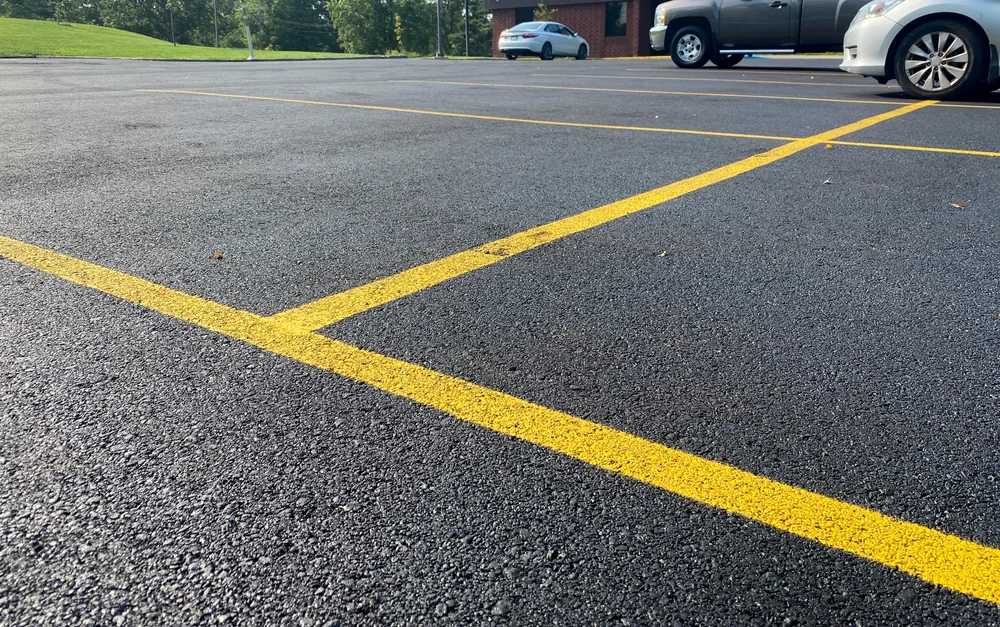
Then comes the asphalt installation. Hot mix asphalt gets laid at the correct thickness for your expected traffic load. Residential driveways typically need 2-3 inches. Commercial parking lots handling heavier vehicles require 3-4 inches or more. We use proper compaction equipment to eliminate air pockets that cause premature cracking.
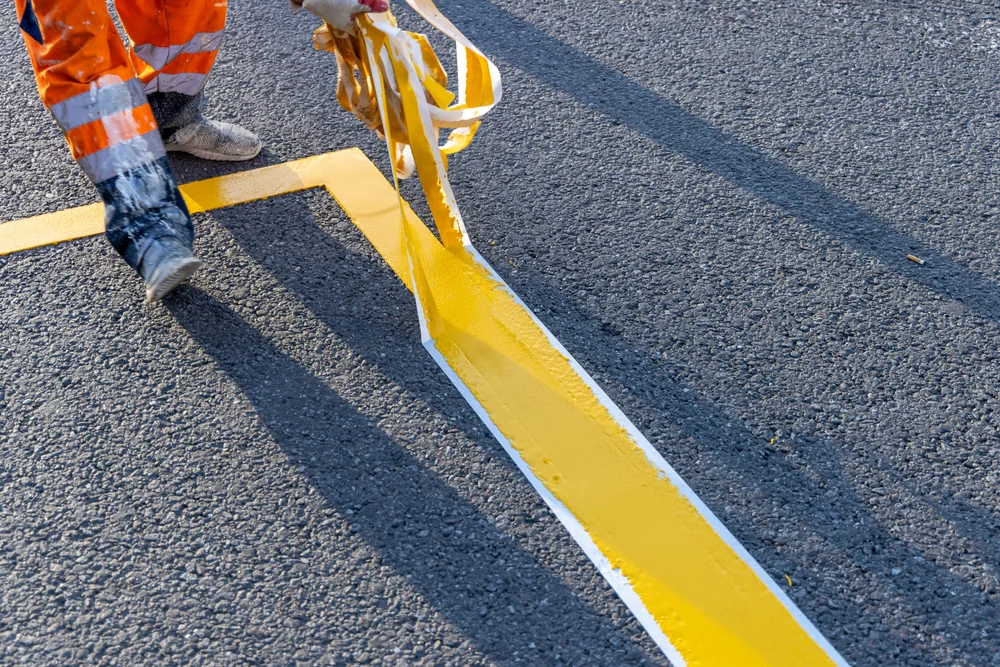
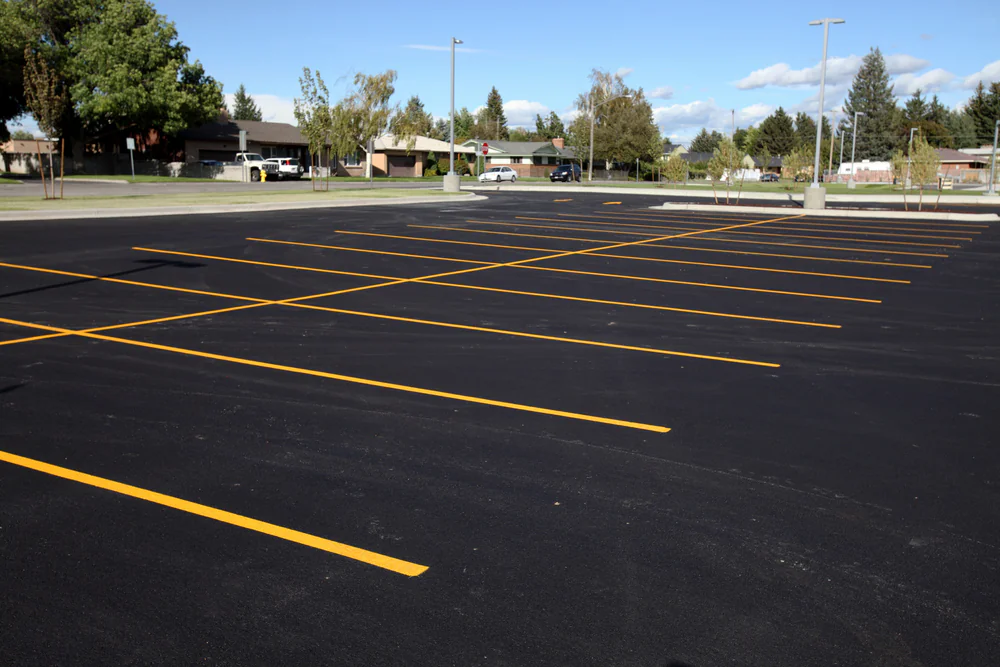
Finally, there’s the finishing work. Edges get sealed. Drainage structures get properly integrated. Striping gets applied for parking spaces and traffic flow. You’ll need to stay off the new surface for about 72 hours while it cures, but after that, you’ve got a parking lot ready for decades of use.
Ready to get started?
Every parking lot paving project starts with proper site preparation. That means grading to prevent water from pooling, installing or repairing drainage systems, and creating a stable base that won’t shift or settle. Haycock’s soil conditions and weather patterns make this step non-negotiable if you want pavement that lasts.
The asphalt installation itself uses hot mix designed for Pennsylvania’s temperature swings. Thickness varies based on your needs. Light residential traffic needs less. Heavy commercial use or delivery trucks require more. We compact everything properly because every percentage point of compaction you miss costs you years of pavement life.
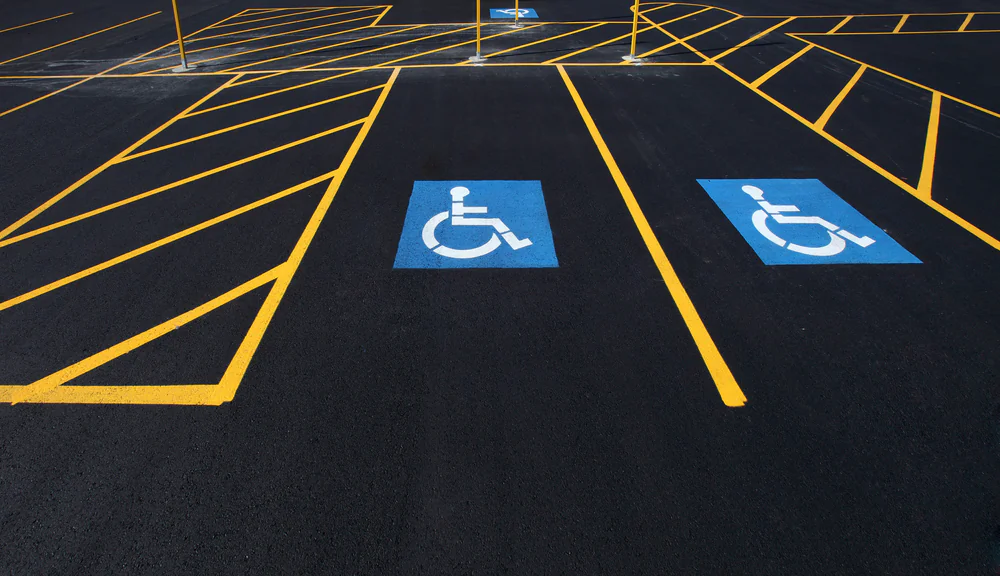
Commercial projects typically include striping for parking spaces, ADA-compliant accessible spots, and traffic flow markings. Some properties need additional features like speed bumps, wheel stops, or designated loading zones. We handle all of it as part of creating a complete, functional parking area.
Maintenance planning matters too. New asphalt should get its first sealcoating within 6-12 months, then every 2-5 years after that depending on traffic and weather exposure. Crack filling as soon as small cracks appear prevents water infiltration that leads to bigger problems. These aren’t optional extras. They’re how you protect your investment and avoid premature replacement.
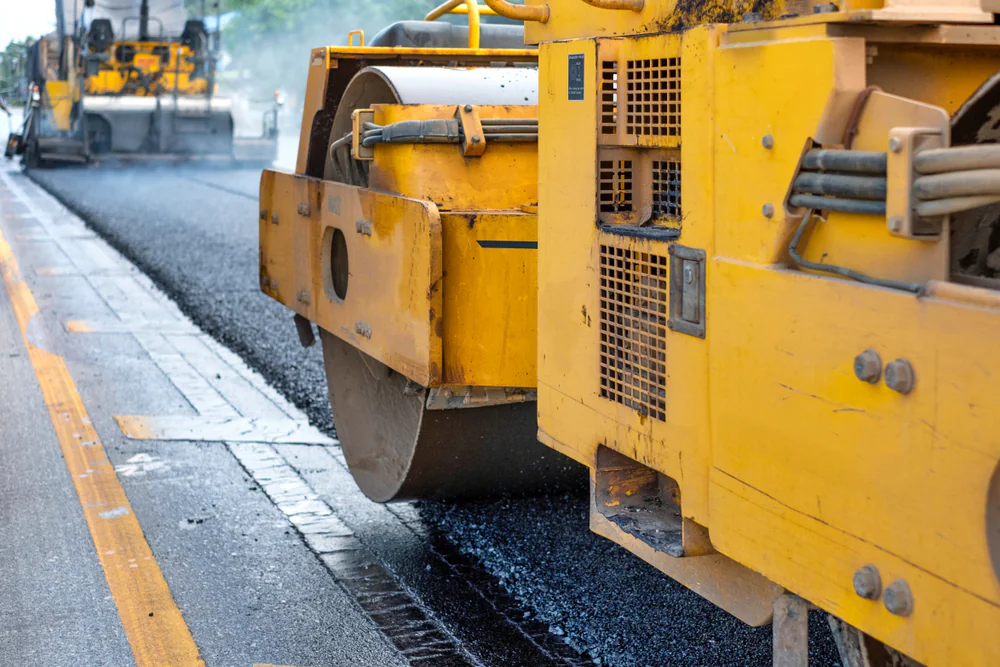
Most parking lot paving projects take 3-7 days depending on size and scope. A small commercial lot might be done in 3-4 days. Larger properties with extensive prep work can take a full week or slightly more.
Day one typically involves site preparation, grading, and base work. Days two and three focus on asphalt installation and compaction. Final days cover striping, finishing touches, and cleanup. The actual paving usually happens in 1-2 days, but the prep work before and curing time after extend the timeline.
You’ll need to keep vehicles off the new asphalt for about 72 hours after installation. It’s technically drivable sooner, but waiting the full three days prevents tire marks and surface damage while the asphalt fully cures. Plan your project timing around this requirement, especially for commercial properties where parking access matters.
The difference shows up in three areas: base preparation, asphalt thickness, and compaction quality. Cheap contractors skip proper base work, use thinner asphalt than your traffic requires, and don’t compact thoroughly. You’ll see cracks and settling within 2-3 years.
Quality work starts with proper excavation and a well-compacted aggregate base. Water needs somewhere to go, so drainage gets designed into the project from the beginning. The asphalt thickness matches your actual usage, not just the minimum to make it look acceptable initially. And proper compaction equipment eliminates the air voids that cause premature failure.
Here’s the practical impact: cheap paving might cost 20-30% less upfront, but you’ll be repairing or replacing it in 5-8 years. Quality paving lasts 20-25 years with basic maintenance. Over time, the “expensive” option costs less per year of service and saves you the headache of constant repairs. You’re not paying more for the same thing. You’re paying for pavement that actually performs.
It depends on the condition of your existing pavement and base. If your current parking lot has minor surface damage but a solid base underneath, resurfacing works well. We mill off the top damaged layer and apply fresh asphalt over the existing base. This costs significantly less than full replacement.
Complete removal becomes necessary when the base has failed. Signs include large sections of alligator cracking, severe settling or heaving, and areas where the pavement has broken into chunks. Water damage to the base layer can’t be fixed by just adding new asphalt on top. You’d be covering up a problem that will resurface quickly.
A proper site evaluation tells you which approach makes sense for your property. Sometimes partial removal works, where severely damaged sections get excavated and rebuilt while better areas just need resurfacing. We assess your specific situation honestly rather than automatically recommending the most expensive option. The goal is a solution that actually solves your problem within your budget.
Pennsylvania’s freeze-thaw cycles are brutal on asphalt. Water seeps into small cracks, freezes and expands, then thaws and contracts. This cycle repeats dozens of times each winter, turning hairline cracks into major damage within a few seasons.
That’s why proper installation and proactive maintenance matter so much in Haycock. The pavement needs correct thickness to flex with temperature changes without cracking. Drainage must move water off and away from the surface quickly. And sealcoating creates a barrier that keeps water from penetrating in the first place.
Spring is when winter damage becomes obvious. Small cracks that existed in fall have expanded. Potholes appear where water infiltrated and destroyed the base. The smart approach is addressing minor issues before winter hits, then inspecting again in spring to catch any new problems early. Waiting until damage is severe costs far more than preventive maintenance would have.
New parking lots need their first sealcoating within 6-12 months after installation. This seals the surface, protects against UV damage and chemical spills, and extends the pavement’s life significantly. After that initial application, plan on sealcoating every 2-5 years depending on traffic volume and weather exposure.
Crack filling should happen as soon as you notice cracks forming. Small cracks are easy and inexpensive to fill. Ignored cracks become large cracks, which become alligator cracking, which becomes potholes requiring expensive repairs. Catching issues early is always cheaper than waiting.
Striping fades over time from traffic and weather. Commercial lots typically need re-striping every 1-2 years to maintain clear, visible parking space markings. Keeping lines fresh isn’t just aesthetic; it’s functional and potentially required for ADA compliance. Budget for these ongoing costs when planning your parking lot project. They’re not optional extras. They’re how you protect a five or six-figure investment.
Parking lot paving in Haycock typically runs $3-$7 per square foot for asphalt, depending on site conditions, preparation needs, and project scope. A small commercial lot of 10,000 square feet might cost $30,000-$50,000. Larger properties with complex drainage or extensive prep work cost more.
Several factors affect your final price. Site preparation is the biggest variable—if your property needs significant grading, drainage work, or base repair, costs increase. Asphalt thickness matters too; heavier traffic requires thicker pavement. Additional features like striping, ADA-compliant spaces, and curbing add to the total but are often necessary for commercial properties.
The only way to get an accurate number is a site evaluation. We provide transparent estimates after assessing your specific property. We look at what you actually need, not just what generates the highest invoice. Expect honest pricing that reflects quality work, not the cheapest possible option that will fail in a few years.
Other Services we provide in Haycock