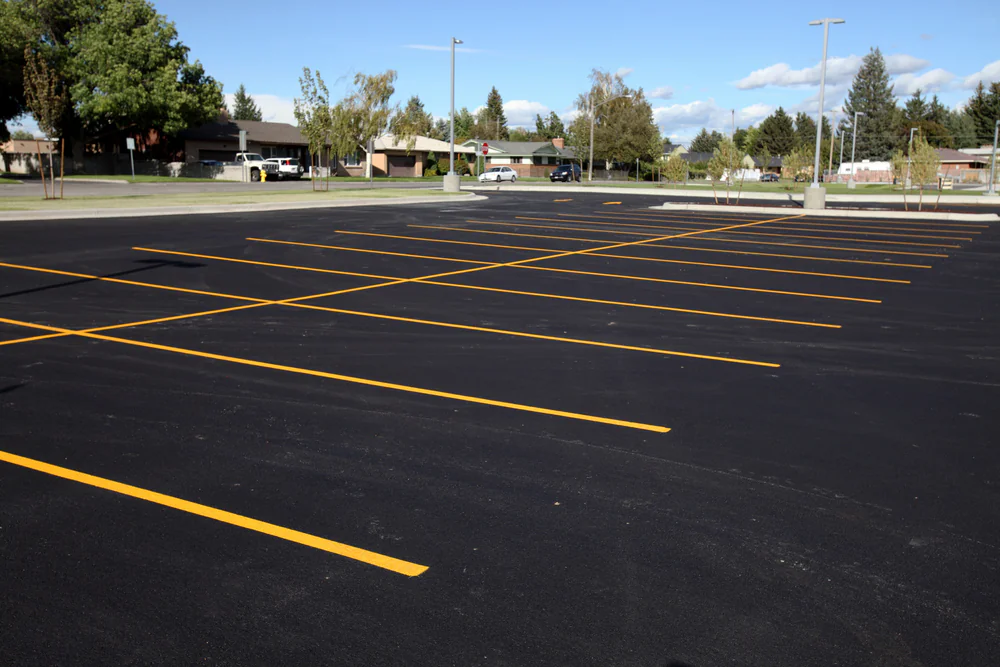
You get pavement that doesn’t crack in the first freeze. That drains properly so water doesn’t pool by your entrance. That looks professional enough to match the quality of work happening inside your building.
Your customers pull in and don’t think twice about the parking lot—which is exactly the point. No potholes jarring their suspension. No cracks making your property look neglected. Just smooth, solid asphalt that does its job year after year.
And when Pennsylvania’s freeze-thaw cycles hit, your lot holds up because the foundation was built right the first time. You’re not calling someone back in six months to fix what should’ve been done correctly from the start. That’s the difference between pavement that lasts 5 years and pavement that’s still solid 20 years later.
We bring 75+ years of combined industry experience to every parking lot in Langhorne. That’s not marketing talk—it’s actual decades of figuring out what works in Bucks County’s climate and what doesn’t.
We’re the crew that shows up when we say we will, focuses on one job at a time instead of juggling six projects poorly, and treats your 10-spot parking lot with the same care as a 200-space commercial facility. Every project gets our full attention because that’s how the work gets done right.
Langhorne’s mix of historic properties, retail centers around Route 1, and residential neighborhoods near Core Creek Park means every site has its own challenges. We’ve paved enough lots in this area to know what drainage issues to expect, how to handle existing infrastructure, and what it takes to keep a Bucks County parking lot functional through winter snow removal and summer heat. You’re working with people who understand this specific area, not a crew learning on your dime.
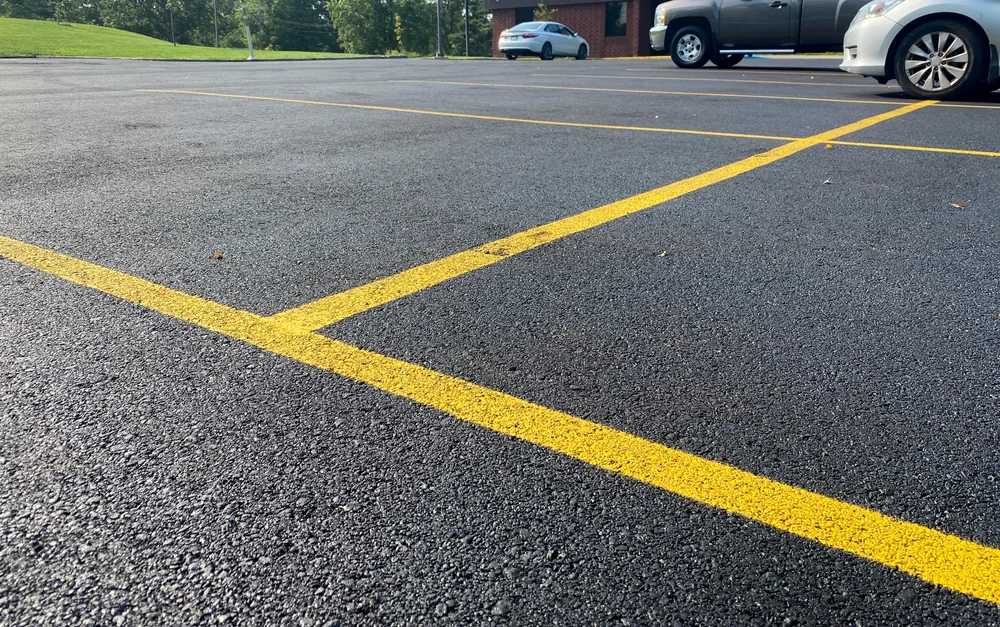
First, we assess your site. We look at drainage, existing damage, what kind of traffic you get, and what your property actually needs—not just what’s easiest to sell you. You get a clear estimate that covers the real scope of work.
If there’s old pavement, we remove it completely using the right equipment. No half-measures that’ll cause problems later. Then we grade and slope the surface so water drains away from your building and off the lot entirely. Poor drainage is what kills most parking lots prematurely, so we handle this part with precision.
Next comes the sub-base—the foundation everything else sits on. We compact crushed aggregate into a stable layer that can handle Pennsylvania’s freeze-thaw cycles without shifting or settling. This step determines whether your pavement lasts 7 years or 25 years. We proof roll it with heavy equipment to find any weak spots before asphalt goes down.
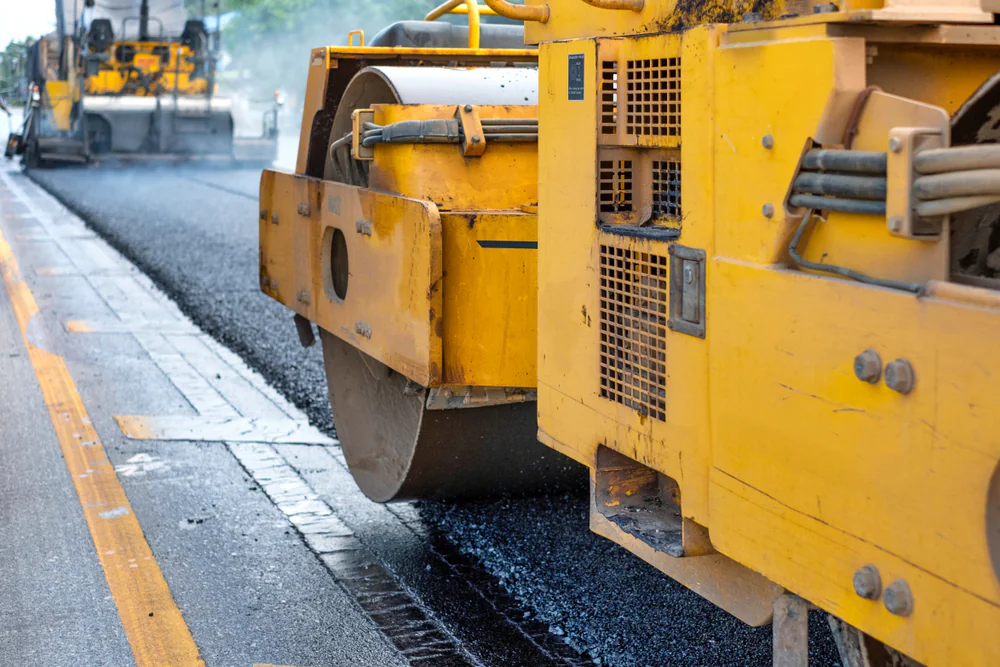
Then we lay the asphalt in layers, starting with a binder course for strength and finishing with a smooth surface course. While it’s hot, we compact it thoroughly with rollers to eliminate air pockets and ensure proper density. We handle transitions to existing pavement carefully so there’s no lip or uneven surface.
After installation, you can typically handle light traffic within 48 hours. We walk you through care and maintenance so you know what to expect and how to protect your investment long-term.
Ready to get started?
Parking lot paving in Langhorne covers everything from small commercial lots near Sesame Place to larger retail center parking areas along Route 1. You’re getting proper site preparation, engineered drainage that accounts for local conditions, a compacted sub-base built to handle your specific traffic loads, and hot-mix asphalt installed to the right thickness for your use case.
For commercial properties in Langhorne’s business districts, that often means coordinating work around your operating hours so you’re not losing business days. We plan projects in phases when needed, keeping portions of your lot accessible while we work on others. The Langhorne area’s mix of office space, retail, and light industrial properties means parking lots take different kinds of wear—delivery trucks hitting the same spots daily require different specs than standard car traffic.
Pennsylvania’s weather is a factor in every decision. Langhorne gets the full seasonal swing—winter snow and ice, spring thaw that tests drainage systems, summer heat that can soften poorly installed asphalt, and fall temperature drops. Your parking lot needs to handle all of it without breaking down. That means proper compaction, adequate thickness, and a sub-base that won’t shift when the ground freezes and thaws.
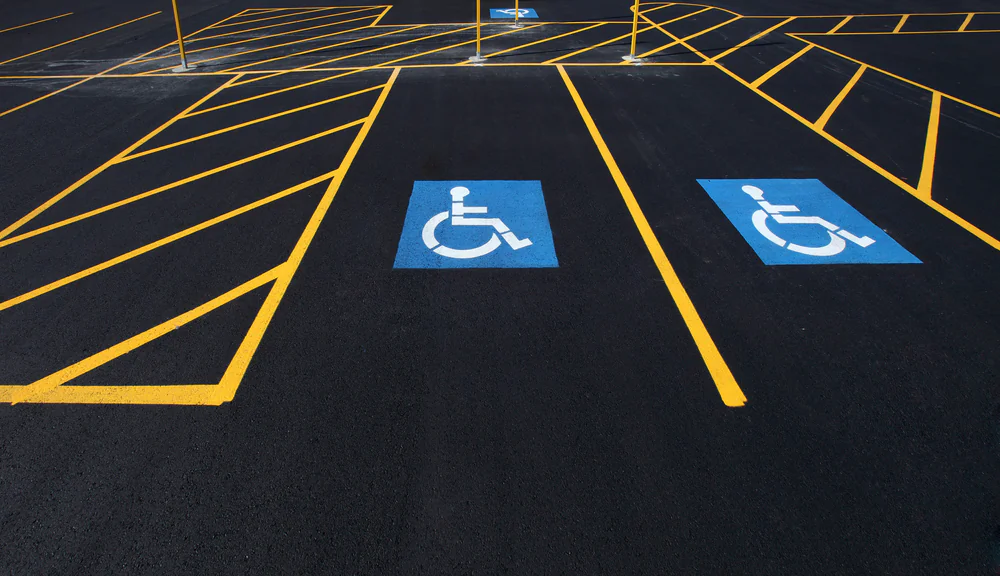
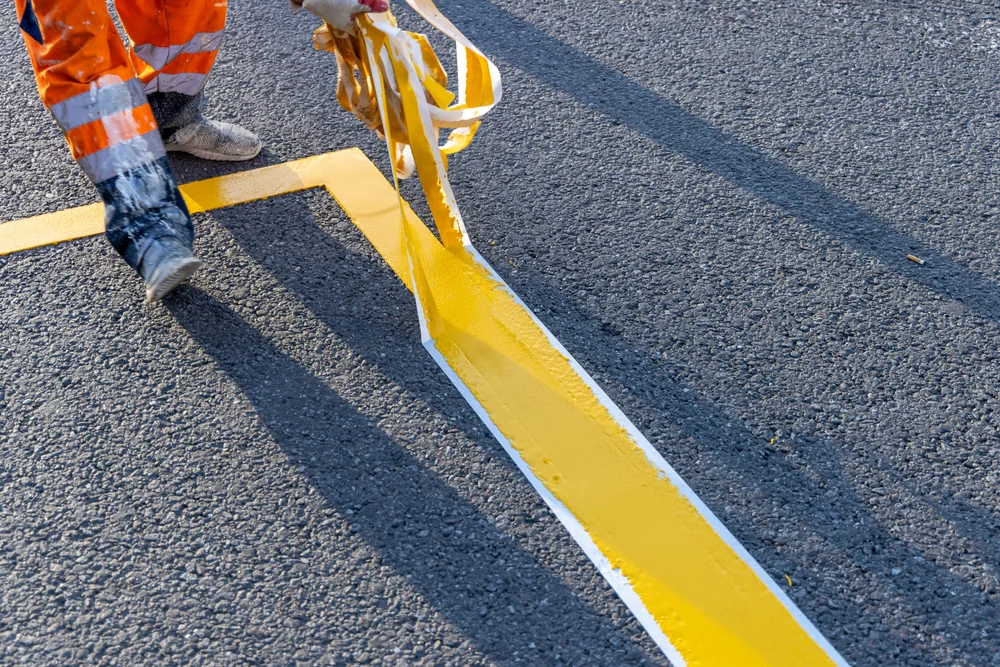
You also get ADA-compliant striping and markings if needed, proper transitions to sidewalks and building entrances, and attention to details like catch basins and drainage structures. The work includes cleanup and site restoration so you’re not left dealing with debris or torn-up landscaping after we’re done.
Most parking lot paving projects take anywhere from a few days to two weeks depending on size and complexity. A small commercial lot with 15-20 spaces might be done in 2-3 days. Larger lots or projects requiring significant prep work, drainage corrections, or phased construction to keep your business operational will take longer.
Weather plays a role too. Asphalt needs to be installed when temperatures are consistently above 50 degrees for proper compaction and curing. We can’t control Pennsylvania weather, but we plan projects during optimal conditions and communicate clearly if delays happen.
The timeline also depends on what we find during prep. If the existing base is failing or drainage issues are worse than initially visible, addressing those properly adds time but saves you from repaving again in five years. We’d rather take an extra day to fix the foundation right than rush through and leave you with problems.
Resurfacing means milling off the top layer of asphalt and replacing it with fresh pavement. It works when your base is still solid and only the surface has worn down from traffic and weather. You’re essentially giving the lot a new top coat. It’s less expensive and faster than full replacement.
Complete replacement means tearing out everything down to the dirt, rebuilding the sub-base, and installing new asphalt from the ground up. You need this when the foundation has failed—when you see major cracking, significant settling, drainage problems, or areas where the base has deteriorated. Resurfacing over a bad foundation just delays the inevitable and wastes money.
We assess your lot honestly and tell you which approach makes sense. If your base is shot, we’ll say so. If resurfacing will give you another 15 years of solid pavement, we’ll recommend that instead of upselling you on work you don’t need. The goal is pavement that actually lasts, not just getting the job done quickly.
Parking lot paving typically runs between $3 and $8 per square foot in the Langhorne area, but that range depends heavily on your specific site conditions. A straightforward lot with good drainage and minimal prep work lands toward the lower end. Complex projects requiring extensive grading, drainage corrections, or thicker asphalt for heavy truck traffic cost more.
Site access matters too. If we can bring equipment in easily and stage materials without complications, costs stay reasonable. Tight urban sites or locations requiring special traffic control add to the price. The thickness of asphalt you need also affects cost—commercial lots handling delivery trucks need more substantial construction than light-duty parking.
We provide detailed estimates that break down what you’re paying for so there’s no confusion. The estimate covers demolition and removal if needed, base preparation, asphalt installation, compaction, and cleanup. Additional items like striping, ADA-compliant markings, or drainage structures are listed separately. You know exactly what the project costs before we start, and we don’t hit you with surprise charges later.
Yes, and we do this regularly for commercial properties in Langhorne that can’t afford downtime. We phase the work so portions of your parking lot remain accessible while we’re paving other sections. It takes more planning and coordination, but it keeps your business operational throughout the project.
We map out a sequence that maintains access to your entrances and preserves enough parking for your customers or tenants. Typically we’ll work on one section, let it cure enough for light traffic, then move to the next area. For retail centers or office buildings, we often schedule the heaviest work during off-hours or slower business days.
This approach takes longer than closing the entire lot and working straight through, but it’s worth it if losing parking means losing business. We’ve paved parking lots for operating businesses throughout Bucks County using phased construction, so we know how to manage the logistics. You get quality pavement without shutting down for a week.
The biggest thing is sealcoating every 2-3 years. Sealcoating protects asphalt from water infiltration, UV damage, and chemicals like oil and gas. It’s not just cosmetic—it actually extends the life of your pavement significantly. Skipping sealcoating means you’ll be repaving years earlier than necessary.
You also want to address cracks as they appear. Small cracks let water seep into the base, and when that water freezes in winter, it expands and makes the cracks worse. Crack filling is inexpensive compared to letting minor damage turn into major deterioration. Catch it early and you’re looking at a simple repair instead of a section replacement.
Keep the lot clean and manage drainage. Make sure catch basins and drains stay clear so water doesn’t pool on the surface. Pooling water accelerates pavement breakdown. Also be mindful of snow removal practices—plow blades set too low or aggressive salting can damage the surface over time. Regular inspections help you spot small issues before they become expensive problems. We can walk you through a maintenance plan when your project wraps up so you know exactly what to watch for.
Asphalt cracks mainly due to water infiltration, poor base compaction, and freeze-thaw cycles—all of which are relevant in Langhorne. Water gets into small cracks or porous areas, then freezes when temperatures drop. Ice expands, widening cracks and pushing the pavement apart. When it thaws, you’re left with bigger cracks and weakened structure. This cycle repeats every winter.
Prevention starts with proper installation. A well-compacted sub-base that drains correctly keeps water from accumulating under the pavement. Adequate asphalt thickness for your traffic loads prevents the surface from flexing too much under weight, which causes cracking. Proper compaction during installation eliminates voids where water can collect.
Drainage is critical. If water pools on your lot or doesn’t drain away from the pavement, it’s going to find its way into the asphalt structure. We slope and grade lots specifically to move water off the surface quickly. Pennsylvania gets plenty of rain and snow, so drainage design isn’t optional—it’s essential for pavement longevity. Beyond installation, regular sealcoating and prompt crack repair keep minor issues from becoming major failures. You can’t prevent every crack forever, but you can absolutely extend your pavement’s life by 10-15 years with the right approach from the start.
Other Services we provide in Langhorne