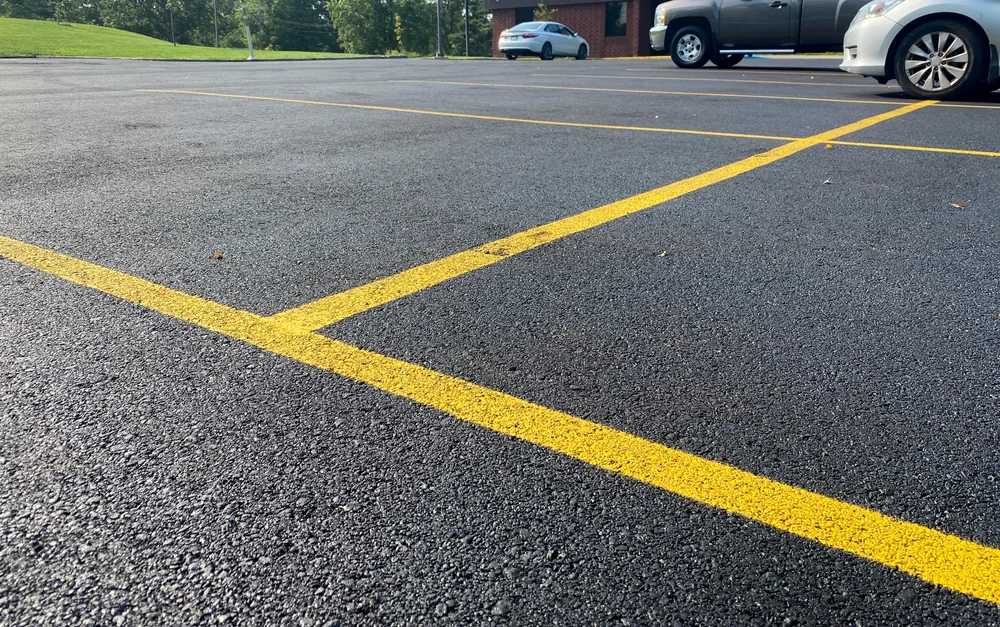
A well-installed parking lot stops being a problem you think about. No more liability concerns from cracked pavement. No more customer complaints about potholes damaging their vehicles. No more water pooling in the same spots after every rain.
The difference shows up in how long the surface lasts. Proper base preparation and drainage mean you’re looking at decades of use instead of repairs every few years. Your property looks professional. Customers pull in without dodging craters. You’re not calling contractors every spring to patch the same failing sections.
That’s what happens when the job gets done right from the start. The asphalt goes down over a solid base, graded for drainage, thick enough for your traffic load. It’s built to handle freeze-thaw cycles that destroy poorly installed lots within a few years.
We have roots in this industry going back to 1948. That’s three generations of understanding what works in Bucks County and what fails. We serve both residential and commercial properties throughout Langhorne Manor, from small business parking areas to large industrial sites.
Every project gets our full crew’s attention. That means your job isn’t split between three other sites. Our team stays until it’s done right. No rushing off to the next estimate while your lot sits half-finished.
Our approach is straightforward: assess what your property actually needs, explain what the work involves, give you a clear price, then deliver what was promised. We’ve earned five-star reviews on Angie’s List by treating every client the same way, whether you’re paving two spaces or two hundred.
First step is evaluating your site. That means looking at drainage, checking what’s underneath the current surface if there is one, and measuring everything. You get a detailed estimate that breaks down what you’re paying for.
Site preparation comes next. Old asphalt gets removed if needed. The ground gets graded so water moves away from buildings and doesn’t pool on the pavement. A proper stone base goes down and gets compacted. This base layer is what determines whether your lot lasts five years or twenty-five.
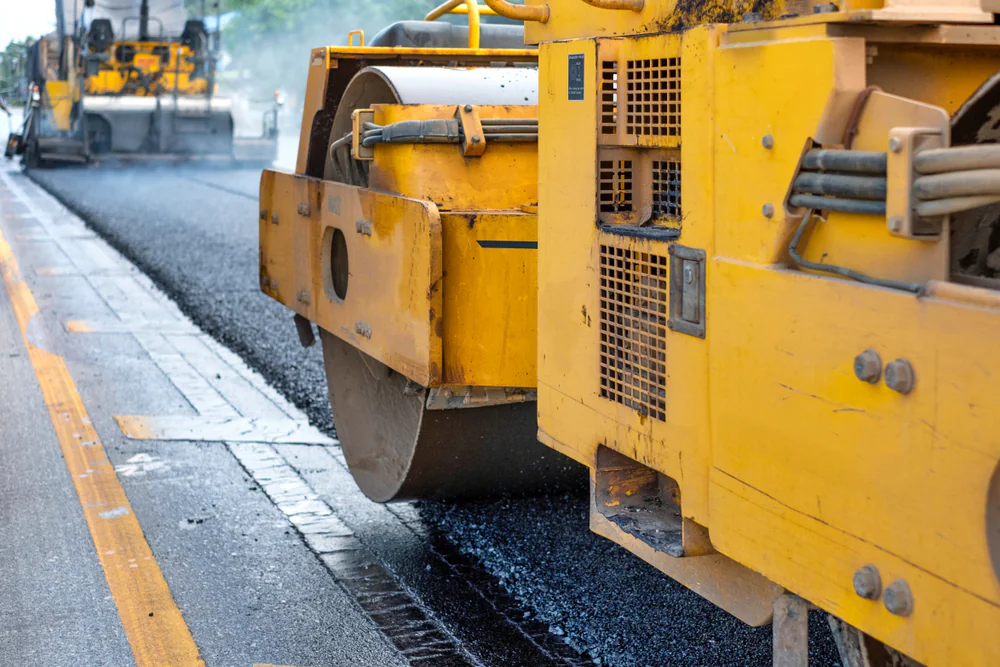
Then the asphalt installation happens. Hot mix asphalt gets laid at the right thickness for your traffic load. Commercial lots handling delivery trucks need more depth than light-use residential parking. The material gets compacted while it’s still hot to create a dense, durable surface.
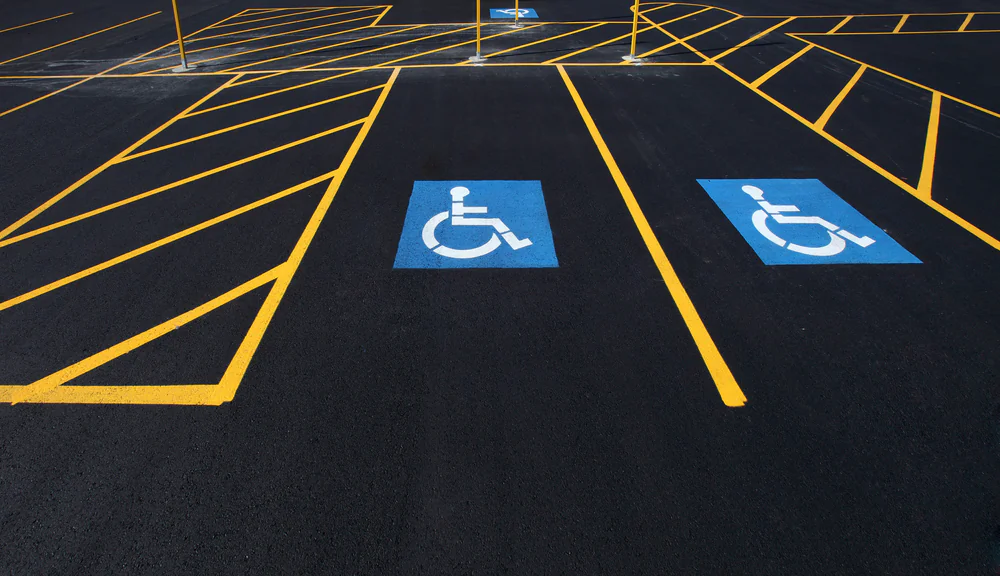
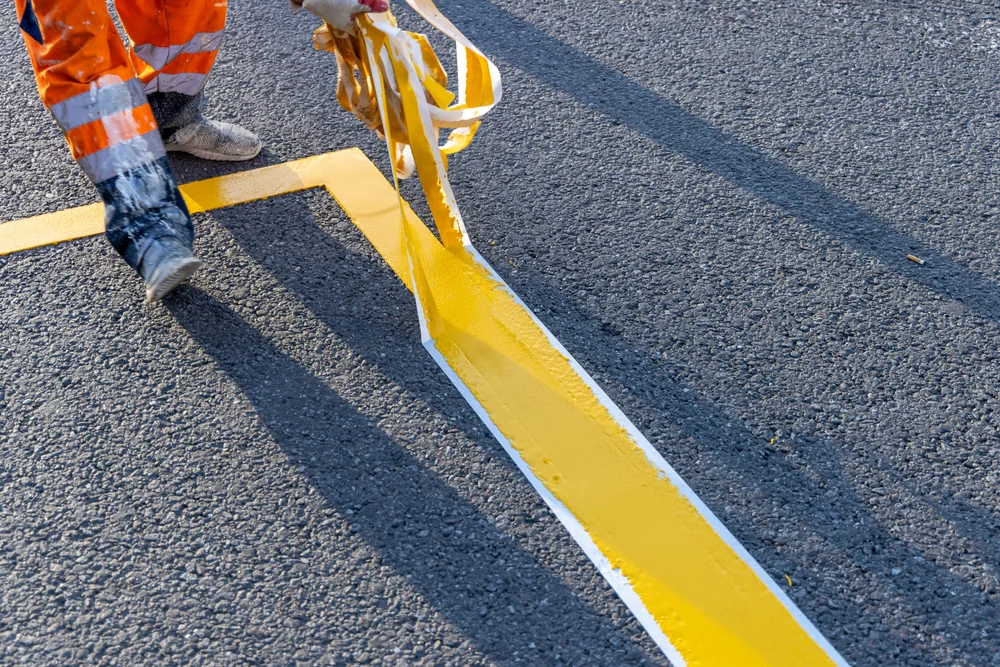
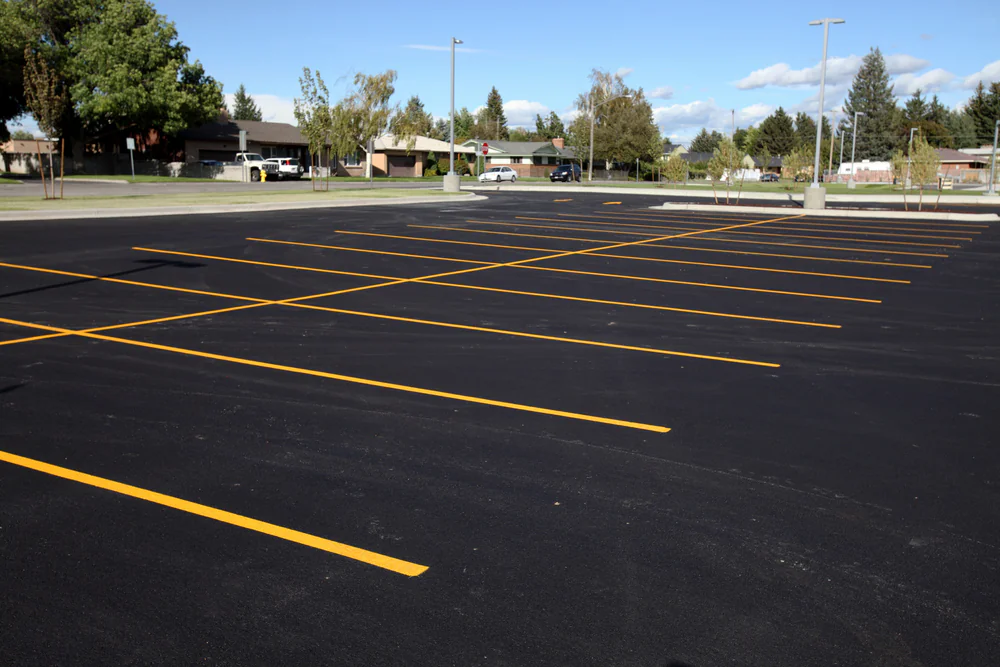
Final steps include striping, marking handicap spaces to meet ADA requirements, and installing any wheel stops or signage. You get a parking lot ready for immediate use that’s built to handle Pennsylvania’s harsh weather conditions.
Ready to get started?
Parking lot paving in Langhorne Manor means dealing with specific challenges. Pennsylvania experiences thirty to fifty freeze-thaw cycles every winter. Water gets into cracks, freezes, expands, and destroys pavement from the inside out. Proper installation accounts for this.
Your project includes complete site preparation with grading for drainage. Water management matters more here than in most states. The base layer gets installed and compacted to proper specifications. Asphalt thickness matches your usage—heavier for commercial traffic, appropriate depth for lighter loads.
Striping and ADA-compliant markings come standard. Your parking lot needs to meet accessibility requirements, and those regulations are specific about dimensions, placement, and signage. The work includes making sure you’re compliant.
Langhorne Manor properties, especially those along Route 1, deal with consistent traffic and high visibility. Your parking lot creates the first impression customers get. A professionally paved surface with clean lines and proper drainage shows you maintain your property. It also protects you from liability issues that come with deteriorating pavement.
Commercial parking lot paving typically runs between three and seven dollars per square foot for asphalt installation in the Langhorne Manor area. That price includes site preparation, base installation, asphalt material, and basic striping.
Your actual cost depends on several factors. Larger lots cost less per square foot because of economies of scale. A ten-thousand-square-foot lot might run four to five dollars per square foot, while a smaller three-thousand-square-foot area could hit six or seven dollars per square foot. Site conditions matter too—if drainage work is extensive or the existing base needs replacement, costs go up.
We provide detailed estimates that break down exactly what you’re paying for. No hidden fees show up later. You know the full cost before any work starts, and that number doesn’t change unless you request additional work.
Most commercial parking lots take between three days and two weeks to complete, depending on size and complexity. A standard small business lot with ten to twenty spaces usually wraps up in three to five days if weather cooperates.
Here’s how that breaks down: site preparation and base work take one to three days. That’s removing old pavement if needed, grading, and installing the compacted stone base. The asphalt goes down in one day for most projects. Then you wait twenty-four to forty-eight hours before allowing vehicle traffic while the surface cures.
Striping happens after the asphalt fully cures, usually within a few days of paving. Weather affects the timeline—you can’t pave in rain or when temperatures drop too low. We schedule your project during optimal conditions and keep you updated if delays happen.
An overlay means adding new asphalt on top of existing pavement. Full-depth paving means removing everything down to the soil and building from scratch. Which one you need depends on the condition of what’s already there.
Overlay works when your current asphalt has minor surface damage but the base underneath is still solid. It costs less—usually one to three dollars per square foot compared to three to seven for full-depth. But it only makes sense if the foundation is sound. Putting new asphalt over a failing base just delays the inevitable and wastes money.
Full-depth paving is what you need when the base has failed, when drainage problems exist, or when the existing pavement has extensive damage. You’re building a parking lot that will last twenty to thirty years instead of patching problems for a few more seasons. We evaluate your specific situation and recommend the approach that makes financial sense long-term, not just the option that costs less today.
Yes, all commercial parking lots must comply with Americans with Disabilities Act standards. This isn’t optional. The requirements cover the number of accessible spaces, their dimensions, location, signage, and the routes from parking to building entrances.
The rules are specific. Standard accessible spaces must be at least eight feet wide with a five-foot access aisle. Van-accessible spaces need to be eleven feet wide. You need a certain number based on your total parking count—one accessible space for the first twenty-five spots, then additional spaces as the lot size increases. All accessible spaces must be on the shortest accessible route to the entrance.
Non-compliance creates legal liability. We include proper ADA-compliant striping and layout in every commercial parking lot project. The work gets done right the first time so you’re not dealing with violation notices or retrofit costs later. This is standard practice, not an add-on service.
Maintenance starts with sealcoating every two to four years. Sealcoating protects the surface from water penetration, UV damage, and chemical spills from vehicles. It’s the most cost-effective way to extend your parking lot’s lifespan. Expect to pay fifteen to thirty cents per square foot for professional sealcoating.
Watch for cracks and repair them promptly. Small cracks turn into large ones fast, especially after winter freeze-thaw cycles. Crack filling costs two to five dollars per square foot and prevents minor damage from becoming major problems. Water is asphalt’s biggest enemy—once it gets underneath the surface, deterioration accelerates.
Keep the lot clean. Regular sweeping removes debris that can damage the surface and keeps drainage systems clear. Make sure water drains properly after every rain. Standing water indicates drainage problems that need addressing before they cause pavement failure. We can set up a maintenance schedule that keeps your parking lot in good condition and prevents expensive repairs down the road.
Pennsylvania experiences thirty to fifty freeze-thaw cycles every winter. That’s the main culprit. Water seeps into small cracks in the asphalt. When temperatures drop below freezing, that water expands as it turns to ice. The expansion forces cracks wider. Then it thaws, contracts, and the cycle repeats dozens of times each winter.
This freeze-thaw action destroys asphalt faster than almost anything else. A small crack in October becomes a pothole by March. That’s why proper installation matters so much here. The asphalt needs to be thick enough and properly sealed. The base underneath must be stable and well-drained so water doesn’t accumulate.
We account for Pennsylvania’s climate in every installation. That means proper thickness, quality materials rated for freeze-thaw conditions, and drainage systems that move water away from the pavement. Cutting corners on installation to save money today just means you’re repaving in five years instead of twenty. The climate here doesn’t forgive cheap work.
Other Services we provide in Langhornemanor