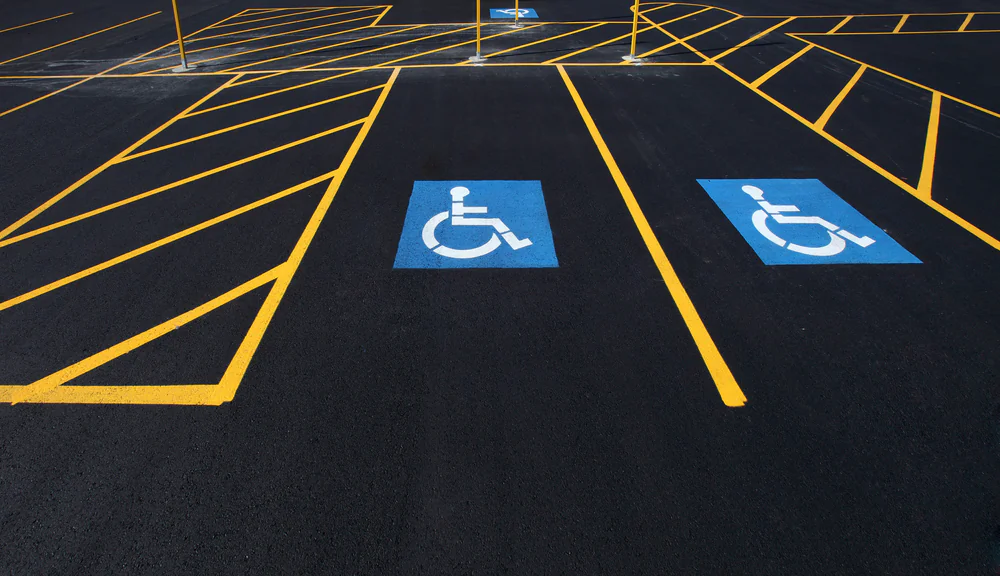
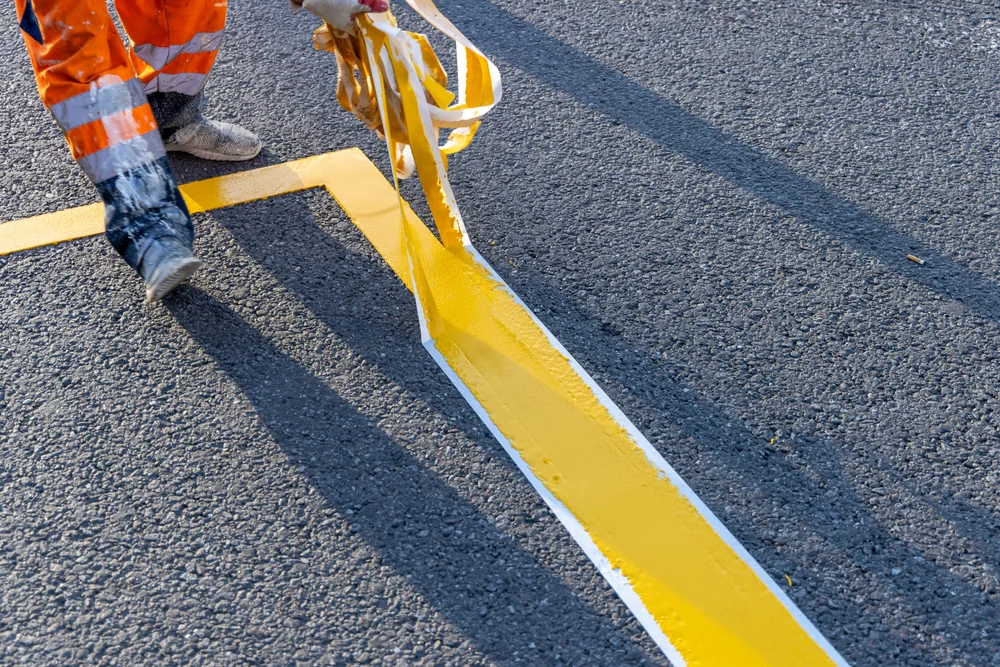
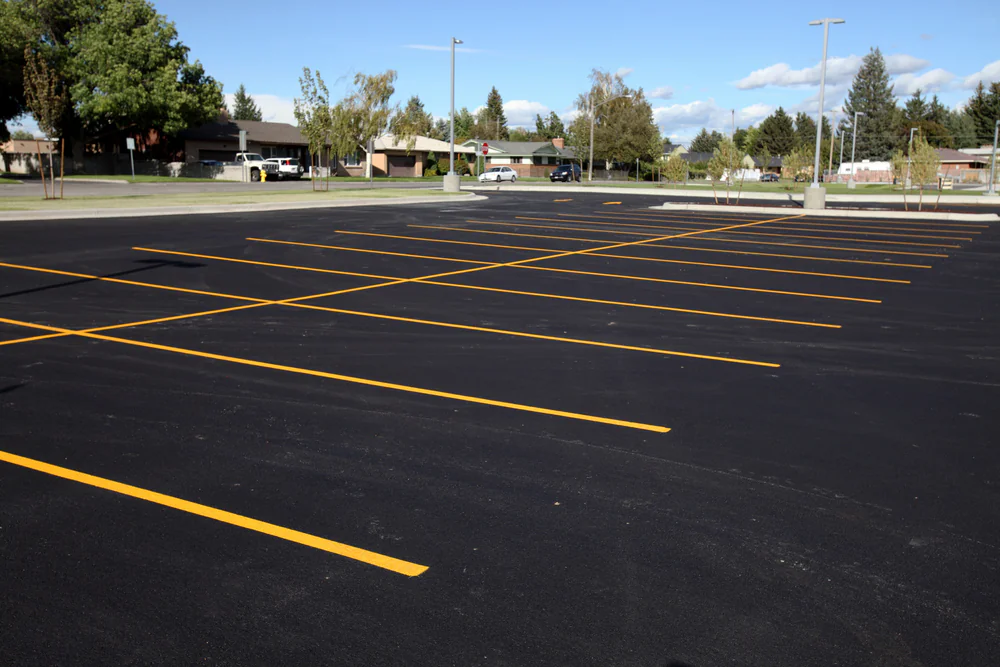
A parking lot that actually lasts starts with the work you don’t see. Proper base preparation, correct drainage grading, and the right asphalt thickness for your traffic load make the difference between pavement that holds up for 20+ years and surfaces that crack and fail in five.
You get a smooth, level surface that drains properly. No pooling water eating away at your asphalt. No premature cracking from poor compaction. No callbacks because the contractor rushed through to get to the next job.
Your property looks professional. Your customers aren’t dodging potholes. You’re not worried about liability from deteriorating pavement. And you’re not repaving in a few years because someone cut corners on the base work.
We’ve served Richlandtown and Bucks County property owners since the late 1940s. That’s over 75 years of understanding how Pennsylvania weather affects asphalt, what local soil conditions require, and how to build parking lots that actually hold up.
We focus on one project at a time. That means our full crew is on your site, not split between three jobs trying to finish everything at once. You get personalized attention whether you’re paving a small church lot or a commercial plaza in upper Bucks County.
Richlandtown’s mix of local businesses, community facilities, and residential properties means every project has unique challenges. We treat each site individually—assessing drainage needs, traffic patterns, and property-specific requirements instead of using cookie-cutter approaches.
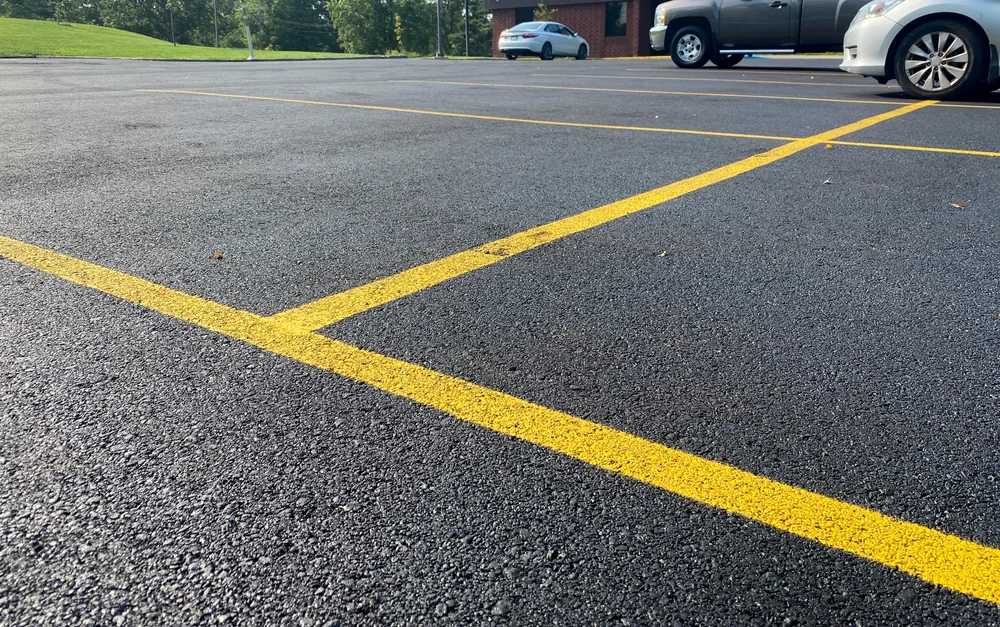
First comes the site evaluation. Our crew assesses your existing surface, drainage patterns, soil conditions, and traffic requirements. This determines the base depth, asphalt thickness, and grading needed for your specific property.
Next is excavation and base preparation. Old asphalt or deteriorated material gets removed. The subgrade is graded for proper drainage—this step is critical because water infiltration destroys parking lots from underneath. Then comes the aggregate base layer, compacted to create a stable foundation.
The binder layer goes down first—a durable asphalt mix that provides structural strength. After compaction, the surface course is applied. This is the smooth top layer you see and drive on. Final grading ensures water flows away from buildings and doesn’t pool anywhere on the surface.
You get clear communication throughout. No guessing when the crew shows up or what’s happening next. The job gets done completely before we move to another project.
Ready to get started?
Every parking lot paving installation includes complete site preparation, proper base installation, and asphalt application built for your traffic load. Our crew handles grading for drainage, compaction at each layer, and smooth surface finishing.
For commercial properties in Richlandtown and throughout Bucks County, that often means coordinating with local businesses to minimize disruption. Many commercial paving projects happen in phases or during off-hours so operations can continue. Residential paving for larger properties gets the same careful attention—whether it’s a multi-car parking area or extended driveway space.
Pennsylvania’s climate demands specific attention. Freeze-thaw cycles destroy improperly installed asphalt. We use proper base depths and compaction methods proven to handle Bucks County weather conditions. The asphalt mix is selected for local temperature ranges and your specific traffic needs.
You also get transparent pricing upfront. No hidden fees for “unexpected” base work that any experienced paving contractor should anticipate. The estimate reflects the actual work required, and communication stays clear if site conditions reveal something genuinely unforeseen.
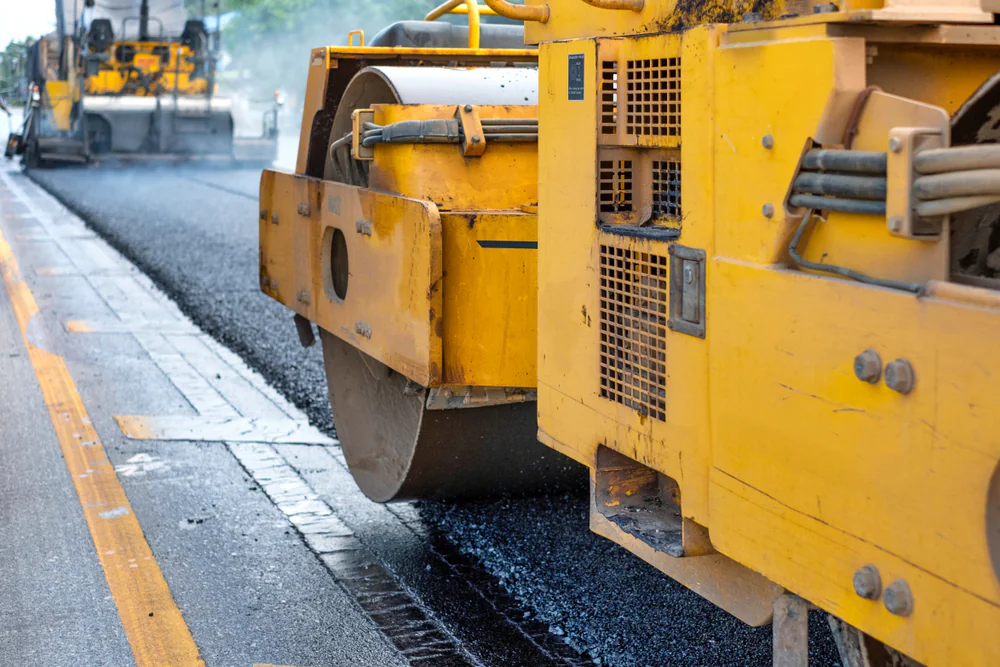
Most standard parking lot projects take 3-7 days depending on size and complexity. That includes excavation, base preparation, asphalt installation, and curing time before you can use the surface.
Smaller lots might finish faster. Larger commercial projects or sites with drainage issues take longer. Weather affects the timeline too—asphalt needs temperatures above 50°F for proper installation, and rain delays base work.
Our one-project-at-a-time approach actually speeds things up. You’re not waiting for a crew to rotate back from another job. We stay on site, work efficiently, and finish completely before moving on. You get a realistic timeline upfront, not optimistic estimates that stretch out for weeks.
Base preparation. Cheap contractors skimp on excavation depth, use inadequate base material, or don’t compact properly. The asphalt looks fine initially, but it cracks and fails within a few years because the foundation underneath is wrong.
Quality paving installation means excavating to the right depth for your soil conditions and traffic load. It means installing the proper thickness of aggregate base and compacting it correctly. It means using the right asphalt mix and thickness for your needs, not just the minimum.
You’re also paying for contractors who actually finish the job and stand behind their work. Cheap prices often come from crews who rush through, cut corners, or disappear when issues arise. Quality asphalt contractors cost more upfront but save you money long-term because the pavement actually lasts.
Asphalt installation requires ground temperatures above 50°F and dry conditions. Pennsylvania winters make paving impossible most days between November and March. The asphalt won’t compact properly in cold temperatures, leading to premature failure.
Spring and fall are ideal for paving in Richlandtown. Temperatures are moderate, and the asphalt cures properly. Summer works too, though extreme heat requires adjustments to installation timing—usually early morning or evening work.
If you have urgent winter repairs, temporary cold-patch asphalt can address potholes or dangerous areas. But full parking lot paving waits for proper weather. Contractors who push to pave in cold weather are setting you up for failure. It’s better to plan ahead and schedule during the right season.
It depends on your base condition. If the existing base is sound and your problems are surface-level—minor cracking, worn appearance, rough texture—resurfacing might work. That means applying a new asphalt layer over the existing surface.
If you have alligator cracking, significant potholes, drainage issues, or base failure, you need full replacement. Resurfacing over a failed base just covers problems temporarily. Within a year or two, the new surface fails because the foundation underneath is still compromised.
We evaluate your specific situation during site assessment. We check for base stability, drainage adequacy, and structural integrity. You get an honest recommendation based on what your parking lot actually needs, not what’s easiest to sell. Sometimes a section needs replacement while other areas can be resurfaced—every property is different.
Sealcoating every 2-4 years protects asphalt from oxidation, water penetration, and UV damage. It’s the most cost-effective way to extend pavement life. The first sealcoat typically happens 6-12 months after installation, once the asphalt fully cures.
Crack filling addresses small cracks before they expand. Pennsylvania freeze-thaw cycles turn minor cracks into major problems quickly. Water seeps in, freezes, expands, and breaks apart the asphalt. Filling cracks when they’re small prevents expensive repairs later.
Keep the surface clean. Remove debris, clean up oil spills promptly, and ensure drains stay clear. Good drainage is critical—standing water accelerates deterioration. Most commercial parking lots benefit from professional inspections every few years to catch small issues before they become big problems.
Commercial parking lot projects in Pennsylvania often require permits from local municipalities. Requirements vary by project scope, property size, and location. Some projects need stormwater management plans or ADA compliance documentation.
We know local requirements and can guide you through the permit process. We understand what Bucks County municipalities require and how to ensure your project meets code. This prevents delays, failed inspections, or costly corrections after installation.
For Richlandtown commercial properties, working with a contractor familiar with local regulations saves time and headaches. We coordinate inspections, ensure proper drainage compliance, and handle the technical details so your project proceeds smoothly. You get a parking lot that’s built correctly and passes all required inspections the first time.
Other Services we provide in Richlandtown