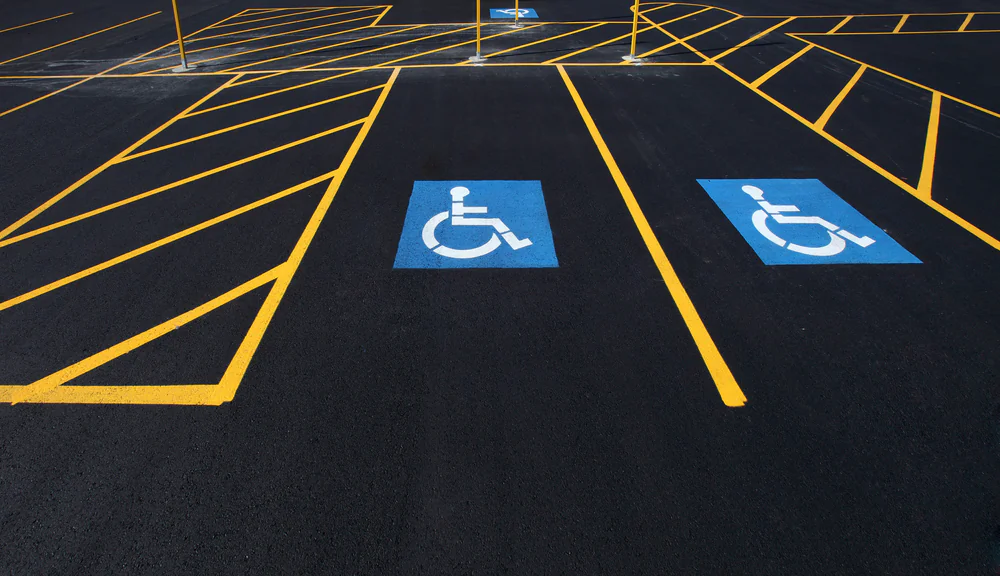
A properly installed parking lot does more than look clean. It handles water the way it should, so you’re not dealing with pooling or erosion eating away at your base. The surface stays smooth, which means fewer complaints, fewer liability concerns, and a lot less stress about what’s coming next.
You’re also protecting your investment. When the paving installation is done correctly from the start—proper grading, quality materials, attention to drainage—you’re not calling someone back in two years to fix what should’ve been handled the first time. Your parking lot works instead of becoming a recurring expense.
Whether it’s a commercial property where first impressions matter or a residential driveway that sees daily use, the outcome is the same. A surface that holds up, looks professional, and doesn’t need constant babysitting.
We’ve been in the paving business since 1948. That’s not a typo—nearly 80 years of family tradition, hands-on experience, and learning what actually works in this region. We’re not chasing the next big contract or trying to squeeze in as many jobs as possible. We focus on one project at a time, which means your job gets our full crew’s attention until it’s done right.
Trumbauersville and the surrounding Bucks County area deal with freeze-thaw cycles, heavy rain, and temperature swings that can wreck poorly installed asphalt. We know how to build for those conditions. We’ve worked on everything from small residential driveways to large commercial and industrial projects, and we approach each one with the same level of care.
Our reputation is built on transparency, honest communication, and treating every client—regardless of project size—with respect. Five-star reviews on Angie’s List and decades of repeat business back that up.
First, the site gets evaluated. That means looking at drainage, grading, soil conditions, and what the existing surface is doing—or not doing. If there’s a problem with how water moves across your property, it gets addressed before any asphalt goes down.
Next comes site preparation. Old asphalt gets removed if needed, the base gets graded and compacted properly, and any drainage solutions get installed. This is the part that determines whether your parking lot lasts five years or twenty-five. Skipping steps here is how you end up with potholes and standing water.
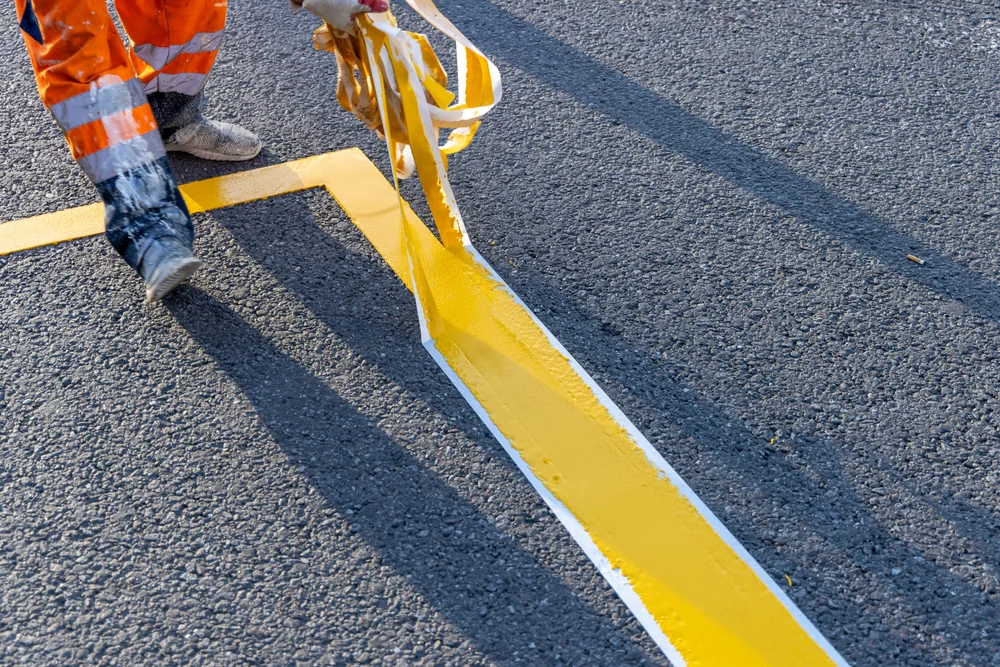
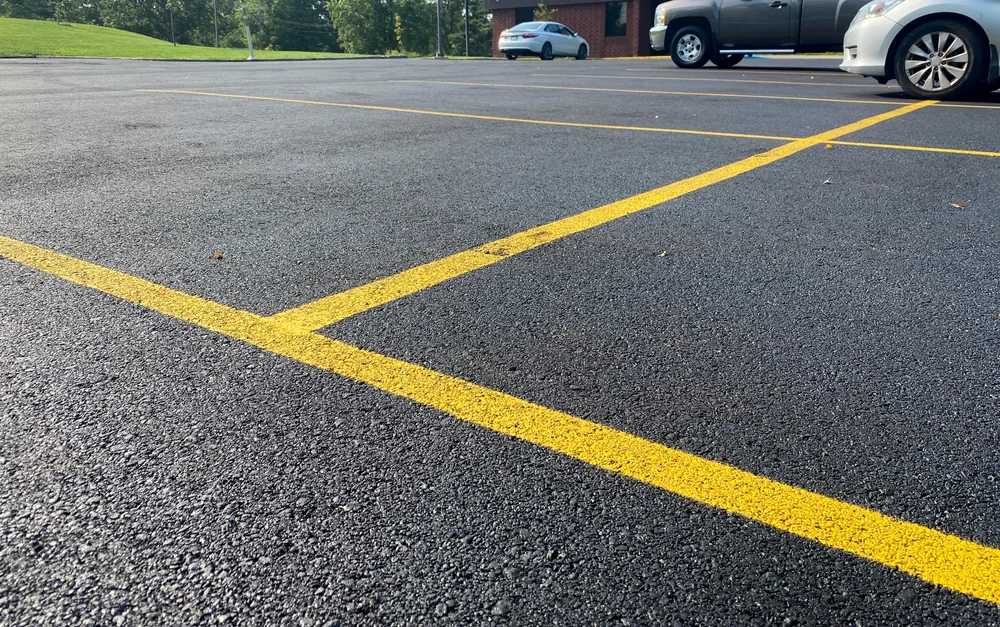
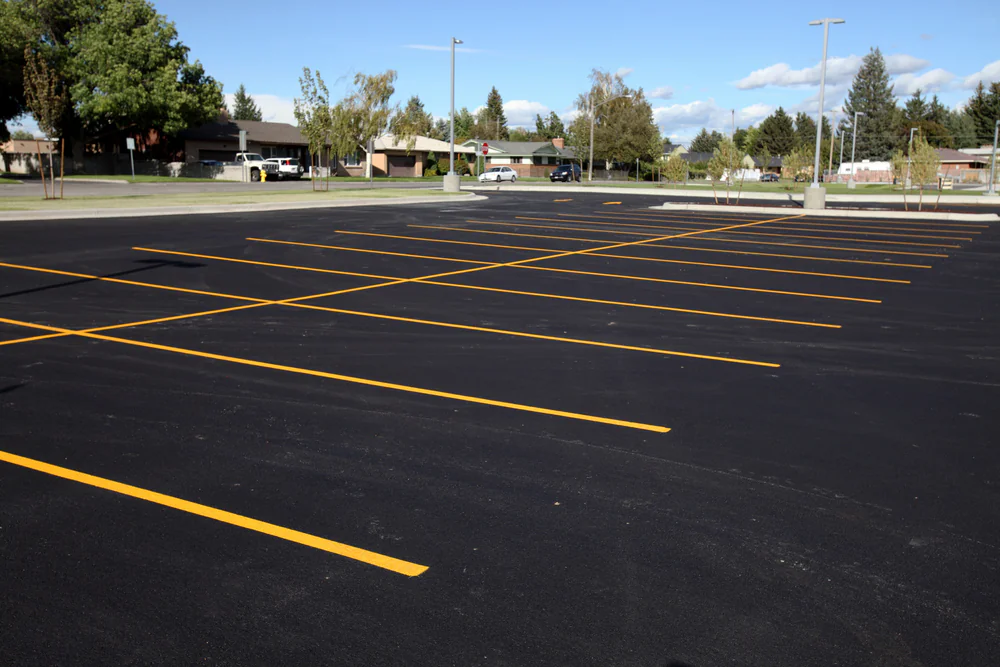
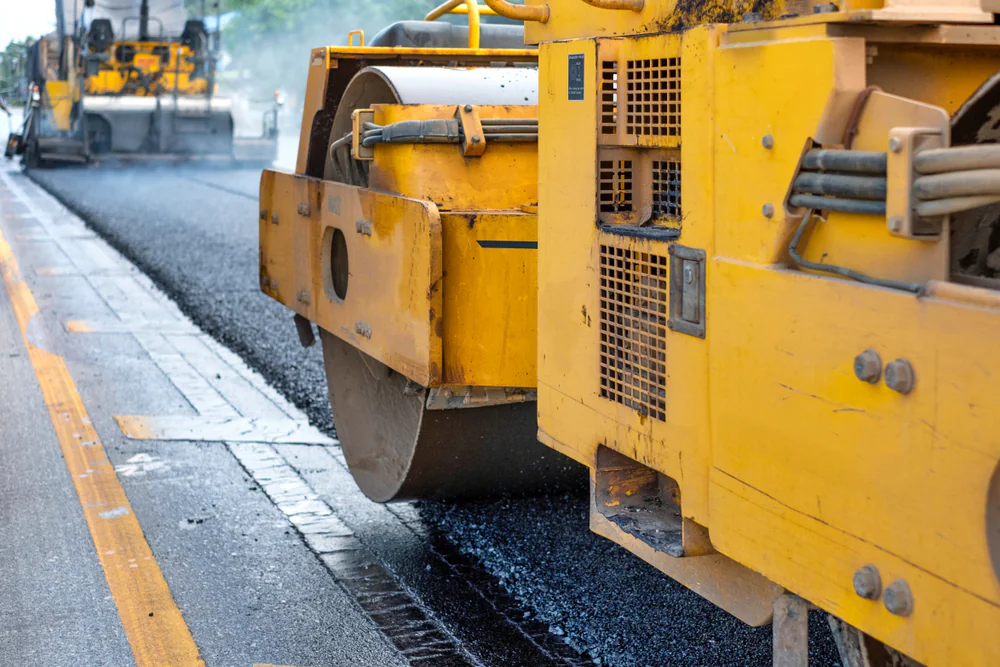
Then the asphalt gets installed. Quality materials, proper thickness for the traffic load, and careful attention to edges, transitions, and compaction. Once the surface cures, striping gets added if it’s a commercial lot—parking spaces, directional arrows, handicap areas, all done to code.
You’re kept in the loop the entire time. No surprises, no disappearing crews, no vague timelines. Just clear communication about what’s happening and when.
Ready to get started?
This isn’t just asphalt paving—it’s a complete solution. Site preparation and grading ensure proper water management, which is critical in Trumbauersville and Bucks County where heavy rain and snowmelt can destroy a poorly planned lot. Base installation is done to handle the specific traffic your property sees, whether that’s delivery trucks, customer vehicles, or daily commuter use.
Asphalt installation includes quality materials selected for Pennsylvania’s climate. The region’s freeze-thaw cycles are brutal on pavement, so the mix and application process matter. We use methods that account for temperature swings and moisture exposure, which extends the life of your surface significantly. For lots showing wear but with solid foundations, asphalt overlay services provide a cost-effective alternative to full replacement.
For commercial properties, striping and marking are included to meet ADA requirements and optimize traffic flow. That means clearly marked parking spaces, directional indicators, fire lanes, and handicap-accessible areas—all done to local code. The goal is a lot that’s safe, functional, and professional-looking from day one.
Residential paving installations get the same level of attention. Whether it’s a driveway or a private parking area, the process includes proper drainage planning, durable materials, and a finish that holds up to daily use. You also get access to ongoing pavement maintenance services—sealcoating, crack repair, patching—so your investment stays protected long-term. Special discounts are available for seniors, military, and first-time customers.
A properly installed asphalt parking lot in Pennsylvania should last 20 to 30 years with regular maintenance. The lifespan depends heavily on three things: installation quality, traffic load, and how well it’s maintained over time.
Pennsylvania’s freeze-thaw cycles are tough on asphalt. When water seeps into cracks and freezes, it expands and causes more damage. That’s why proper drainage and a solid base are non-negotiable during installation. If those are done right, the surface can handle seasonal temperature swings without breaking down prematurely.
Maintenance extends that lifespan significantly. Sealcoating every few years protects against water infiltration and UV damage. Filling cracks before they spread prevents small issues from becoming expensive repairs. Neglecting maintenance can cut the lifespan in half, while staying on top of it can push your lot well past the 30-year mark.
Resurfacing means adding a new layer of asphalt over the existing surface. It’s an option when the base is still solid but the top layer is worn, cracked, or faded. This costs less than full replacement and can add 10 to 15 years to your lot’s life if the underlying structure is sound.
Complete replacement involves tearing out the old asphalt, addressing any base or drainage issues, and installing everything from scratch. You need this when the base has failed, when there’s significant structural damage, or when drainage problems are causing ongoing issues. It costs more upfront, but it’s the only real solution when the foundation is compromised.
The decision comes down to what’s happening below the surface. If water is pooling, if there are major cracks or potholes that keep coming back, or if sections are sinking, resurfacing won’t fix it. A proper evaluation will tell you which route makes sense for your property and budget.
Most commercial parking lot paving projects can be staged to minimize disruption to your business. The work can be divided into sections so part of the lot stays open while the rest is being paved. This is especially important for retail locations, medical facilities, or any business that can’t afford to lose all parking access.
Timeline depends on the lot size and scope of work. A typical commercial lot might take anywhere from a few days to a couple of weeks. Asphalt needs time to cure before it can handle full traffic loads—usually 24 to 48 hours for light use, longer for heavy vehicles. We plan the schedule around your business needs and communicate clearly about when areas will be off-limits.
Weather plays a role too. Asphalt can’t be installed in freezing temperatures or during heavy rain, so projects are typically scheduled during warmer, drier months. You’ll get a realistic timeline upfront, and if weather causes delays, you’ll know immediately rather than being left guessing.
Water is the biggest culprit. When drainage isn’t designed properly, water sits on the surface or seeps underneath, weakening the base and causing cracks, potholes, and premature failure. Areas where water pools will always deteriorate faster than sections with good runoff.
Traffic patterns matter too. Spots where vehicles turn, brake, or accelerate—like near entrances, stop signs, or loading zones—experience more stress and wear down quicker. Heavy vehicles compound this, especially if the asphalt wasn’t installed with the right thickness for that load.
Pennsylvania’s climate accelerates everything. Freeze-thaw cycles cause water trapped in cracks to expand, which makes small cracks bigger. Salt and de-icing chemicals break down the asphalt binder over time. UV exposure from the sun also degrades the surface. All of this means that parking lots in this region need to be built with these conditions in mind, not just installed using generic methods.
Sealcoating isn’t required, but it’s one of the most cost-effective ways to extend your parking lot’s life. It creates a protective barrier against water, UV rays, and chemicals like oil and gasoline that break down asphalt. Without it, those elements wear away the binder that holds the aggregate together, leading to cracks and surface deterioration.
Most experts recommend sealcoating every two to three years, depending on traffic and exposure. It’s not something you do right after installation—new asphalt needs six months to a year to cure first. After that, regular sealcoating can double the lifespan of your pavement by preventing the small damage that turns into big problems.
The cost of sealcoating is a fraction of what you’d pay for resurfacing or replacement. Think of it like changing the oil in your car—it’s preventative maintenance that saves you from much bigger expenses down the road. If someone’s pushing you to sealcoat brand-new asphalt or doing it every year, that’s a red flag. But on the right schedule, it’s absolutely worth it.
Start with how long they’ve been in business and whether they can show you completed projects in your area. A contractor with decades of local experience understands regional climate challenges, soil conditions, and what methods actually hold up over time. Someone who just showed up last year might not.
Ask about their process, not just their price. A qualified contractor will talk about site evaluation, drainage planning, base preparation, and material selection. They’ll explain why certain steps matter and what happens if they’re skipped. If all you’re hearing is a square-foot price with no details about how the work gets done, that’s a warning sign.
Check references and reviews, but look for specifics. Did the contractor communicate clearly? Did they show up when they said they would? How does the work look a few years later? A cheap price means nothing if you’re dealing with failures, callbacks, or a contractor who disappears when problems arise. You want someone who stands behind their work and treats your project like it matters—not just another number on a schedule.
Other Services we provide in Trumbauersville