Your parking lot isn’t just pavement. It’s the first impression customers get pulling into your property, and it’s either a liability waiting to happen or an asset that requires minimal attention for decades.
Proper parking lot paving means you’re not fielding complaints about potholes, paying for vehicle damage claims, or watching water pool in spots that turn into craters after winter. The surface stays smooth. Drainage works. Line striping remains visible. You spend less time thinking about your parking lot because it’s doing its job.
When we handle base preparation correctly and don’t cut corners on materials or installation, you get 20 to 30 years of reliable performance. Not five years before major repairs. Not constant patching. Actual decades. That’s the difference between doing it right and doing it cheap, and that’s what commercial paving should deliver in VillageShires, PA.
We bring over 75 years of combined paving expertise to VillageShires and surrounding Pennsylvania communities. Our crew has installed enough parking lots to know exactly what Pennsylvania’s freeze-thaw cycles demand—and what shortcuts lead to callbacks and failures.
Every project gets full attention because we focus on one job at a time. Your parking lot isn’t competing with three other sites for crew availability. Whether it’s a residential driveway or a commercial parking lot, the same standards apply: proper base prep, quality materials, transparent communication, and work that holds up.
That approach has earned five-star reviews and a reputation VillageShires property owners trust. When you need asphalt paving services that won’t require a redo in five years, we deliver work that lasts.
First, the site gets evaluated. Where does water go? What’s the existing base condition? Are there grading issues that need correction? If drainage isn’t handled correctly from day one, even the best asphalt fails prematurely. We identify problems before they’re paved over.
Base preparation comes next—the step that separates work that lasts from work that fails. The existing surface gets removed if needed, subgrade is compacted to specification, and a stable base is installed. Pennsylvania’s winters expose every shortcut taken here, so this step gets done right.
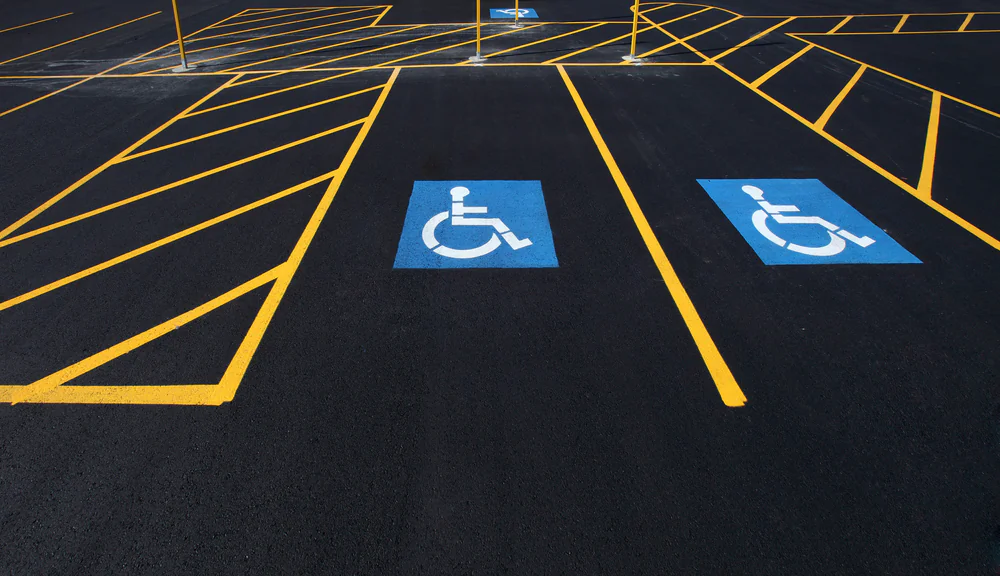
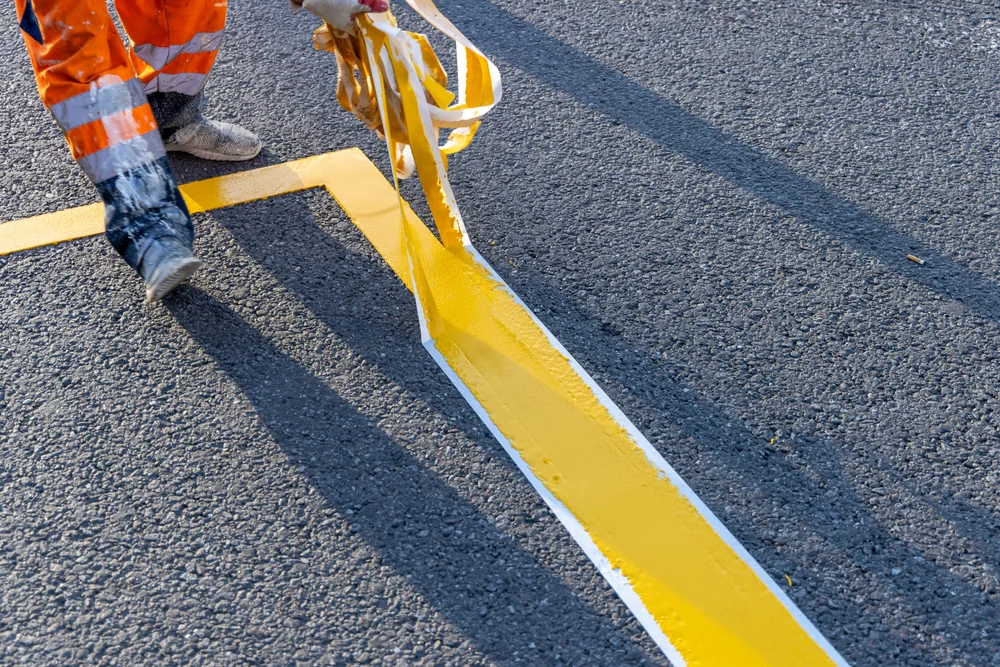
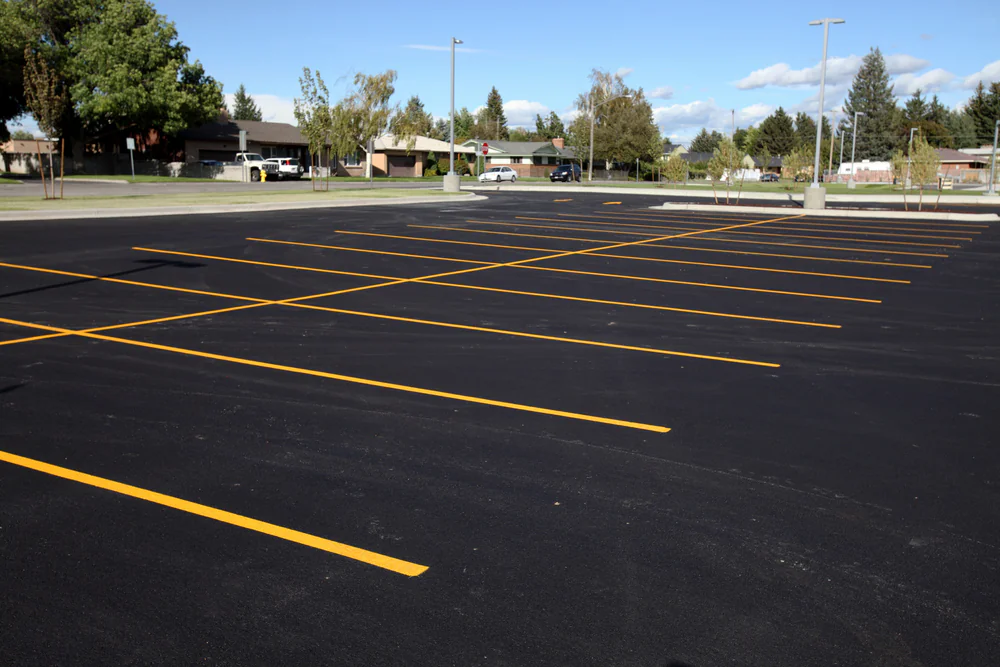
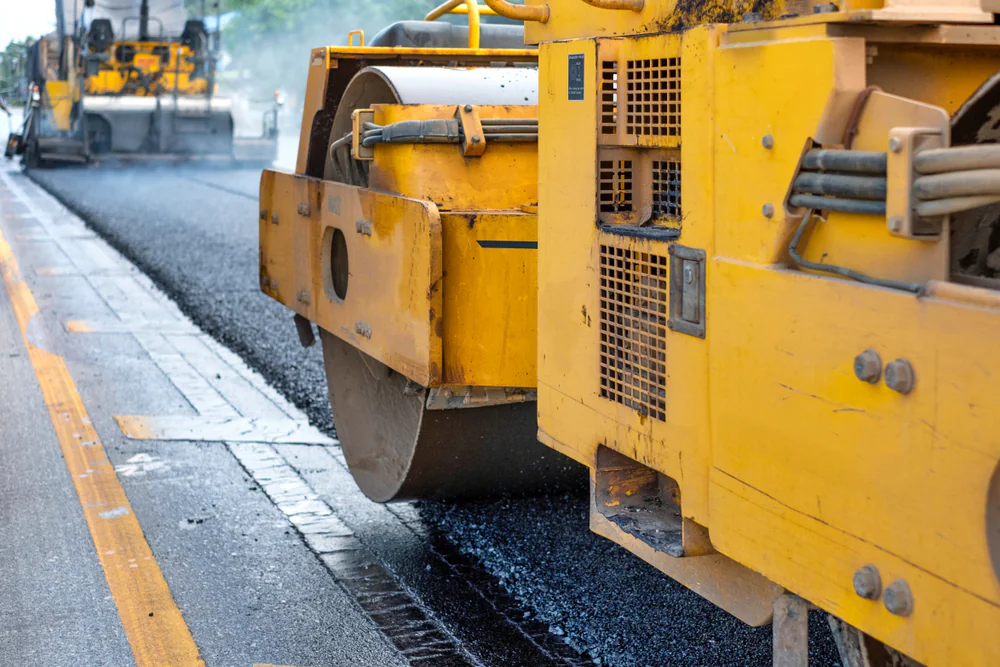
Then asphalt installation happens in proper lifts, compacted thoroughly, finished to correct slope and grade. Commercial projects include curbing coordination, ADA-compliant access, and clean transitions to existing surfaces. After curing, line striping and final details get completed. You’re left with a parking lot ready for traffic and built to handle VillageShires weather year after year.
Ready to get started?
Professional paving installation covers more than asphalt. We handle site evaluation and planning, grading and drainage solutions, complete base preparation, asphalt installation using quality materials, and proper compaction for durability. Commercial properties get ADA-compliant design, line striping and parking layout, curbing and transitions, plus coordination with other site work.
VillageShires experiences the full range of Pennsylvania weather—freeze-thaw cycles that crack weak pavement, snow removal that tests surface integrity, temperature swings that expose poor installation. Your parking lot needs proper thickness for traffic load, the right asphalt mix for climate conditions, and drainage design that moves water away from the surface.
Whether you’re installing new parking lot paving for a commercial property, replacing failing asphalt, or expanding existing pavement, the fundamentals don’t change. Do it right from the ground up. Our approach ensures you get decades of performance, not repairs within five years because someone took shortcuts.
A properly installed asphalt parking lot in Pennsylvania should last 20 to 30 years with appropriate maintenance. The qualifier there is “properly installed”—meaning correct base preparation, adequate thickness for your traffic load, and drainage that actually works.
Pennsylvania’s climate is brutal on pavement. Freeze-thaw cycles force water into cracks where it expands and contracts, accelerating deterioration. If the base wasn’t prepared correctly or drainage wasn’t addressed, you’ll see major problems in 5 to 10 years instead of 20 to 30.
Regular parking lot maintenance extends lifespan considerably. Sealcoating every few years protects against UV damage and water penetration. Crack sealing prevents minor issues from becoming major failures. The initial installation quality matters most, but maintenance determines whether you get two decades of use or need premature replacement. We build parking lots in VillageShires designed for the long haul.
The difference shows up in base preparation, material quality, and how long before you’re calling for repairs. Cheap paving skips proper base prep, uses thinner asphalt layers, and rushes compaction. It looks acceptable initially, then starts failing after a couple Pennsylvania winters.
Quality work starts below the surface where you can’t see it. Subgrade gets properly compacted. A stable base is installed to specification. Drainage is designed to move water away from pavement, not let it pool and cause damage. The asphalt itself is applied at correct thickness for your traffic and compacted thoroughly.
You’ll notice differences in details too—clean edges, proper transitions, accurate line striping, ADA compliance for commercial properties. But the real test comes after a few freeze-thaw cycles. Quality paving holds up. Cheap work shows cracks, settling, and drainage failures that cost more to fix than doing it right initially. We don’t do cheap work—because you end up paying more in the long run.
Parking lot paving in VillageShires typically runs $3 to $7 per square foot for standard installations, but that number varies based on site conditions, project size, and scope. A small residential area has different requirements than a large commercial lot handling heavy traffic daily.
Several factors affect cost: existing surface condition and whether removal is needed, grading and drainage requirements, base preparation scope, asphalt thickness for your traffic load, and extras like curbing, striping, or ADA-compliant features. Properties with poor drainage or unstable soil need more prep work, which increases upfront cost but prevents expensive failures later.
Get a detailed estimate that breaks down what you’re paying for. Be skeptical of quotes significantly lower than others—they usually mean shortcuts somewhere. Thinner asphalt. Inadequate base prep. Rushed installation. We provide transparent pricing and explain exactly what’s included so you understand the investment you’re making in VillageShires.
Asphalt paving requires temperatures above 50 degrees Fahrenheit for proper installation, which limits winter work in Pennsylvania. Asphalt must stay hot enough during transport, placement, and compaction to bind correctly and create durable pavement. Cold temperatures cause premature cooling, preventing proper compaction and leading to early failure.
Most paving contractors schedule major installations from late spring through fall when temperatures stay consistently warm. Experienced crews can sometimes work during mild winter days if conditions align, but it’s not ideal and carries risks most property owners shouldn’t take.
If you face urgent parking lot repair needs during winter, temporary cold patch asphalt can address immediate safety concerns until permanent work happens in warmer months. Planning your paving installation for warmer weather ensures optimal conditions and best long-term results. We help VillageShires property owners schedule projects during ideal timeframes for Pennsylvania’s climate.
Most commercial parking lot paving can be phased to minimize business disruption, though some inconvenience is unavoidable. The key is working with an asphalt contractor who understands operational needs and plans accordingly.
Larger parking lots can often be divided into sections—one area gets paved while another stays open for customers. This takes longer overall but keeps your business running throughout the project. Smaller lots might require complete closure for a day or two depending on scope.
Timing matters. Some businesses schedule paving during slower periods, weekends, or after hours to reduce customer impact. Communication during planning helps identify what works for your situation. We work directly with VillageShires business owners to develop timelines that balance quality installation with minimal operational disruption. You get proper paving without shutting down unnecessarily.
A new parking lot needs minimal maintenance initially, but regular attention extends lifespan significantly. The first year is mostly monitoring—watching for settling, confirming drainage works as designed, addressing minor issues before they grow.
After two to three years, sealcoating becomes important. It protects asphalt from UV damage, water penetration, and vehicle chemical spills. Reapply every two to four years depending on traffic and exposure. Crack sealing should happen whenever cracks appear—catching them early prevents water infiltration and more extensive damage.
Line striping fades over time and needs refreshing for clear parking boundaries and ADA compliance. Regular sweeping removes debris that degrades surfaces. Address drainage issues promptly to prevent water damage. Pennsylvania’s climate demands attention to these maintenance items. VillageShires property owners who stay current with routine asphalt maintenance get decades from their parking lots. Those who neglect it face expensive repairs or premature replacement. We can handle ongoing maintenance to protect your paving investment.
Other Services we provide in Villageshires