A smooth parking lot isn’t just about looks. It’s about customers pulling in without dodging potholes. Employees walking to their cars without tripping hazards. Delivery trucks unloading without damaging their axles.
When your parking lot is properly paved, water drains where it should. Cracks don’t spider across the surface after one winter. The pavement holds up under the weight of traffic, season after season, without turning into a liability.
You stop worrying about slip-and-fall lawsuits. You stop patching the same spots every spring. Your property looks professional, functions safely, and protects your investment for the next 20-30 years.
We’ve been handling asphalt projects in the Bucks County area since 1948. That’s not a typo—over 75 years of combined family experience in driveways, parking lots, and commercial paving.
The difference shows in how we do the work. One project at a time. Full crew attention. No splitting teams across three job sites hoping nobody notices the shortcuts.
Woodbourne properties face the same freeze-thaw cycles, drainage challenges, and heavy traffic patterns that demand contractors who actually understand Pennsylvania weather. That base layer needs to be compacted right, or you’ll be calling someone back in two years. The grading needs to account for where water goes during spring thaw. These aren’t things you learn from a weekend course—they come from decades of doing it wrong, then doing it right.
First, the existing surface comes out. Old asphalt, cracked concrete, whatever’s there gets removed and hauled off. You need a clean foundation, not a band-aid over failing pavement.
Next comes grading and drainage. This step determines whether you’ll have standing water in five years. The ground gets sloped properly—usually about 2%—so water moves off the surface instead of pooling and seeping into cracks. If drainage isn’t handled now, you’re just buying temporary asphalt.
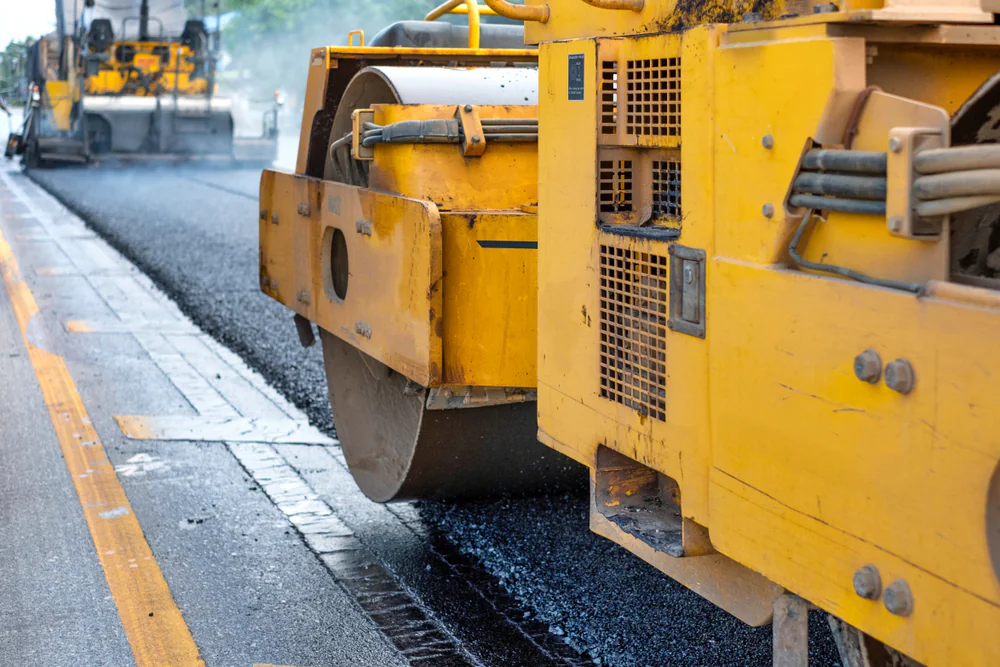
The sub-base goes in next. This is the foundation—typically 8-12 inches of compacted aggregate. It’s also a frost barrier, which matters in Pennsylvania where freeze-thaw cycles destroy improperly prepared lots. The base gets compacted with heavy rollers, then proof-rolled to catch any soft spots before asphalt goes down.
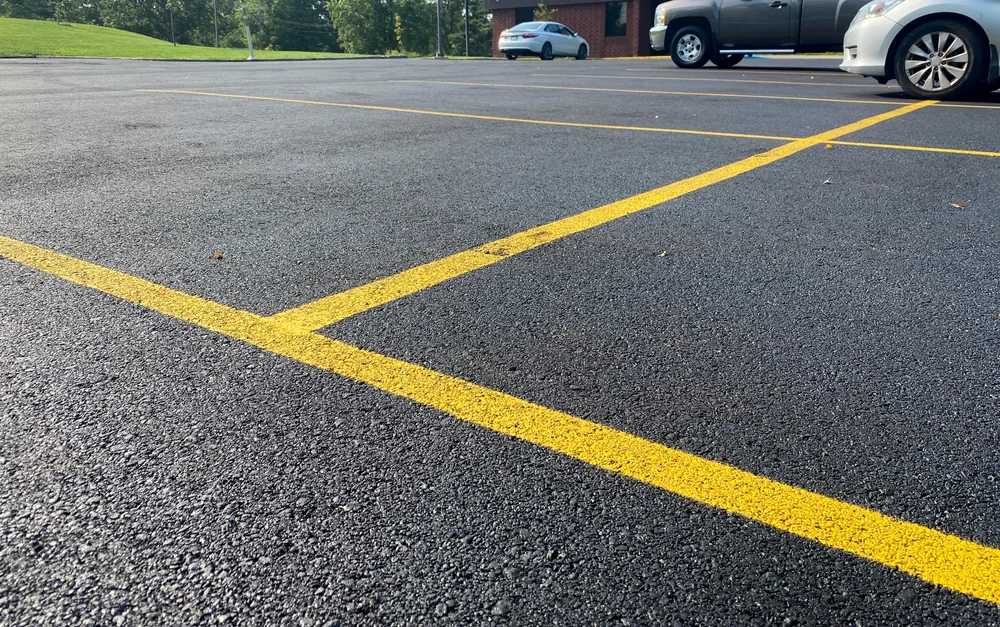
Then comes the binder layer—a coarse, strong asphalt mix that handles structural load. After that, the surface layer: hot-mix asphalt delivered at around 300°F, laid smooth, and compacted while still hot. Edges get finished, transitions to existing surfaces get handled, and everything gets rolled to proper density.
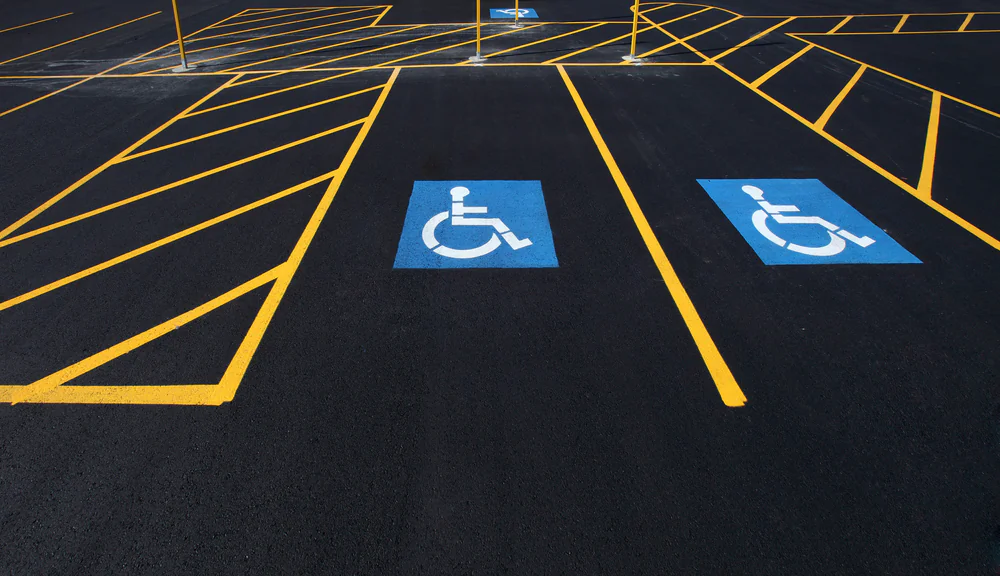
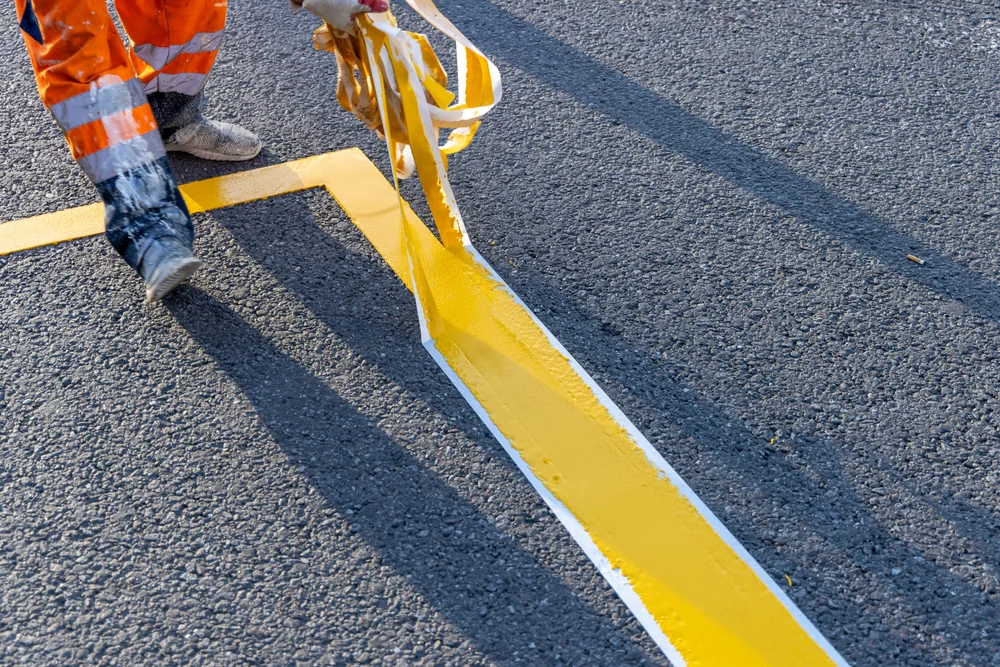
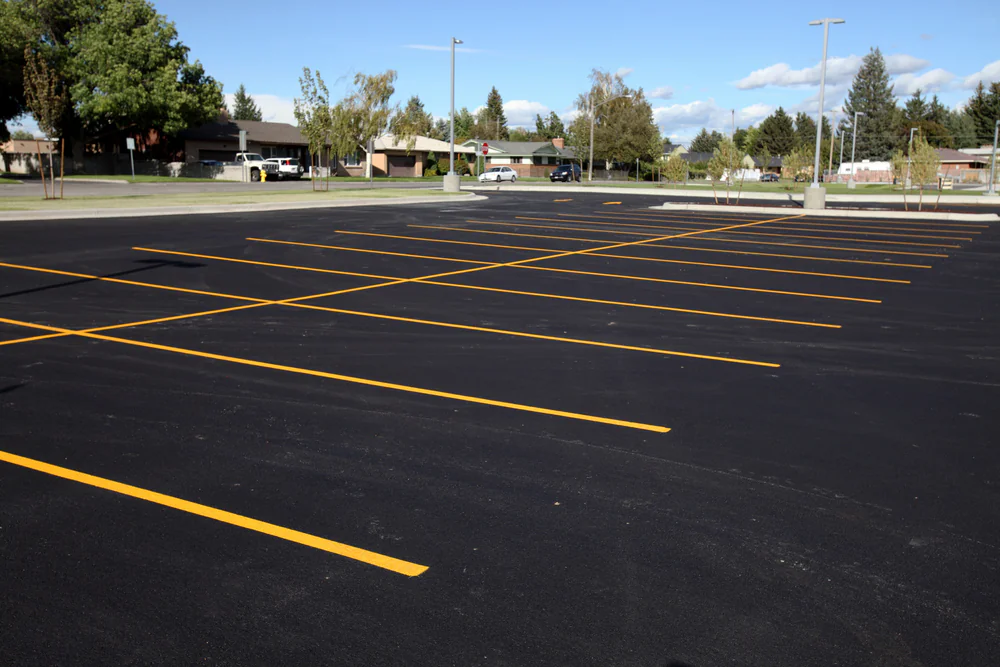
Finally, striping. Lines, arrows, ADA spaces—whatever your lot needs to function safely and legally.
Ready to get started?
A complete paving project covers more than just laying asphalt. You’re getting site preparation, proper base installation, drainage solutions, asphalt application, compaction, and finishing work. If your lot connects to sidewalks or existing pavement, those transitions get handled so there’s no lip or uneven surface.
In Woodbourne and the surrounding Bucks County area, parking lot projects also need to account for local conditions. Pennsylvania’s winters are hard on asphalt—December through March brings freeze-thaw cycles that crack weak pavement. Moisture gets into surface cracks, freezes overnight, expands, and turns small issues into major failures. That’s why the base preparation matters so much here. Skimping on the sub-base might save money now, but you’ll pay for it in two years when the lot starts falling apart.
Drainage is another local consideration. Bucks County gets its share of rain, and improper grading leads to standing water, which leads to faster deterioration. A properly graded lot moves water off the surface and away from the foundation.
If you’re running a business in Woodbourne, you also care about timing. Most parking lot installations take a few days depending on size, and the surface can handle light traffic within 72 hours. Full curing takes longer, but you’re not shut down for weeks.
Parking lot paving in Pennsylvania typically runs $2 to $4.50 per square foot for standard commercial projects. That includes materials, labor, and basic site prep. If your lot needs milling, extensive drainage work, or base repairs, costs go up.
For a 10,000 square foot lot—enough for about 30-35 vehicles—you’re looking at $20,000 to $45,000 depending on condition and complexity. Larger lots benefit from economies of scale, so the per-square-foot cost often drops on bigger projects.
What drives cost? Base preparation, asphalt thickness, drainage solutions, and accessibility. A lot with good drainage and stable ground costs less than one with standing water and soft spots. Milling off old asphalt adds $0.25-$0.60 per square foot. ADA-compliant striping, curbing, and other features add to the total.
Most parking lot paving projects take 3-7 days from start to finish, depending on size and scope. Demo and removal might take a day. Base prep and grading take another day or two. Asphalt installation usually happens in one day, followed by curing time and striping.
You can drive on new asphalt within 72 hours for light traffic, but full curing takes longer. Heavy trucks should stay off for about a week. Sealcoating happens later—typically 12-18 months after installation—to protect the surface once it’s fully cured.
Weather affects timing. Rain delays asphalt installation because the surface needs to be dry for proper bonding. Pennsylvania’s seasonal weather means spring and fall are ideal for paving projects. Winter work is possible but less common due to temperature requirements for asphalt application.
If more than 30% of your parking lot shows significant damage—alligator cracking, potholes, base failure—replacement usually makes more sense than patching. Surface cracks and minor wear can be repaired, but widespread structural issues mean the base is failing.
Look for these signs of base failure: large areas of alligator cracking (interconnected cracks that look like reptile skin), multiple potholes, sections that sink or heave with the seasons, and standing water that won’t drain. These indicate problems below the surface that patching won’t fix.
If your lot is over 20 years old and showing multiple issues, replacement is often more cost-effective than ongoing repairs. A proper assessment looks at crack patterns, drainage, base stability, and overall condition. We’ll tell you honestly when repairs make sense and when you’re throwing money at a failing surface. The goal is making the right call for your budget and timeline, not selling you the biggest job.
Sealcoating every 2-3 years is the foundation of parking lot maintenance in Pennsylvania. It protects against UV damage, water infiltration, and the chemicals from winter de-icing. The first sealcoat should happen 12-18 months after installation, then regularly after that.
Crack sealing should happen annually, especially before winter. Small cracks let water in, which freezes, expands, and turns into bigger problems. Catching cracks early—when they’re hairline, not canyons—prevents expensive repairs later. Pennsylvania’s freeze-thaw cycles make this particularly important between December and March.
Line striping fades faster here due to snow plowing and harsh winters. Plan on refreshing striping every 12-24 months to maintain visibility and safety. Keep drains clear of debris, fix potholes promptly, and address drainage issues before they cause base failure. With proper maintenance, your parking lot can last 20-30 years. Without it, you might need replacement in under 10 years.
Asphalt paving in winter is possible but not ideal. Asphalt needs to be installed at around 300°F and compacted while hot. Cold temperatures make this harder—the asphalt cools too quickly, making proper compaction difficult and affecting long-term durability.
We prefer paving between April and October when temperatures stay consistently above 50°F. Spring and fall offer the best conditions: moderate temperatures, lower humidity, and less extreme weather. Summer works too, though extreme heat can create its own challenges.
If you have an emergency repair in winter—a pothole creating a safety hazard, for example—cold-mix asphalt can provide a temporary fix until conditions allow for permanent hot-mix installation. Cold-mix doesn’t last as long but handles emergency situations when hot-mix isn’t feasible. For planned projects, waiting for better weather means better results and longer-lasting pavement.
An asphalt overlay means milling off 1-3 inches of the existing surface and paving a new layer on top. It works when the base is still solid but the surface is worn. Overlays cost less—typically $1.50-$3 per square foot—and take less time than full replacement.
Full replacement means removing everything down to the sub-base, rebuilding from the ground up. You need this when the base has failed, when drainage issues can’t be fixed with surface work, or when the existing pavement is beyond saving. It costs more but gives you essentially a brand-new parking lot with another 20-30 year lifespan.
The decision comes down to what’s happening below the surface. If you have widespread alligator cracking, base settlement, or chronic drainage problems, overlay won’t fix it—you’re just covering up structural issues. But if your base is sound and you’re dealing with surface wear, an overlay extends the life of your lot for a fraction of replacement cost. A proper assessment looks at crack patterns, base stability, and drainage to determine which approach makes sense.
Other Services we provide in Woodbourne