Your parking lot isn’t just pavement. It’s the first thing customers see, the surface that keeps vehicles safe, and a liability you can’t ignore when cracks and potholes show up.
When it’s done right, you stop worrying about water pooling after every rain. You’re not patching the same potholes every spring. Your property looks professional, your insurance stays manageable, and you’re not replacing the whole thing in five years because someone cut corners on the base.
We handle parking lot paving and asphalt installation in Woodside, PA with the kind of attention that comes from doing this since 1948. Our crew works one job at a time, so your project gets our full focus from grading to final compaction. That means proper drainage, a sub-base that won’t shift, and asphalt thick enough to handle your traffic load—not just the minimum to get by.
Our roots go back to 1948. That’s not a tagline—it’s decades of figuring out what works in Pennsylvania’s climate and what fails after the first winter.
We serve Woodside, PA and surrounding areas with the same approach: treat every property like it matters, find solutions that fit the actual site conditions, and keep clients updated without the runaround. Whether it’s a small business lot or a multi-acre industrial site, we bring the same equipment, the same standards, and the same transparency.
Woodside property owners deal with freeze-thaw cycles, drainage challenges from hilly terrain, and the reality that cheap paving jobs don’t survive here. Our five-star reputation on Angie’s List and ongoing client relationships come from understanding those local factors and building accordingly.
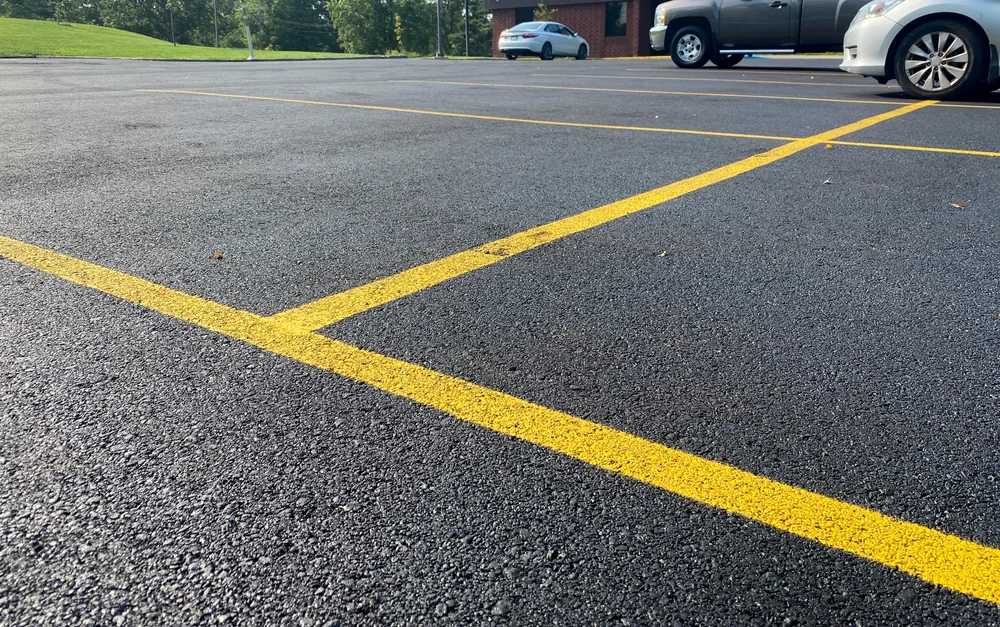
First, the existing surface gets removed if needed—old asphalt, broken concrete, whatever’s there. That debris is recycled, and you start with a clean foundation.
Next comes grading. This step determines whether water drains properly or pools in low spots that turn into potholes. We use laser-guided equipment to create the right slope, typically around 2%, so water runs off instead of sitting.
Then the sub-base goes in. This layer—usually 8 to 12 inches of compacted aggregate—is what actually supports your parking lot. If this step is rushed or thin, nothing else matters. We proof roll the sub-base with heavy equipment to catch any weak spots before asphalt goes down.
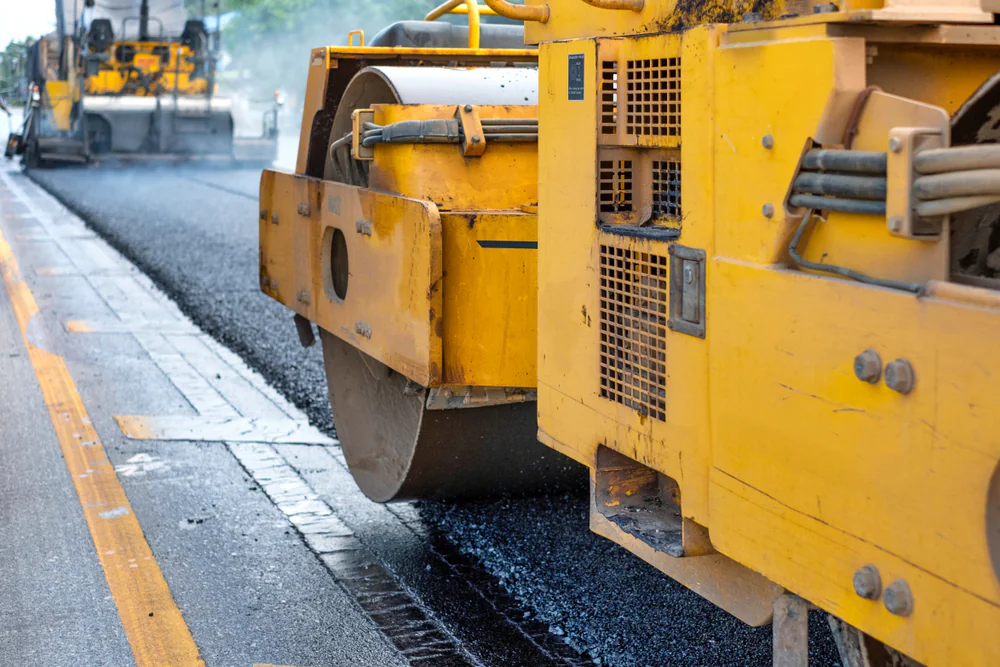
After that, the binder layer is applied. This is the structural asphalt that bears the load. It’s laid hot, compacted immediately, and thick enough for your specific traffic—heavier for commercial paving projects, lighter for residential.
The surface course comes next. This is the smooth top layer you see and drive on, made with smaller aggregate for a clean finish. It’s rolled, compacted, and checked for evenness.
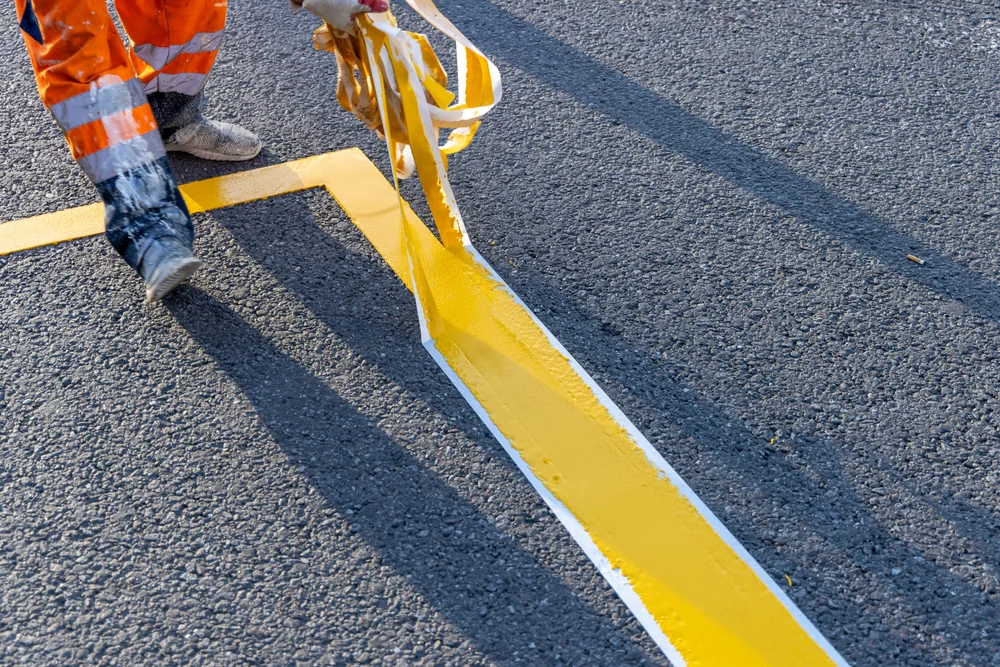
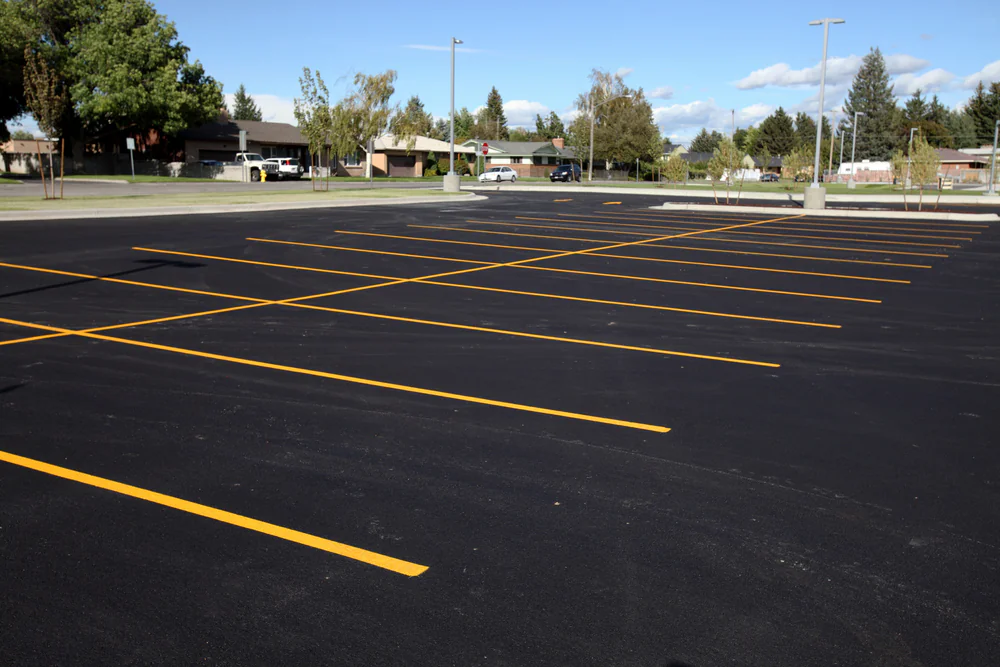
Finally, any transitions to existing pavement get sealed, edges are finished, and the site is cleaned. If you need striping, that happens after the asphalt cures. The whole process is planned so your business isn’t disrupted longer than necessary.
Ready to get started?
Parking lot paving in Woodside, PA means dealing with Pennsylvania’s reality. Winters here are brutal on asphalt. Moisture gets into small cracks, freezes overnight, expands, and turns hairline damage into structural problems by spring.
We account for that. The paving installation includes proper thickness for your traffic load—typically 3 to 4 inches for commercial lots. Drainage is designed specifically for your site’s slope and runoff patterns, not a generic template. The sub-base is compacted to handle freeze-thaw cycles without shifting.
You also get transparency on what happens next. Asphalt needs 24 to 48 hours before regular traffic, and full curing takes a few weeks. Sealcoating should happen about 12 to 18 months after installation, then every 2 to 4 years after that to protect against UV damage, water infiltration, and chemicals.
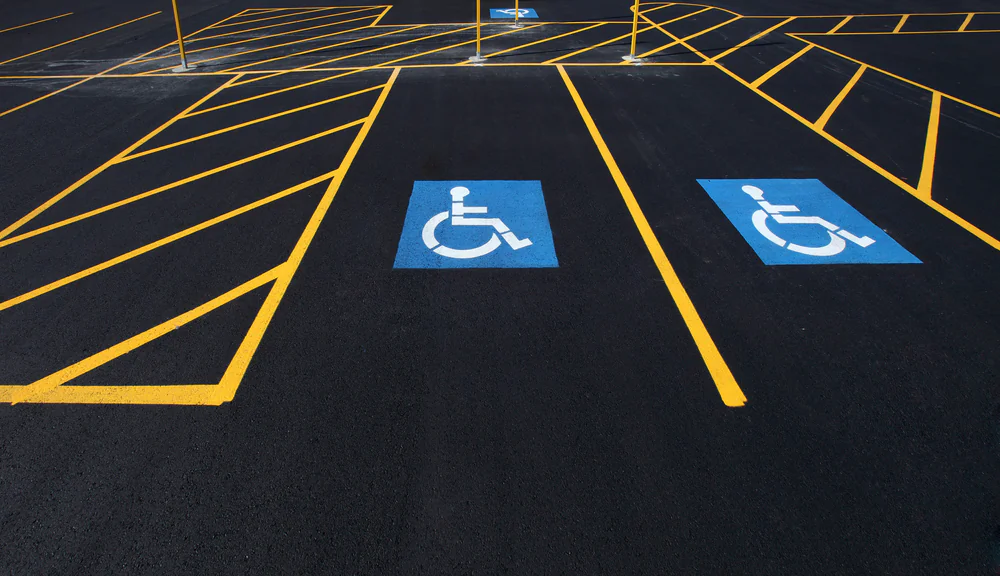
For commercial properties in Woodside, PA, ADA compliance is part of the plan—proper stall widths, accessible spaces, ramps, and signage that meet federal and Pennsylvania standards. Line striping uses DOT-approved paints designed to last through snow removal and weather.
Woodside’s terrain and climate mean drainage is critical. Properties on slopes or in areas prone to water flow need extra attention to grading and runoff management. We evaluate each site individually and build solutions that fit the actual conditions, not just what’s easiest.
With proper installation and regular maintenance, you’re looking at 20 to 30 years. That assumes the sub-base was done right, drainage works, and you’re sealcoating every few years.
Without maintenance, you might get 10 years before major repairs are needed. Pennsylvania’s freeze-thaw cycles are hard on asphalt, so the difference between a well-maintained lot and a neglected one shows up fast. Small cracks turn into potholes, water gets under the surface, and the base starts failing.
The key is catching issues early. Annual inspections help you spot cracks before they spread, address drainage problems before they cause structural damage, and plan sealcoating before the surface oxidizes too much. Our approach includes explaining what maintenance you’ll need and when, so there are no surprises five years down the road.
Poor sub-base preparation is the biggest culprit. If that layer isn’t thick enough, properly compacted, or stable, everything on top will crack and shift no matter how good the asphalt is.
Drainage problems are the second major issue. Water that pools or doesn’t run off properly seeps into the pavement, freezes in winter, and expands. That cycle destroys asphalt from the inside out. Pennsylvania’s winter-to-spring transition is especially brutal because temperatures fluctuate above and below freezing repeatedly.
Thin asphalt is another common problem. Some paving contractors save money by skimping on thickness, but commercial lots need at least 3 to 4 inches to handle traffic loads. Residential driveways can get by with 2 to 3 inches, but cutting corners there leads to early cracking.
Finally, skipping maintenance accelerates failure. Sealcoating protects against UV rays, water, and chemicals. Without it, asphalt oxidizes, becomes brittle, and cracks faster. Addressing small cracks immediately prevents them from spreading into bigger structural problems.
Asphalt parking lot paving in Pennsylvania typically runs $2 to $4.50 per square foot, including materials and labor. That’s for standard installations. Complex sites, heavy traffic areas, or projects needing extensive drainage work can push toward $7 per square foot.
A 10,000-square-foot lot—enough for about 30 to 35 vehicles—would cost roughly $20,000 to $45,000. Larger commercial projects scale up from there. Those numbers include demolition if needed, proper sub-base preparation, asphalt installation, and compaction.
Additional costs come from line striping (about $0.15 to $0.25 per linear foot), sealcoating down the road ($0.15 to $0.30 per square foot), and any special features like ADA-compliant spaces, curbing, or drainage systems. Milling old asphalt before overlay adds $0.25 to $0.60 per square foot.
The investment makes sense when you consider the alternative. Cheap paving jobs fail fast in Pennsylvania’s climate, and full replacement costs far more than doing it right the first time. We provide transparent estimates that break down exactly what you’re paying for, so you can make informed decisions based on your property’s needs and budget.
Asphalt installation works best when temperatures are consistently above 50 degrees Fahrenheit. Cold weather affects how the asphalt compacts and cures, which impacts long-term durability.
In Pennsylvania, that means the ideal paving season runs from late spring through early fall. Winter paving is possible in some cases—emergency repairs, for example—but it requires special mixes and techniques that add cost and complexity.
If you’re planning a parking lot project in Woodside, PA, scheduling it for warmer months gives you the best results. The asphalt stays workable longer during installation, compacts properly, and cures without temperature-related issues. We can discuss timing based on your specific project and weather forecasts to find the optimal window.
That said, other work can happen in colder months. Site preparation, demolition, and sub-base installation aren’t as temperature-sensitive. If you need paving done as soon as possible, we can stage the project so prep work happens in winter and asphalt goes down once temperatures cooperate.
An overlay means milling off the top layer of damaged asphalt and paving a new surface over the existing base. It’s faster and cheaper than full replacement—typically $1 to $3 per square foot for milling and overlay combined.
Overlay works when the sub-base and underlying structure are still solid. If you’re seeing surface cracks and wear but no major potholes, settling, or drainage problems, overlay can add another 10 to 15 years of life.
Full replacement involves tearing out everything down to the dirt, rebuilding the sub-base, and installing new asphalt from the ground up. It costs more—back to that $2 to $4.50 per square foot range—but it’s necessary when the base has failed, drainage is fundamentally broken, or the lot has extensive structural damage.
The decision comes down to an honest assessment of what’s happening below the surface. We evaluate your lot’s condition and explain which option makes sense for your situation. Sometimes overlay is smart. Sometimes it’s throwing money at a problem that needs full replacement. You’ll get a straight answer either way.
You can walk on new asphalt after about 24 hours. Light vehicle traffic is safe after 48 to 72 hours. Full curing takes several weeks, so it’s smart to avoid heavy vehicles or concentrated loads in the same spots during that time.
The asphalt is technically usable pretty quickly, but it’s still hardening and gaining full strength. Parking heavy trucks in the same spot every day during the first week can leave depressions. Turning wheels sharply on fresh asphalt can scuff the surface.
For commercial properties in Woodside, PA, we work with you to plan installation around your business schedule. Weekend paving minimizes weekday disruption. Phased installation lets you keep part of the lot open while work happens in sections.
After the initial cure, regular use is fine. The surface will continue hardening over the next few months, reaching full strength by the time you’re ready for that first sealcoating about a year later.
Other Services we provide in Woodside