Your parking lot is the first thing people see when they pull up. Cracks, potholes, and standing water don’t just look bad—they tell customers you’re not paying attention.
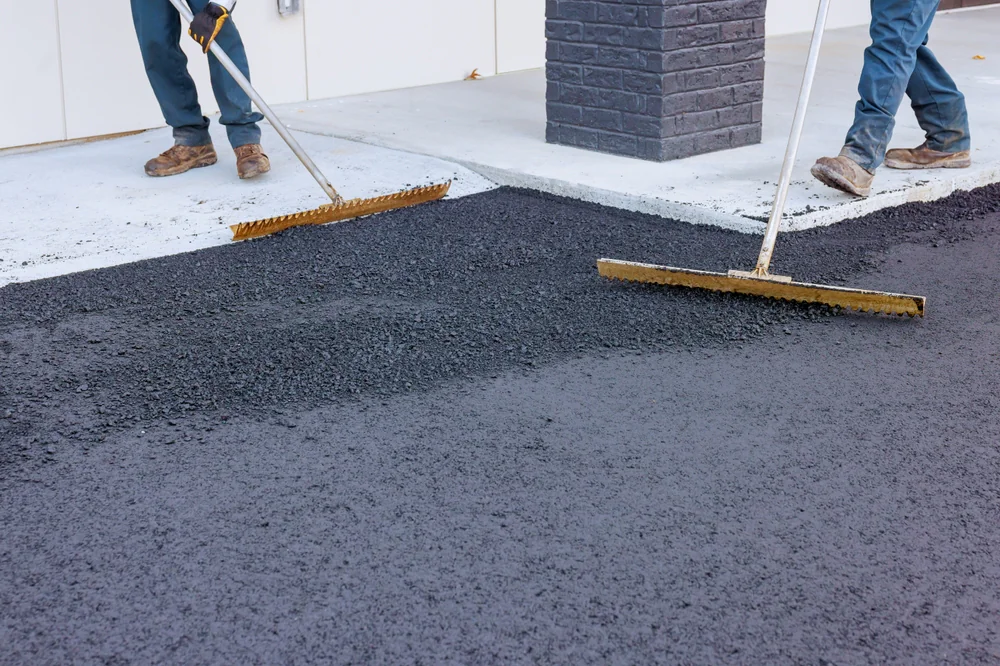
A properly installed commercial paving job changes that. Smooth asphalt. Clean lines. Water that drains where it should. It’s the kind of first impression that doesn’t need explaining.
You also get fewer liability concerns. No more worrying about trip hazards or vehicle damage. No more emergency calls about potholes that appeared overnight. Just a solid surface that does its job, day after day, season after season.
We bring 75+ years of industry tradition to every commercial paving project in Clinton and Hunterdon County. We focus on one job at a time, which means your project gets our full crew’s attention—not divided focus across multiple sites.
Our approach is straightforward: treat every client like the top client, communicate clearly, and find custom solutions for each property’s drainage, traffic, and structural needs. No high-pressure sales. No disappearing acts. Just honest assessments and work that holds up.
Clinton’s historic downtown and active commercial district demand quality work from contractors who understand local conditions. We serve the businesses, office buildings, and industrial properties that keep this community running.
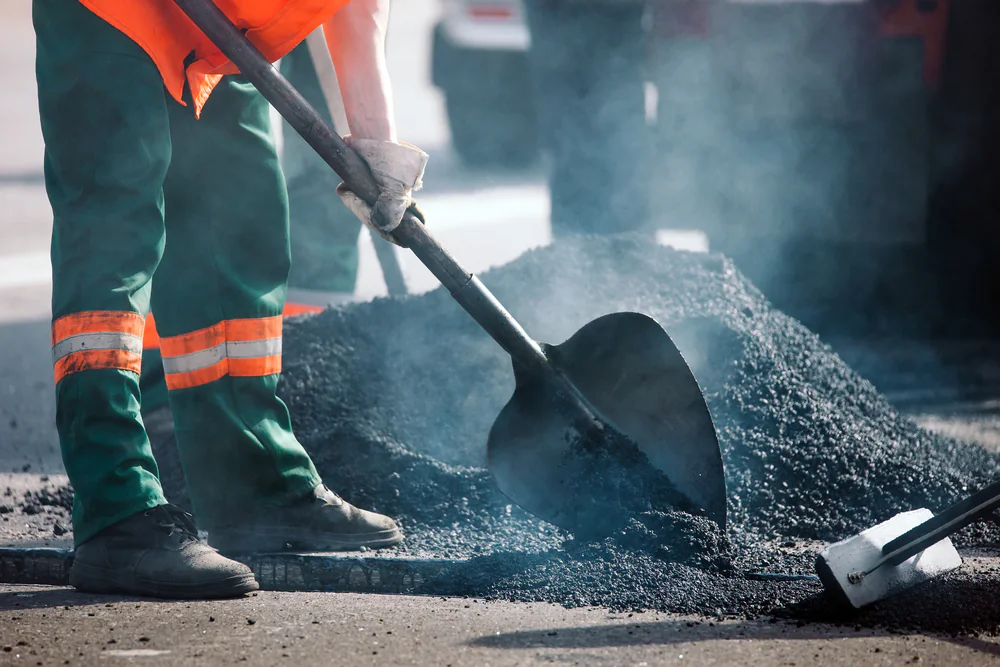
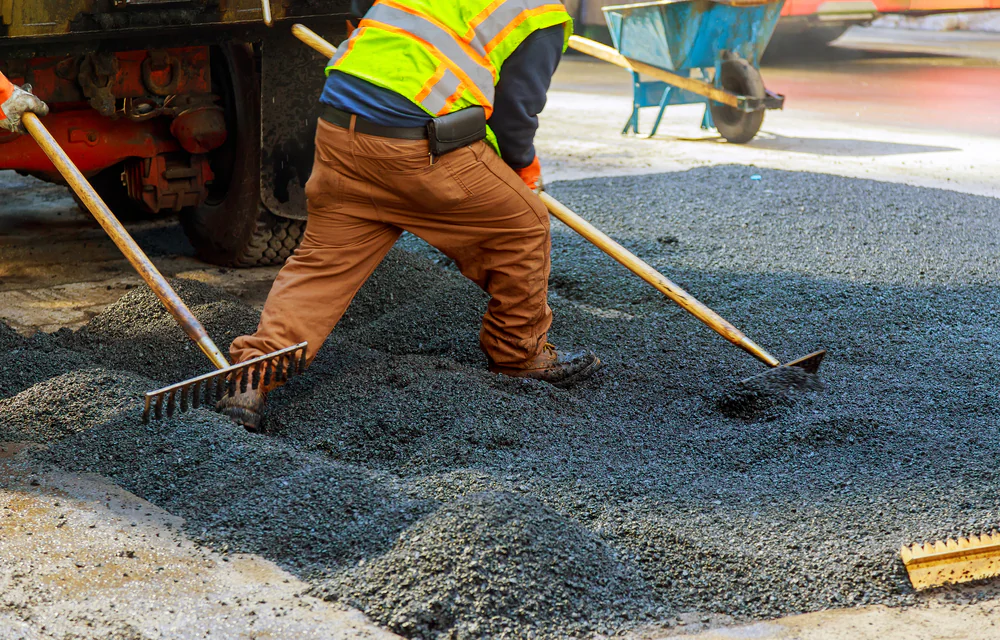
The process starts with removing your existing surface—whether it’s failing asphalt, damaged concrete, or deteriorating pavement. Heavy equipment breaks up and hauls away the old material, leaving a clean slate.
Next comes grading and sloping. This step determines how water moves across your property. Get it wrong, and you’ll deal with pooling, ice patches, and premature failure. Get it right, and drainage becomes invisible—it just works.
The sub-base is where durability actually lives. This compacted foundation supports everything above it and acts as a frost barrier during New Jersey’s freeze-thaw cycles. We proof roll the sub-base with loaded trucks to identify any weak spots before moving forward.
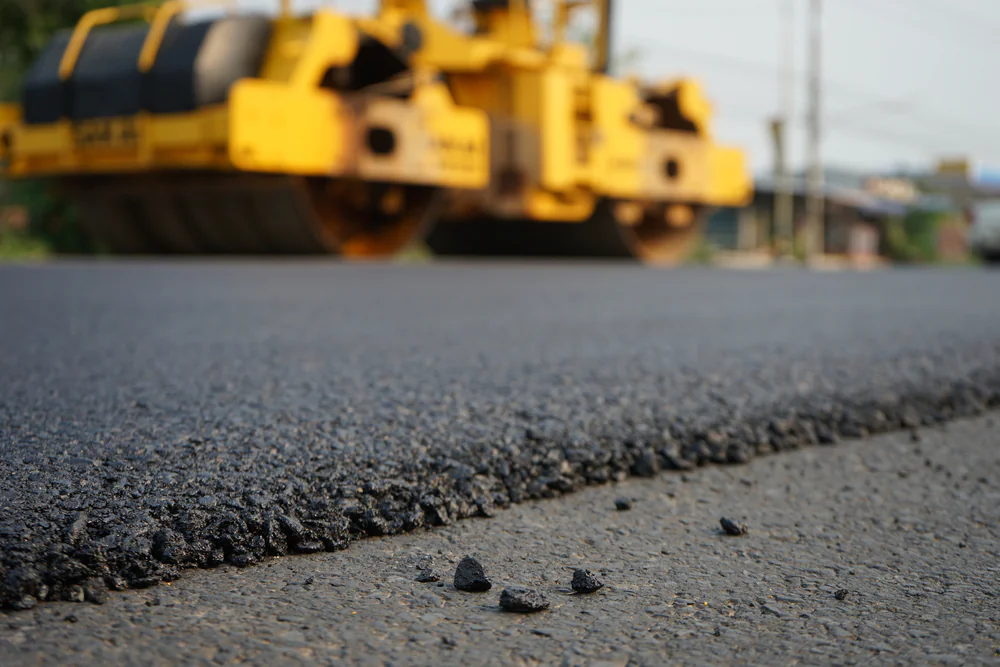
Once the foundation is solid, the binder layer goes down, followed by the surface course. The entire area gets compacted with roller trucks to eliminate bumps and ensure proper density. Joints where new asphalt meets existing surfaces are sealed to prevent water infiltration. The result is a parking lot or commercial surface built to handle Clinton’s weather and your daily traffic load.
Ready to get started?
Commercial paving isn’t just about laying asphalt. It’s about building a system that manages water, handles weight, and maintains safety standards for years.
We handle site evaluation first—assessing soil composition, existing drainage patterns, and any structural concerns. This prevents surprises mid-project and ensures the finished surface performs as expected.
The work includes proper sub-base preparation, which matters more than most property owners realize. Clinton’s commercial properties deal with temperature swings, heavy delivery trucks, and constant traffic. A weak foundation means cracks within months. A properly prepared sub-base means decades of service.
You also get attention to transitions—areas where new pavement meets existing surfaces, curbs, or building entrances. These joints need careful sealing to prevent water from working its way underneath and causing damage you can’t see until it’s expensive.
For Clinton businesses near Main Street, Route 173, or the South Branch Raritan River area, drainage becomes especially important. We design grading and slope to move water away from buildings and prevent pooling in parking areas. We also address ADA compliance for accessible parking spaces and walkways, keeping your property up to code.
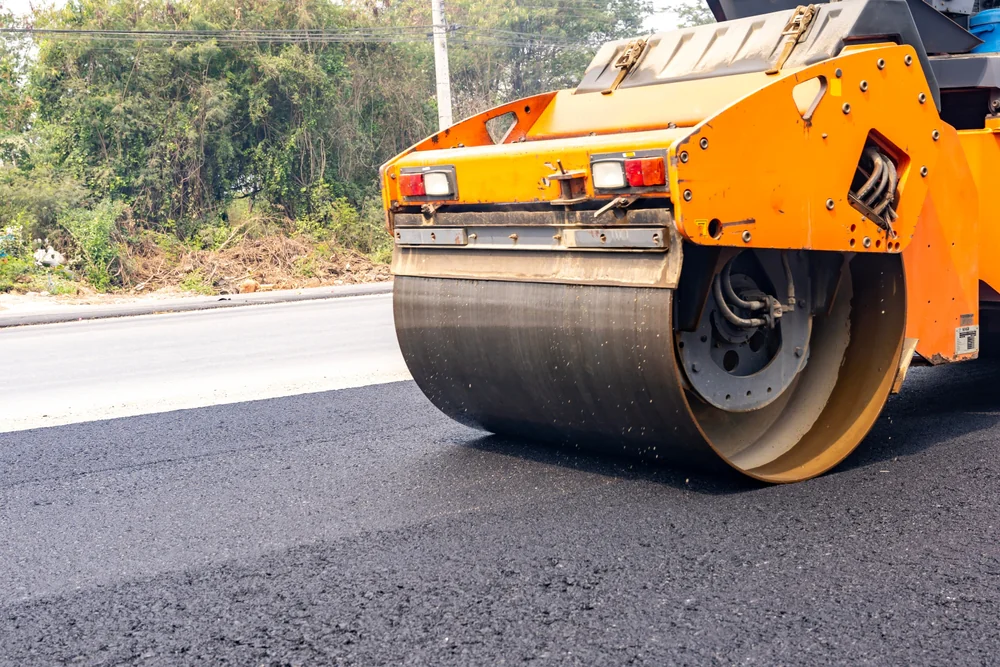
Timeline depends on your parking lot size and scope. A standard commercial parking lot typically takes three to five days from demolition to final compaction. Larger projects or those with complex drainage needs may run longer.
Weather plays a role too. Asphalt needs temperatures above 50 degrees for proper curing and compaction. Spring through fall offers the most reliable conditions in Clinton, though experienced contractors can work within tighter windows when necessary.
The key is planning around your business needs. We focus on one job at a time, which means your project gets completed efficiently without our crew splitting attention across multiple sites. You’ll know the schedule upfront, and communication continues throughout the process so you can plan accordingly.
Water is the biggest culprit. When drainage isn’t designed properly, water pools on the surface or seeps through cracks into the sub-base. In New Jersey, that water freezes and expands during winter, then thaws in spring. This freeze-thaw cycle breaks apart even thick asphalt if the foundation underneath isn’t stable.
Poor sub-base preparation is the other major issue. Some contractors rush this step or skip proper compaction to save time. The surface might look fine initially, but within months you’ll see depressions, cracking, and premature deterioration.
Heavy traffic without adequate base thickness also shortens lifespan. Delivery trucks, snow plows, and constant vehicle weight stress pavement that wasn’t built to handle the load. Clinton’s commercial properties need asphalt designed for their specific traffic patterns—not a one-size-fits-all approach. Proper installation from the start prevents these problems and saves significant money over the pavement’s lifetime.
It depends on the condition of your existing pavement. If the current asphalt has a stable foundation and only surface-level damage, an overlay might work. This involves milling down the top layer and applying new asphalt over the existing base.
However, if you’re dealing with widespread cracking, foundation issues, or drainage problems, complete removal is the better choice. Paving over a failing base just delays the inevitable and wastes money on a temporary fix.
An experienced asphalt contractor can assess your specific situation during a site evaluation. We look at crack patterns, check for soft spots, and evaluate drainage. Clinton’s commercial properties often have unique considerations based on soil conditions and proximity to the Raritan River. We provide honest assessments about whether overlay or full replacement makes sense for your property and budget. The goal is a solution that actually lasts, not just the quickest option.
Maintenance starts with sealcoating, typically applied six months after initial installation and then every two to three years. Sealcoating protects asphalt from UV damage, water penetration, and chemical spills from vehicles. It also refreshes the appearance and extends overall lifespan.
Crack sealing should happen as soon as you notice cracks forming. Small cracks let water infiltrate the sub-base, leading to bigger problems. Addressing them early prevents expensive repairs later. Regular sweeping removes debris that can break down asphalt over time.
Inspect your parking lot twice a year—once after winter and again after summer. Look for new cracks, drainage issues, or areas where the surface is deteriorating. Catch problems early and they’re manageable. Ignore them and you’re looking at major reconstruction. Clinton’s freeze-thaw cycles make proactive maintenance especially important. A little attention now saves significant money and disruption down the road.
Commercial parking lots handle significantly more weight and traffic. Delivery trucks, customer vehicles, and constant use demand thicker asphalt and a more robust sub-base than residential driveways. The base preparation needs to support this load without developing ruts or depressions.
Drainage becomes more complex with larger surface areas. A commercial parking lot needs carefully designed grading and slope to move water efficiently. Standing water creates safety hazards, accelerates deterioration, and looks unprofessional to customers.
Commercial projects also involve ADA compliance, striping, signage, and sometimes specialized features like loading zones or designated parking areas. The installation process is more involved, requiring coordination to minimize business disruption. Clinton’s commercial properties often need phased work so portions of the lot remain operational during installation. This level of planning and execution separates commercial paving from simpler residential projects.
Look for contractors with verifiable local history—not traveling crews who show up in spring claiming to have “leftover asphalt.” Ask for references from other Clinton or Hunterdon County commercial properties and actually call them. Check reviews on platforms like Angie’s List where feedback is verified.
Make sure they’re fully licensed and insured. Ask about their installation process—specifically how they handle sub-base preparation, drainage, and compaction. Contractors who rush through these steps or can’t explain them clearly are red flags.
Pay attention to communication style. Reliable contractors provide clear timelines, answer questions directly, and don’t pressure you into immediate decisions. They should assess your property’s specific needs rather than offering generic solutions. Our approach focuses on treating every project with full crew attention, transparent communication, and custom solutions based on each property’s unique requirements. That level of care and honesty separates contractors who build lasting relationships from those just looking for the next job.
Other Services we provide in Clinton