Your parking lot isn’t just pavement. It’s the first thing customers see when they pull in, and the last thing they remember when they leave. A smooth, well-maintained surface tells them you run a tight operation. Cracks, potholes, and faded striping? That sends a different message entirely.
When your commercial paving is done right, you stop worrying about liability. You stop losing customers to properties that look more put-together. You stop throwing money at patch jobs that don’t hold. Instead, you get years of reliable performance from a surface designed to handle your traffic, your drainage, and New Jersey’s brutal freeze-thaw cycles without falling apart.
That’s what happens when the work is done by people who actually know what they’re doing. No shortcuts. No surprises. Just a parking lot that works the way it’s supposed to, for as long as it’s supposed to.
We bring decades of hands-on experience to every commercial project in Flemington and throughout Hunterdon County. Our roots in asphalt paving go back to 1948, and that kind of longevity doesn’t happen by accident. It happens because the work holds up and the people behind it keep their word.
Every project gets our full crew’s attention—one job at a time. That means when we’re on your property, we’re not splitting focus between three other sites. The owner stays involved in designing solutions that fit your specific layout, drainage needs, and budget. No cookie-cutter estimates. No pressure tactics. Just straight answers and a plan that makes sense for your property.
Flemington businesses need paving contractors who understand local conditions—the winter damage, the summer heat, the commercial traffic patterns. You need someone who’ll show up when they say they will and communicate clearly from estimate to completion. That’s our standard, and it’s been that way for over two decades of serving this community.
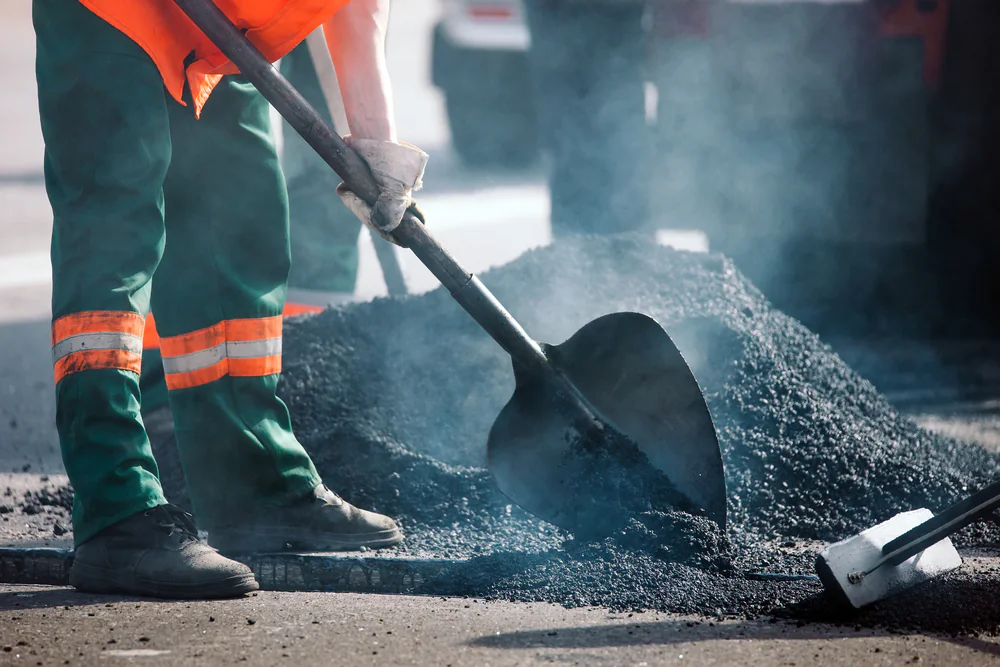
First, the existing surface comes out. Whether it’s deteriorated asphalt, old concrete, or a patchwork of failed repairs, it gets removed completely so the new pavement has a clean foundation to work with. Heavy equipment handles the demolition and hauls away the debris—some of which gets recycled into new asphalt.
Next comes grading. This step determines whether water drains properly or pools up and destroys your pavement from below. We slope and contour the surface so rainwater flows exactly where it needs to go—away from your building, into drainage systems, not sitting in low spots creating potholes six months later.
The sub-base is where the real durability gets built in. This compacted aggregate layer supports everything on top of it and acts as a frost barrier during New Jersey winters. Proper thickness and compaction here prevent the cracking and settling that plague poorly installed lots. A proof roll test confirms the base is solid before any asphalt goes down.
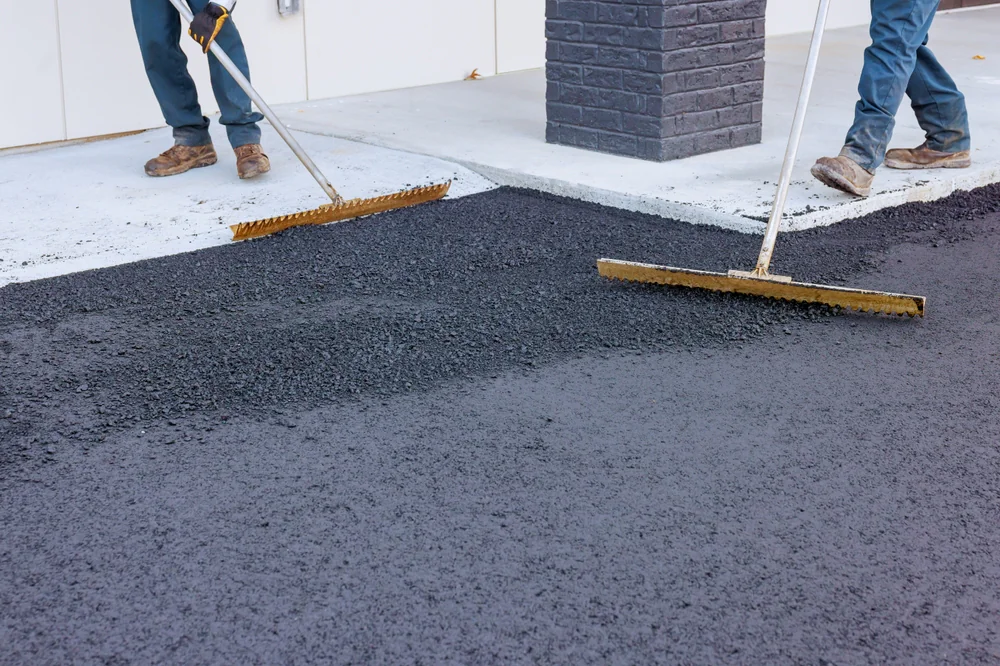
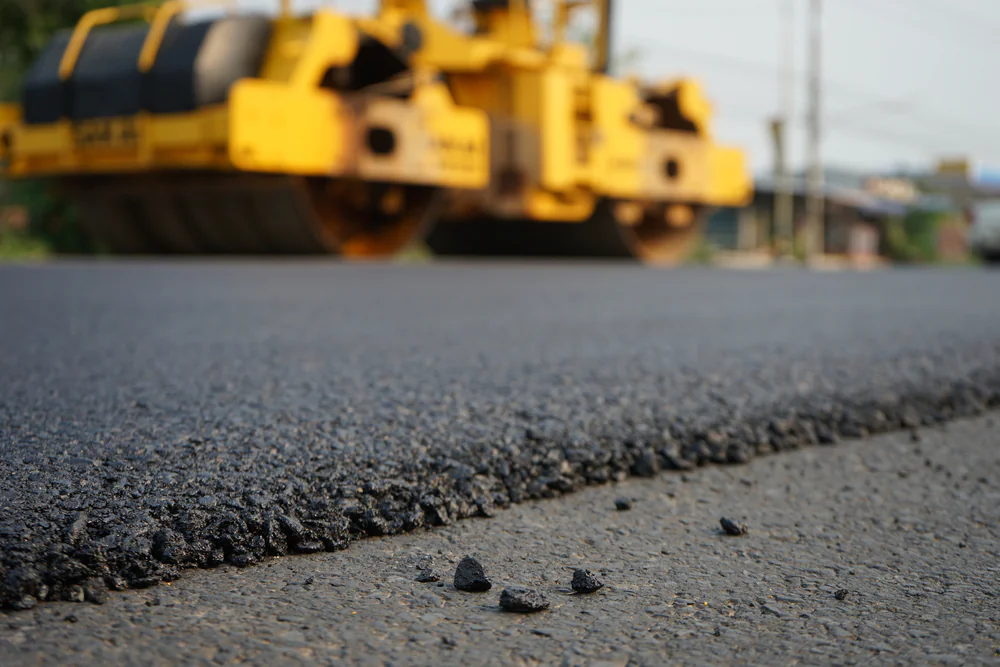
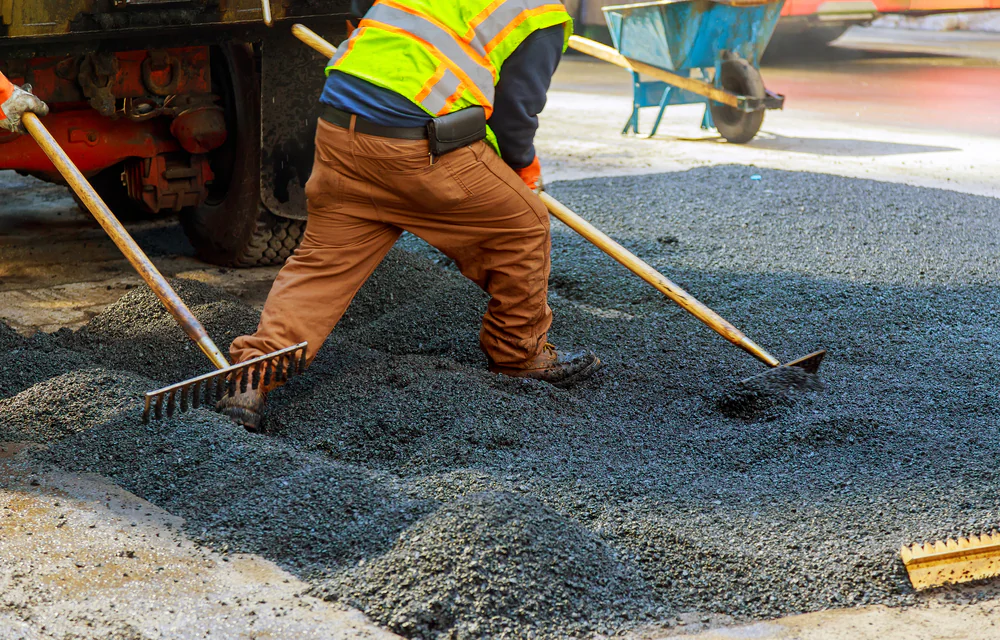
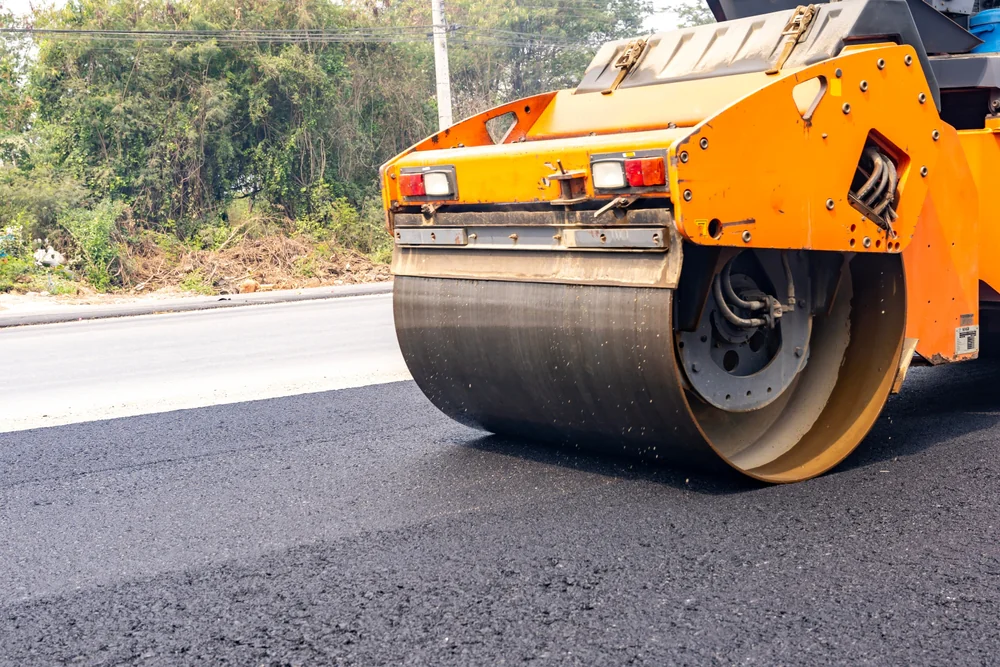
Then the asphalt layers get installed—binder first for strength, then the smooth surface layer. Hot mix asphalt arrives from the plant, gets spread evenly, and is compacted with heavy rollers while it’s still hot. Edges get finished cleanly where the new pavement meets existing surfaces. The final result is a parking lot built to handle your traffic volume and weather conditions for the next 20-plus years.
Ready to get started?
Commercial paving covers everything from small business parking areas to large industrial yards. The scope includes site evaluation, complete removal of old surfaces, precision grading for water management, and installation of a properly engineered sub-base. Both binder and surface asphalt layers get installed to specifications that match your property’s traffic load and use patterns.
In Flemington and across Hunterdon County, commercial properties face specific challenges. The area’s mix of retail spaces, office buildings, industrial facilities, and medical parks means parking lots take different kinds of abuse. A medical office needs smooth accessibility and ADA-compliant spaces. An industrial yard needs pavement thick enough to handle loaded trucks without rutting. Retail centers need layouts that move customer traffic efficiently while looking sharp enough to compete with newer developments.
New Jersey weather makes proper installation even more critical. Freeze-thaw cycles hit hard here—water gets into small cracks, freezes, expands, and turns minor issues into major failures fast. That’s why the sub-base and drainage work matter so much. A parking lot installed without attention to these details might look fine for a year, but it won’t make it five.
Quality commercial paving also means coordinating around your business operations. We schedule work to minimize disruption. Communication stays clear so you know what’s happening and when. We show up on time, work efficiently, and leave the site clean. These aren’t extras—they’re basic professionalism that too many contractors skip.
Timeline depends on the size of your lot and the scope of work, but most commercial parking lot projects take anywhere from a few days to two weeks from start to finish. Smaller business lots might be done in three to five days. Larger facilities with extensive grading or drainage work can take longer.
The process breaks down into phases. Demolition and removal usually take a day or two. Grading and sub-base work take another few days, depending on how much drainage correction is needed. Asphalt installation itself often happens in one or two days, but then the surface needs time to cure before it can handle full traffic loads.
Weather plays a role too. Asphalt needs to be installed at certain temperatures to compact properly, so we schedule projects during suitable conditions. We’ll give you a realistic timeline upfront and keep you updated if anything changes. The key is planning around your business needs so the work causes minimum disruption to your operations.
Patching fixes isolated problem areas—potholes, small sections of failed pavement, localized cracking. It’s a repair, not a replacement, and it works when the overall pavement structure is still sound. We cut out the damaged area, prep the base if needed, and fill it with new asphalt. Patching is cost-effective for spot problems and can extend the life of a parking lot that’s otherwise in decent shape.
Full replacement means tearing out the entire surface and starting over. You do this when the pavement has failed beyond repair—extensive cracking, widespread settling, base failure, or drainage problems that can’t be fixed with surface work. Replacement gives you a completely new parking lot built to current standards with proper grading, a solid sub-base, and fresh asphalt throughout.
The decision comes down to the condition of your existing lot and how much life you need from it. A lot with a few bad spots might get another five years from targeted patching. A lot with structural problems or pervasive deterioration needs replacement. We’ll assess your pavement, explain what’s actually wrong, and recommend the solution that makes sense for your situation and budget—not just the one that costs the most.
Commercial asphalt paving typically runs between three and eight dollars per square foot, depending on the condition of your existing surface, how much grading or drainage work is needed, and the thickness of asphalt required for your traffic volume. A straightforward overlay on a sound base costs less than a complete tear-out and rebuild with extensive site work.
For a 10,000 square foot parking lot, you’re looking at somewhere between $30,000 and $80,000 for full replacement. Smaller lots cost less in total dollars but sometimes more per square foot because mobilization and setup costs get spread over less area. Larger projects can benefit from economies of scale.
What drives cost up? Poor drainage that needs correction. Soft spots in the sub-base requiring extra excavation and material. Thicker asphalt specs for heavy truck traffic. ADA upgrades. Extensive striping and marking. What keeps cost reasonable? A lot in decent shape that just needs resurfacing. Good existing drainage. Straightforward access for equipment. The best way to know what your project will actually cost is to get a detailed estimate based on a site inspection—not a ballpark number over the phone. Our pricing is transparent, with line items explained so you understand exactly what you’re paying for.
Late spring through early fall—roughly May through October—is prime paving season in New Jersey. Asphalt needs warm temperatures to be installed and compacted properly. The mix comes out of the plant hot, around 300 degrees, and needs to stay workable while it’s being spread and rolled. Cold weather causes it to cool too fast, making proper compaction difficult and compromising the finished surface.
Summer offers the most consistent conditions, but it’s also the busiest time for paving contractors. If you’re planning a project, booking early helps you get on the schedule when you need it. Spring and fall can work well too—temperatures are still suitable, and you might have more flexibility with timing.
Winter paving is possible in some situations, but it requires special considerations and isn’t ideal for most commercial projects. If you have urgent repairs that can’t wait until spring, talk to us about options. For planned parking lot work, though, you’re better off scheduling during the warmer months when conditions support quality installation. Planning ahead also gives you time to coordinate the project around your business operations, so the work happens when it’s least disruptive to your customers and daily activities.
Yes, and that maintenance is what determines whether your parking lot lasts 10 years or 30. Even the best installation needs regular attention to protect your investment and prevent small issues from becoming expensive failures. The good news is that routine maintenance is straightforward and far cheaper than premature replacement.
Sealcoating is the big one. This protective coating gets applied every three to five years to shield the asphalt from UV damage, water penetration, and oil spills. It also refreshes the appearance, keeping your lot looking sharp. Crack sealing is another key task—filling small cracks before they spread prevents water from getting into the base and causing bigger problems. Catching cracks early costs pennies per foot. Ignoring them until they turn into potholes costs dollars per square foot to fix.
Drainage maintenance matters too. Keep catch basins clear. Make sure water flows where it’s supposed to. Standing water is asphalt’s enemy. Restriping every few years keeps your lot safe and functional, with clear markings for parking spaces, traffic flow, and ADA compliance. A simple maintenance plan—sealcoating, crack filling, drainage checks, and striping—extends pavement life dramatically and saves you serious money over the long run. Most commercial property owners find that budgeting for regular upkeep is far smarter than letting a parking lot deteriorate and facing a massive replacement bill years earlier than necessary.
Start by looking at the extent and type of damage. Surface-level problems—minor cracking, fading, small potholes in isolated areas—usually mean repairs will handle it. If the pavement is still structurally sound and the base is intact, targeted fixes and maintenance can add years of life. You’re a candidate for repair when less than 25-30% of the surface shows distress.
Replacement becomes necessary when you see widespread failure. Alligator cracking over large areas signals base problems. Extensive settling or heaving means the sub-base has failed. If water pools in multiple spots and drainage issues can’t be corrected without tearing up the lot, replacement makes more sense than endless patching. When repair costs start approaching 50% or more of replacement cost, you’re better off starting fresh.
Age is a factor too. A parking lot that’s 20-plus years old and showing significant wear has probably given you its useful life. At that point, investing in repairs is like putting new tires on a car with a blown engine—you’re throwing money at something that’s fundamentally done. The best approach is to get an honest assessment from us. We’ll walk the lot with you, explain what we’re seeing, and lay out your options with realistic cost estimates for both repair and replacement. Then you can make an informed decision based on your budget, how long you need the pavement to last, and what actually makes financial sense for your property.
Other Services we provide in Flemington