You get a parking lot that doesn’t crack apart after one winter. You get drainage that actually works instead of creating lakes every time it rains. You get a surface smooth enough that customers aren’t dodging potholes on their way to your door.
Proper commercial paving means your property looks professional, functions safely, and holds up under the kind of punishment New Jersey throws at it—freeze-thaw cycles, summer heat, delivery trucks, constant traffic. When the base is prepared correctly and the asphalt is installed with attention to grading and compaction, you’re looking at 15 to 20 years of service instead of emergency repairs in year three.
The difference shows up in your maintenance budget, your liability exposure, and what people think when they pull into your lot. A well-paved commercial property tells customers and tenants you run a tight operation. Cracked, faded asphalt with standing water tells them something else entirely.
We’ve been in the paving business since 1948. That’s not a typo—nearly 80 years of family knowledge about what works in New Jersey and what fails. We handle everything from residential driveways to complex industrial projects, but our approach stays the same: one job at a time, full crew attention, no shortcuts.
Lawrenceville sits in the heart of Mercer County, where commercial properties range from retail centers near Route 1 to office complexes around the Lawrenceville School area. The region’s weather—hot summers, brutal winters, constant moisture—destroys poorly installed pavement faster than almost anywhere else. We know this because we’ve been watching it happen (and fixing it) for decades.
Our philosophy is straightforward: treat every client like the top client, regardless of project size. Find custom solutions for each property’s unique drainage, traffic patterns, and use requirements. Communicate clearly throughout the project. Do the work right so we’re not back fixing it in two years.
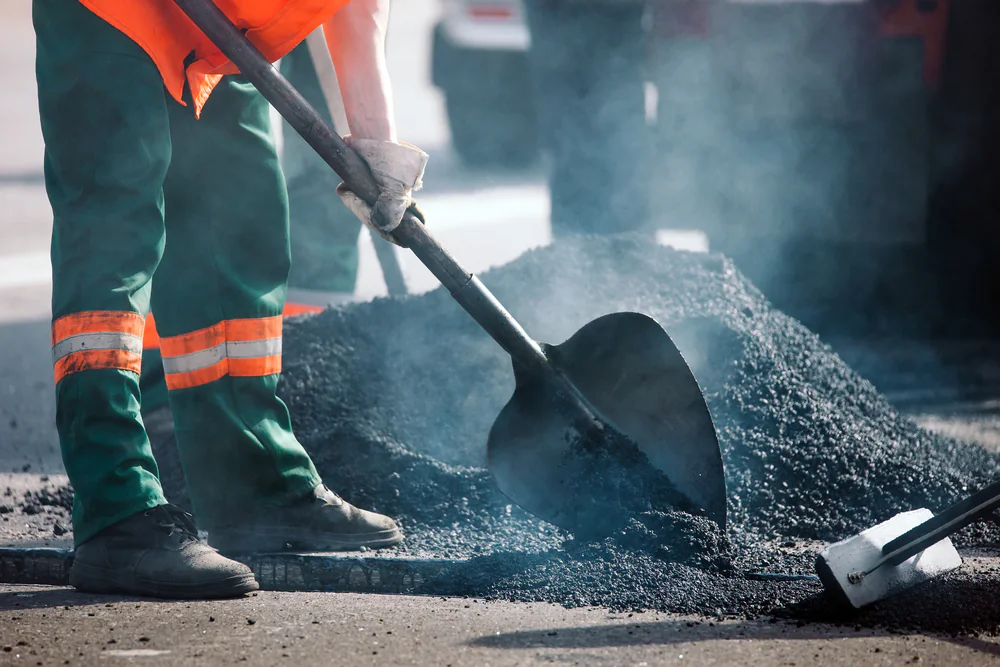
Commercial paving installation starts with evaluation—looking at your existing surface, drainage patterns, soil conditions, and how the property actually gets used. This isn’t a quick walkthrough. It’s figuring out where water needs to go, what kind of traffic load you’re dealing with, and what problems need solving before any asphalt gets laid.
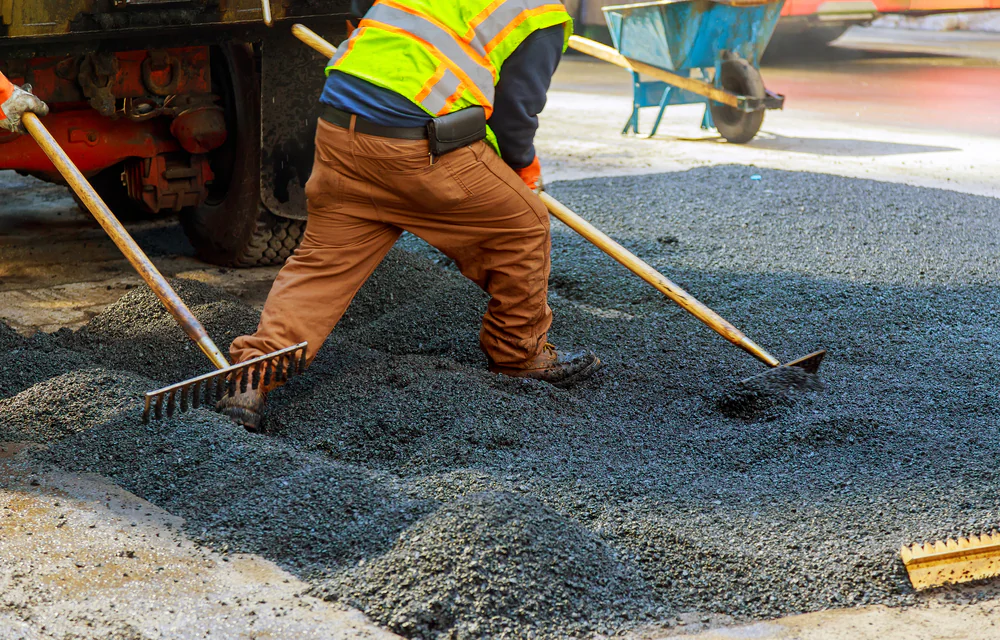
Next comes removal and site prep. Old pavement gets demolished and hauled away. The site gets graded and sloped properly because water is the enemy of asphalt—it needs a clear path off your property, not pooling in low spots where it’ll freeze, expand, and crack everything apart.
The sub-base is where most cheap contractors cut corners, and it’s the most critical part of the whole job. This aggregate layer gets compacted to create a stable foundation that distributes weight evenly and acts as a frost barrier during winter. We proof roll the sub-base to identify any soft spots before moving forward—if the foundation flexes too much under a loaded truck, it gets fixed right then.
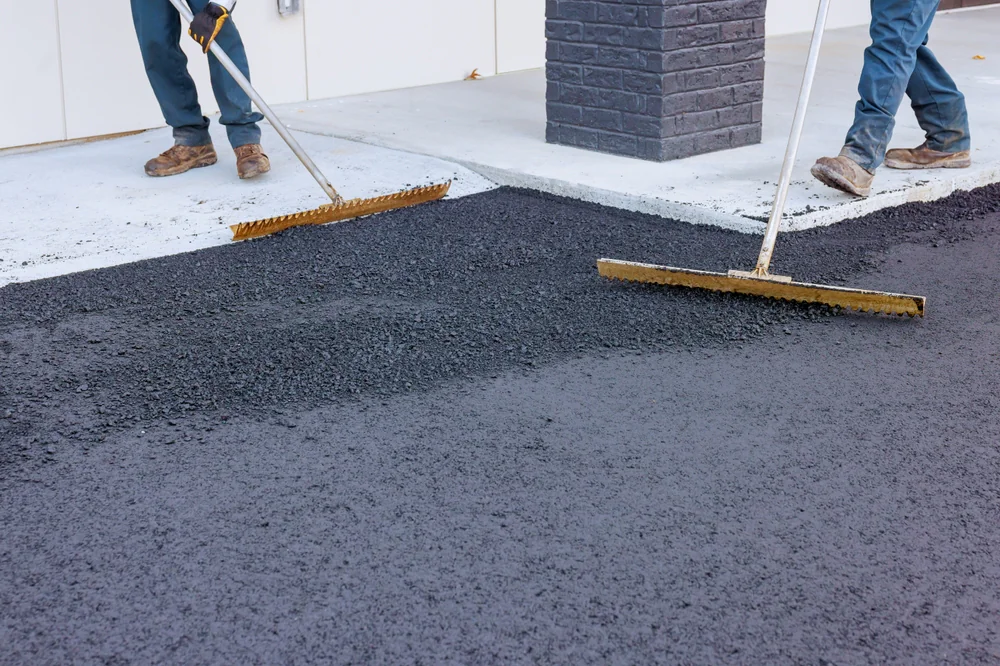
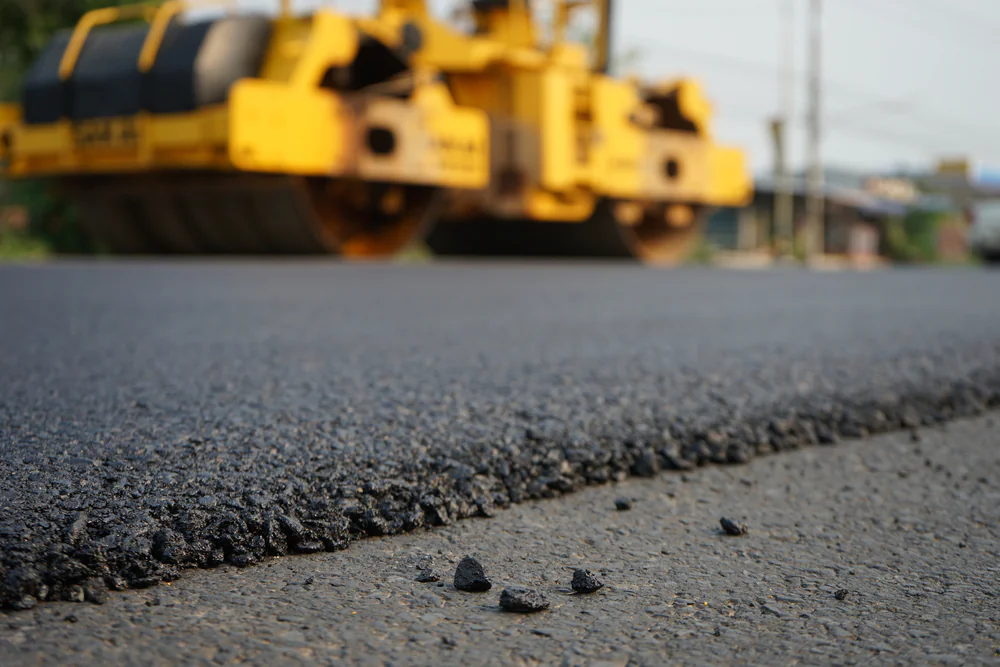
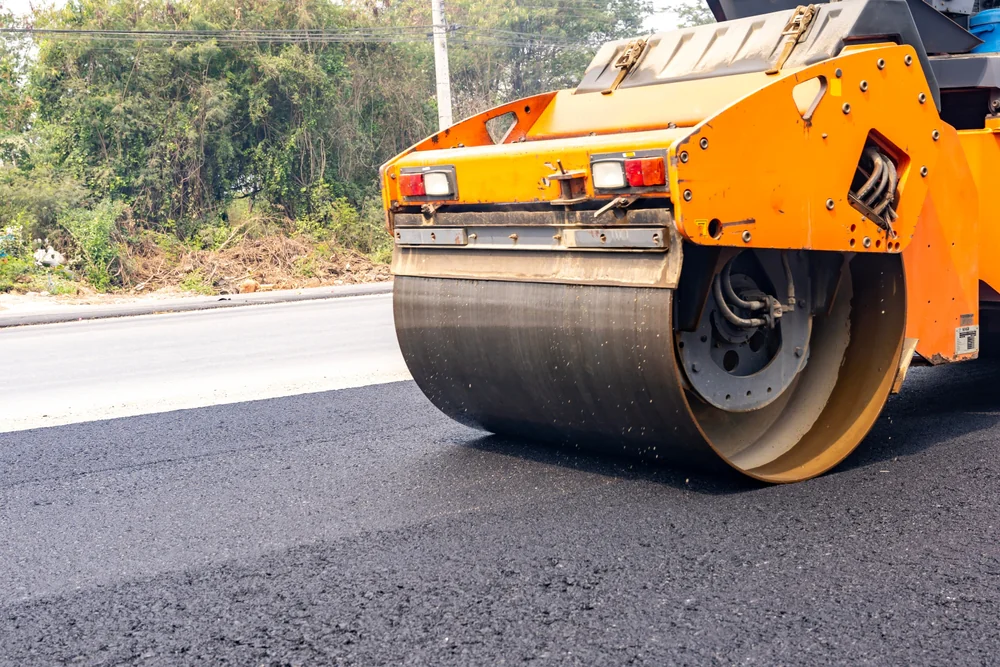
Once the base is solid, the binder layer goes down, followed by the surface asphalt. Everything gets compacted with rollers to eliminate air pockets and create a smooth, dense surface. Butt joints where new asphalt meets existing surfaces get special attention to ensure smooth transitions. Finally, the lot gets striped with ADA-compliant markings, parking spaces, and traffic flow indicators.
The timeline depends on project size, but most commercial parking lot installations in Lawrenceville take several days to a week. You’ll know exactly what to expect before work starts, and our crew stays on-site until it’s done right.
Ready to get started?
Commercial paving from us includes complete site evaluation, professional-grade materials selected for New Jersey’s climate, proper base preparation and grading, quality asphalt installation with attention to drainage and compaction, and ADA-compliant striping and markings. You also get transparent communication throughout the project and a crew that focuses solely on your job until it’s complete.
For Lawrenceville commercial properties specifically, this means addressing the drainage challenges common in Mercer County, where heavy rainfall and poor runoff planning cause premature pavement failure. It means using asphalt mixes that can handle the temperature swings from summer heat that softens surfaces to winter cold that makes everything brittle. It means understanding that a parking lot serving a retail center has different requirements than a loading zone at an industrial facility.
We handle parking lot paving and resurfacing, access roads, loading zones, drive lanes, and industrial paving projects throughout the Lawrenceville area. Our services extend beyond installation to include asphalt repair, crack sealing, sealcoating, and ongoing maintenance that extends your pavement’s lifespan.
New Jersey’s commercial paving requirements include proper drainage to prevent ice buildup and standing water, ADA-compliant access routes and parking spaces to avoid federal fines, and surfaces engineered to handle heavy vehicle loads including delivery trucks and equipment. Lawrenceville properties also need to account for the area’s mix of historic districts and modern commercial development, where transitions between old and new infrastructure require careful planning.
Properly installed commercial asphalt paving lasts 15 to 20 years in Lawrenceville when the base is prepared correctly and you maintain it. New Jersey’s weather is tough on pavement—freeze-thaw cycles in winter cause expansion and contraction, summer heat softens asphalt, and our rainfall levels test drainage systems constantly.
The lifespan depends almost entirely on what happens before the asphalt goes down. If the sub-base isn’t compacted properly or drainage isn’t addressed, you’ll see cracking and failure within a few years regardless of the asphalt quality. If the foundation is solid and water has somewhere to go, your parking lot will handle decades of traffic.
Sealcoating every 2 to 3 years adds significant life by protecting against UV damage, water penetration, and chemical exposure from vehicle fluids. Filling cracks promptly before they turn into potholes also prevents small problems from becoming expensive repairs. Most commercial properties in the Lawrenceville area that stay on top of basic maintenance get the full 20 years or more from their pavement.
The difference shows up in three places: base preparation, material quality, and installation technique. Cheap paving skips proper base work, uses thin asphalt layers, and rushes through compaction. Quality paving addresses drainage, builds a solid foundation, and takes the time to do each step correctly.
Base preparation is where most cost-cutting happens. A proper sub-base requires the right aggregate material, correct thickness for your traffic load, and thorough compaction. Skipping this saves a few hours and some material cost, but it guarantees premature failure. You’ll see depressions, cracks, and potholes within the first year or two as the inadequate base settles unevenly under traffic.
Material quality matters too. Premium asphalt mixes formulated for commercial use and New Jersey’s climate cost more than basic residential blends, but they hold up under heavy loads and temperature extremes. Installation technique—proper grading for drainage, adequate compaction, attention to butt joints and transitions—determines whether your parking lot performs as designed or develops problems immediately.
Cheap paving looks fine for a few months, then falls apart. Quality paving costs more upfront but delivers decades of service without constant repairs. When you’re running a business, the math isn’t complicated.
Commercial parking lots in Lawrenceville typically need a minimum of 3 inches of compacted asphalt over a properly prepared base. High-traffic areas, loading zones, or lots that handle heavy trucks may require 4 to 5 inches depending on the expected load.
The thickness requirement isn’t arbitrary—it’s based on the weight and frequency of traffic your pavement needs to support. A parking lot serving an office building with mostly passenger vehicles has different demands than a distribution center where loaded delivery trucks circle all day. The base layer also plays a role; a thicker, well-compacted aggregate base can support the asphalt better and may allow for slightly thinner paving in some applications.
New Jersey’s freeze-thaw cycles add another consideration. Thinner asphalt is more susceptible to cracking as water penetrates and expands during freezing. The extra thickness provides a buffer against this constant stress. We recommend erring on the side of thicker asphalt for longevity, especially given the cost of premature replacement versus the relatively small additional expense of another inch of material during initial installation.
Disruption happens, but it can be managed through phased work, strategic scheduling, and clear communication with your customers and tenants. Most commercial paving projects in Lawrenceville are planned to minimize impact on your daily operations.
The approach depends on your property layout and business needs. If you have multiple entrances or a large lot, the work can be phased so portions remain accessible while others are under construction. Some businesses schedule paving during slower periods, weekends, or after hours to avoid peak traffic times. Retail properties might tackle the project during off-season, while office complexes often prefer summer when more people work remotely.
Communication is critical. Your customers and tenants need advance notice about the timeline, which areas will be closed, where alternative parking is available, and how long before they can use the new surface. Fresh asphalt needs at least 24 to 48 hours to cure before vehicle traffic, though pedestrians can usually access it sooner with proper precautions.
We work with you to develop a schedule that makes sense for your business. Our crew stays focused on your project until completion rather than bouncing between multiple jobs, which keeps the timeline predictable and minimizes the total disruption period.
Commercial asphalt paving needs sealcoating every 2 to 3 years, prompt crack repair, and periodic cleaning to remove debris that can trap moisture. These basic maintenance steps dramatically extend pavement lifespan and prevent small issues from becoming expensive problems.
Sealcoating protects asphalt from UV rays, water penetration, and chemical damage from vehicle fluids. New Jersey’s weather makes this especially important—summer sun breaks down the asphalt binder, while winter moisture seeps into any surface imperfections and expands when it freezes. The sealcoat creates a protective barrier that slows this deterioration. Most commercial properties in Lawrenceville schedule sealcoating in spring or fall when temperatures are moderate.
Crack filling should happen as soon as you notice cracks forming. Water is asphalt’s enemy, and cracks provide a direct route to the base layer where freeze-thaw damage accelerates. A small crack filled promptly costs almost nothing; the same crack left untreated becomes a pothole that requires expensive patching or even base repair.
Regular sweeping and cleaning prevent debris buildup that traps moisture against the surface. Clear your catch basins and drainage systems to ensure water flows off the pavement as designed. Address any standing water issues immediately—they indicate drainage problems that will only get worse.
Look for contractors with verifiable local history, proper licensing and insurance, and a portfolio of completed commercial projects you can inspect. Avoid anyone offering prices that seem too good to be true or pressuring you to decide immediately based on “leftover materials.”
New Jersey sees an influx of traveling paving crews every spring and summer—unlicensed operators working out of motels who promise bargain prices, do substandard work, and disappear before problems surface. These crews skip proper base preparation, lay asphalt too thin, and have no accountability when the pavement fails. Check that your contractor has a permanent local address, not a P.O. box or out-of-state phone number.
Ask for references from commercial clients and actually call them. Drive by completed projects if possible to see how the pavement has held up. A legitimate contractor will have years of work in the area and won’t hesitate to show it. Verify their insurance coverage and any required licenses—commercial paving in New Jersey requires specific credentials that fly-by-night operators don’t bother obtaining.
Get detailed written estimates that break down the scope of work, materials, timeline, and payment schedule. Be wary of contractors who want large deposits upfront or payment in full before completion. Quality paving companies understand you’re making a significant investment and structure payment around project milestones, not their cash flow needs.
Other Services we provide in Lawrenceville