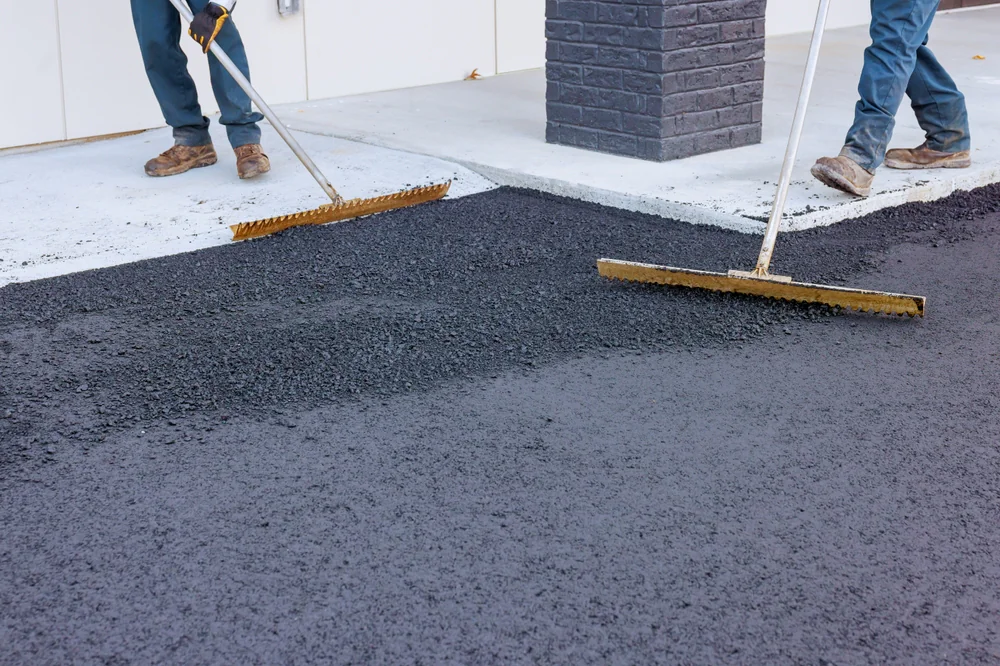
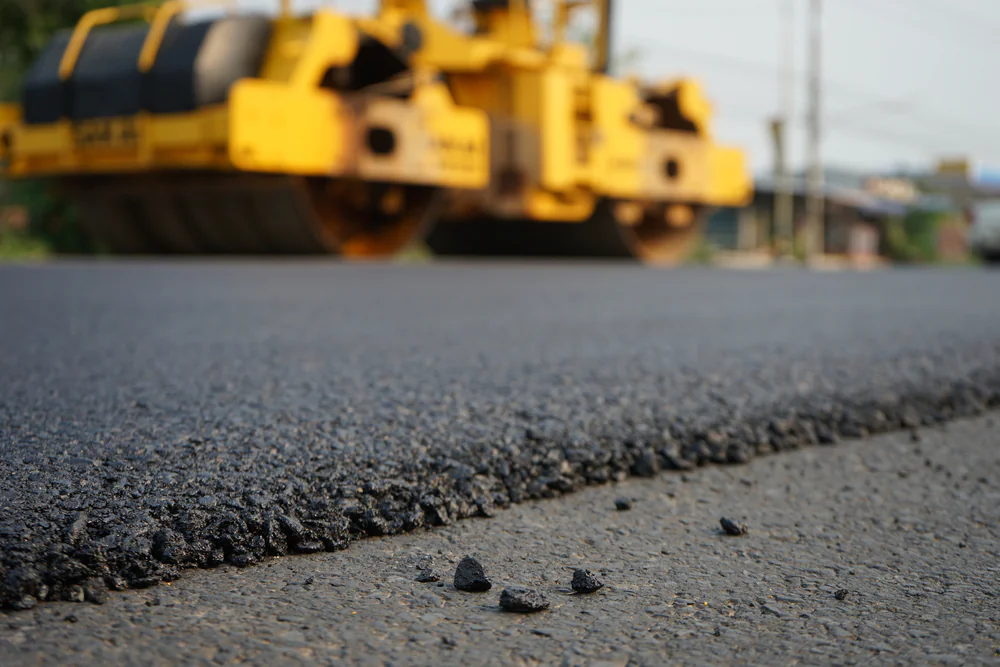
You’re not just getting fresh blacktop. You’re getting a parking lot that stops being a problem.
No more standing water after every rain. No more liability worries from potholes your customers hit. No more patching the same cracks every spring because the base was never fixed properly in the first place.
When commercial paving is done correctly, your property works the way it should. Customers pull in without dodging craters. Deliveries happen without drama. Your maintenance budget goes toward actual improvements instead of emergency fixes.
That’s what proper drainage, the right thickness for your traffic load, and a crew that doesn’t cut corners gets you. A surface that does its job for 20 years instead of needing replacement in five.
We’ve been handling commercial and industrial paving projects in Somerset County since our family got into this business back in 1948. That’s decades of knowing what works and what fails when you’re dealing with New Jersey’s freeze-thaw cycles and heavy commercial traffic.
Here’s how we do jobs: one project at a time, full crew, start to finish. Not bouncing between three sites trying to squeeze everyone in. When our team is working on your Raritan property, that’s where we stay until it’s right.
Raritan’s downtown business district and the commercial properties around Somerset Street need contractors who understand that your parking lot isn’t just pavement. It’s the first thing customers see. It’s where your liability starts. It’s infrastructure that either works or costs you money every month.
First step is figuring out what you’re actually dealing with. That means looking at your existing surface, checking drainage, understanding your traffic patterns, and being honest about whether you need repairs or full replacement. A site visit answers those questions before any equipment shows up.
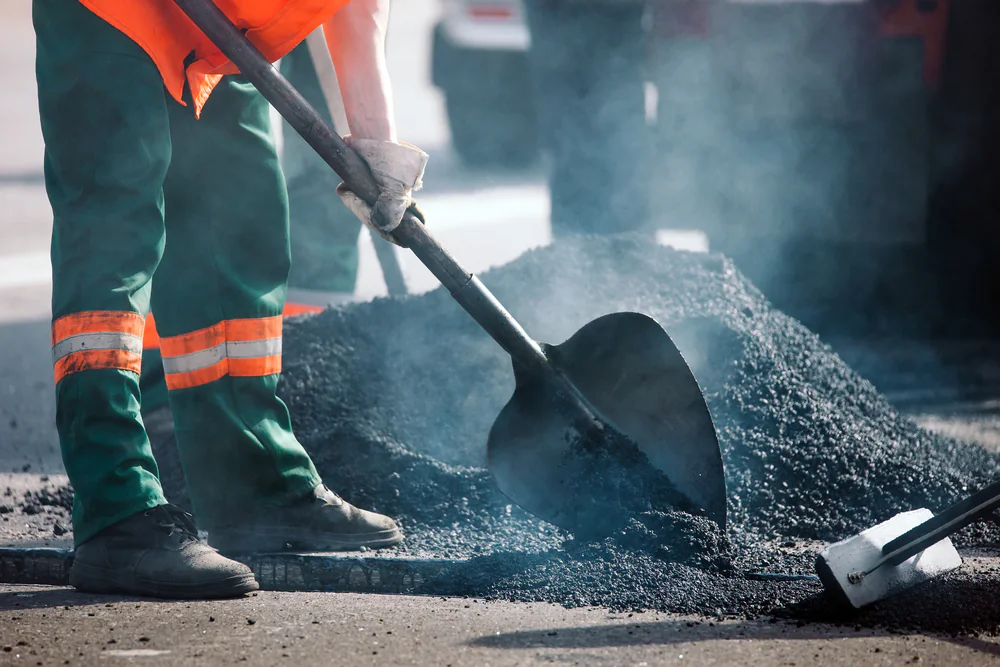
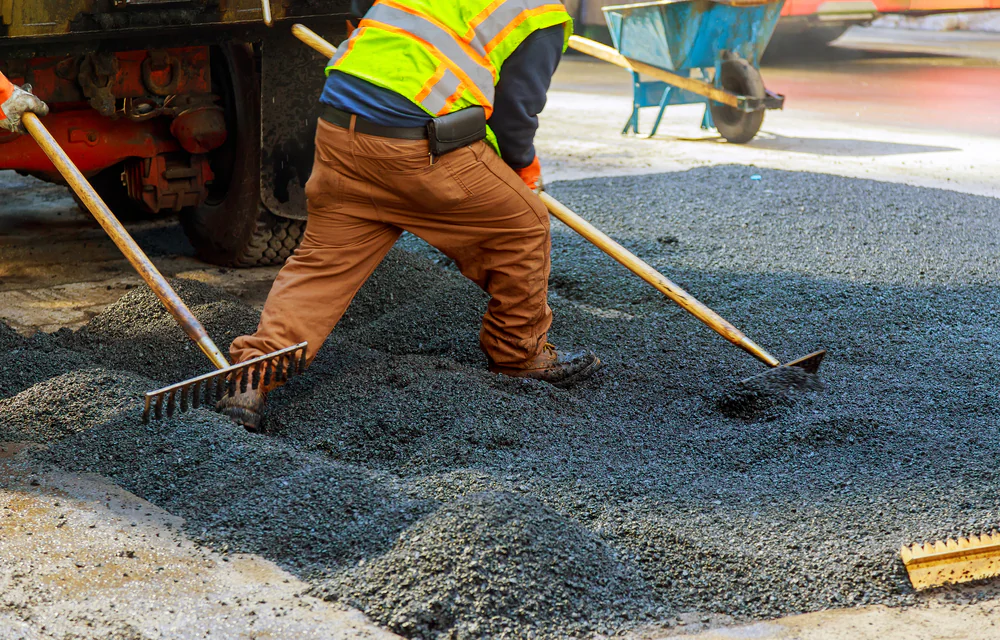
Once the scope is clear, the real work starts with preparation. If your base is compromised, no amount of pretty asphalt on top will save you. The existing surface gets removed if needed. Grading gets corrected. The base gets properly compacted. Drainage gets addressed so water goes where it should instead of sitting on your lot breaking down the pavement.
Then comes the asphalt installation. Commercial properties typically need 4 to 6 inches of asphalt depending on traffic load—thicker than residential because you’re dealing with delivery trucks, not just sedans. Hot-mix asphalt gets laid, compacted with heavy rollers, and finished to the right grade. Striping, ADA-compliant markings, and any final touches happen once the surface cures.
The timeline depends on your property size and complexity, but most commercial parking lots are done within days, not weeks. We schedule around your business hours when possible to minimize disruption.
Ready to get started?
Commercial paving isn’t a one-size-fits-all situation. What a retail plaza needs differs from what an industrial facility requires. Traffic volume, vehicle weight, turning radius, drainage challenges—it all factors into how the job gets done.
For Raritan commercial properties, that means proper base preparation and grading to handle Somerset County’s weather patterns. Water management is critical here. Poor drainage accelerates pavement failure faster than anything else, and with the mix of older properties and new development in Raritan’s business districts, drainage often needs attention before new asphalt goes down.
Thickness matters for longevity. Light commercial traffic can work with 4 inches of asphalt over a solid base. Heavy truck traffic or industrial sites need 6 inches or more. Skimping on thickness to save a few bucks up front means you’re repaving in 5 years instead of 20.
ADA compliance for accessible parking spaces, proper striping for traffic flow, and coordination to keep your business operational during construction—all part of getting commercial paving done right. The goal is a parking lot that handles your daily operations without constant maintenance calls.
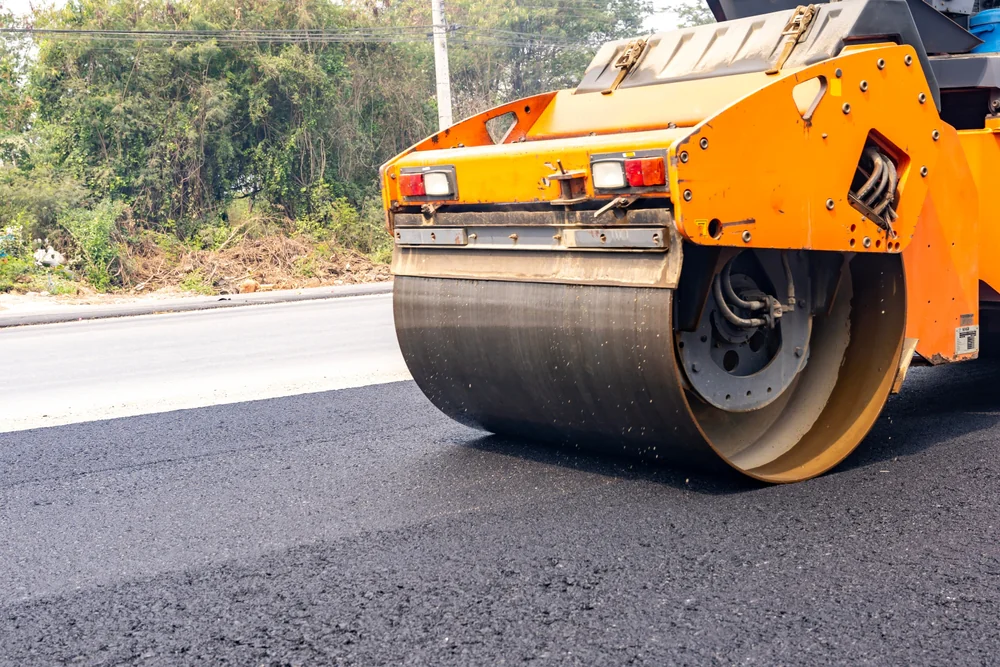
Properly installed commercial asphalt typically lasts 20 to 30 years with regular maintenance. That’s not a guarantee—it’s what happens when the base is solid, drainage works correctly, and you’re not skipping sealcoating every few years.
New Jersey’s freeze-thaw cycles are tough on pavement. Water gets into cracks, freezes, expands, and breaks things apart. If your parking lot was installed without proper drainage or with a weak base, you might see failures in 5 to 10 years regardless of the asphalt quality.
Maintenance extends life significantly. Sealcoating every 2 to 3 years protects against UV damage and water infiltration. Crack sealing when fissures first appear prevents small problems from becoming structural failures. Regular inspections catch issues early when fixes are cheap instead of waiting until you need full replacement.
Repairs make sense when damage is localized—a few cracks here, a pothole there, surface wear in specific areas. If less than 30% of your parking lot needs attention and the base is still solid, patching and resurfacing can buy you several more years at a fraction of replacement cost.
Replacement becomes necessary when the base has failed, when cracks are widespread, or when you’re patching the same spots repeatedly because the underlying structure is shot. If water pools consistently, if the surface is uneven from settling, or if you’re looking at repairs that cost nearly as much as starting over, replacement is the smarter investment.
A core test can determine base condition. That involves drilling down to see what’s actually happening below the surface. Sometimes what looks like minor surface damage is really a failed base that needs complete reconstruction. Other times what looks terrible is just surface wear over a solid foundation that can be resurfaced. The only way to know for sure is proper assessment before deciding.
Commercial asphalt paving in New Jersey typically runs $3 to $8 per square foot installed, but that range is almost meaningless without knowing your specific situation. A simple overlay on an existing lot in good condition hits the lower end. Full-depth replacement with extensive drainage work and base repair hits the higher end.
Your actual cost depends on several factors: current condition of the existing surface, how much excavation and base work is needed, thickness requirements based on your traffic load, site accessibility for equipment, and any drainage improvements necessary. A 10,000 square foot parking lot might cost $30,000 to $80,000 depending on those variables.
The cheapest bid isn’t always the best value. Contractors who skip proper base preparation or use thinner asphalt than your property needs will give you a lower number up front, then you’re repaving in a few years. A detailed written estimate that breaks down materials, labor, site prep, and drainage work tells you what you’re actually getting for your money. That’s worth more than a vague low-ball quote that doesn’t explain what’s included.
Most commercial paving projects can be phased to keep your business operational, though it requires more planning and coordination. The approach depends on your property layout, parking capacity, and customer traffic patterns.
Common strategies include working in sections—paving half the lot while the other half stays open, then switching. Night or weekend work when your business is closed. Temporary access routes and parking arrangements for customers and deliveries during construction. The key is discussing your operational needs up front so the project schedule accounts for them.
Some disruption is usually unavoidable. Heavy equipment needs space to work. Fresh asphalt needs time to cure before vehicles can use it—typically 24 to 48 hours depending on weather and asphalt type. But complete closure for days or weeks isn’t necessary for most parking lot projects if the contractor plans properly.
Timeline matters too. A well-coordinated commercial paving project might take 3 to 5 days for a typical parking lot, with much of that being prep work and curing time rather than active construction. Rushed jobs or poor planning stretch timelines and increase disruption, which is why scheduling and communication before work starts matter as much as the actual paving.
Sealcoating every 2 to 3 years is the big one. It protects asphalt from UV rays, water penetration, and chemicals like oil and gasoline that break down the surface. Sealcoating costs a fraction of repaving and can double your pavement’s lifespan if done consistently.
Crack sealing should happen as soon as cracks appear, not when they’ve spread into networks across your lot. Small cracks are cheap and easy to fill. Large cracks that have allowed water into the base require expensive repairs. Catching them early is the difference between a $500 fix and a $5,000 problem.
Regular inspections identify issues before they become emergencies. Look for standing water after rain—that indicates drainage problems. Check for potholes, especially after winter. Keep the surface clean of debris that can trap moisture. Address oil spills promptly since petroleum products damage asphalt.
Drainage maintenance prevents bigger problems. Keep catch basins clear. Make sure water flows off the lot instead of pooling. Poor drainage accelerates pavement deterioration faster than traffic or weather, so maintaining proper water management protects your entire investment. Commercial properties with heavy traffic should inspect quarterly and address any issues immediately rather than waiting for annual maintenance.
Most commercial paving projects in Raritan require permits, especially if you’re doing new construction, changing drainage patterns, or altering traffic flow. Repaving an existing parking lot in the same footprint might have simpler requirements, but you still need to check with the borough before work starts.
The Raritan Planning Board reviews site plans for commercial properties. If your paving project involves changes to property layout, drainage systems, or accessibility features, expect site plan review requirements. ADA compliance for parking spaces and walkways is mandatory and gets checked during permitting.
Permit costs and timelines vary based on project scope. Simple resurfacing might get approved quickly with minimal fees. Major parking lot reconstruction with drainage improvements takes longer and costs more in permit fees. But skipping permits creates bigger problems—you could face stop-work orders, fines, or requirements to tear out completed work that doesn’t meet code.
We can handle permit coordination as part of the project. That includes submitting plans, dealing with borough offices, and ensuring the work meets local codes. It adds some time to the front end of the project but prevents expensive surprises later. Commercial property owners should factor permit timeline into their project schedule—typically a few weeks for approval depending on the complexity.
Other Services we provide in Raritan