Your parking lot does more than hold cars. It’s the first thing customers see when they pull in. Cracked asphalt and faded lines make your business look neglected before anyone walks through the door.
Quality commercial paving changes that. A properly installed parking lot handles heavy traffic, drains water where it should, and holds up through New Jersey’s freeze-thaw cycles without crumbling. You’re not patching potholes every spring or explaining to customers why your lot looks rough.
The difference isn’t just appearance. When your asphalt contractor does the job right—proper base prep, correct thickness, strategic grading—you get 15 to 25 years of performance instead of emergency repairs in three. That’s fewer headaches, lower long-term costs, and a property that actually looks like you care about it.
Productive Asphalt has roots in the paving industry dating back to 1948. That’s not a tagline—it’s generations of knowledge about what works in this region and what doesn’t. We handle everything from small business lots to large industrial projects, and we approach every job the same way: one project at a time, full attention, no shortcuts.
Ringoes businesses don’t need a contractor who’s juggling five jobs and rushing yours to get to the next one. You need someone who shows up, does what they said they’d do, and treats your property like it matters. Our philosophy is simple: every client is the top client. That means personalized service, transparent communication, and solutions designed for your property—not a generic package that kind of fits.
Our reputation is built on five-star reviews and repeat customers who know they can count on honest work. If you’re looking for a paving contractor in Ringoes, NJ who won’t disappear mid-project or sell you services you don’t need, this is it.
Most business owners don’t know what goes into paving installation—and that’s fine. But understanding the process helps you spot contractors who cut corners.
First, the site gets evaluated. That means checking drainage, measuring the area, and figuring out what prep work is needed. If your existing lot is failing, there’s usually a reason—poor grading, weak base, or water damage. We identify the actual problem instead of slapping asphalt over a mess.
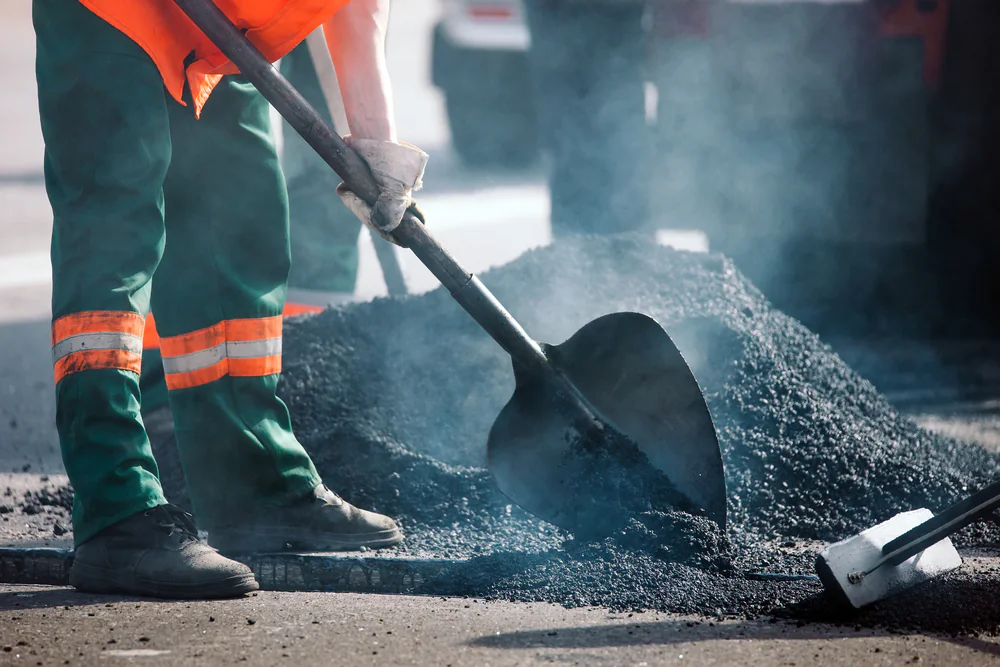
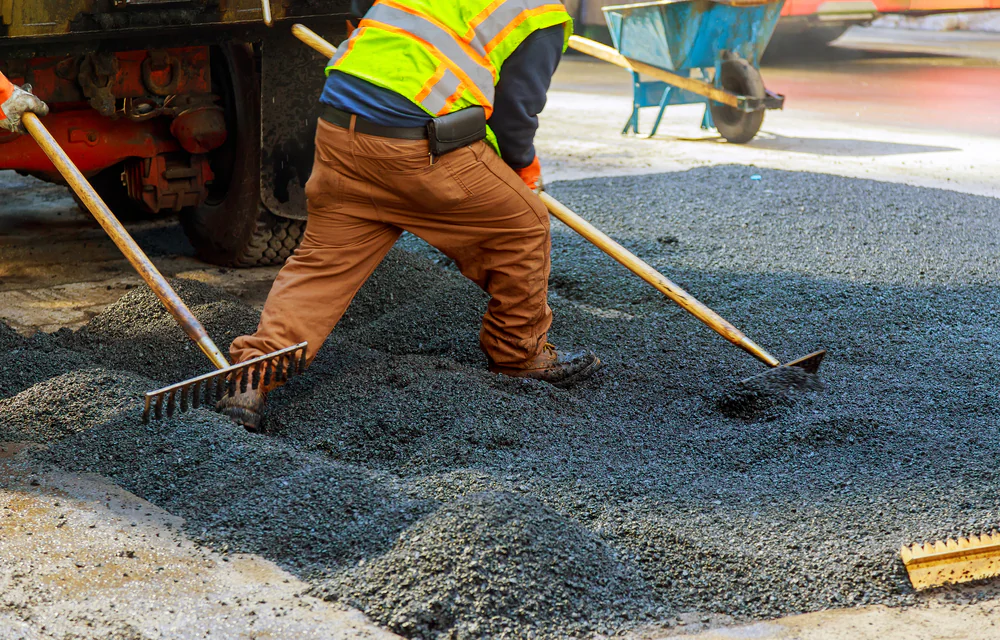
Next comes site prep. Old pavement gets removed if necessary. The ground is graded so water flows away from buildings and doesn’t pool. A solid base layer goes down—this is the foundation that supports everything above it. Skip this step or do it cheap, and your new asphalt will fail early.
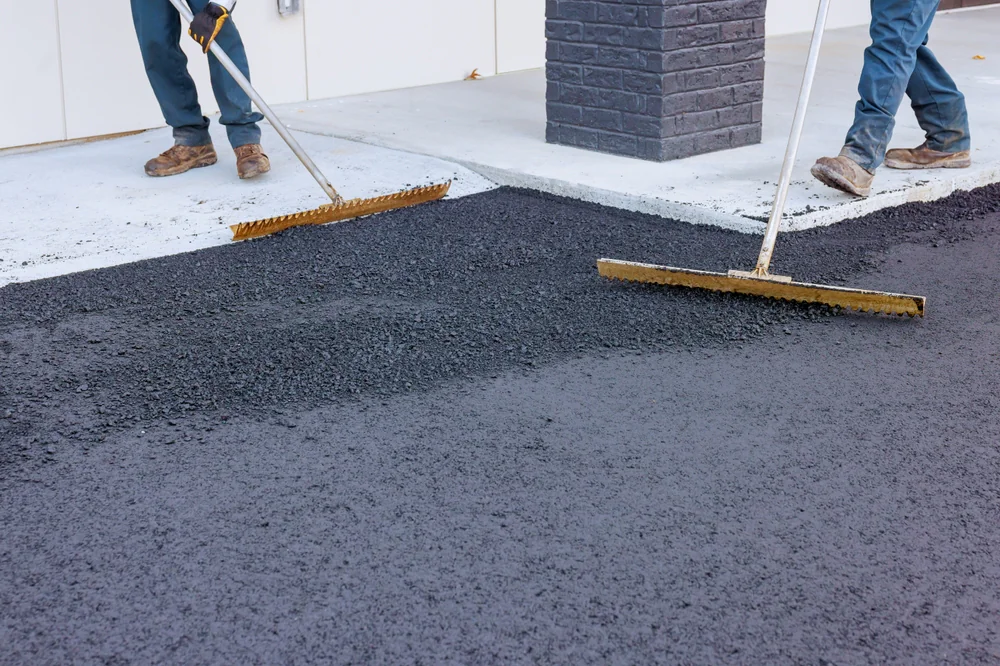
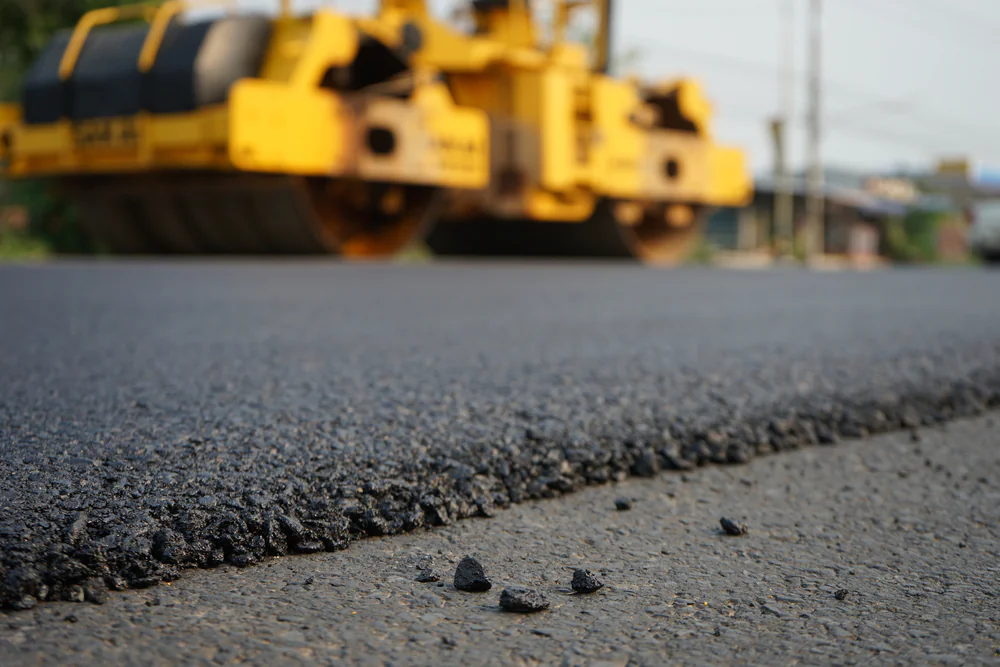
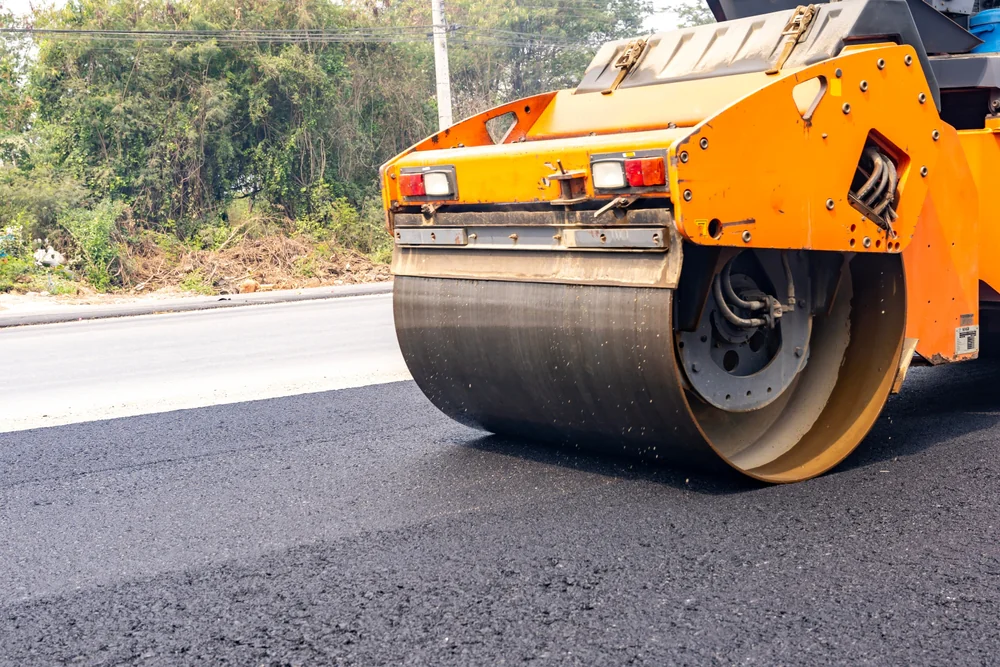
Then the asphalt gets laid. Hot-mix asphalt is applied in layers, compacted with heavy rollers, and shaped for proper slope. Thickness matters here—commercial lots need enough depth to handle truck traffic and daily use without cracking under pressure.
Finally, the surface cools, lines get painted, and ADA-compliant markings go in. You’re left with a lot that’s safe, functional, and built to last. The whole process is coordinated to minimize disruption—phased work or off-hours scheduling keeps your business running while the job gets done.
Ready to get started?
When you hire a paving company in Ringoes, NJ, you should know exactly what you’re getting. Our commercial paving services cover the full scope: parking lot paving, industrial access roads, loading zones, and water management solutions. Every project includes site evaluation, proper grading, base installation, asphalt application, and final striping.
Ringoes sits in Hunterdon County, where properties deal with New Jersey’s weather extremes. Freeze-thaw cycles are brutal on poorly installed asphalt. Water seeps into cracks, freezes, expands, and tears the surface apart. That’s why proper drainage and grading aren’t optional—they’re what separates a lot that lasts from one that fails.
For commercial properties, ADA compliance is non-negotiable. We handle accessible parking spaces, ramp slopes, and signage to meet federal and local standards. You’re not guessing whether your lot is up to code—it’s built right from the start.
Maintenance matters too. Even the best paving needs attention over time. Sealcoating every few years protects the surface. Crack filling prevents small issues from becoming big problems. We provide clear guidance on what your lot will need and when, so you’re not caught off guard by unexpected repairs.
The goal isn’t just to pave your lot and move on. It’s to deliver a surface that performs for decades, looks professional, and doesn’t create problems down the road. That’s what quality commercial paving should do.
Commercial paving typically costs between $3 and $8 per square foot, but that range depends on your specific project. Site conditions matter—if your lot needs extensive grading, drainage work, or removal of old pavement, costs go up. Asphalt thickness matters too. Light traffic areas can use thinner layers, but lots with heavy trucks or constant use need more depth to avoid premature failure.
A 10,000-square-foot parking lot might run anywhere from $30,000 to $80,000 depending on prep work and complexity. That sounds like a big range, and it is—because every property is different. We provide transparent estimates based on what your lot actually needs, not a generic price that doesn’t account for reality.
The cheapest bid isn’t always the smartest choice. Contractors who cut corners on base prep or use substandard materials deliver lots that crack and fail within a few years. Then you’re paying for repairs or full replacement much sooner than you should. Quality installation costs more upfront but saves money over the life of the pavement.
A properly installed commercial parking lot lasts 15 to 25 years with regular maintenance. That’s not a guarantee—it’s what happens when the job is done right and you take care of the surface over time. Poor installation, skipped maintenance, or drainage problems can cut that lifespan in half.
The key factors are base quality, asphalt thickness, and how well water drains. If the base layer is weak or improperly compacted, the asphalt above it will crack and shift. If water pools on the surface or seeps into the sub-base, freeze-thaw cycles will destroy the pavement. New Jersey winters are tough on asphalt, so proper grading and drainage aren’t optional.
Maintenance extends life significantly. Sealcoating every two to four years protects the surface from UV damage and water penetration. Filling cracks early prevents them from spreading. Ignoring small problems turns them into expensive failures. We walk you through what your lot will need and when, so you’re not guessing about upkeep.
Not if your paving contractor plans the work properly. Professional crews can phase the project—paving one section at a time so customers and employees still have access. Off-hours scheduling is another option. Many commercial lots get paved overnight or on weekends to avoid disrupting business operations during peak hours.
The timeline depends on the size and scope of your project. A small lot might take two to three days. Larger properties with extensive prep work take longer. We coordinate the schedule around your needs, not the other way around. You’ll know exactly when crews arrive, what areas will be closed, and how long each phase takes.
Communication is critical here. You shouldn’t be surprised by blocked entrances or unexpected delays. We keep you updated throughout the project so you can plan accordingly. The goal is to deliver a quality parking lot without creating chaos for your business. That takes experience, coordination, and a crew that actually cares about minimizing disruption.
Resurfacing means removing the top layer of asphalt and replacing it with a new surface. It’s a good option if your base is still solid but the top layer is worn, cracked, or faded. Resurfacing costs less than full-depth paving and takes less time. You’re essentially giving your lot a new top coat without tearing everything out.
Full-depth paving involves removing all existing pavement, addressing the base layer, and installing new asphalt from the ground up. This is necessary when the base has failed, drainage is wrong, or the existing structure can’t support the load anymore. It’s more expensive and time-consuming, but it fixes underlying problems instead of covering them up.
How do you know which one you need? We evaluate your lot and tell you honestly. If resurfacing will give you another 15 years, there’s no reason to do full-depth work. But if your base is compromised or water damage has weakened the structure, resurfacing is just a temporary bandaid. You’ll end up paying for full-depth paving eventually—might as well do it right the first time.
Yes. If your business is open to the public, your parking lot must meet ADA accessibility standards. That includes designated accessible parking spaces, proper signage, correct slope on ramps and pathways, and compliant striping. Non-compliance isn’t just a legal risk—it prevents customers with disabilities from accessing your business.
ADA requirements specify how many accessible spaces you need based on total lot size, where those spaces should be located, and what dimensions they must meet. Ramps and pathways have maximum slope requirements to ensure wheelchair accessibility. Signage must be visible and properly placed. These aren’t suggestions—they’re federal regulations.
We handle ADA compliance as part of every commercial paving project. We know the requirements and build them into the design from the start. You’re not guessing whether your lot meets code or scrambling to fix violations after the fact. It’s done right the first time, so you can focus on running your business instead of worrying about compliance issues.
Even the best parking lot needs maintenance to reach its full lifespan. Sealcoating is the big one—it protects asphalt from UV damage, water penetration, and chemical spills. Most lots should be sealcoated every two to four years depending on traffic and weather exposure. It’s not expensive, and it significantly extends pavement life.
Crack filling is another critical task. Small cracks let water seep into the base layer, where freeze-thaw cycles cause major damage. Filling cracks early stops them from spreading and prevents costly repairs down the road. This should be done as soon as cracks appear, not after they’ve turned into potholes.
Regular cleaning helps too. Debris, oil, and chemicals break down asphalt over time. Sweeping your lot and addressing spills quickly keeps the surface in better shape. Line striping fades with traffic and weather, so repainting every few years keeps your lot looking professional and ensures clear traffic flow.
We provide clear maintenance guidance after your lot is paved. You’ll know what to watch for, when to schedule sealcoating, and how to handle minor issues before they become major problems. Proper maintenance isn’t complicated, but it makes the difference between a lot that lasts 15 years and one that lasts 25.
Other Services we provide in Ringoes