You’re not just getting fresh asphalt. You’re getting a surface that handles the freeze-thaw cycles, the downpours, the delivery trucks, and the daily wear without cracking apart in three years.
Proper drainage means no more standing water turning into potholes by winter. A solid base means the pavement doesn’t sink or shift under weight. Clean striping means your lot stays organized, accessible, and compliant.
When the work’s finished, you’ve got a parking lot that makes your property look professional, keeps customers safe, and doesn’t demand constant repairs. That’s what happens when the foundation, grading, and installation are handled correctly from the start.
We have roots in this industry going back to 1948. That’s three-quarters of a century of understanding what works, what fails, and what New Jersey properties actually need.
We focus on one job at a time. Not juggling five sites and spreading crews thin—one project gets full attention until it’s done right. That approach has earned us five-star reviews and repeat business from property owners who’ve seen the difference firsthand.
Robbinsville’s commercial landscape has grown significantly, from the Matrix Business Park housing major employers like Amazon and McKesson to the retail centers and office complexes throughout the township. We serve these properties with the same straightforward, no-nonsense approach: honest communication, personalized solutions, and work that holds up year after year.
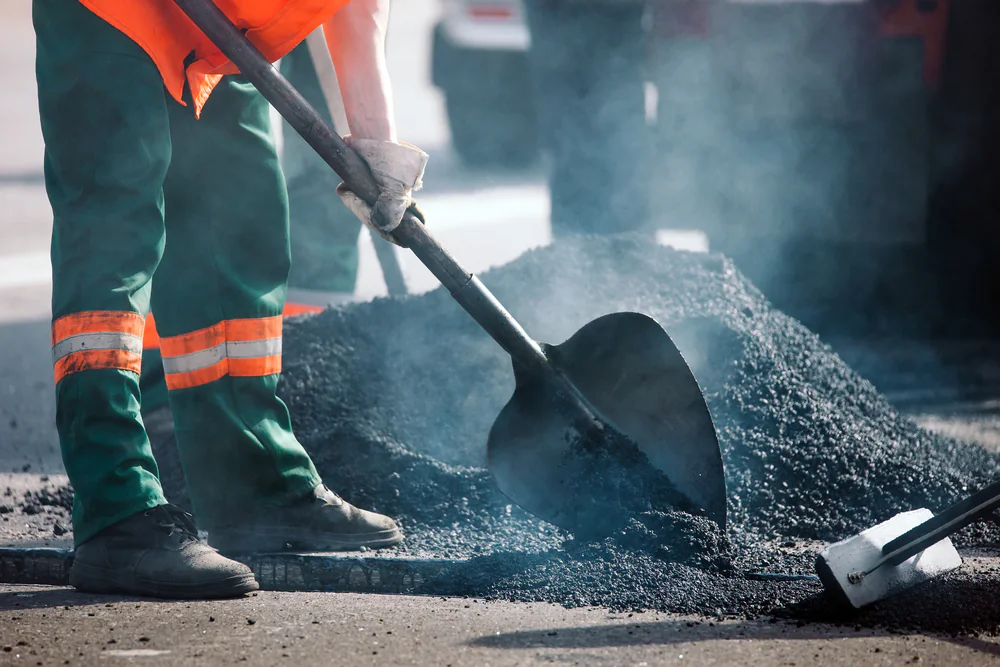
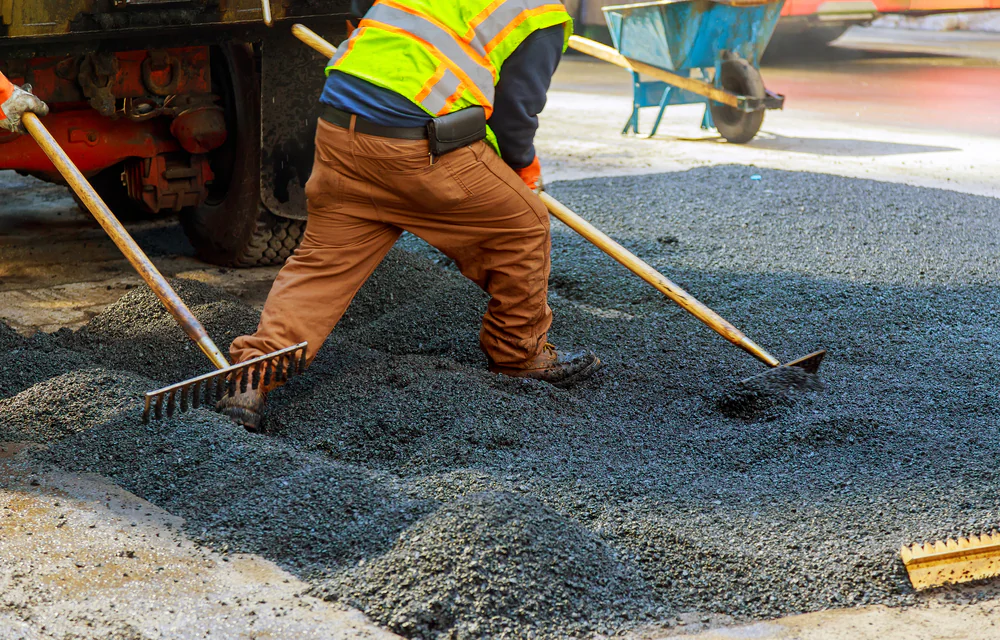
First, the existing surface gets removed if needed—old asphalt, damaged concrete, whatever’s there that won’t support new pavement. The site gets graded and sloped so water drains away from buildings and doesn’t pool in low spots.
Next comes the base layer. This is crushed stone, compacted properly to create a stable foundation. Skimp here and you’ll have problems in two years. Do it right and your pavement has the support it needs to handle weight and weather.
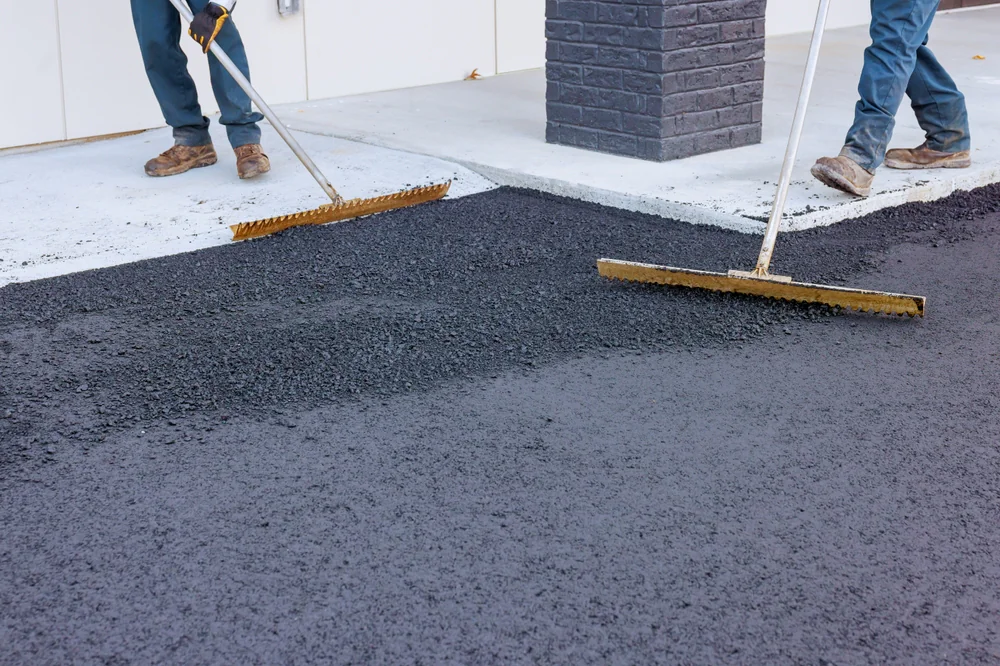
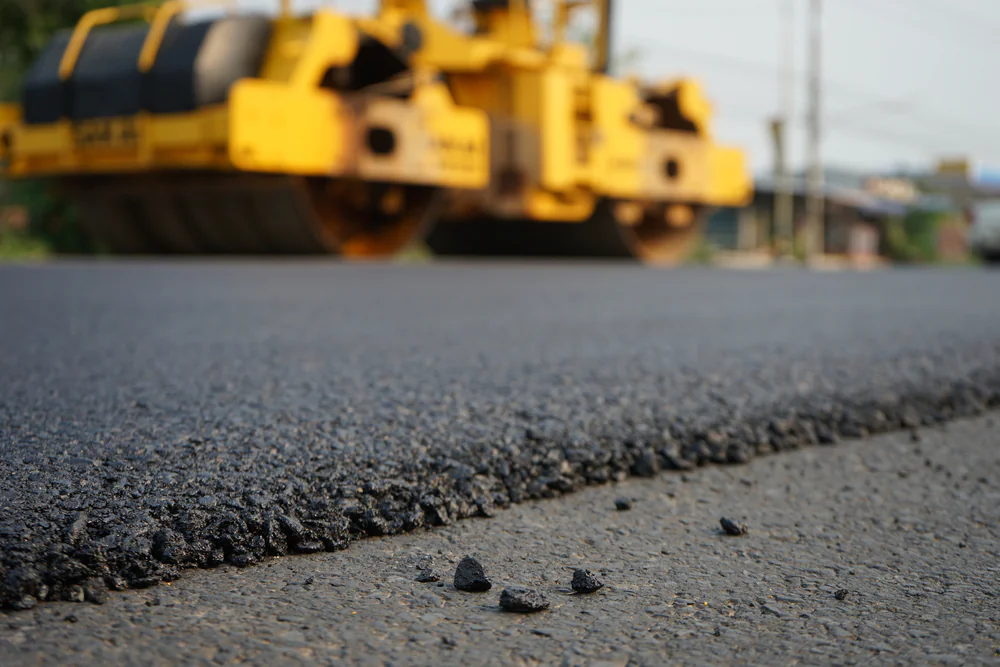
Then the asphalt goes down. It arrives hot from the plant, gets spread evenly, and compacted with heavy rollers while it’s still workable. Timing matters—too cool and it won’t bond correctly. We work efficiently to lay and compact before the material loses heat.
Finally, striping and markings go on once the surface has cured enough. Parking spaces, directional arrows, ADA-compliant spots, fire lanes—whatever your property requires to stay organized and code-compliant. You’re typically looking at light traffic within 48 hours, though full cure takes about a month.
Ready to get started?
Commercial paving means handling the entire scope: site preparation, grading for proper drainage, base installation, asphalt paving, compaction, and striping. It also means coordinating the work to minimize disruption to your business operations.
Robbinsville properties face specific challenges. The township’s mix of warehouse facilities, office complexes, and retail centers means parking lots see everything from daily employee traffic to heavy delivery vehicles. New Jersey’s weather adds another layer—freeze-thaw cycles can destroy poorly installed pavement, and the area’s rainfall demands proper drainage design.
A well-executed commercial paving project accounts for these factors. We build the base thick enough to support your specific traffic patterns. Drainage slopes are calculated to move water off the surface quickly. The asphalt mix is appropriate for commercial use, not residential-grade material that won’t hold up. And we phase the work if necessary so your business stays accessible throughout the project. That’s the difference between a parking lot that lasts twenty years and one that needs major repairs in five.
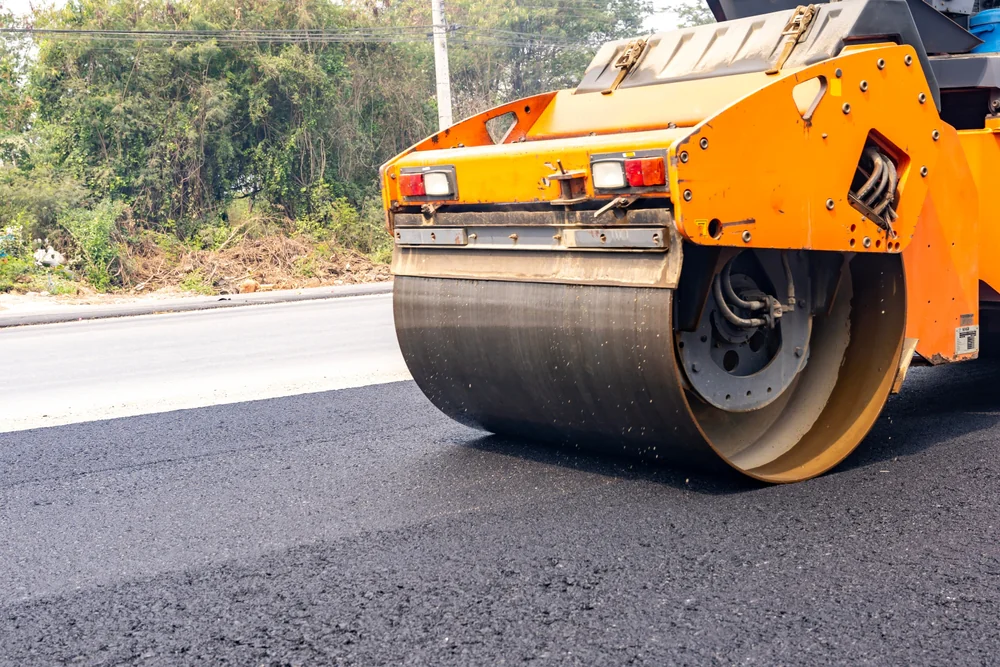
For a standard commercial parking lot, the actual paving work typically takes one to three days depending on size. But that’s just the installation phase.
The full timeline includes site preparation, which might add a day or two if existing pavement needs removal and the base requires work. Then you’ve got curing time—light traffic can usually resume within 48 hours, but you’ll want to avoid heavy loads and sharp turns for about a week. Striping happens once the surface has set enough to hold paint.
Larger properties or projects with drainage complications take longer. Phased work, where sections get completed while others stay open, extends the calendar but keeps your business operational. Most commercial projects from start to finish span anywhere from a few days to a couple of weeks, depending on scope and site conditions.
Water is the number one culprit. When drainage isn’t designed correctly, water sits on the surface or seeps into the base layer. In New Jersey, that water freezes and expands during winter, then thaws in spring. That freeze-thaw cycle cracks the asphalt and destabilizes the base underneath.
Poor base preparation is the second major issue. If the foundation isn’t thick enough or properly compacted, the pavement will sink, shift, and crack under the weight of vehicles. This is especially problematic for commercial lots that see delivery trucks and heavy traffic.
Using the wrong asphalt mix or skipping proper compaction during installation also leads to early failure. Some contractors cut corners with thinner applications or residential-grade materials that can’t handle commercial loads. The pavement might look fine initially, but it deteriorates fast. Proper installation with attention to drainage, base work, and appropriate materials makes the difference between a parking lot that lasts 15-20 years and one that needs major repairs in five.
Commercial asphalt paving typically runs between $3 and $8 per square foot in 2025, though your actual cost depends on several factors. A 10,000 square foot lot might cost $25,000 to $45,000 for materials and installation.
Size affects pricing—larger projects benefit from economies of scale and lower per-square-foot costs. Site conditions matter too. If the existing base is damaged or drainage needs major work, expect additional costs for excavation and repairs. Properties with challenging access or complicated layouts take more time and labor.
The price should include demolition of old surfaces if needed, proper base preparation, asphalt installation, compaction, and basic striping. Extras like curbing, catch basin installation, or extensive drainage systems add to the total. Get a detailed estimate that breaks down what’s included. The cheapest bid often means shortcuts on base preparation or thinner asphalt, which costs you more in repairs down the road.
Not if it’s planned correctly. Most commercial paving projects can be phased so portions of your parking lot remain accessible while other sections get worked on. This keeps customer parking available and minimizes disruption.
The approach depends on your property’s layout and traffic patterns. Some lots can be divided in half, with one side completed before moving to the other. Others might work in smaller sections. Weekend or off-hours work is another option for businesses that can’t afford any daytime disruption.
Communication is key. We walk the site with you beforehand, identify how to maintain access, and create a timeline that works with your business schedule. We also coordinate delivery trucks and equipment to avoid blocking entrances during peak hours. Yes, there will be some inconvenience—that’s unavoidable when you’re tearing up and replacing pavement—but thoughtful planning keeps it manageable rather than catastrophic.
Sealcoating every two to three years is the most important maintenance step. It protects the asphalt from water infiltration, UV damage, and chemical spills like oil and gasoline. Sealcoating also restores that dark, fresh appearance and extends the pavement’s overall lifespan.
Crack sealing should happen as soon as you notice cracks forming. Small cracks let water into the base layer, where it causes bigger problems. Catching and sealing them early prevents expensive repairs later. This is especially important in New Jersey, where freeze-thaw cycles turn minor cracks into major failures.
Keep the surface clean—sweep regularly to remove debris that can trap moisture. Make sure drainage systems stay clear so water flows off the lot instead of pooling. Address any potholes or surface damage promptly. And repaint striping as it fades to maintain clear traffic patterns and ADA compliance. Regular maintenance isn’t glamorous, but it’s what makes a 15-year parking lot last 25 years.
An overlay means adding a new layer of asphalt on top of the existing pavement. It’s faster and less expensive than full replacement—you’re not tearing out the old surface or rebuilding the base. Overlays work when the existing pavement is structurally sound with only surface-level wear.
Full replacement involves removing the old asphalt completely, addressing any base issues, and installing new pavement from the ground up. This is necessary when the existing lot has significant cracking, potholes, base failure, or drainage problems. You can’t overlay those issues away—they’ll just telegraph through the new surface.
The decision comes down to the condition of what’s already there. A parking lot with minor surface wear but a solid base is a good overlay candidate. One with deep cracks, sunken areas, or water damage needs full replacement. We assess your lot honestly and recommend the approach that makes sense long-term, not just the one that’s easier to sell. Sometimes spending more upfront for replacement saves you from doing the job twice in five years.
Other Services we provide in Robbinsville