
You stop worrying about liability. Customers aren’t dodging potholes or complaining about puddles after every rain. Your property looks like you care about it—because you do.
Good commercial paving means your parking lot handles New Jersey weather without falling apart in three years. It means proper drainage so water goes where it’s supposed to, not pooling in the middle of your busiest spaces. It means a surface that can take the traffic, the freeze-thaw cycles, and the wear without cracking into a maintenance nightmare.
When the job’s done right, you’re not patching and repairing every season. You’re not dealing with angry tenants or customers questioning whether your business is even open. You’ve got a parking lot that does its job so you can focus on yours.
We’ve been in the paving business since 1948. That’s not marketing talk—it’s decades of knowing what works, what doesn’t, and what New Jersey properties actually need to hold up.
We handle everything from parking lots and driveways to industrial projects and water management. But here’s what matters more: we work on one job at a time. Your project gets our full attention, not a crew bouncing between three other sites.
Whitehorse properties deal with the same challenges as the rest of the region—weather that swings from freezing to scorching, drainage that can’t be an afterthought, and the need for pavement that actually lasts. We treat every client the same way, whether it’s a small lot or a complex commercial site. Transparent pricing, straight answers, and work that backs up the conversation.
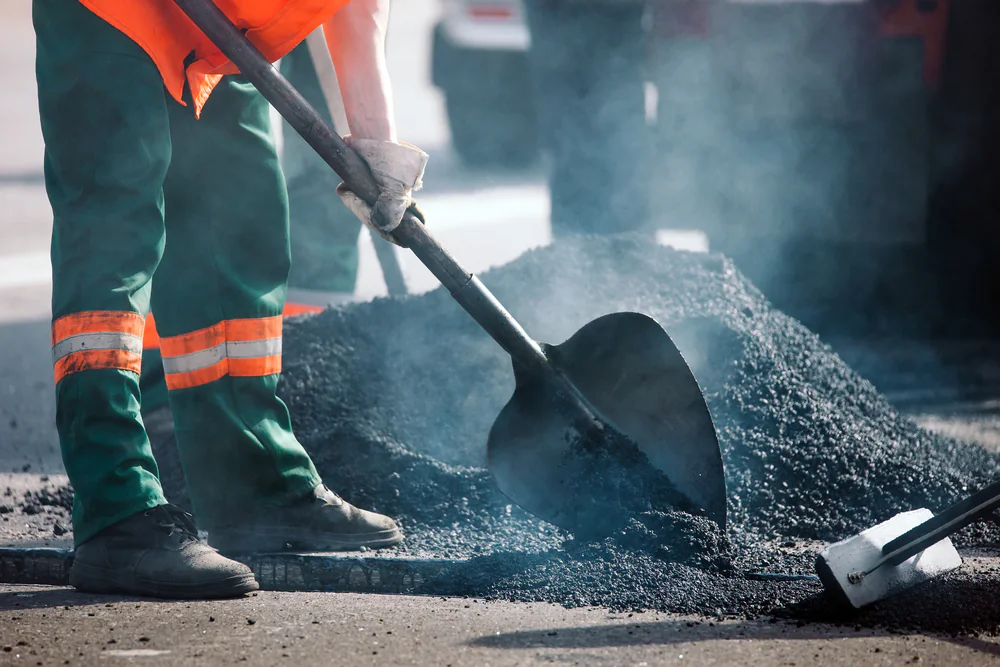
First, there’s a site visit. Not a quick glance from the truck—an actual assessment of what you’re working with. Drainage issues, base condition, grading needs. You’ll get a clear explanation of what needs to happen and why.
If you’re replacing existing pavement, the old surface gets removed properly. If it’s new construction, the site gets prepped and graded so water flows away from your building and parking areas. This step matters more than most people realize—skip it or rush it, and you’ll pay for it later.
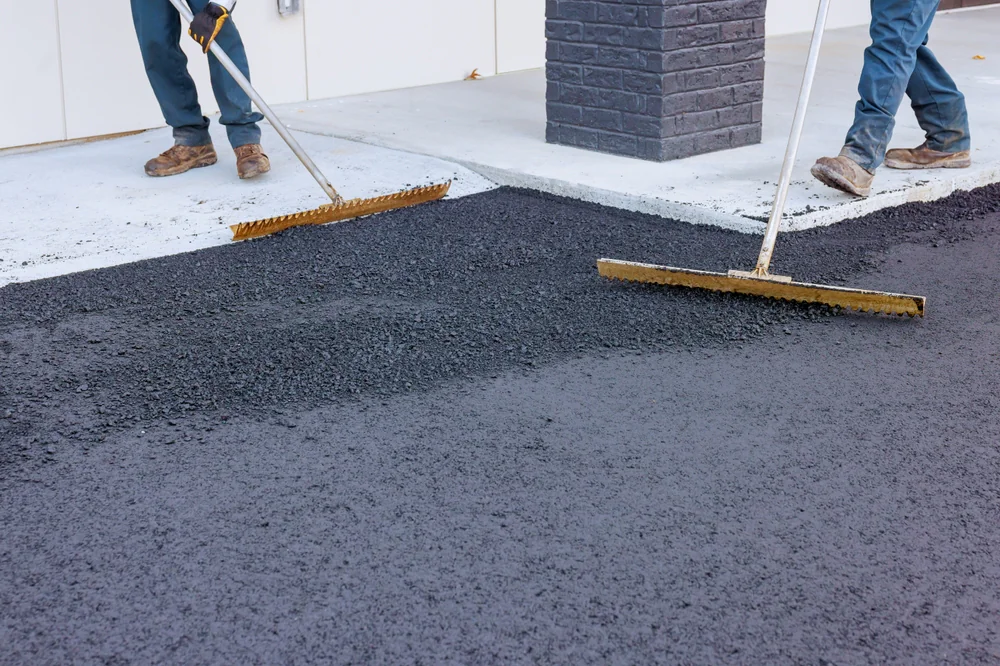
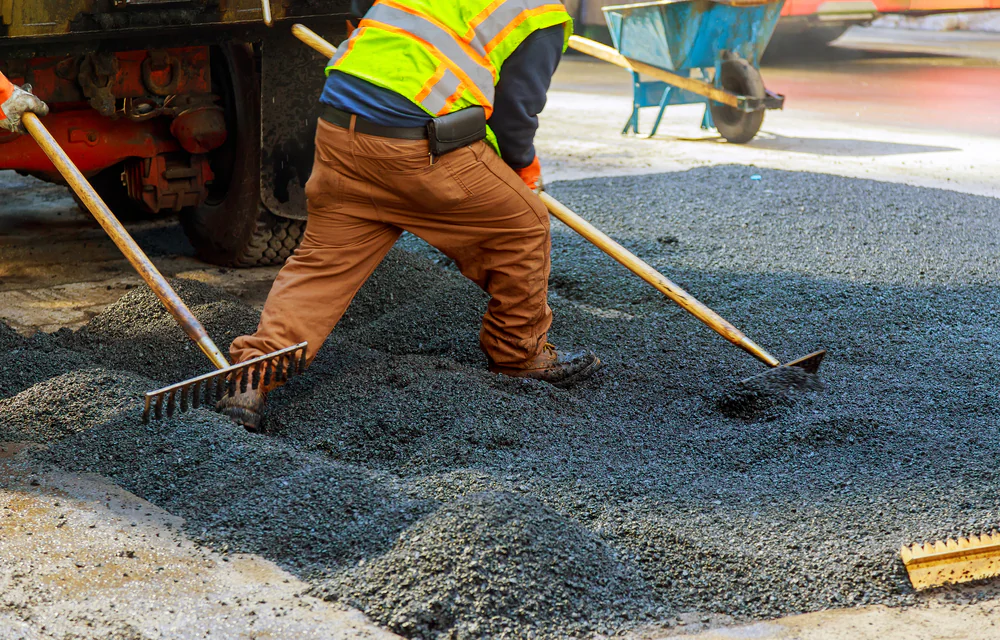
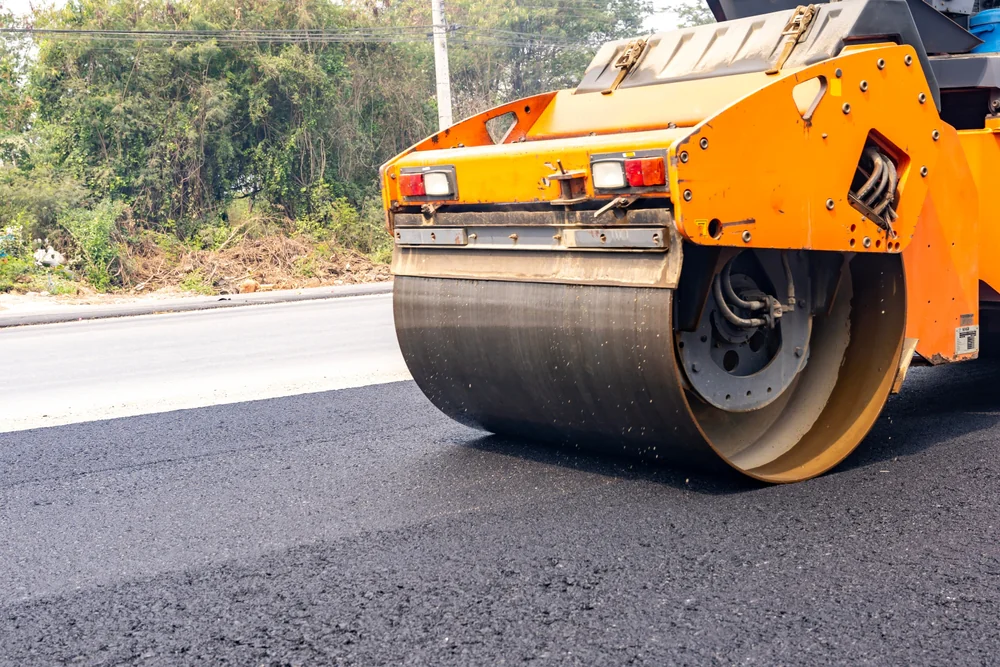
Next comes the base layer. Crushed stone and gravel get compacted to create a stable foundation. This isn’t optional. Your asphalt is only as good as what’s underneath it. After the base is set and graded correctly, the asphalt goes down in layers, compacted and finished to the right thickness for your traffic load.
Finally, striping and marking if needed. ADA spaces, directional arrows, parking lines—all the details that make your lot functional and compliant. You’ll know the timeline upfront, and if anything changes, you’ll hear about it before it becomes a problem.
Ready to get started?
Commercial paving isn’t just about laying asphalt. It’s about solving the problems that come with your specific property in Whitehorse, NJ.
Drainage is a big one. New Jersey gets plenty of rain, and if your lot doesn’t handle water correctly, you’ll see premature cracking, potholes, and base failure. Proper grading and drainage solutions are part of our process, not an add-on you find out about later. Water management keeps your pavement intact and your property usable year-round.
You also get work that meets local codes and ADA requirements. Accessible parking, compliant slopes, proper striping—these aren’t suggestions. They’re legal requirements, and getting them wrong opens you up to liability. We handle compliance as part of the job.
Then there’s the actual construction quality. The right asphalt mix for commercial traffic. Proper compaction so the surface doesn’t settle unevenly. Attention to edges, transitions, and tie-ins with existing pavement or structures. These details separate a parking lot that lasts from one that starts failing in a couple years.
Whitehorse businesses need commercial paving that holds up to the local climate—hot summers that soften asphalt and cold winters that crack it. You need a paving contractor who knows how to build for that, not just show up with a paver and hope for the best.
It depends on the size of your lot and what condition you’re starting from. A straightforward parking lot replacement for a small commercial property might take a few days—one day for demo and prep, one for base work, and one for paving and finishing.
Larger projects or sites with drainage issues, grading challenges, or extensive repairs to the base layer will take longer. If you need permits or have to coordinate with utility work, that adds time too.
What matters more than speed is getting it done right. Rushing the base prep or skipping proper compaction just to finish faster means you’ll be dealing with failures down the road. We give you a realistic timeline upfront and stick to it, barring weather delays or surprises once the old pavement comes up.
Resurfacing means milling off the top layer of asphalt and putting down a new surface over the existing base. It works if your base is still solid and you’re just dealing with surface wear—minor cracking, fading, rough texture. It’s less expensive and faster than a full replacement.
Full-depth paving means tearing out everything down to the dirt, rebuilding the base, and installing new asphalt from the ground up. You need this if your base has failed, if there are major drainage problems, or if the pavement is so far gone that a new surface layer won’t hold up.
The only way to know which one you need is to have someone look at your lot. Sometimes what looks like a surface problem is actually a base failure, and resurfacing won’t fix it. A straight answer upfront saves you from paying twice.
Standing water is the obvious sign. If you’ve got puddles that stick around for hours or days after it rains, your drainage isn’t working. Water sitting on asphalt speeds up deterioration—it seeps into cracks, freezes and expands in winter, and weakens the base over time.
You might also notice areas where the pavement is sinking or settling unevenly. That’s often a sign that water is getting under the surface and washing away the base material. Cracks that keep coming back in the same spots, even after you patch them, usually point to a drainage issue underneath.
New Jersey gets enough rain that drainage can’t be ignored. Proper grading during installation, catch basins where needed, and making sure water flows away from your building and pavement—these are all part of a solid paving job. If your current lot has drainage problems, they need to be fixed during repaving, or you’ll just end up with the same issues on new asphalt.
Start with whether they actually explain what your property needs, or if they just give you a price and move on. A good contractor walks your site, points out issues, and tells you what has to happen and why. If someone gives you a quote without asking questions or looking at drainage, grading, or base condition, that’s a red flag.
Ask about their process. How do they prep the site? What thickness of asphalt are they using? How do they handle compaction and grading? If you get vague answers or they brush off your questions, keep looking.
Check their track record. How long have they been doing commercial work in the area? Can they show you completed projects or connect you with other business owners they’ve worked with? You want someone who’s been through New Jersey winters and knows what holds up. And pay attention to communication—if they’re hard to reach or slow to respond before you hire them, it won’t get better once the job starts.
Yes, but it’s not complicated. Fresh asphalt needs time to fully cure and harden. For the first few days, avoid heavy loads in one spot and sharp turns that can scuff the surface—especially in hot weather when the asphalt is softer.
You might see some minor tire marks or scuffing initially. That’s normal and will smooth out as the pavement cures and gets regular traffic. Just avoid parking heavy vehicles or dumpsters in the same spot repeatedly during the first week or two.
After that, basic maintenance extends the life of your pavement. Keep it clean, address cracks early before they spread, and plan on sealcoating every few years to protect against water and UV damage. We’ll give you specific guidance based on your project, but the main thing is giving it a little time to set up before you start hitting it with full traffic loads.
There’s no one-size-fits-all number because every property is different. Size matters—a small lot costs less than a large one, obviously. But condition matters just as much. If your base is solid and you just need resurfacing, that’s one price. If the whole thing needs to be torn out and rebuilt with drainage work, that’s another.
Grading and drainage add cost, but skipping them to save money upfront just means you’ll pay more later in repairs. Same with base prep—cutting corners there leads to premature failure. You’re better off getting a few quotes from contractors who actually assess your site and explain what you’re paying for.
Most commercial projects in the region run anywhere from a few thousand dollars for small resurfacing jobs to significantly more for full-depth replacement on larger lots with complex drainage needs. The key is understanding what you’re getting. Cheapest bid isn’t always the best value, especially if it means shortcuts that cost you more down the road.
Other Services we provide in Whitehorse