You need asphalt that can handle freeze-thaw cycles, heavy traffic, and years of use without constant repairs. That means proper base preparation, strategic drainage, and materials that match your property’s specific demands.
When your parking lot is installed correctly from the start, you’re looking at decades of reliable performance instead of annual patching. The surface stays smooth. Water drains where it should. Your property looks maintained, not neglected.
Most importantly, you’re not scrambling to fix problems during your busy season or dealing with liability issues from potholes and cracking. Your asphalt works the way it’s supposed to—quietly, in the background, doing its job.
We bring decades of hands-on paving experience to Eddington and the surrounding Bucks County area. Our roots in the industry date back to 1948, combining that heritage with modern expertise in commercial and industrial paving projects.
Here’s what sets our approach apart: we focus on one job at a time. Not three jobs in one day. Not divided attention across multiple sites. Your project gets the full team until it’s completed to standard. That’s how quality happens consistently.
We’ve built our reputation on transparent communication, straightforward pricing, and treating every commercial property—regardless of size—with the same level of care. Five-star reviews on Angie’s List and industry recognition back that up.
It starts with an on-site evaluation. We assess your property for drainage issues, base condition, traffic patterns, and any grading concerns that could cause problems down the road. You get a clear estimate with no surprise costs later.
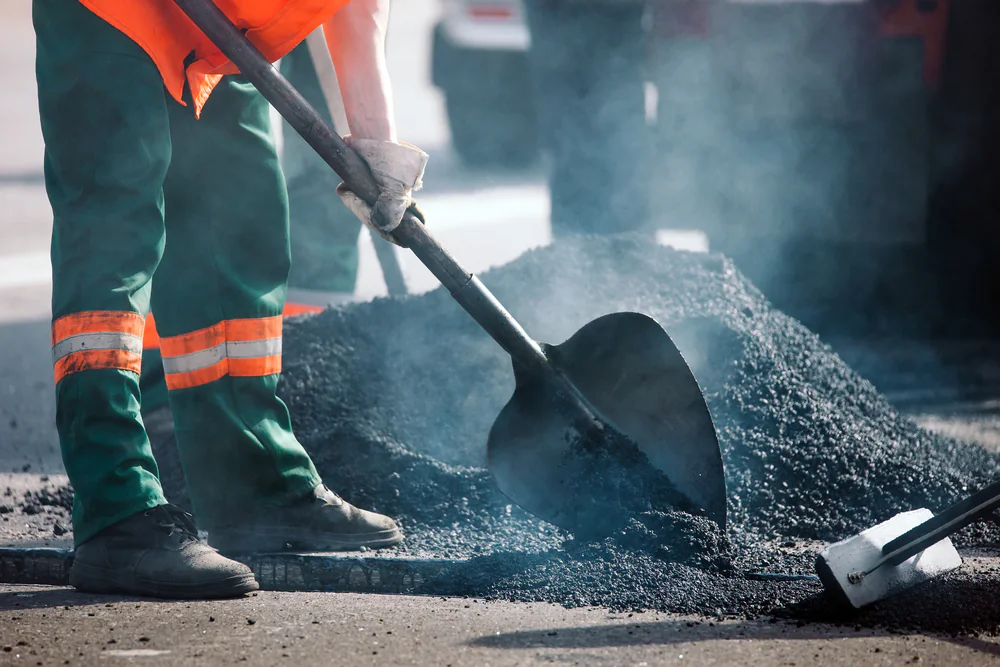
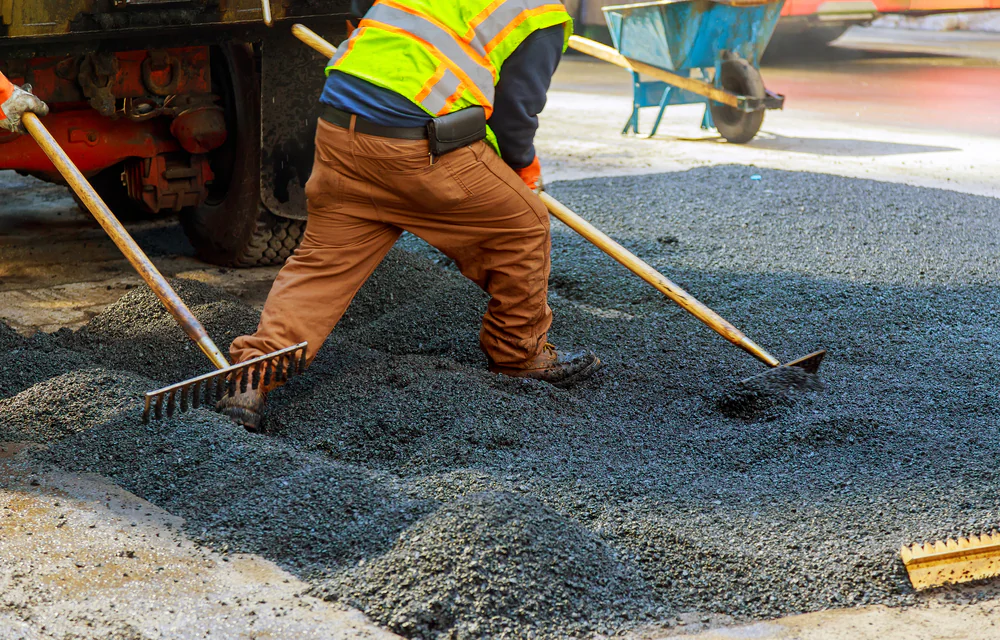
Once the project is scheduled, we properly prepare or remove the existing surface depending on condition. The base gets graded correctly to handle water runoff—this step matters more than most property owners realize. Poor drainage is the number one cause of premature asphalt failure in Pennsylvania.
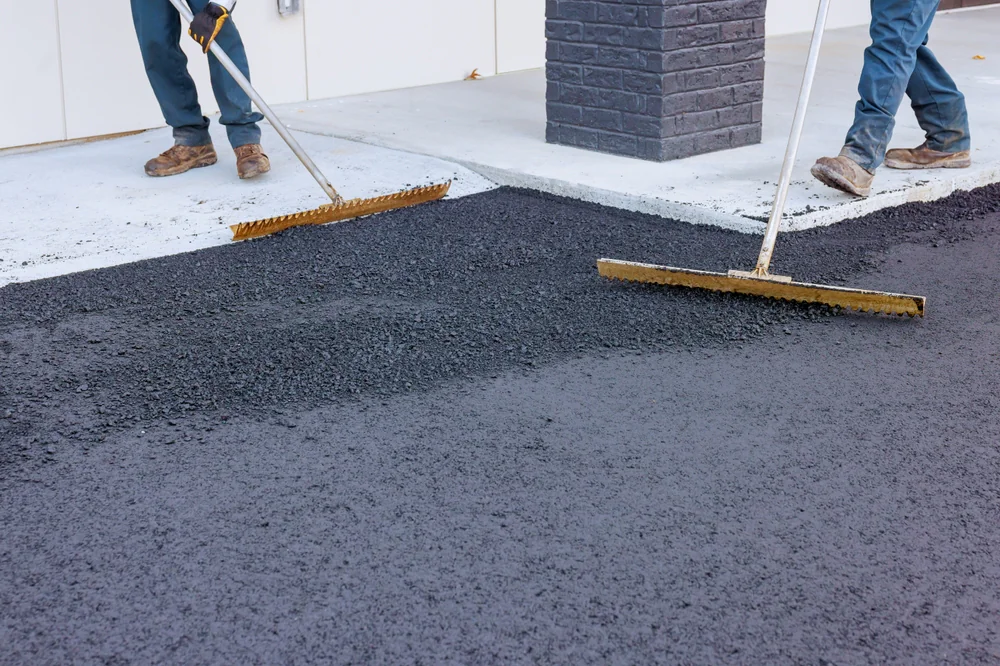
Fresh asphalt goes down in layers designed for your specific traffic load. Commercial properties see different stress than residential driveways, so the installation approach adjusts accordingly. We compact the surface properly while the material is still hot, creating a dense, durable finish.
After curing, you get a parking lot that’s ready for heavy use. Line striping, ADA compliance markings, and any final details get handled before the project is considered complete. You’ll know exactly when your property is ready for full operations again.
Ready to get started?
A complete commercial paving project covers more than just laying asphalt. Site preparation includes proper base work, grading for drainage, and addressing any subsurface issues that could compromise the new surface. This foundation work is what separates a parking lot that lasts from one that fails within a few years.
In Eddington and throughout Bucks County, Pennsylvania’s weather patterns demand special attention. Freeze-thaw cycles hit hard here. Water that seeps into small cracks expands when it freezes, turning minor issues into major damage fast. That’s why proper drainage and quality materials matter so much in this region.
Our installation process also accounts for your business operations. Strategic scheduling minimizes disruption. We can complete sections in phases if needed, keeping parts of your lot accessible while work progresses. You shouldn’t have to shut down completely for pavement work.
After installation, ongoing maintenance extends your investment. Sealcoating every few years protects against oxidation and water penetration. Crack filling catches small problems before they spread. Line striping keeps your lot looking professional and meeting safety standards. These aren’t upsells—they’re how you avoid expensive replacements later.
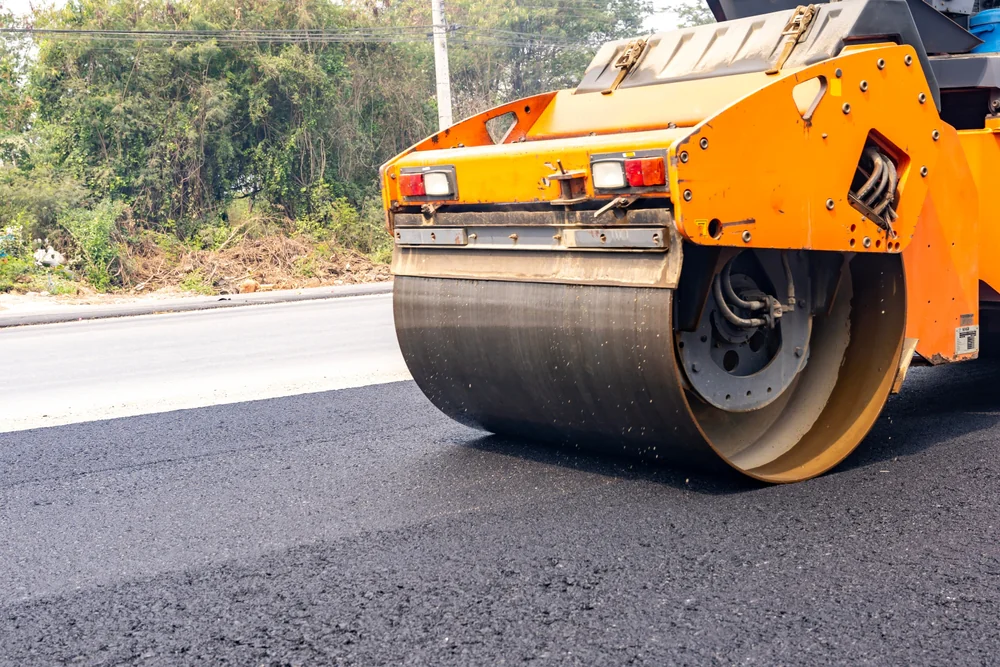
Timeline depends on your lot size and scope of work. A standard parking lot resurfacing for a small commercial property typically takes three to five days from start to finish. Larger properties or full reconstructions can run two to three weeks.
Weather plays a role too. Asphalt needs specific temperature conditions to install properly—usually above 50 degrees and dry conditions. In Pennsylvania, that means spring through fall are ideal seasons. Trying to rush a project in poor conditions leads to problems later.
The process breaks down like this: one day for prep and base work, one to two days for asphalt installation, and a day or two for curing before striping and final details. You’ll get a specific timeline during the estimate based on your property’s unique factors. Most businesses schedule work during slower periods or in phases to maintain some parking availability throughout the project.
Poor drainage is the biggest culprit. Water that doesn’t drain properly sits on the surface, seeps into small cracks, and wreaks havoc when temperatures drop. Pennsylvania’s freeze-thaw cycles are brutal on asphalt. Water expands when it freezes, turning hairline cracks into potholes within a season or two.
Inadequate base preparation is the second major issue. If the foundation isn’t properly compacted and graded, the asphalt above it will shift, crack, and deteriorate no matter how good the surface layer is. Cutting corners on base work to save money upfront costs far more in premature replacement.
Heavy traffic without proper thickness also shortens lifespan. Commercial lots need thicker asphalt than residential driveways to handle the constant weight and turning forces from vehicles. Skimping on material depth leads to rutting, cracking, and surface failure. Finally, neglecting basic maintenance like sealcoating and crack filling accelerates deterioration. Small problems that cost little to fix become expensive replacements when ignored.
It depends entirely on the condition of your current surface. If the existing asphalt has a sound base and only surface-level issues—minor cracking, worn appearance, thin spots—an overlay can work well and costs significantly less than full removal and replacement.
However, if you’re seeing major structural problems like large potholes, significant settling, alligator cracking throughout, or base failure, removal and reconstruction is the right call. Paving over a failing surface just postpones problems and wastes money. The new asphalt will fail just as quickly as what’s underneath it.
An on-site evaluation determines which approach makes sense for your property. Sometimes a combination works—removing and replacing the worst sections while overlaying areas in better condition. The goal is a solution that actually lasts, not just the cheapest option today that creates bigger expenses tomorrow. You’ll get an honest assessment of what your parking lot actually needs, not a one-size-fits-all pitch.
Asphalt typically costs 30 to 50 percent less than concrete for initial installation. For a standard commercial parking lot, you’re looking at roughly $3 to $7 per square foot for asphalt versus $6 to $12 per square foot for concrete, though prices vary based on project specifics and current material costs.
Beyond installation, asphalt offers advantages in repair costs too. If damage occurs, asphalt patches blend seamlessly and cost far less than concrete repairs. Concrete cracks are more visible and expensive to fix properly. Resurfacing asphalt is also more straightforward and affordable than replacing concrete sections.
The tradeoff is maintenance frequency. Asphalt benefits from sealcoating every three to five years and more regular attention to cracks. Concrete requires less frequent maintenance but when major repairs are needed, they’re significantly more expensive. For most commercial properties in Pennsylvania, asphalt’s lower upfront cost, easier repairs, and better performance in freeze-thaw conditions make it the smarter long-term investment.
You can typically allow light traffic within 24 to 48 hours after the asphalt is laid, though it’s best to wait a full two days if possible. The surface will be solid enough for cars and light vehicles at that point. However, the asphalt continues to cure and harden for several months.
Heavy vehicles, delivery trucks, and equipment should stay off for at least three to five days to avoid creating ruts or surface damage. Sharp turns and heavy loads put more stress on fresh asphalt than straight-line traffic. The material needs time to reach full strength.
For the first 30 days, you’ll want to avoid parking in the same spots repeatedly, especially with heavy vehicles. Distribute the traffic pattern if possible. Also avoid power steering turns while stationary—those twisting forces can mark up new asphalt before it’s fully cured. After about six months, the surface reaches its maximum hardness and can handle normal commercial use without any special considerations. You’ll get specific guidance based on your property’s traffic patterns and the weather conditions during installation.
Sealcoating every three to five years is the foundation of parking lot maintenance. It protects against water penetration, UV damage, and chemical spills like oil and gas. Think of it as a protective barrier that extends your asphalt’s lifespan by years. The cost is minimal compared to premature replacement.
Crack filling should happen as soon as you notice cracks forming—usually annually or every other year depending on traffic and weather exposure. Small cracks are cheap and quick to fill. Ignored cracks become potholes that cost ten times more to repair properly. Catching them early is the key.
Line striping needs refreshing every two to three years to maintain visibility and meet ADA compliance. Faded lines look unprofessional and create liability concerns. Regular sweeping and debris removal prevent material buildup that can trap moisture and accelerate deterioration. Finally, address drainage issues immediately if water starts pooling anywhere. Standing water is asphalt’s worst enemy in Pennsylvania’s climate. These maintenance tasks aren’t optional extras—they’re how you protect a significant property investment and avoid expensive emergency repairs.
Other Services we provide in Eddington