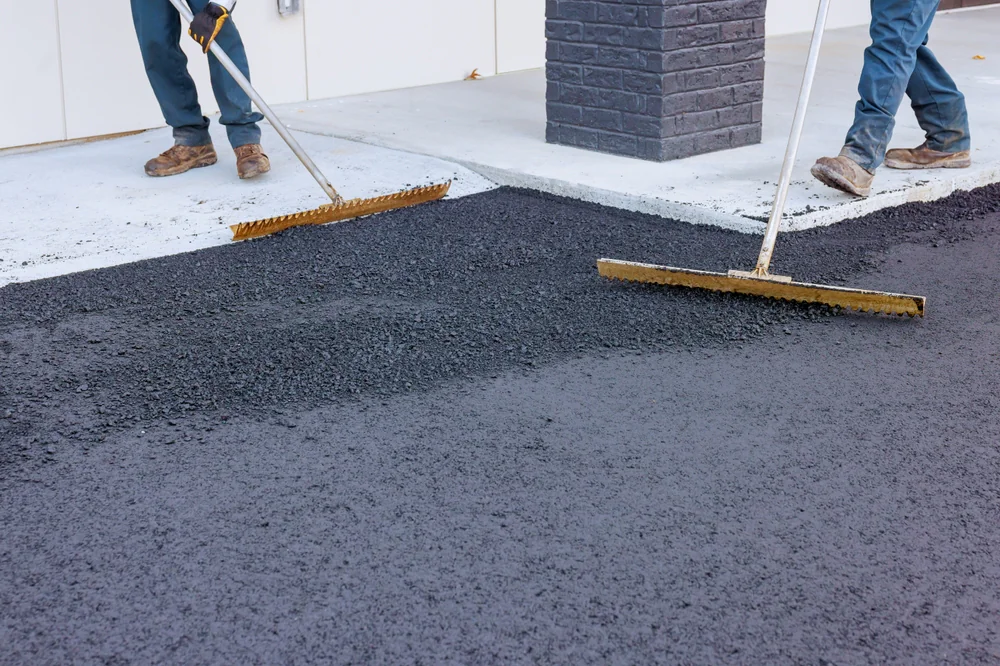
You’re not just getting a smooth surface. You’re getting a parking lot that drains properly when it rains, holds up through freeze-thaw cycles, and doesn’t develop cracks six months later because someone cut corners on the foundation.
That’s the difference between asphalt that looks good for a season and asphalt that lasts 15 to 20 years. The sub-base matters. The grading matters. The compaction matters. Skip any of those steps and you’re looking at premature failure, standing water, and a repair bill that could’ve paid for proper installation.
We finish commercial paving projects in Middletown with lots ready for real use—heavy delivery trucks, daily customer traffic, and Pennsylvania winters. The work gets the attention that comes from decades in the business and a crew focused on one job at a time.
We bring family roots in the paving industry dating back to 1948, combined with modern expertise in commercial and industrial projects across Middletown and Central Pennsylvania. Understanding how local soil, weather patterns, and traffic demands affect asphalt longevity comes from serving this area for decades.
From downtown commercial properties near Penn State Harrisburg to industrial sites in newer developments, every location has unique challenges requiring customized solutions. Our approach is straightforward: treat every client like the top client, focus the full crew on one project at a time, and communicate clearly throughout the process. No shortcuts, no vague timelines—just honest work backed by five-star reviews and a reputation built on long-term relationships.
First, the site gets assessed—ideally after a rainstorm to see where water pools and where drainage needs correction. Permits get pulled, utility lines get marked, and the existing surface gets evaluated to determine whether it needs full removal or if an overlay will work.
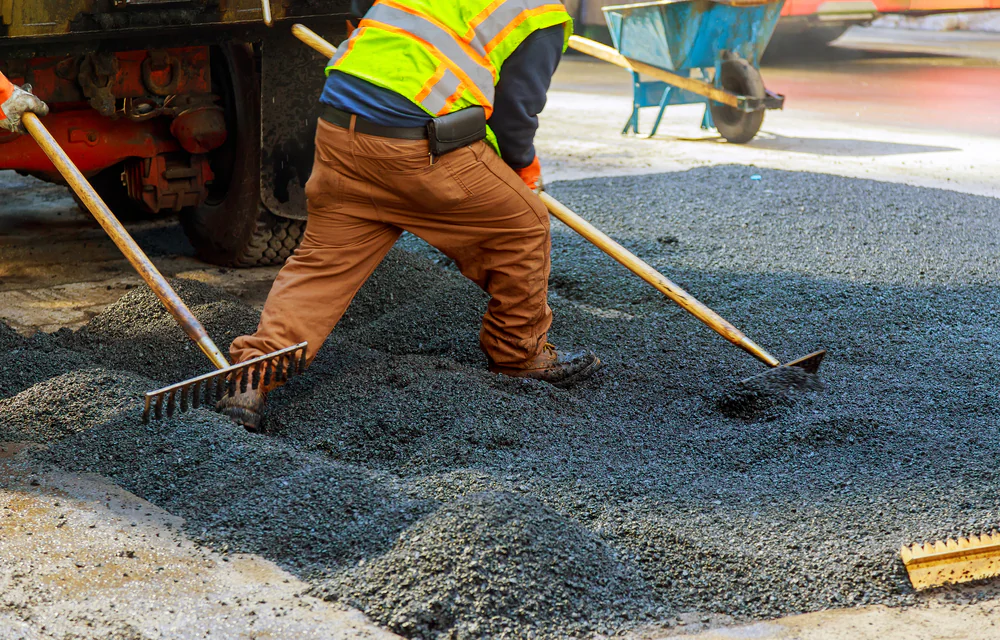
Next comes foundation work. Damaged asphalt or weak sub-base gets removed down to the subgrade layer because paving over cracked asphalt means failure within months. The sub-base gets graded with proper pitch for water runoff, then compacted thoroughly. This step determines longevity—not the surface layer.
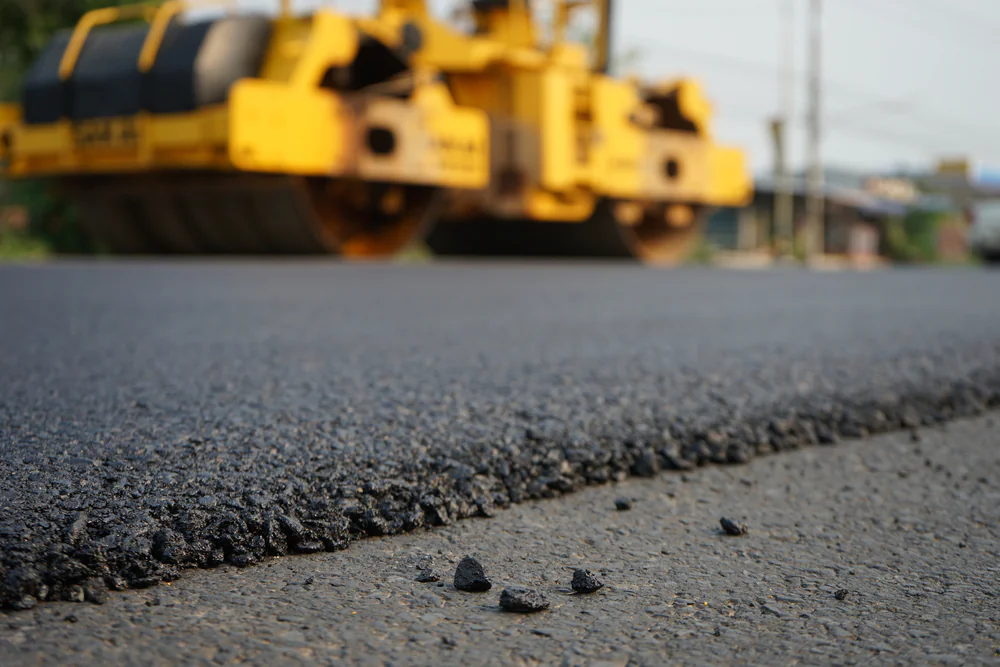
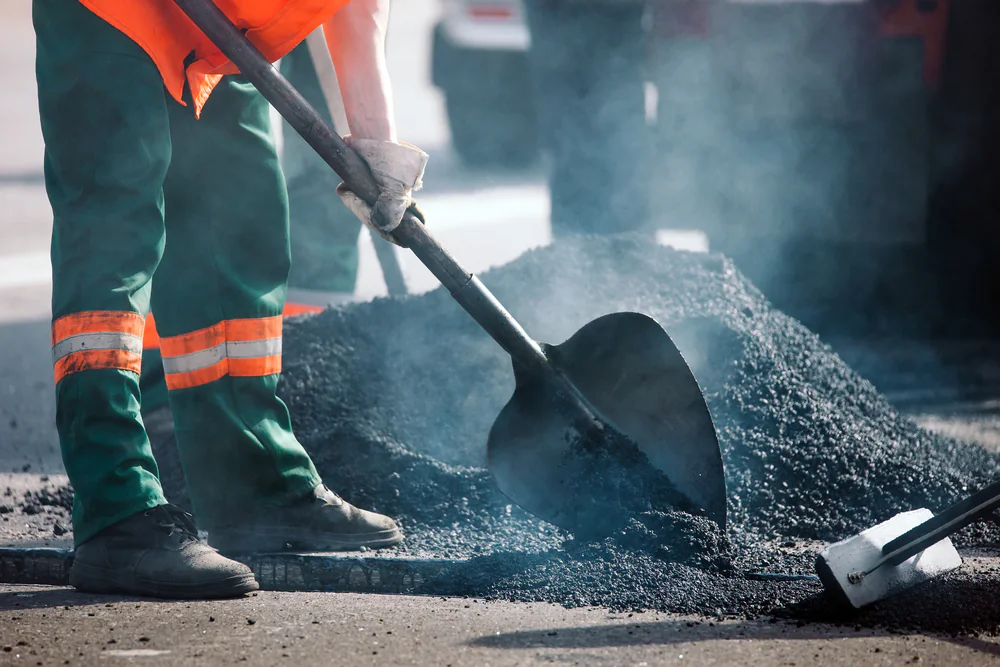
Once the foundation is solid, hot asphalt mix arrives and gets poured in passes. Our crew monitors for consistent thickness and drainage slope throughout. Compaction using vibratory rollers eliminates air voids and creates a dense surface that handles heavy loads. Final steps include striping for parking spaces, crosswalks, and ADA-compliant features. Most medium lots take 3 to 7 days, with updates throughout.
Ready to get started?
Commercial asphalt paving starts with site preparation—grading, drainage planning, and sub-base installation. For Middletown properties, that means addressing Central Pennsylvania’s challenging soil and designing systems that handle freeze-thaw cycles and summer storms.
The paving uses commercial-grade hot mix asphalt designed for heavy traffic, not lighter “driveway mix” some contractors use to cut costs. Thickness varies based on expected load—standard parking lots need different specs than areas where delivery trucks make daily stops. Proper compaction ensures the surface handles that weight without developing ruts or soft spots.
Water management is critical. Poor drainage causes more asphalt failures than almost anything else. Standing water weakens the surface, penetrates to the sub-base, and creates cracks and potholes. Every project includes careful attention to pitch, grading, and runoff direction.
You also get ADA-compliant striping, proper parking space layout, and crosswalk markings. Properties near Middletown’s retail and office spaces need traffic flow that works for customers and delivery vehicles. Industrial sites require different layouts than apartment complexes—each gets a plan tailored to actual use patterns.
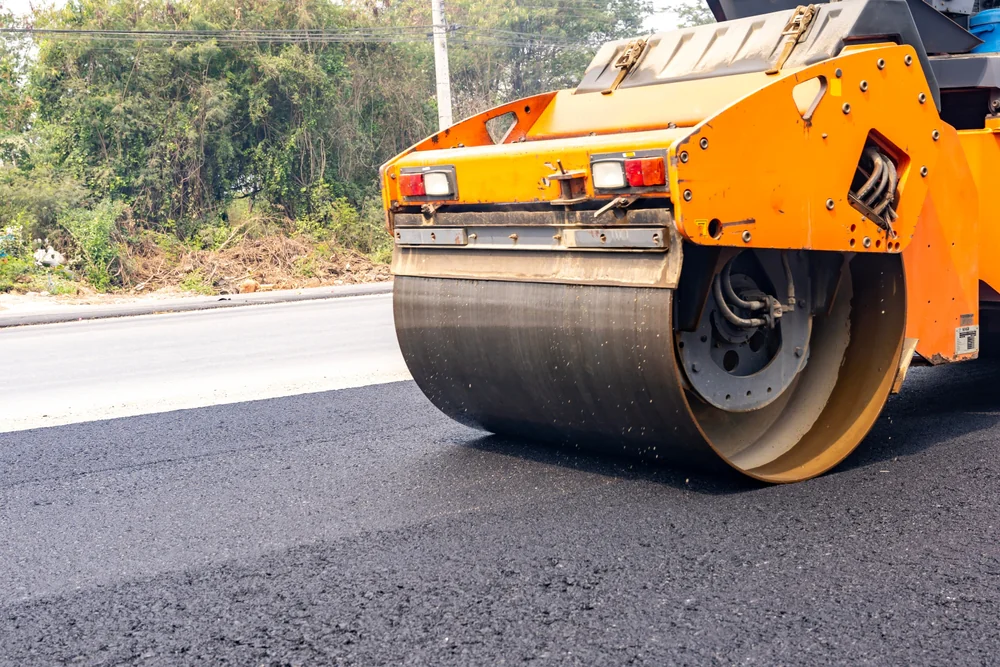
With proper installation and regular maintenance, a commercial asphalt parking lot should last 15 to 20 years in Central Pennsylvania. That lifespan depends heavily on the quality of the sub-base and how well the lot handles water drainage.
Pennsylvania’s freeze-thaw cycles are tough on asphalt. Water seeps into small cracks, freezes, expands, and creates bigger problems. If the foundation wasn’t built right or drainage is poor, you might see significant issues within 5 to 7 years instead.
Regular sealcoating every 2 to 4 years adds protection from sun, water, and chemicals. Crack filling when issues are small prevents them from spreading. With that maintenance schedule, you can push that 20-year mark and beyond. Skip the maintenance and even a well-built lot will deteriorate faster.
Standing water usually comes from poor grading during installation or from the lot settling unevenly over time. If the surface doesn’t have the right pitch—typically around 2% slope—water has nowhere to go and just sits there in low spots.
Fixing it depends on severity. Minor puddling might be addressed with an asphalt leveling course that fills low areas before a new overlay. More serious drainage problems might require milling down sections and re-grading the sub-base to create proper water flow.
The best approach is preventing the problem during initial installation. We like to see a site after rain—it shows exactly where water collects. We can then design the grading and drainage to direct runoff away from the parking area and building foundations.
Commercial asphalt paving in the Middletown area typically runs $2.50 to $4.50 per square foot for standard installations. A 10,000 square foot parking lot would cost roughly $20,000 to $45,000, depending on site conditions and project complexity.
That range accounts for factors like how much prep work is needed, whether the existing surface requires removal, if drainage corrections are necessary, and what kind of traffic the lot will handle. Heavy-duty industrial areas with truck traffic cost more because they need thicker asphalt and a more robust sub-base.
The cheapest quote isn’t always the best value. If a contractor is significantly lower than others, ask what’s different—thinner asphalt, lighter-duty mix, less prep work, or skipped steps like proper compaction. Those shortcuts save money upfront but cost you in repairs within a few years.
Sometimes yes, sometimes no. It depends entirely on the condition of the existing asphalt and the sub-base underneath. If the current surface has minor wear but the foundation is solid and stable, an overlay can work well and costs less than full removal and replacement.
But if the existing asphalt has extensive cracking, alligator patterns, or soft spots, paving over it is a mistake. Those problems will telegraph through the new layer within months. Same issue if the sub-base has failed or if there are drainage problems—new asphalt won’t fix foundation issues.
We’ll assess the site and tell you honestly whether an overlay makes sense or whether you need full removal. We look at crack patterns, test for soft areas, check drainage, and evaluate the sub-base condition. Better to do it right once than pay twice.
Fresh asphalt can typically handle light vehicle traffic within 24 to 48 hours after paving, but it’s best to wait 72 hours before allowing full use. The surface needs time to cool and cure properly, especially in warmer weather when the asphalt stays hot longer.
For commercial parking lots with heavy traffic, some contractors recommend waiting up to a week before allowing large trucks or sustained heavy use. The asphalt continues to cure and harden over the following months, gradually reaching full strength.
If your business can’t afford to close the entire lot for several days, the project can often be phased. Half the lot gets paved while the other half remains open, then you switch. It takes longer overall but minimizes disruption. That’s something to discuss during planning so the schedule works for your business needs.
Commercial paving handles much heavier loads and higher traffic volumes than residential driveways, so the entire approach is different. Commercial lots need thicker asphalt—typically 3 to 4 inches versus 2 to 3 inches for residential. The sub-base is also deeper and more carefully compacted because it has to support delivery trucks, not just passenger cars.
Commercial projects also require ADA compliance for accessible parking spaces, proper striping for traffic flow, and often more complex drainage systems. A driveway might drain to the street, but a large parking lot needs catch basins, proper grading across a bigger area, and careful planning so water doesn’t pool or run toward building foundations.
The materials can differ too. Commercial-grade asphalt mix is designed for heavy-duty use, while some contractors use lighter “driveway mix” for residential work. That’s why it’s important to work with a paving contractor who has actual commercial experience, not just someone who does driveways and thinks it’s the same thing scaled up.
Other Services we provide in Middletown