You stop worrying about liability. The parking lot drains properly when it rains. Your striping stays visible. Customers don’t complain about potholes damaging their cars.
That’s what happens when commercial paving gets done right. Your property looks professional. Your insurance agent stops getting calls. And you’re not scrambling to find another contractor in two years because the surface is already failing.
The difference comes down to proper base preparation, correct material thickness for your traffic load, and a crew that knows how to grade for drainage. Skip any of those, and you’re looking at premature cracking, water damage, and an expensive do-over. Get them right, and your pavement handles what you throw at it for the next 15 to 20 years.
We bring nearly 80 years of industry knowledge to every commercial project in Silverdale. That’s not a marketing line—it’s verifiable history. When your business has roots going back to 1948, you learn what works and what doesn’t.
We handle everything from retail parking lots to industrial facilities, with the same approach every time: one project at a time, full crew attention, no shortcuts. Whether it’s a small business lot or a complex site with drainage challenges, the focus stays on getting it right.
Silverdale properties face Pennsylvania weather—freeze-thaw cycles, heavy rain, temperature swings. We account for that in every job, from base compaction to surface thickness to water management. Local conditions matter, and experience here matters more.
First, the site gets assessed. That means looking at your current surface condition, traffic patterns, drainage situation, and any ADA requirements. If your existing lot is unstable or filled with major cracks, it needs full removal and replacement. If it’s in decent shape, an overlay might work.
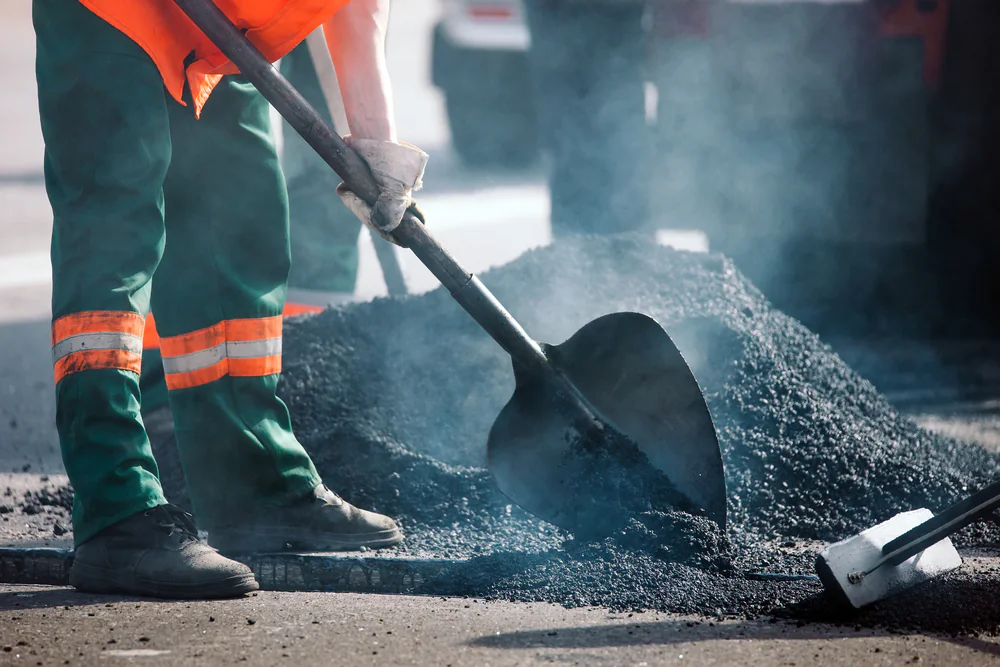
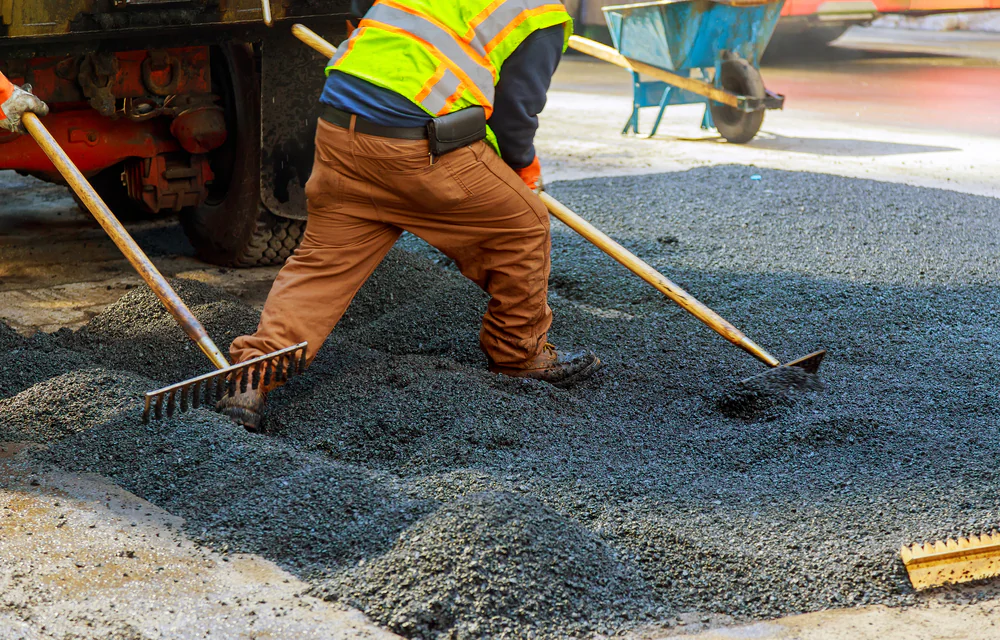
Next comes base preparation. This step matters more than most property owners realize. We excavate to proper depth, grade for drainage, and compact the base material. Skimp here, and your new asphalt fails early. Do it right, and you’ve got a foundation that lasts.
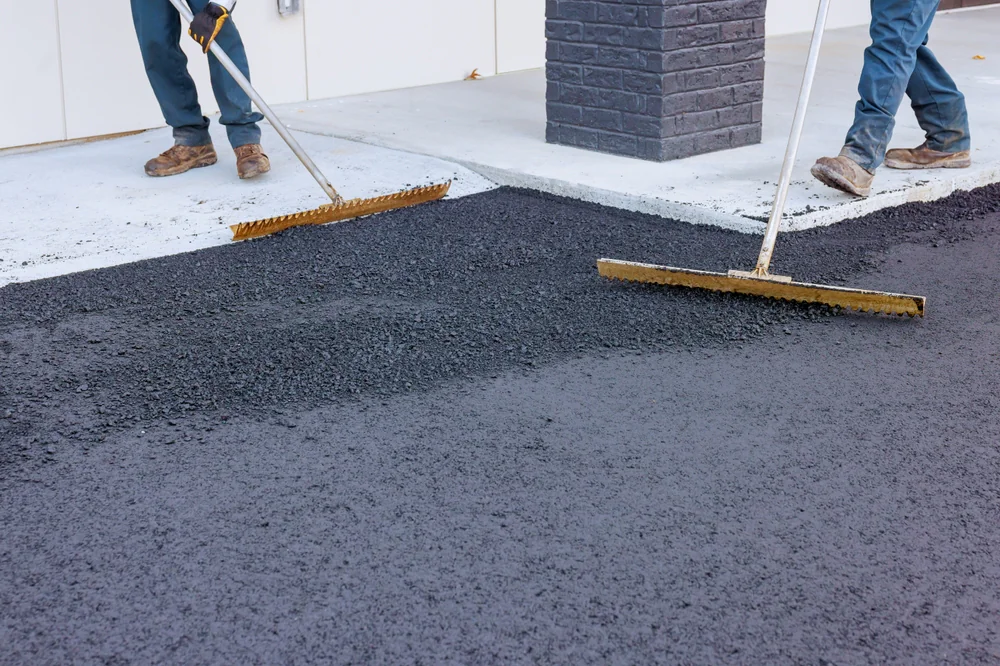
Then the asphalt goes down at the correct thickness for your traffic load. Commercial lots handling delivery trucks need more material than passenger car lots. The asphalt gets compacted properly while it’s still hot. Striping comes after the surface cures—clear lines for parking spaces, ADA-compliant accessible spots, fire lanes, directional arrows.
You get a timeline upfront. Weather can shift schedules, but you’ll know what’s happening and when. The goal is minimizing disruption to your business while doing the work properly.
Ready to get started?
Commercial paving in Silverdale covers more than just laying asphalt. You’re getting proper site grading to prevent water from pooling and damaging your pavement or building foundation. You’re getting base preparation that accounts for Pennsylvania’s freeze-thaw cycles. You’re getting material thickness appropriate for your property’s use.
ADA compliance is part of the package. That means accessible parking spaces with proper dimensions, van-accessible spots with the right clearance, curb ramps where needed, and compliant striping. Non-compliance brings fines and legal exposure—not worth the risk.
Drainage design matters in this area. Silverdale gets its share of rain, and standing water is one of the fastest ways to destroy asphalt. Proper grading directs water away from your building and off your lot. That protects your investment and prevents the safety hazards that come with pooling water.
The work includes clear communication throughout the project. You’ll know when the crew arrives, how long each phase takes, and when you can expect full parking lot access again. For commercial properties, timing matters. Our approach is straightforward: minimize disruption, maintain quality, deliver what was promised.
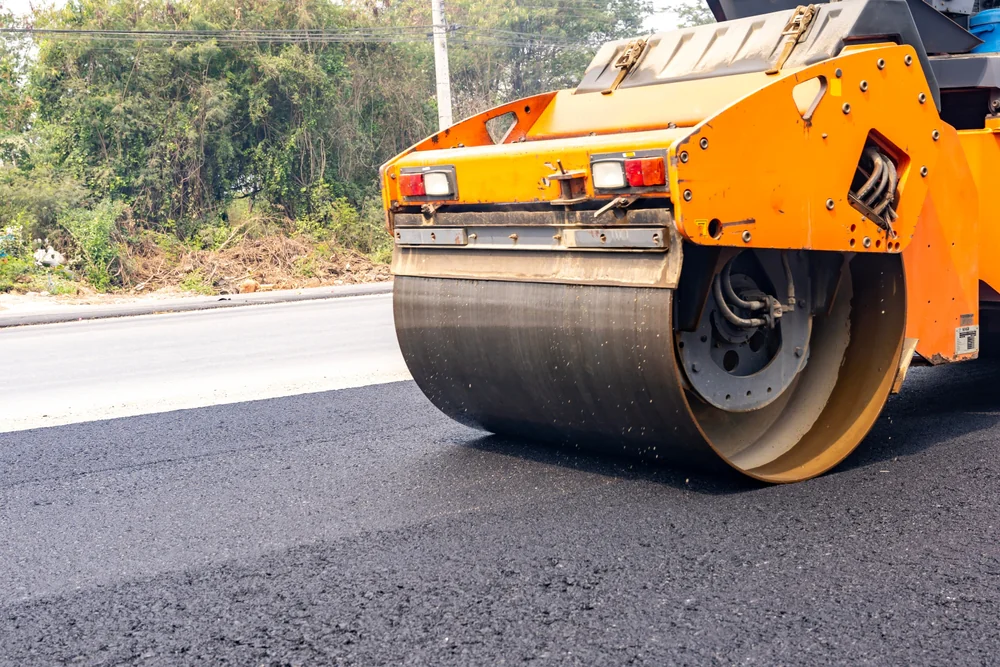
Properly installed commercial asphalt lasts 15 to 20 years in this area. That number assumes correct base preparation, appropriate material thickness for your traffic load, and reasonable maintenance over time.
What kills pavement early is poor installation. Contractors who skip proper base compaction or use insufficient asphalt thickness create surfaces that fail in 2 to 3 years. You end up paying twice—once for the bad job, once for the replacement.
Pennsylvania’s climate is hard on asphalt. Freeze-thaw cycles, temperature swings, and moisture all take their toll. That’s why base preparation and drainage matter so much here. Water that can’t drain properly seeps into the base, freezes, expands, and cracks your surface from below. Proper grading prevents that.
An overlay means paving over your existing asphalt. Full replacement means tearing out the old surface and starting from scratch. Which one you need depends on your current lot’s condition.
Overlay works when your existing pavement is structurally sound with only minor surface issues—some hairline cracks, slight wear, but no major failures. The base underneath is still stable. An overlay adds a new surface layer, extending the lot’s life at lower cost than full replacement.
Full replacement is necessary when your lot has major structural problems. That includes large cracks, potholes, areas where the base has failed, significant settling, or drainage issues. Paving over a failing base just hides problems temporarily. Within a year or two, the new surface fails along with the old base underneath. Full replacement fixes the foundation, not just the surface.
ADA compliance starts with the right number of accessible spaces based on your total parking capacity. Those spaces need specific dimensions—wider than standard spots, with proper access aisles. Van-accessible spaces require even more clearance.
Striping has to be clear and properly marked. That means the International Symbol of Accessibility painted on the pavement, plus vertical signage that can’t be blocked by parked vehicles. The spaces need to be on the shortest accessible route to your building entrance.
Curb ramps are required where accessible routes cross curbs. These ramps need proper slope ratios, detectable warnings, and smooth transitions. The entire path from accessible parking to your building entrance must be free of obstacles and meet slope requirements. Getting this wrong brings fines and legal exposure. Getting it right means your property is accessible and compliant.
Standing water is one of the fastest ways to destroy asphalt. Water that pools on your lot’s surface eventually works its way into small cracks. In Pennsylvania winters, that water freezes, expands, and makes those cracks bigger. The cycle repeats until you’ve got potholes and pavement failure.
Proper drainage starts with correct grading during installation. The lot needs enough slope to move water off the surface and toward drainage points—but not so much slope that it creates other problems. Most commercial lots need at least a 2% slope toward storm drains or drainage outlets.
Poor drainage also damages your building foundation when water pools near the structure. It creates safety hazards for customers and employees walking through standing water. And it accelerates the breakdown of your asphalt surface, forcing expensive repairs or replacement years earlier than necessary. Drainage isn’t optional—it’s fundamental to pavement longevity.
Experience with commercial projects matters more than residential work. Commercial paving involves different traffic loads, ADA requirements, drainage complexity, and durability standards. A contractor who mostly does driveways won’t have the knowledge you need.
Ask about their process for base preparation and material selection. Contractors who can explain why they use specific asphalt thickness for your traffic patterns, how they’ll grade for drainage, and what base compaction methods they’ll use—those are the ones who know what they’re doing.
Check their track record. How long have they been in business? Can they show you completed commercial projects similar to yours? What do their reviews say? A contractor with decades of local experience understands your area’s climate challenges and has the staying power to stand behind their work. The cheapest bid usually means cut corners somewhere—base prep, material quality, or proper compaction. Those shortcuts cost you more in the long run.
Commercial paving costs depend on your lot’s size, current condition, drainage requirements, and whether you need full replacement or overlay. A straightforward overlay on a structurally sound lot costs less than complete tear-out and replacement with extensive base work.
Factors that affect price include material thickness needed for your traffic load, base preparation requirements, drainage improvements, ADA compliance work, and striping complexity. A retail parking lot with light traffic needs different specs than an industrial site handling heavy trucks daily.
The real question isn’t just upfront cost—it’s cost per year of usable life. A cheap job that fails in 3 years costs more annually than quality work that lasts 20 years. Proper installation with correct base prep and material specs costs more initially but delivers better long-term value. Get a detailed written estimate that specifies material thickness, base preparation methods, and drainage plan. That lets you compare actual scope, not just bottom-line numbers.
Other Services we provide in Silverdale