
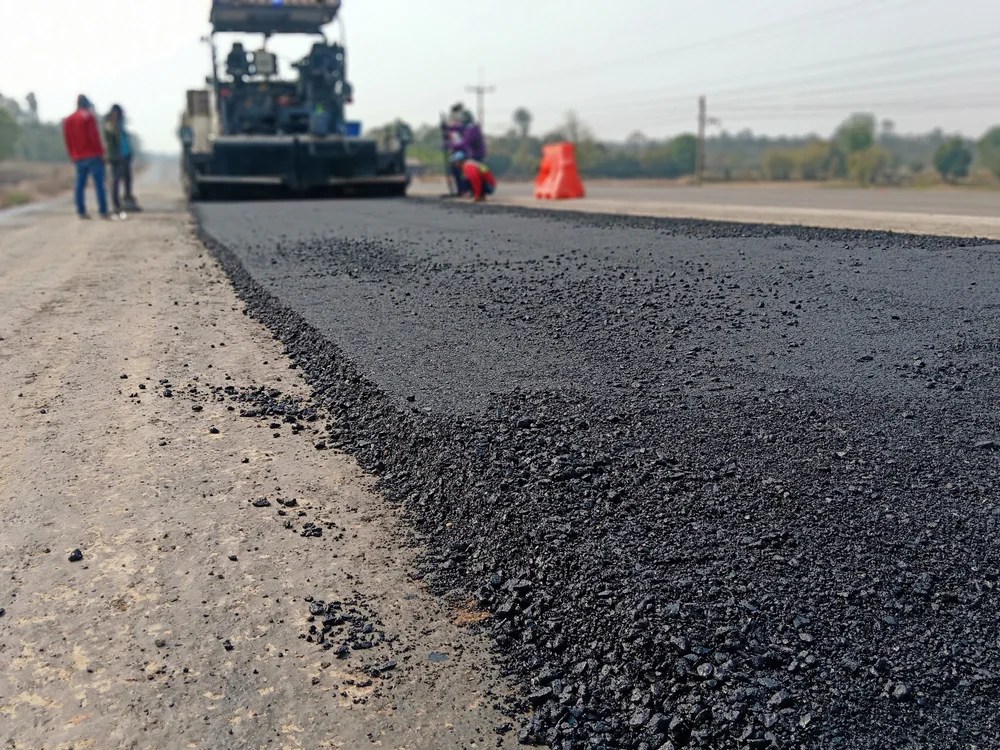
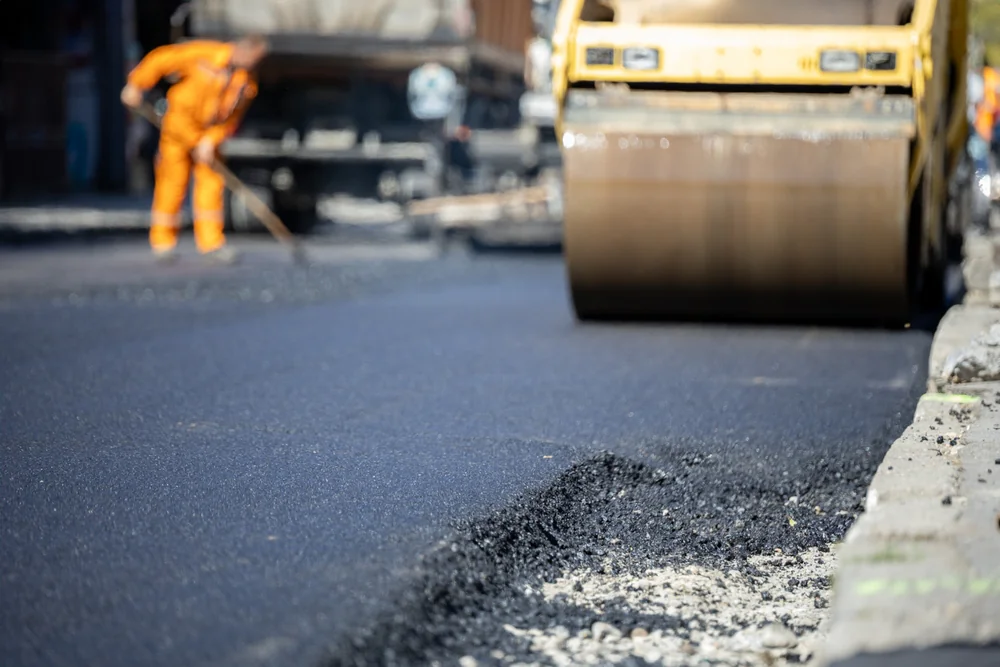
You’re not just getting a new surface. You’re getting a driveway that doesn’t crack in two years. A parking lot that handles water properly. A surface that actually lasts because someone took the time to prep it correctly, grade it right, and use materials that hold up to New Jersey winters.
You’re also getting something harder to find: a contractor who answers the phone. Who shows up when they say they will. Who doesn’t disappear halfway through your project to start someone else’s.
When the work’s done, you’ll have a clean, smooth surface that looks professional and performs even better. No standing water. No settling. No wondering if you just wasted your money on a job that’ll need to be redone in three years.
We have roots in the paving industry dating back to 1948. That’s not a typo. Decades of hands-on experience working on driveways, parking lots, and industrial sites across New Jersey have taught us what works and what doesn’t.
Bloomsbury properties face real challenges—freeze-thaw cycles, drainage issues, soil conditions that vary from one street to the next. We know how to handle them because we’ve been doing it for generations. Our crew focuses on one job at a time, which means your project gets full attention from start to finish, not a rushed team splitting time between three other sites.
Five-star reviews on Angie’s List and industry recognition back up what customers already know: we do what we say we’ll do.
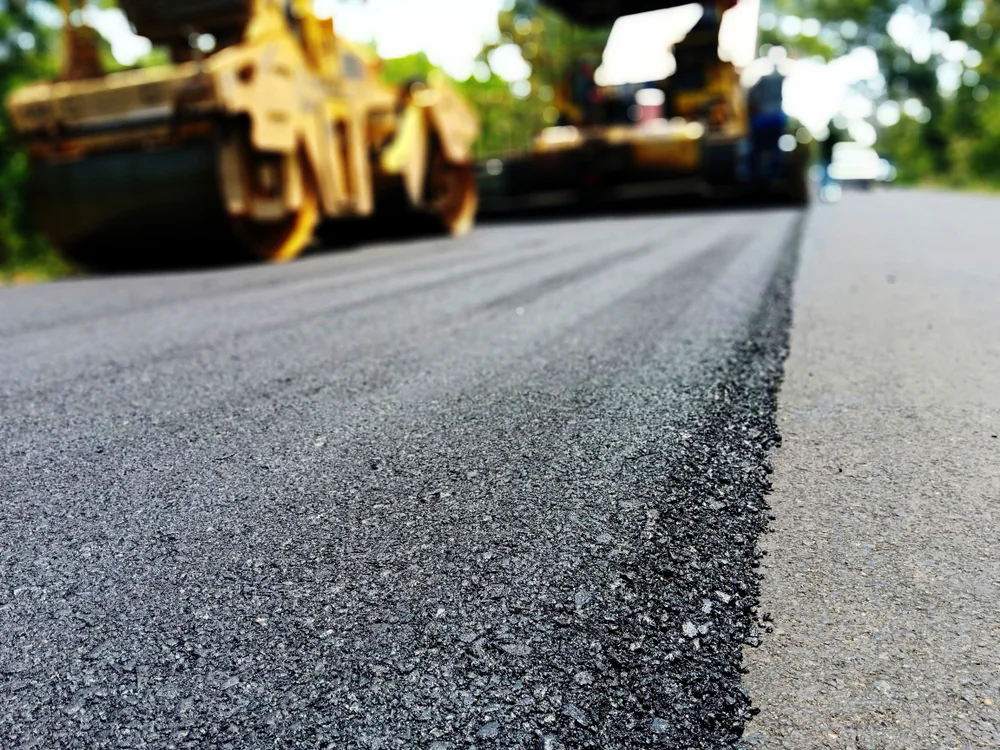
First, you get a site assessment. Not a rushed estimate—an actual look at your property’s grading, drainage, and soil conditions. This matters because problems below the surface cause problems above it.
Next, you get a transparent quote. No hidden fees. No surprises when the work’s done. You’ll know what you’re paying for and why.
Then the prep work begins. This is where most contractors cut corners, but it’s also where quality is won or lost. Proper excavation, grading, and base preparation ensure your asphalt has a solid foundation. If water management is an issue, we address it now, not after your new driveway starts pooling water.
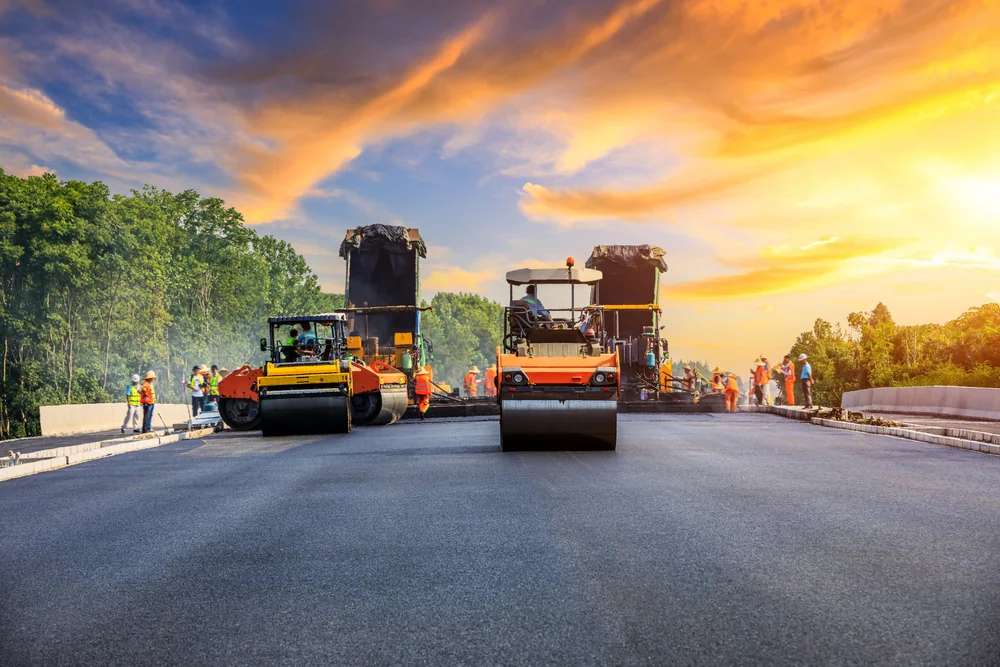
Once the base is ready, asphalt paving begins using the right equipment and techniques. Our crew stays on your job until it’s finished—no bouncing between sites. You’ll get updates throughout the process so you’re never left wondering what’s happening.
After the final pass, you’re left with a smooth, properly sloped surface that’s built to last.
Ready to get started?
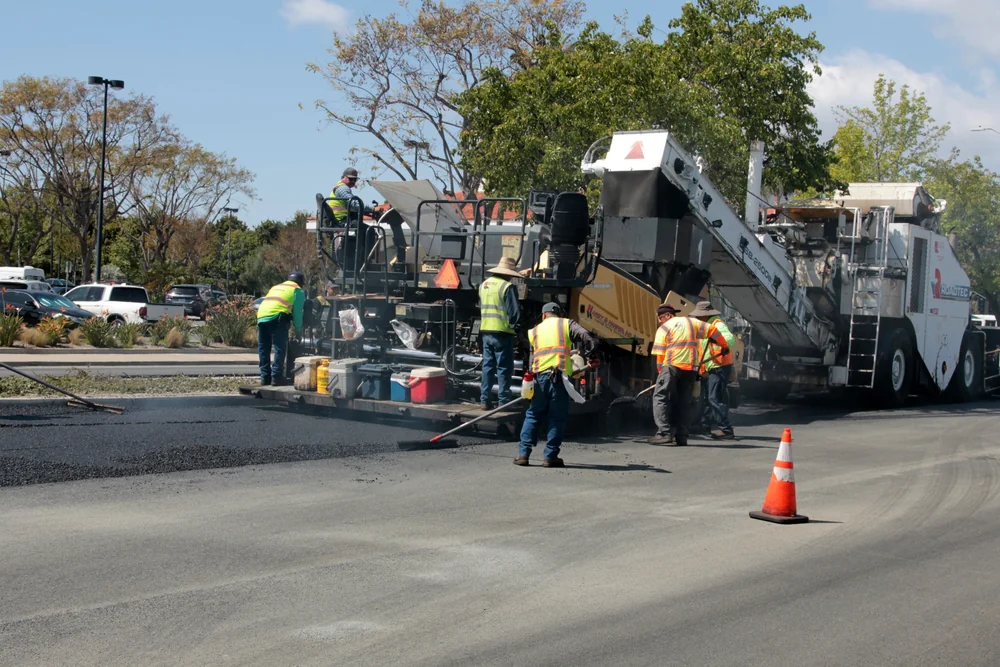
You get residential driveway paving that handles everything from small single-car driveways to larger multi-vehicle properties. You get commercial paving for parking lots, business access roads, and industrial sites. You also get water management solutions and grading services—critical in Bloomsbury where improper drainage can undermine even the best asphalt work.
New Jersey’s climate is tough on pavement. Freeze-thaw cycles, heavy rain, and temperature swings mean your paving contractor needs to understand local conditions. We do. We use materials and techniques proven to hold up in this region, not generic approaches that work fine in Arizona but fail here.
Whether you’re a homeowner replacing an aging driveway or a property manager maintaining a commercial parking lot, you’ll get the same level of care. We treat every project—big or small—with full attention and professionalism. Seniors, military members, and first-time customers also qualify for specialized discounts, making quality asphalt paving more accessible without sacrificing workmanship.
The goal isn’t just to lay asphalt. It’s to create a surface that performs well, looks clean, and lasts longer than you’d expect.
It depends entirely on how it’s installed. A properly installed asphalt driveway in New Jersey should last 20 to 30 years with basic maintenance like sealcoating every few years. But if the base wasn’t prepared correctly, or if drainage issues weren’t addressed, you might see cracking and settling within five years.
New Jersey’s freeze-thaw cycles are brutal on asphalt. Water seeps into small cracks, freezes, expands, and makes those cracks bigger. That’s why proper grading and water management aren’t optional—they’re essential. If water pools on your driveway or doesn’t drain away from the surface, it’ll shorten the lifespan no matter how good the asphalt itself is.
The other factor is traffic. A residential driveway with two cars will last longer than a commercial parking lot with constant heavy vehicle traffic. But even commercial installations can hit that 20-year mark if they’re built right from the start.
Start with reviews. Not just the number of stars, but what people actually say. Are they talking about clear communication? Did the contractor show up on time? Was the final price what they were quoted? Those details matter more than generic praise.
Next, ask how they handle the prep work. Any contractor can lay asphalt on top of dirt, but that’s not how quality work is done. You want someone who talks about excavation depth, base material, compaction, and grading. If they gloss over those details, that’s a red flag.
Also, find out if they’ll be working on multiple jobs at once. Some contractors spread their crew thin across several sites, which means your project gets done in pieces over weeks instead of days. You want a company that commits to finishing your job before starting the next one.
Finally, get everything in writing. Timeline, cost, materials, scope of work—all of it. A contractor who’s confident in their work won’t hesitate to put it on paper.
Most residential driveways in New Jersey run between $3 and $7 per square foot for asphalt, but that range shifts based on site conditions, size, and prep work required. A straightforward 600-square-foot driveway with good drainage and easy access might come in around $2,500 to $3,500. A larger driveway with grading issues, poor soil, or difficult access could easily double that.
The cheapest quote isn’t always the best deal. If one contractor is significantly lower than everyone else, they’re either cutting corners on prep work, using thinner asphalt, or planning to hit you with change orders once the job starts. You’re better off paying a fair price upfront for work that lasts than saving a few hundred dollars on a driveway that needs repairs in three years.
Commercial paving costs vary even more depending on the size of the lot, traffic load requirements, and whether striping or additional features are needed. The best approach is to get a detailed written estimate that breaks down exactly what you’re paying for—excavation, base material, asphalt thickness, grading work, and any drainage improvements.
The main difference is the base and asphalt thickness. Residential driveways typically use a 2 to 3-inch asphalt layer over a compacted stone base because they’re supporting passenger vehicles. Commercial parking lots need a thicker asphalt layer—often 3 to 4 inches or more—and a deeper, more robust base because they’re handling heavier vehicles and constant traffic.
Commercial projects also require more attention to drainage and slope. A parking lot that doesn’t drain properly becomes a liability—water pooling, ice forming in winter, and eventually premature deterioration. Commercial paving often includes striping, ADA-compliant spaces, and curbing, which adds complexity.
The timeline differs too. A residential driveway might take one to three days depending on size and prep work. A commercial parking lot could take a week or more, and often needs to be phased so the business can stay operational.
Both require the same attention to base preparation and grading, but commercial work demands higher load-bearing capacity and more precise engineering. That’s why it’s important to work with a paving contractor who has experience in both residential and commercial projects—they understand the different requirements and don’t try to apply a one-size-fits-all approach.
Late spring through early fall—roughly May through October—is ideal for asphalt paving in New Jersey. Asphalt needs warm temperatures to properly compact and cure. If it’s too cold, the material doesn’t bond correctly, and you end up with a weaker surface that’s more prone to cracking.
Most contractors are busiest in summer, so if you’re planning a project, it’s smart to book in spring or early fall when schedules are more flexible. You’ll often get faster turnaround and sometimes better pricing because demand isn’t as intense.
Winter paving is possible in some cases, but it’s not ideal. Cold temperatures make the asphalt harder to work with, and it doesn’t compact as well. Emergency repairs sometimes can’t wait, but if you’re planning a new driveway or parking lot, waiting for warmer weather will give you better results.
Rain also affects scheduling. Asphalt can’t be installed on wet surfaces, so projects sometimes get delayed if the forecast doesn’t cooperate. A good contractor will be upfront about weather-related delays rather than rushing the job in poor conditions just to stay on schedule.
Yes, sealcoating extends the life of your driveway by protecting it from water, UV damage, and chemicals like oil or gasoline. Think of it like painting a wood deck—it’s a protective layer that prevents the material underneath from breaking down.
Most driveways should be sealcoated every two to three years, but it depends on traffic, weather exposure, and how the driveway is holding up. If you’re starting to see fading or small cracks forming, it’s time. If the surface still looks dark and smooth, you can wait another year.
New asphalt shouldn’t be sealcoated right away. It needs six months to a year to fully cure before applying sealant. Sealing too early can actually trap oils in the asphalt and cause problems.
Sealcoating isn’t a substitute for proper repairs. If your driveway has major cracks, potholes, or drainage issues, sealcoating will just cover them temporarily—it won’t fix the underlying problem. Address structural issues first, then maintain the surface with regular sealcoating to keep it in good shape for years.
Other Services we provide in Bloomsbury