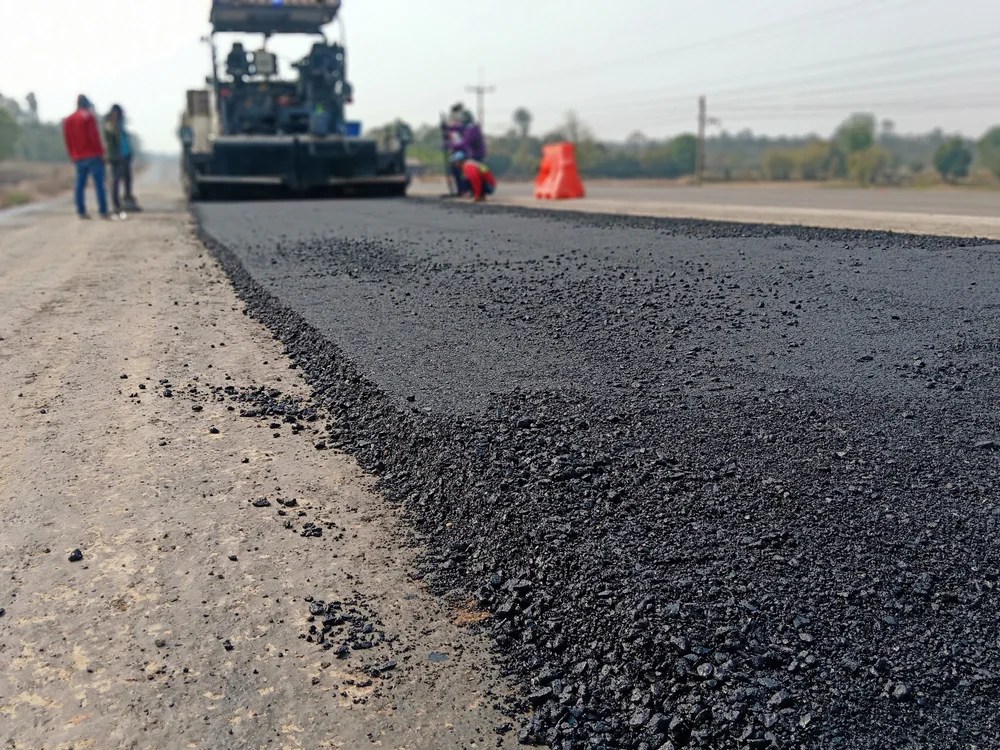
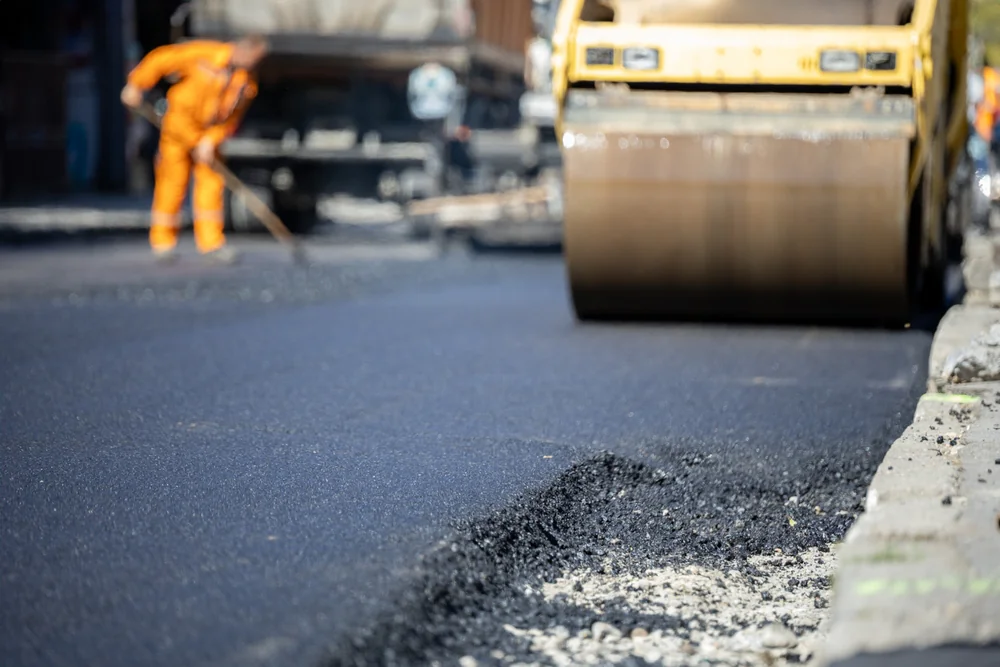
Pennsylvania winters are brutal on pavement. Freeze-thaw cycles crack poorly installed asphalt within a year or two. Water seeps in, expands when it freezes, and turns small cracks into expensive problems.
When your driveway or parking lot is installed correctly from the start, you’re not dealing with potholes every spring. You’re not watching water pool near your foundation. You’re not calling for repairs two seasons after the job was supposed to be finished.
Proper grading moves water away from your property. The right base prevents settling and cracking. Quality materials stand up to temperature swings, UV exposure, and the daily wear your surface actually faces. That’s the difference between asphalt that lasts 15-20 years and asphalt that needs work in year three.
We’ve been in this industry since 1948. That’s not a marketing line—it’s generations of hands-on experience doing residential driveways, commercial parking lots, and industrial paving across Bridgeton and the surrounding area.
The difference here is simple: our crew works on your job until it’s done, then moves to the next one. Not juggling three projects at once. Not rushing to get to another site. Your project gets the time and attention it actually needs.
Every property has different drainage issues, soil conditions, and usage demands. We treat each job like it’s the only one that matters, because while it’s happening, it is. That approach has earned us five-star reviews and repeat clients who know what to expect: honest communication, quality work, and a finished product that holds up.
First, there’s a site assessment. We look at your existing surface, check drainage patterns, and identify any grading issues that need fixing. If your property has water problems, they get addressed before any paving happens. Skipping this step is how contractors create recurring headaches for property owners.
Next comes excavation and base preparation. Old asphalt or damaged material gets removed. The base layer is graded properly to direct water away from structures and prevent pooling. This foundation work determines how long your new asphalt lasts—it’s not the part you see, but it’s the part that matters most.
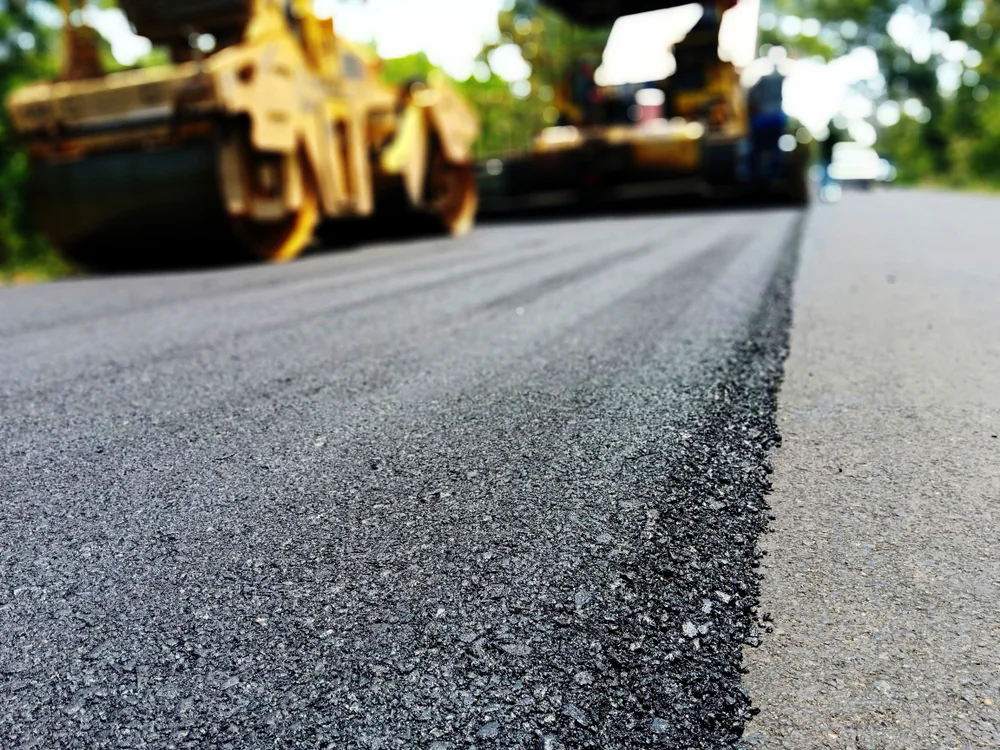
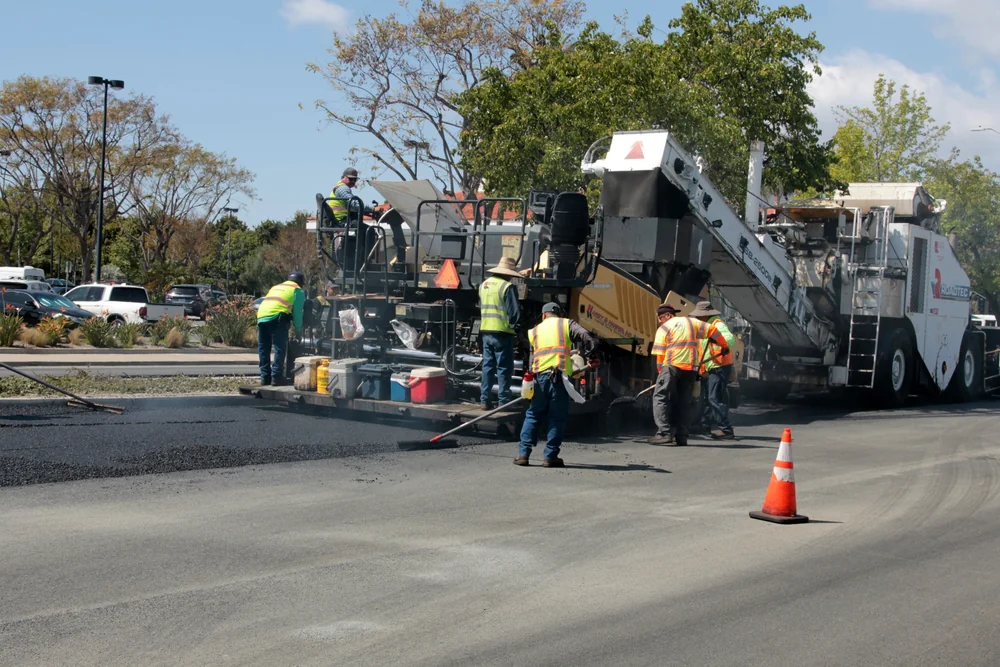
Then the asphalt gets installed. Hot mix asphalt is laid at the proper thickness for your specific use—whether that’s a residential driveway handling two cars or a commercial lot managing daily traffic. The surface is compacted correctly to prevent premature settling or cracking.
Finally, there’s edge work and finishing. Transitions are smoothed, joints are sealed where needed, and the surface is left to cure properly. You’ll get clear guidance on when you can use the new pavement and what to expect as it settles. No surprises, no guessing.
Ready to get started?
Every paving project starts with a transparent estimate. You’ll know what work is being done, why it’s necessary, and what it costs before anything begins. No hidden fees showing up later.
For residential paving in Bridgeton, that typically means driveway installation, resurfacing, or repairs. We handle everything from small residential driveways to larger properties with multiple parking areas. The focus is on proper drainage, long-lasting materials, and a finished surface that improves your property’s curb appeal and function.
Commercial paving projects include parking lots, loading areas, and access roads. These surfaces take heavier use and need to be built accordingly. Proper striping, ADA-compliant layouts, and minimal disruption to your business operations are part of the process. The goal is to get your parking lot functional quickly without cutting corners that lead to early deterioration.
Bridgeton properties face specific challenges—freeze-thaw cycles, varying soil conditions, and weather that tests every paving job. Our approach accounts for these local factors. Water management solutions, proper base preparation, and material selection suited to Pennsylvania’s climate are standard, not extras. Whether you need residential paving for your home or commercial paving for your business, we offer specialized discounts for seniors, military members, and first-time customers, making quality asphalt paving services accessible without sacrificing the workmanship that protects your investment.
A properly installed asphalt driveway in Bridgeton typically lasts 15 to 20 years, but that timeline depends entirely on the quality of installation and how well you maintain it. Pennsylvania’s freeze-thaw cycles are tough on pavement—water gets into small cracks, freezes, expands, and creates bigger problems.
The driveways that make it to 20 years or beyond have three things in common: proper base preparation that prevents settling, correct grading that moves water away from the surface, and regular maintenance like sealcoating every few years. Driveways that fail early usually have drainage issues or a weak base that wasn’t addressed during installation.
If you’re replacing an old driveway, pay attention to why it failed. Was water pooling in certain spots? Were there cracks along the edges? Those problems will come back unless the underlying issues get fixed. A good paving contractor identifies these issues upfront and builds them into the plan.
Resurfacing means adding a new layer of asphalt over your existing driveway. It works when your current base is still solid but the surface is worn, cracked, or faded. You’re essentially giving your driveway a new top layer without tearing everything out. It’s faster and less expensive than a full replacement.
Replacement means removing the old asphalt completely, addressing any base or drainage problems, and installing new asphalt from the ground up. You need a full replacement when your driveway has major structural issues—deep cracks, significant settling, or drainage problems that cause water to pool or run toward your foundation.
Here’s how to know which one you need: if your driveway has surface-level wear but no major structural damage, resurfacing probably makes sense. If you’re dealing with potholes, large cracks, or sections that have sunk or shifted, replacement is the smarter investment. An experienced asphalt contractor should assess your specific situation and explain which option will actually solve your problem long-term.
Asphalt paving costs in Bridgeton vary based on the size of your driveway, the condition of the existing surface, and what prep work is needed. A straightforward residential driveway replacement typically costs less than one that requires extensive excavation, grading corrections, or drainage solutions.
The price you pay should reflect the actual work being done—not just the asphalt itself. Proper base preparation, grading for drainage, and quality materials cost more upfront but save you money over the life of your driveway. Cheap paving jobs that skip these steps end up costing more when you’re repairing or replacing the driveway again in five years.
When you’re comparing estimates, make sure you’re comparing the same scope of work. Some contractors quote a low price but don’t include necessary prep work or proper base depth. Others include everything you need for a driveway that lasts. The best approach is to get a detailed estimate that breaks down what’s included, ask questions about anything unclear, and understand what you’re actually paying for.
Yes, sealcoating protects your asphalt investment and extends its lifespan. Sealcoating creates a protective barrier that prevents water from seeping into small cracks, blocks UV damage from the sun, and guards against oil or gas spills that break down asphalt over time. In Pennsylvania, it also helps protect against the freeze-thaw cycles that cause so much damage.
Most driveways should be sealcoated every two to three years, depending on usage and exposure. A driveway that gets heavy use or sits in direct sunlight all day may need sealcoating more frequently. One that’s shaded and sees lighter traffic can go a bit longer between applications.
Wait at least six months to a year after new asphalt is installed before applying sealcoat—fresh asphalt needs time to cure properly. After that, regular sealcoating is one of the most cost-effective maintenance steps you can take. It costs a fraction of what you’d pay for major repairs or resurfacing, and it keeps your driveway looking good while preventing small issues from becoming expensive problems.
Start with proof of licensing and insurance. A legitimate paving contractor carries proper insurance that protects you if something goes wrong on your property. Ask to see documentation—if they hesitate or make excuses, that’s a red flag.
Next, look at their track record. How long have they been in business? Do they have reviews from actual customers you can read? Can they show you examples of completed projects similar to yours? A contractor with a solid reputation won’t have trouble providing references or showing you their work.
Pay attention to how they communicate during the estimate process. Do they take time to assess your property’s specific needs, or do they give you a quick quote without looking at drainage, base conditions, or potential issues? A good asphalt contractor explains what work needs to be done and why, not just what it costs. They should be willing to answer your questions clearly and help you understand what you’re paying for. If the estimate feels rushed or vague, or if the price seems too good to be true, trust your instincts and keep looking.
Asphalt paving works best in warmer weather, typically from late spring through early fall when temperatures are consistently above 50 degrees. Asphalt needs heat to be installed properly—both the ambient temperature and the temperature of the asphalt itself matter for proper compaction and curing.
In winter or very cold weather, asphalt cools too quickly and doesn’t compact correctly. That leads to a weaker surface that’s more likely to crack or fail prematurely. Some contractors will pave in cold weather if you’re desperate, but it’s not ideal and often comes with disclaimers about the quality of the finished product.
If you have an urgent repair that can’t wait until spring, there are cold-patch materials that can temporarily fix potholes or damaged areas. These aren’t permanent solutions, but they can get you through winter until conditions are right for proper paving. The best approach is to plan your paving installation for warmer months when the work can be done correctly and you’ll get the longevity you’re paying for.
Other Services we provide in Bridgeton