Bristol winters are brutal on asphalt. Thirty to fifty freeze-thaw cycles every year mean water gets into cracks, freezes, expands, and tears your pavement apart from the inside out. That’s not a maybe—it’s what happens when the work isn’t done right from day one.
Proper base prep matters. Drainage matters. The thickness of your asphalt matters. When those details get skipped or rushed, you’re looking at cracks, potholes, and expensive repairs within a few years instead of decades.
We handle residential driveways, commercial parking lots, and industrial paving with the same approach: do it right, or don’t do it at all. You’re not getting a crew that’s half-present while juggling other jobs. You get full attention on your project until it’s finished correctly.
We bring nearly 80 years of combined industry knowledge to every project in Bristol and throughout Bucks County. This isn’t a fly-by-night operation that showed up last year—it’s a family tradition built on doing quality work and treating people right.
Our philosophy is simple: treat every client like the top client. That means a homeowner with a 300-square-foot driveway gets the same care and professionalism as a business owner with a 10,000-square-foot parking lot. No project is too small to matter.
Bristol property owners have options when it comes to paving contractors. What sets us apart is our commitment to personalized service, transparent communication, and finding custom solutions for each property’s unique needs—not handing out cookie-cutter estimates and hoping for the best.
First, you get an honest assessment of your property. Not a sales pitch—an actual evaluation of what your driveway or parking lot needs, what it doesn’t need, and what the realistic options are based on your budget and timeline.
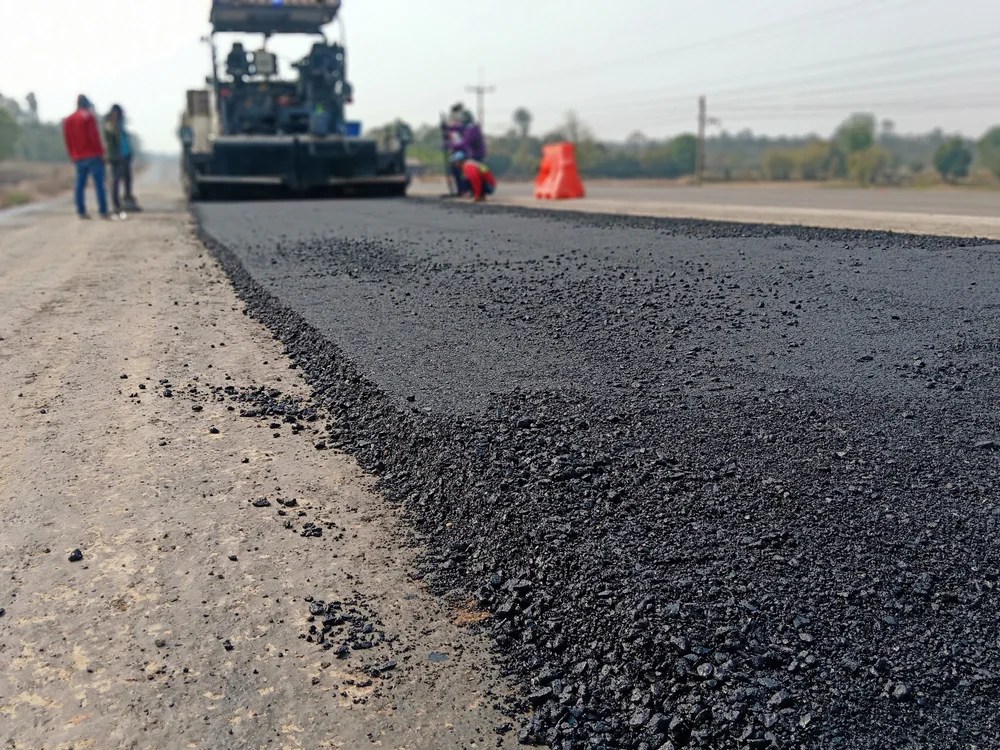
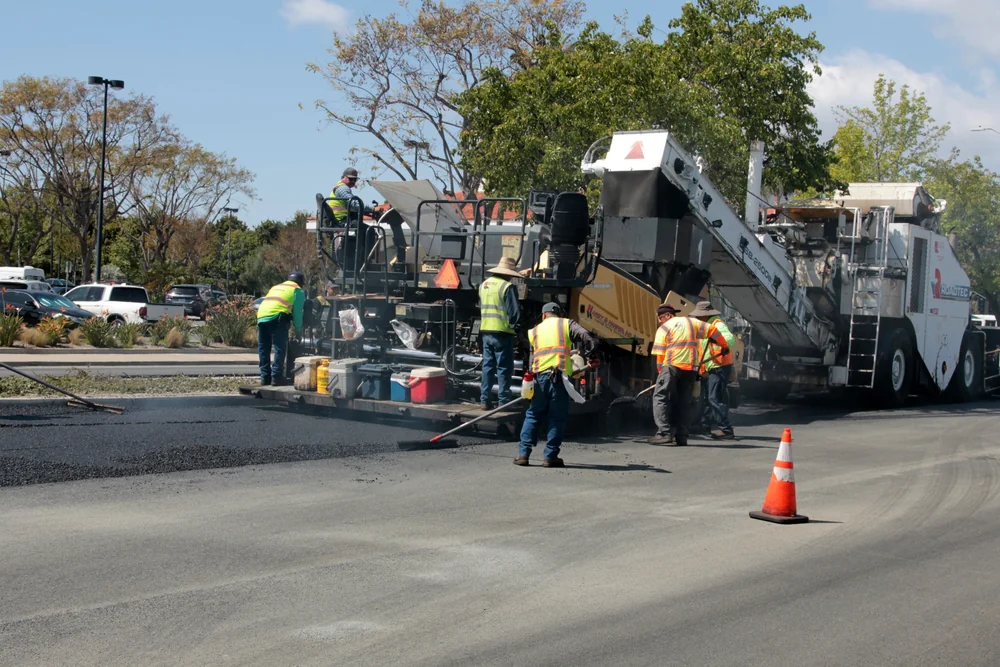
Once you move forward, our crew shows up and focuses entirely on your job. Base preparation comes first because that’s where most paving failures start. If the foundation isn’t solid and properly compacted, nothing above it will last. We take the time to get this step right—proper grading, adequate base material, correct compaction.
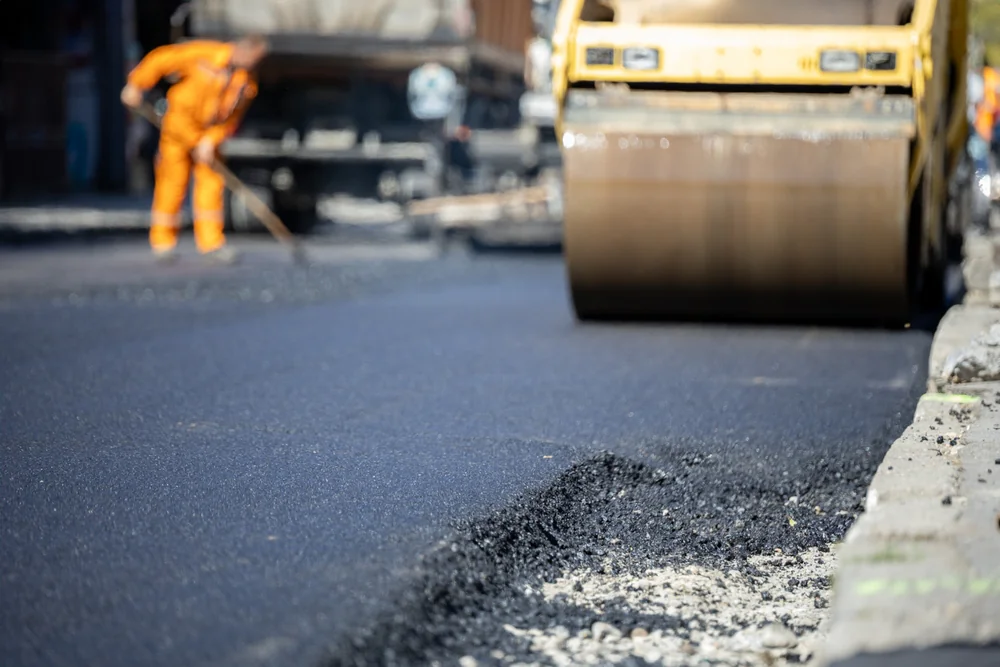
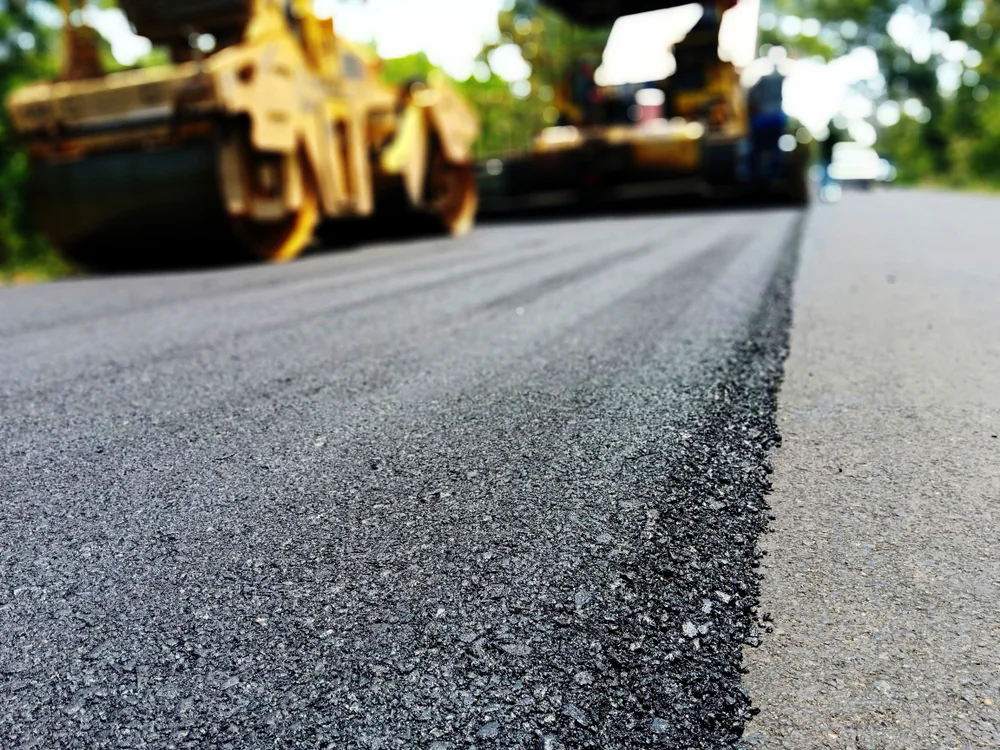
Then comes the asphalt installation. Thickness matters here, especially in Pennsylvania’s climate. Too thin and it won’t hold up to traffic and weather. Our crew works efficiently but doesn’t rush critical steps like compaction and finishing. You get clear communication throughout the project about timing, any unexpected issues, and what to expect next.
After the paving is complete, you get straightforward guidance on curing time and maintenance. No guessing about when you can drive on it or what you should do to protect your investment long-term.
Ready to get started?
We handle the full range of paving needs in Bristol—residential driveways, commercial parking lots, industrial projects, water management solutions, and grading. Each service gets the same attention to detail and commitment to quality workmanship.
For residential properties, that means driveways designed to handle daily use and Pennsylvania’s harsh weather. Proper drainage prevents water from pooling and seeping into cracks. Adequate thickness ensures the surface holds up to vehicles without premature deterioration. The result is a driveway that improves your home’s curb appeal and lasts 20 to 30 years with basic maintenance.
Commercial projects require different considerations—heavier traffic loads, larger surface areas, striping and marking needs, ADA compliance. We bring the experience and equipment to handle these demands without cutting corners. Parking lots that look professional and function properly matter for your business image and customer safety.
Bristol’s location in Bucks County means properties here face specific challenges: freeze-thaw cycles that crack inferior work, drainage issues from varying terrain, and the need for contractors who understand local conditions. Our decades of experience in this area translate to solutions that actually work for your specific property—not generic approaches that might work somewhere else.
We also offer specialized discounts for seniors, military members, and first-time customers. These aren’t gimmicks—they’re a genuine commitment to serving the Bristol community and making quality paving accessible.
With proper installation and regular maintenance, you’re looking at 20 to 30 years for a quality asphalt driveway in Bristol. That lifespan depends heavily on a few critical factors that separate good work from work that fails early.
Base preparation is the foundation of longevity. If the base isn’t properly compacted and graded, your driveway will develop problems regardless of the asphalt quality on top. Adequate thickness matters too—skimping here to save a few dollars costs you years of lifespan. Proper drainage prevents water from undermining the structure and creating those freeze-thaw failures that plague Bristol winters.
Regular sealcoating every two to three years protects the surface from oxidation, UV damage, and water penetration. Prompt crack repair prevents small issues from becoming major structural problems. These maintenance steps can extend your driveway’s life significantly beyond the standard 20 years. We design installations with longevity in mind and provide straightforward guidance on protecting your investment long-term.
Most Bristol homeowners pay between $7 and $22 per square foot for complete driveway paving, including materials and professional installation. For a typical two-car driveway around 600 square feet, you’re looking at roughly $4,200 to $13,200 total. That’s a wide range because several factors affect your specific project cost.
Size is obvious—larger driveways cost more. But thickness, base preparation requirements, drainage solutions, and your property’s accessibility all impact the final price. A straight, easily accessible driveway costs less than one with curves, slopes, or limited equipment access. If your existing driveway needs removal, that adds to the cost versus installing on a properly prepared site.
We provide thorough estimates that clearly explain what’s included in your project cost—quality materials, experienced labor, proper base preparation, complete cleanup, and final inspection. No hidden fees or surprise charges after you’ve already committed. The goal is transparent pricing so you can make an informed decision about your property investment. Timing matters too—spring and summer peak season can mean higher prices due to demand, while off-season scheduling might offer better rates.
Pennsylvania’s climate is particularly harsh on asphalt because of freeze-thaw cycles. Bristol experiences 30 to 50 of these cycles every winter, and each one does damage. Water penetrates small cracks in the asphalt, freezes when temperatures drop, expands as it turns to ice, and creates larger cracks. Then it thaws, more water gets in, and the cycle repeats. This is the leading cause of asphalt deterioration in this region.
Other factors contribute to cracking too. UV exposure causes oxidation that makes asphalt brittle over time. Poor drainage allows water to accumulate and weaken the pavement structure. Inadequate base preparation or insufficient thickness during installation creates weak points that crack under stress. Heavy traffic loads compound these issues, especially if the asphalt wasn’t designed to handle the weight.
The best prevention is proper installation from the start—adequate base material and thickness, good drainage design, and quality hot-mix asphalt. After that, regular maintenance makes the difference. Sealcoating every two to three years protects against oxidation and water penetration. Prompt crack repair prevents small cracks from spreading. We understand Pennsylvania’s climate challenges and use installation and maintenance techniques proven to minimize cracking and maximize your pavement’s lifespan.
If your driveway has minor cracks and surface wear but the structure is still sound, resurfacing or repair is usually the smarter choice. You’re looking at $3 to $20 per square foot for resurfacing versus $8 to $15 per square foot for complete removal and replacement. That’s significant savings if repair will actually solve your problems.
But some situations demand full replacement. If you have major potholes, cracks wider than a quarter inch, drainage issues causing water to pool, or alligator cracking that indicates structural failure, patching won’t fix the underlying problems. If your driveway is more than 20 years old and showing multiple types of damage, replacement often makes more financial sense than throwing money at repairs that won’t last.
The honest answer requires looking at your specific driveway. We provide straightforward assessments of what your property actually needs—not what generates the biggest invoice. Sometimes that means recommending a more affordable repair when replacement isn’t necessary. Other times it means being upfront that repair is just delaying inevitable replacement. You get an honest evaluation based on the condition of your driveway, your budget, and how long you plan to stay in your property.
Spring and summer offer ideal conditions for asphalt paving in Bristol. You need warm temperatures for hot mix asphalt to be installed and compacted properly. Most contractors agree that 50 degrees Fahrenheit is the minimum air temperature, but ground temperature matters even more—cold ground rapidly pulls heat from the asphalt and prevents proper compaction.
Peak season runs roughly March through August, which means higher demand and potentially higher prices. But it also means optimal weather conditions for quality installation. The asphalt cures correctly, compaction happens as it should, and you’re not fighting against weather delays from snow, ice, or ground frost.
Early fall can work well too—you get decent weather conditions without peak season pricing as contractors compete for work heading into the slower months. What you want to avoid is late fall and winter installation unless absolutely necessary. Cold temperatures cause irregularities in the asphalt, the curing process takes longer, and weather delays become more likely. If you have a paving project that can’t wait for warmer weather, work with an experienced contractor who understands how to handle the challenges of cold-weather installation. We can assess your specific situation and timeline to recommend the best approach for your project.
Most asphalt driveways can handle light vehicle traffic within 24 to 48 hours after installation. The asphalt hardens by cooling, which happens relatively quickly compared to concrete that needs days or weeks to cure. But “can drive on it” and “should drive on it” are different questions.
For the first few days, avoid parking in the same spot repeatedly, making sharp turns, or driving heavy vehicles on the new surface. The asphalt is still settling and compacting during this time. Sharp turns can leave marks or small depressions, especially in warm weather when the surface is softer. Parking a heavy vehicle in one spot for extended periods can create indentations.
After about a week, your driveway can handle normal use without restrictions. But the asphalt continues to cure and harden over the next several months. During this time, it’s more vulnerable to damage from extremely heavy loads or sharp objects. You’ll also want to avoid sealcoating for at least six months to a year—the asphalt needs time to cure fully before sealing.
We provide specific guidance based on your installation, weather conditions, and intended use. The goal is protecting your investment during those critical first weeks and months so you get the full lifespan from your new driveway. If you have specific concerns about timing or use restrictions, ask during your consultation—you’ll get straight answers about what to expect.
Other Services we provide in Bristol