You’re not looking for the cheapest option. You’re looking for the one that won’t crack apart in two years or leave you dealing with water pooling in your driveway every time it rains.
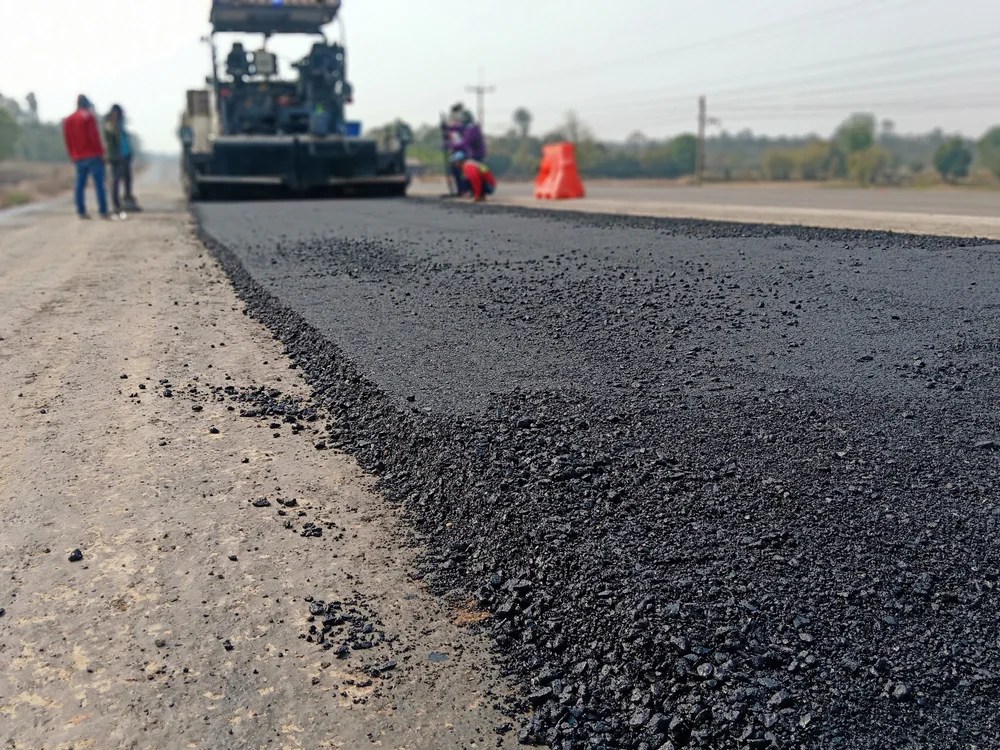
When asphalt paving installation is done correctly from the start, you get a surface that holds up against New Jersey’s brutal freeze-thaw cycles, summer heat, and everything in between. Proper base preparation means water drains where it should. Quality materials mean fewer repairs down the line. And a crew that actually pays attention means you’re not calling someone back six months later to fix what should’ve been done right the first time.
The difference shows up in year five, year ten, year fifteen. Your neighbors are on their second or third contractor. You’re still driving on smooth pavement that looks like it was finished last season.
We’ve been handling paving projects since 1948. That’s not a typo. Decades of hands-on experience across residential driveways, commercial parking lots, and industrial sites throughout East Windsor and Mercer County.
Here’s what that actually means for you: the crew showing up at your property knows how to read your site, spot drainage issues before they become problems, and build a base that won’t settle or shift. We’ve seen what works and what fails in this climate. We’re not learning on your driveway.
Every project gets the same level of care, whether it’s a small residential driveway or a full commercial lot. One job at a time. Full attention. No shortcuts.
First, there’s a site evaluation. Not a quick glance from the truck—an actual assessment of your existing surface, drainage patterns, and what your property needs. If there are issues with the base or water management, you’ll know before work starts, not after.
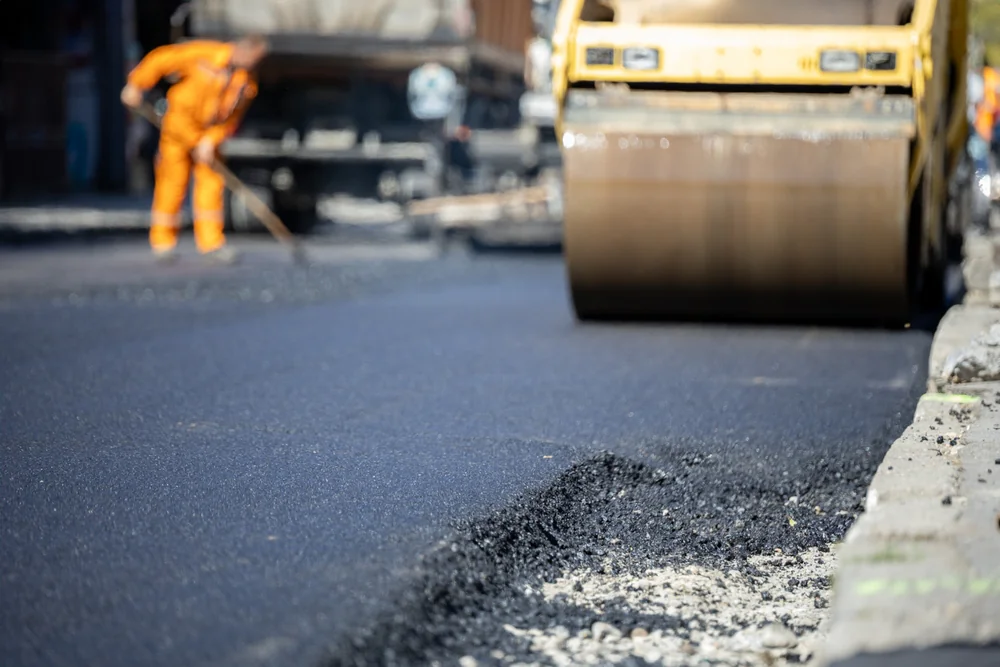
Next comes preparation. Old asphalt gets removed if needed. The base gets graded and compacted properly. This is the part that separates driveways that last from ones that crack apart in three years. If the foundation isn’t solid, nothing above it matters.
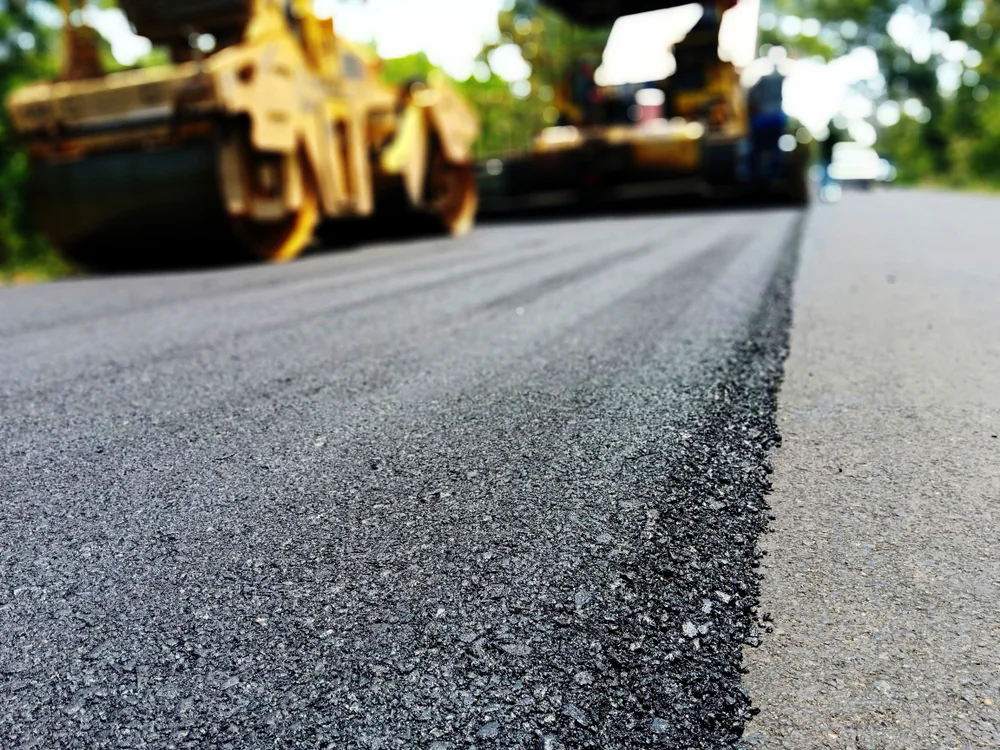
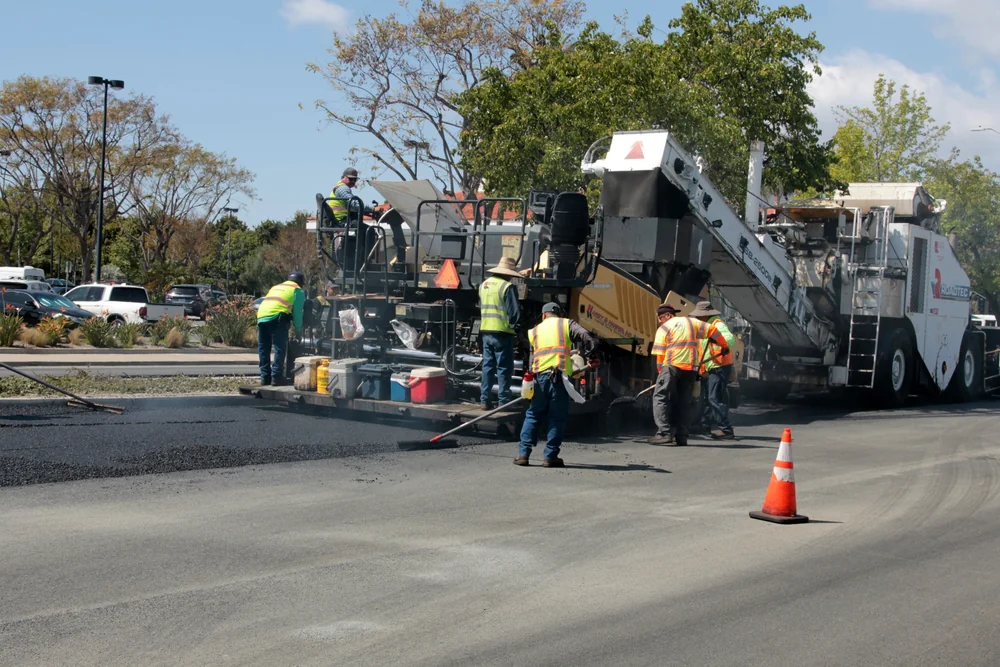
Then the paving happens. Quality asphalt mix, proper thickness for your specific use, and careful attention to slope and drainage. We work methodically because rushing this stage costs you money later.
Finally, there’s a walkthrough. You see the finished work, ask questions, and get guidance on how to protect your investment long-term. No disappearing act. No wondering if something’s off.
Ready to get started?
You’re getting more than just asphalt. You’re getting proper site preparation, drainage solutions that actually work, and materials chosen for New Jersey’s climate—not whatever’s cheapest that week.
For residential driveway paving in East Windsor, that means a surface built to handle daily vehicle traffic, resist winter salt damage, and maintain its appearance for decades with basic maintenance. The base gets compacted correctly. Water gets directed away from your foundation. Edges are finished clean.
Commercial paving projects require heavier-duty construction. Parking lots see constant traffic, heavy loads, and need to meet ADA requirements. The asphalt thickness increases. Striping and marking get planned from the start. Drainage becomes even more critical because water pooling in a commercial lot isn’t just annoying—it’s a liability.
East Windsor’s mix of residential neighborhoods and commercial properties means contractors here need to understand both. The soil conditions in Mercer County, the freeze-thaw patterns, the local drainage challenges—these aren’t things you figure out from a YouTube video. They come from years of working in this specific area.
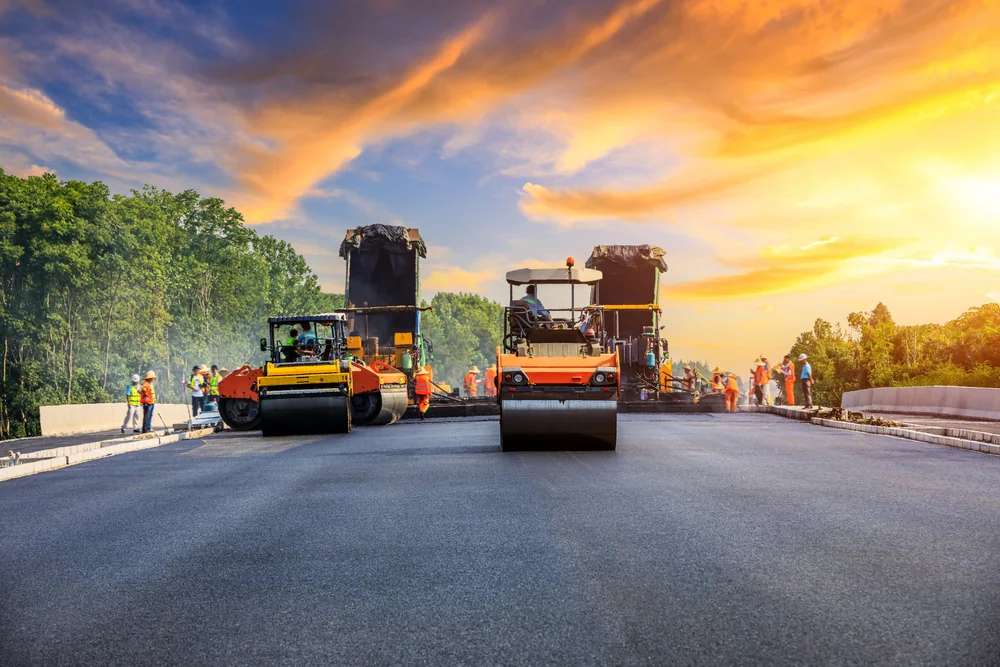
For a standard residential driveway, you’re looking at one to three days depending on the size and whether the old surface needs removal. That includes prep work, paving, and cleanup.
Commercial projects take longer because there’s more square footage and usually more complexity with drainage, striping, and coordinating around business hours. A typical parking lot might take a week or more, but we discuss that timeline upfront so you can plan accordingly.
Weather matters too. If it’s raining or temperatures drop below 50 degrees, quality contractors won’t pave. Asphalt needs proper conditions to cure correctly. Anyone willing to pave in bad weather is someone you don’t want touching your property.
In New Jersey, you’re typically looking at $8 to $12 per square foot for quality asphalt paving that includes proper excavation and base work. Some contractors quote $4 to $6 per square foot. That’s not a deal—it’s a warning sign.
The cheap option usually means thin asphalt over poor base preparation, low-quality materials, or corners cut on compaction. You might save $2,000 upfront. Then you’re spending $5,000 three years later on repairs and resurfacing because the pavement failed prematurely.
Quality work costs more initially because it includes things that actually matter: proper base depth, adequate asphalt thickness, correct compaction, and attention to drainage. That upfront investment is what gets you 20-plus years of service instead of 5 years and a headache.
If you’re seeing surface cracks, minor wear, or fading, resurfacing might work. That’s adding a new layer over existing asphalt that’s still structurally sound underneath.
But if there’s alligator cracking (those interconnected cracks that look like reptile skin), potholes, significant settling, or water pooling in multiple spots, your base has failed. Resurfacing over a failed base is like putting new carpet over rotted floorboards—it looks okay for a minute, then the real problems show through.
We assess your base condition before recommending a solution. If someone’s pushing resurfacing without checking what’s underneath, that’s your cue to get a second opinion from someone who actually cares whether the repair lasts.
Start with licensing and insurance. Any contractor working in New Jersey should have no problem providing documentation. If they hesitate or make excuses, walk away.
Ask about their process for base preparation and drainage. A quality contractor will explain how they evaluate your site, what materials they use for the base, and how they handle water management. Vague answers or dismissing these questions means they’re probably skipping critical steps.
Request local references from projects completed in the past two years. Talk to those customers about communication, timeline accuracy, and how the pavement has held up. Also ask about warranty coverage for both materials and workmanship—good contractors stand behind their work.
Late spring through early fall is ideal—basically April through October when daytime temperatures consistently stay above 50 degrees. Asphalt needs warmth to be applied properly and to cure correctly.
You can technically pave in cooler weather if conditions are right, but winter paving is risky. The asphalt doesn’t bond as well, compaction becomes difficult, and you’re more likely to have problems down the road.
Summer is the busy season, so scheduling gets tighter and some contractors charge premium rates. If you have flexibility, late spring or early fall can offer better availability and sometimes better pricing, while still providing optimal conditions for quality installation.
You can typically walk on new asphalt within 24 hours. For vehicle traffic, wait at least 48 to 72 hours before driving on it, and avoid parking in the same spot or making sharp turns for the first week.
The asphalt continues curing for several months, even though it’s usable after a few days. During the first 30 days, it’s more susceptible to scuffing from sharp turns, especially in hot weather. Avoid parking heavy equipment or dumpsters on brand new asphalt.
We’ll give you specific guidance based on the weather conditions during your installation, the asphalt mix used, and your property’s specific situation. Protecting your new pavement during those first few weeks matters.
Other Services we provide in Eastwindsor