A driveway or parking lot that doesn’t crack apart after one winter. A surface that drains properly instead of turning into a pond every time it rains. Asphalt that looks clean, holds up under traffic, and doesn’t need a redo in three years because somebody cut corners on the base.
That’s what proper paving installation looks like. You’re not dealing with standing water that seeps into cracks and turns small problems into expensive ones. You’re not watching your property value drop because the front of your building looks like a war zone.
When the work is done with the right thickness, proper grading, and attention to drainage, you get 15 to 25 years of performance. Not 15 months. Your vehicles aren’t dodging potholes. Your customers aren’t tripping on uneven pavement. And you’re not calling someone back next season to patch what should’ve been solid from the start.
We bring nearly 80 years of family tradition to every driveway paving and commercial paving project in Ewing, NJ. That’s not marketing talk—it’s decades of knowing what works in Mercer County’s climate, what fails, and how to build asphalt surfaces that hold up through freeze-thaw cycles and summer heat.
Our crew works one job at a time. Not bouncing between three sites trying to squeeze you in. Your project gets full attention from start to finish, whether it’s a residential driveway or a commercial parking lot. That approach means fewer mistakes, better results, and no surprises.
We treat every client the same way—like they’re the most important one. Because when you’re the one writing the check and trusting someone with your property, you are.
First, the site gets assessed. That means looking at drainage, grading, and what’s happening below the surface. If the base isn’t right, nothing on top of it will last. This is where a lot of paving contractors skip steps to save time. We don’t.
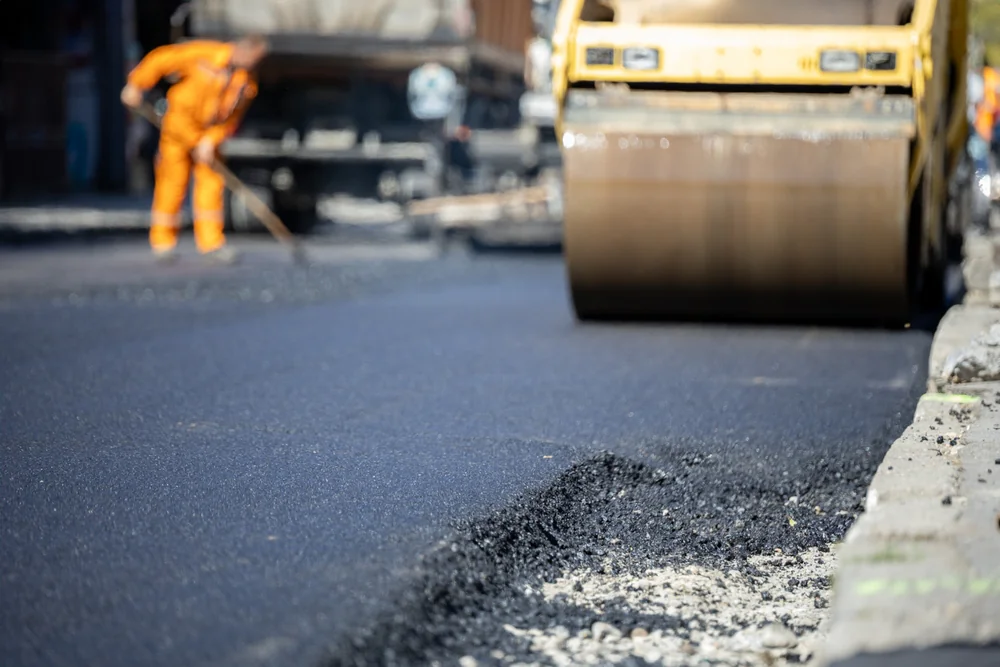
Next comes prep work. Old asphalt gets removed if needed. The base gets graded and compacted properly—not just smoothed over. Drainage gets addressed so water moves away from the surface instead of pooling on it. This part isn’t glamorous, but it’s the difference between asphalt that lasts 20 years and asphalt that cracks in two.
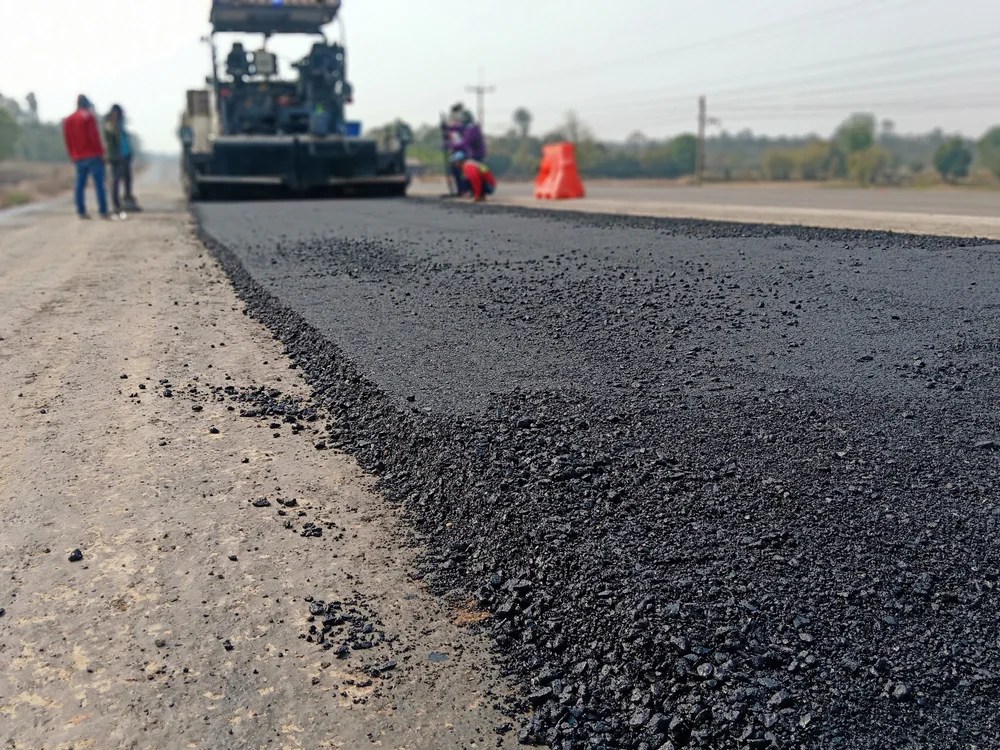
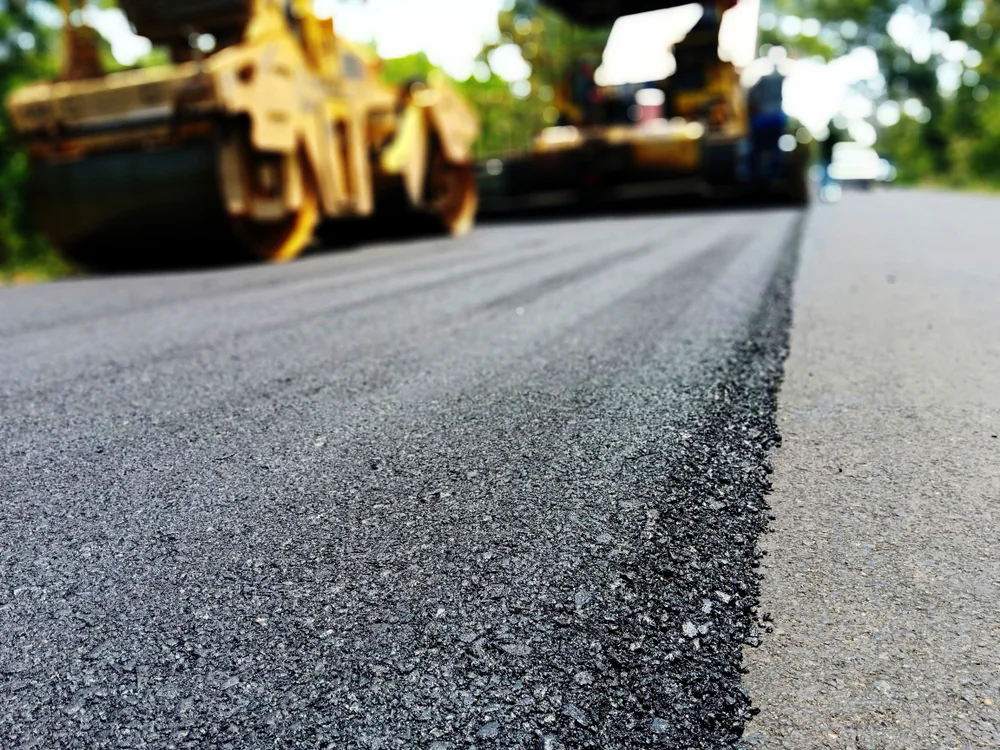
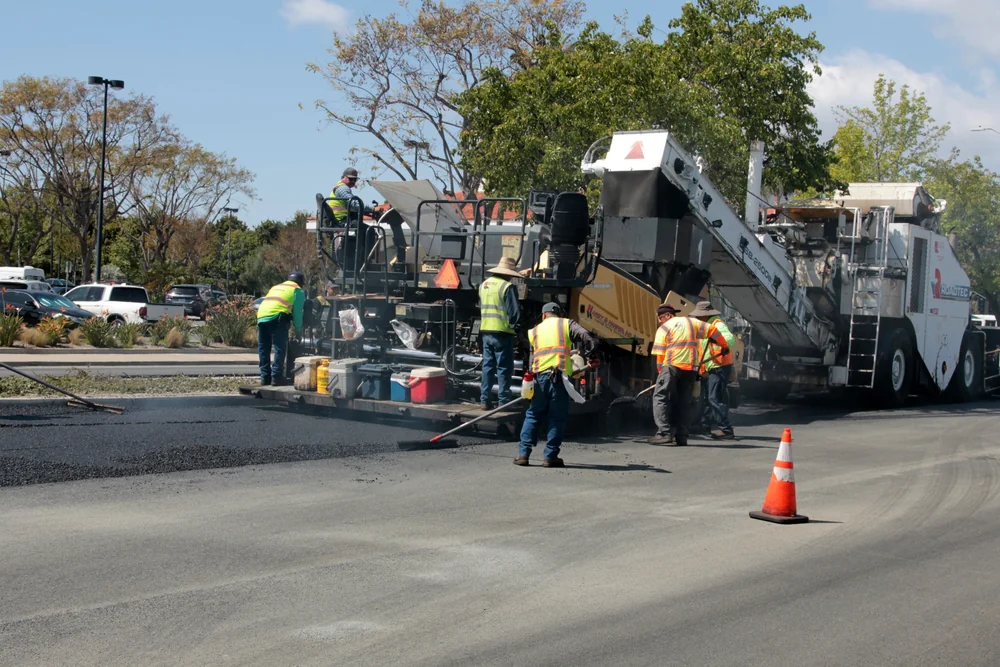
Then the new asphalt goes down at the right thickness. For residential paving, that’s typically 2 to 3 inches over a solid base. For commercial paving or high-traffic areas, it’s thicker. The material gets compacted while it’s still hot to eliminate voids and create a dense, durable surface. Most paving installation projects wrap up in 1 to 3 days depending on size, and you can usually drive on it within 24 to 48 hours.
Ready to get started?
You get a full evaluation of your property’s specific needs—drainage patterns, soil conditions, traffic load, and how water moves across the surface. That assessment determines the right approach instead of applying a generic solution that might not hold up.
The work includes proper base preparation, which is the foundation of everything. If that step gets rushed or skipped, you’ll see cracks and settling within a year or two. We handle grading, compaction, and drainage design as part of the process, not as an afterthought. Whether it’s residential paving for your home or parking lot paving for your business, the same attention goes into making sure the foundation is solid.
In Ewing, NJ, you’re dealing with a climate that swings from freezing winters to hot, humid summers. That means asphalt needs to be installed with those conditions in mind—proper thickness to handle freeze-thaw cycles, quality materials that resist cracking, and a surface that sheds water instead of trapping it. Mercer County properties also benefit from attention to local soil types and drainage challenges common to the area. The goal is asphalt paving services that perform year-round, not just when the weather cooperates.
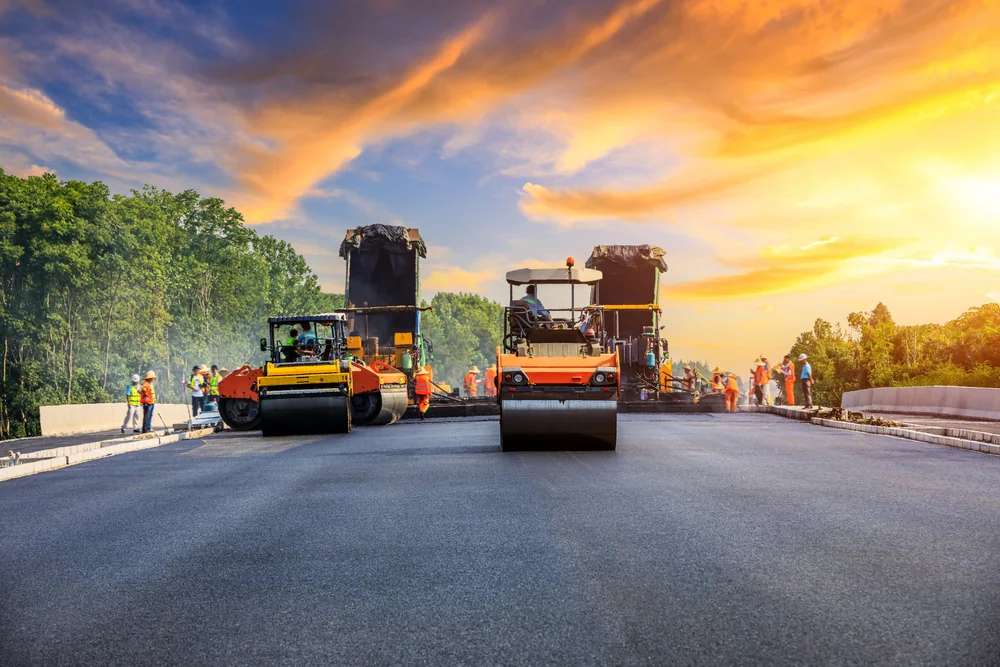
With proper installation and regular maintenance, asphalt typically lasts 15 to 25 years in New Jersey. The wide range comes down to how well the base was prepared, how thick the asphalt layer is, and whether you stay on top of maintenance like sealcoating and crack filling.
If the base wasn’t compacted correctly or drainage wasn’t addressed during installation, you’ll see problems much sooner—sometimes within the first few years. That’s why the prep work matters more than most people realize. A solid, well-graded base prevents settling and water infiltration, which are the main causes of premature failure.
Maintenance extends the life significantly. Sealcoating every 2 to 3 years protects the surface from UV damage, water penetration, and chemical wear. Filling cracks as soon as they appear stops water from getting underneath and causing bigger issues. Ewing’s freeze-thaw cycles are hard on asphalt, so staying ahead of small repairs prevents expensive replacements down the line.
Most early cracking comes from poor base preparation or inadequate drainage. If the sub-base wasn’t compacted properly before the asphalt went down, the surface will settle unevenly and crack as it adjusts. Water is the other major culprit—when it gets under the asphalt and freezes, it expands and breaks the pavement apart from below.
Thin asphalt is another common issue. If the paving contractor only laid down 1 or 1.5 inches instead of the recommended 2 to 3 inches for residential driveways, the surface doesn’t have enough strength to handle weight and temperature changes. You’ll see cracking much faster than you should.
New Jersey’s climate accelerates these problems. Freeze-thaw cycles in winter cause the ground to expand and contract, which stresses any weak points in the asphalt. Heavy rain and poor drainage mean water sits on or under the surface, seeping into small cracks and making them worse. Proper driveway paving—thick enough asphalt, solid base, good drainage—prevents most of these issues before they start.
Asphalt paving in New Jersey typically runs between $3 and $12 per square foot, depending on the scope of work. A standard two-car residential driveway (around 400 square feet) usually costs $3,000 to $5,000, including excavation, base work, and paving. Larger driveways or projects that need extensive prep work will cost more.
Several factors affect the final price. If the old driveway needs to be removed and hauled away, that adds to the cost. If there are drainage issues that need to be fixed or if the base requires significant grading and compaction, those are additional steps that take time and materials. Accessibility matters too—tight spaces or difficult site conditions can increase labor costs.
Commercial paving projects tend to have lower per-square-foot costs because of the larger scale, but they often require thicker asphalt (4 inches or more) to handle heavier traffic loads. The best way to know what your specific project will cost is to get a detailed estimate that breaks down prep work, materials, labor, and any site-specific challenges. Avoid contractors who give you a number without looking at the property first—that’s usually a sign they’re guessing or planning to cut corners.
An asphalt overlay means laying new asphalt on top of the existing surface. It’s faster and less expensive than full replacement, but it only works if the current base is still in good condition. If your driveway has minor surface wear but no major structural issues, an overlay can add years of life at a lower cost.
Full replacement involves removing the old asphalt completely, addressing any base or drainage problems, and installing new asphalt from the ground up. This is necessary when the existing pavement has extensive cracking, potholes, or drainage issues that an overlay won’t fix. Putting new asphalt over a failing base just delays the problem—you’ll end up with the same issues showing through the new surface within a year or two.
We’ll assess your current pavement and recommend the right approach based on its condition. If the base is solid and drainage is working properly, an overlay saves money. If there are structural problems or water pooling, full replacement is the smarter long-term investment. Trying to save money with an overlay when you really need replacement usually costs more in the end because you’ll be redoing the work sooner than expected.
You can typically drive on new asphalt within 24 to 48 hours after installation, depending on weather conditions and the thickness of the pavement. Cooler temperatures and thicker asphalt may require waiting a bit longer to ensure proper curing.
During the first few days, avoid making sharp turns or parking in the same spot repeatedly, especially in hot weather. Fresh asphalt is still curing and can be marked or indented by heavy weight or sudden movements. After about a week, the surface is stable enough for normal use without worrying about damage.
For the first few months, it’s normal for the asphalt to remain slightly softer than it will be long-term. Avoid parking heavy equipment or trailers in one spot for extended periods during this time. The pavement will continue to harden and reach full strength over the first year. Following these guidelines protects your investment and ensures the surface cures properly without premature wear.
Yes, sealcoating protects your asphalt from UV damage, water infiltration, and chemical wear. It’s one of the most cost-effective ways to extend the life of your driveway and keep it looking good. Most contractors recommend sealcoating every 2 to 3 years, starting about 6 to 12 months after the asphalt is installed.
Sealcoating creates a protective barrier that prevents water from seeping into small cracks and causing bigger problems. It also shields the asphalt from sun exposure, which breaks down the binder and causes the surface to become brittle and fade. In Ewing, NJ, where you’re dealing with freeze-thaw cycles and temperature swings, that protection makes a real difference in how long your pavement lasts.
Skipping sealcoating doesn’t mean your driveway will fail immediately, but you’ll see deterioration happen faster. Small cracks turn into bigger ones. Water gets underneath and weakens the base. The surface fades and becomes rough. Regular sealcoating is a small expense compared to resurfacing or replacing asphalt that wore out prematurely because it wasn’t protected.
Other Services we provide in Ewing