
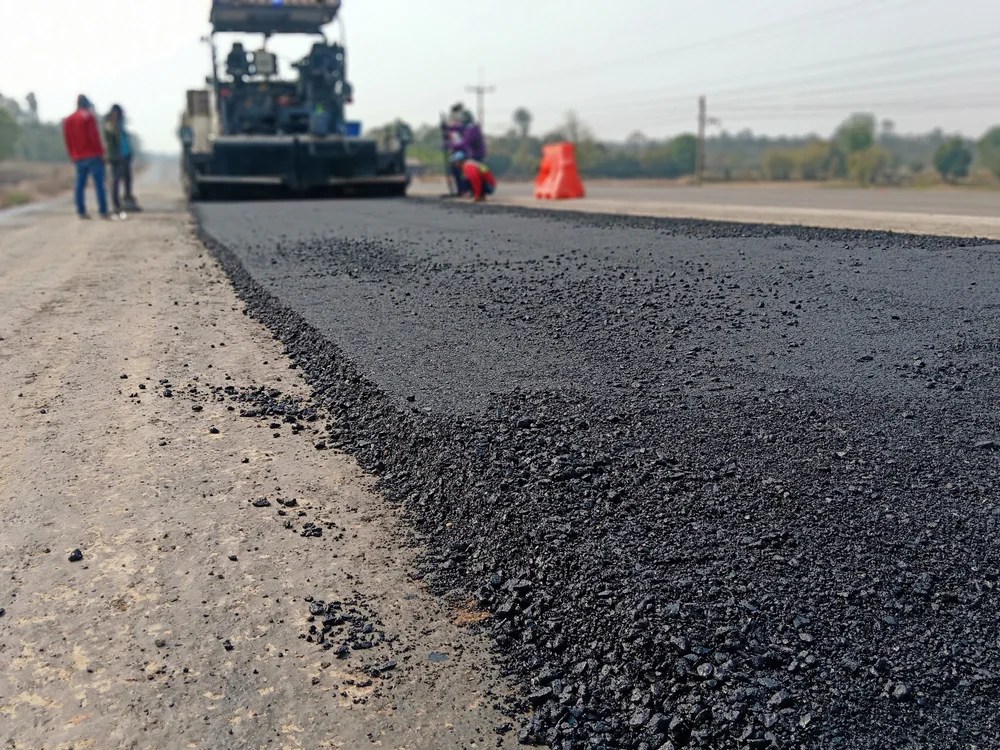
You’re not looking for the cheapest price. You’re looking for a driveway or parking lot that doesn’t crack in two years because someone skipped the base work or rushed the grading.
When we handle your paving installation, the result is a surface that drains properly, holds up under New Jersey winters, and looks clean for years. No standing water. No premature cracking. No callbacks three months later because corners were cut.
The difference shows up in how your property looks and how long the pavement lasts. That’s what happens when a crew takes the time to do it right the first time—proper excavation, correct base depth, quality materials, and attention to drainage before the first truck of asphalt even arrives.
We bring decades of hands-on experience to every residential and commercial paving project in Glen Gardner, NJ. With industry roots going back to 1948, we combine old-school craftsmanship with modern equipment and techniques.
Here’s what sets us apart: we work on one job at a time. That means when your crew shows up, they’re not splitting attention between three other properties. They’re focused on your driveway, your parking lot, your drainage—start to finish.
Glen Gardner property owners deal with everything from clay soil to challenging grades to unpredictable weather. We’ve seen it all and know how to build pavement that handles local conditions. We’re not here to upsell you or disappear mid-project. We’re here to do the work right and earn your trust through results.
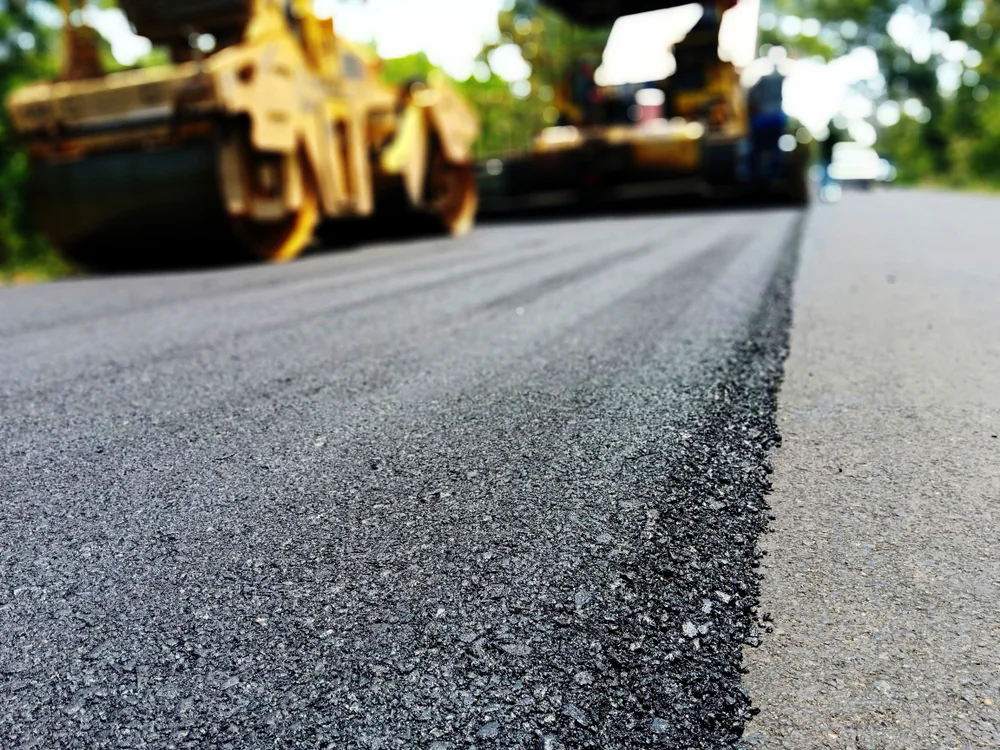
First, the site gets assessed—not just measured, but evaluated for drainage, grading, and soil conditions. This is where you learn what your property actually needs, not what fits a template.
Next comes excavation and base preparation. This is the most important step and the one where most contractors cut corners. We remove unsuitable material, grade for proper water flow, and install a compacted aggregate base—typically 6 to 8 inches depending on your soil and usage. If there are soft spots, they get addressed before any asphalt goes down.
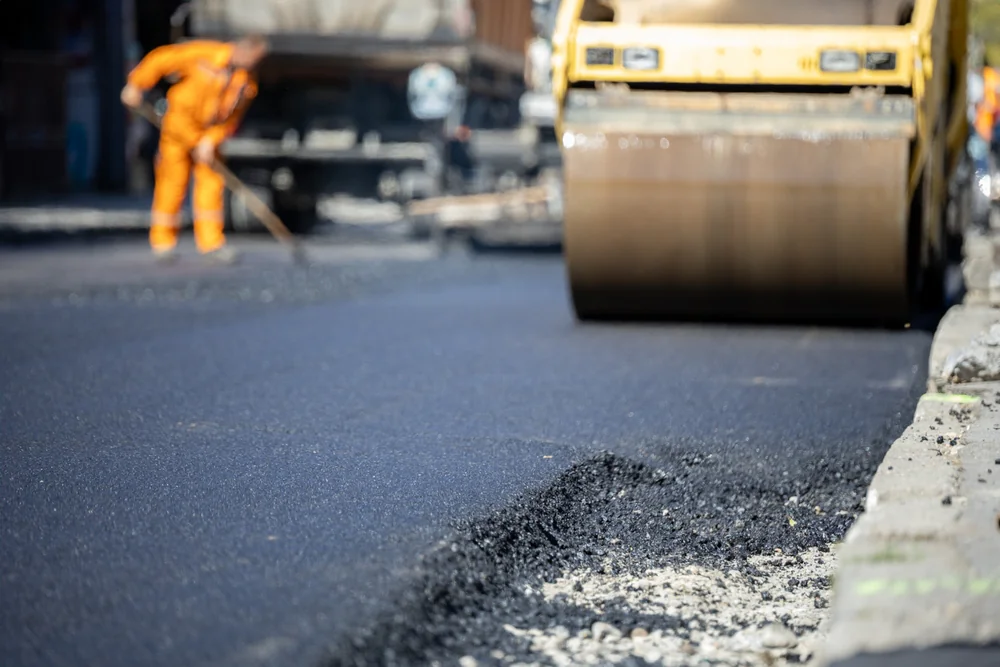
Then the asphalt gets installed in the right thickness for your application. Residential driveways typically get 2 to 3 inches of compacted hot mix. Commercial parking lots that handle heavier traffic get 4 to 7 inches depending on load requirements. We compact everything properly and ensure clean edges and smooth transitions.
Finally, you get a walkthrough and clear guidance on curing time and maintenance. No mysteries, no surprises.
Ready to get started?
Every paving installation from us includes proper site preparation, grading for drainage, compacted aggregate base, and hot mix asphalt application. You also get transparent communication throughout the process—no hidden costs, no surprise charges after the work starts.
For Glen Gardner properties, drainage is critical. The area’s soil conditions and weather patterns mean water management can’t be an afterthought. We design grading and slope to move water away from your home or building, preventing the pooling and ice hazards that destroy pavement and create liability issues.
We handle everything from small residential driveways to large commercial parking lots and industrial sites. Services also include water management solutions, repairs, sealcoating, and custom grading work. Whether you need a new installation or you’re dealing with an existing pavement that’s failing, we’ll assess your situation and recommend the right solution—not the most expensive one.
We also offer specialized discounts for seniors, military members, and first-time customers. Our goal is long-term relationships built on quality work and honest dealing, not one-time transactions.
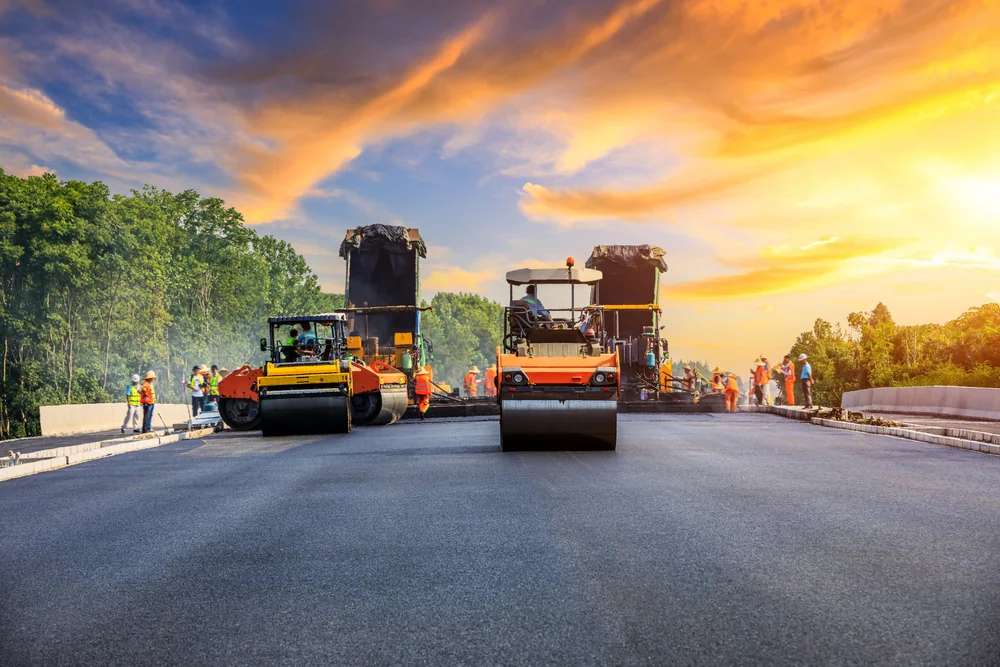
For a typical residential driveway in Glen Gardner, NJ, you need 2 to 3 inches of compacted hot mix asphalt over a proper base. The base is actually more important than the asphalt thickness—you want 6 to 8 inches of compacted crushed aggregate underneath.
If your driveway sees heavier vehicles like delivery trucks or RVs regularly, you might need thicker asphalt or a reinforced base. The key is matching the pavement structure to how you’ll actually use it.
Some contractors will try to sell you thinner asphalt to cut costs, or they’ll skip the proper base entirely. That’s where driveways fail. The asphalt is only as good as what’s underneath it, and proper base preparation prevents the cracking and settling that homeowners deal with a few years down the road.
Drainage. If water sits on your pavement or seeps into the base, you’ll have problems no matter how good the asphalt is.
Proper drainage starts with site grading before any paving happens. The surface needs to slope away from buildings at about a quarter-inch per foot. Low spots where water can pool need to be eliminated. In some cases, you might need catch basins or other drainage solutions depending on your property’s layout.
Glen Gardner’s freeze-thaw cycles make drainage even more critical. Water that gets into cracks or the base layer will freeze, expand, and cause serious damage. That’s why we evaluate drainage carefully during the planning stage—it’s not something you can fix easily after the asphalt is down.
Watch the base preparation. If a contractor shows up and starts laying asphalt without proper excavation, grading, and a compacted aggregate base, they’re cutting corners. The base should be at least 4 to 6 inches of crushed stone, compacted with proper equipment.
Ask specific questions: What thickness of base will you install? How will you handle drainage? What happens if you find soft spots in the soil? A good contractor will explain their process in detail and show you why they’re doing things a certain way.
Also watch for red flags like pressure to decide immediately, cash-only payment, or estimates that jump significantly once work starts. Reputable contractors provide written estimates, explain any changes before proceeding, and stand behind their work. If something feels rushed or unclear, trust that instinct.
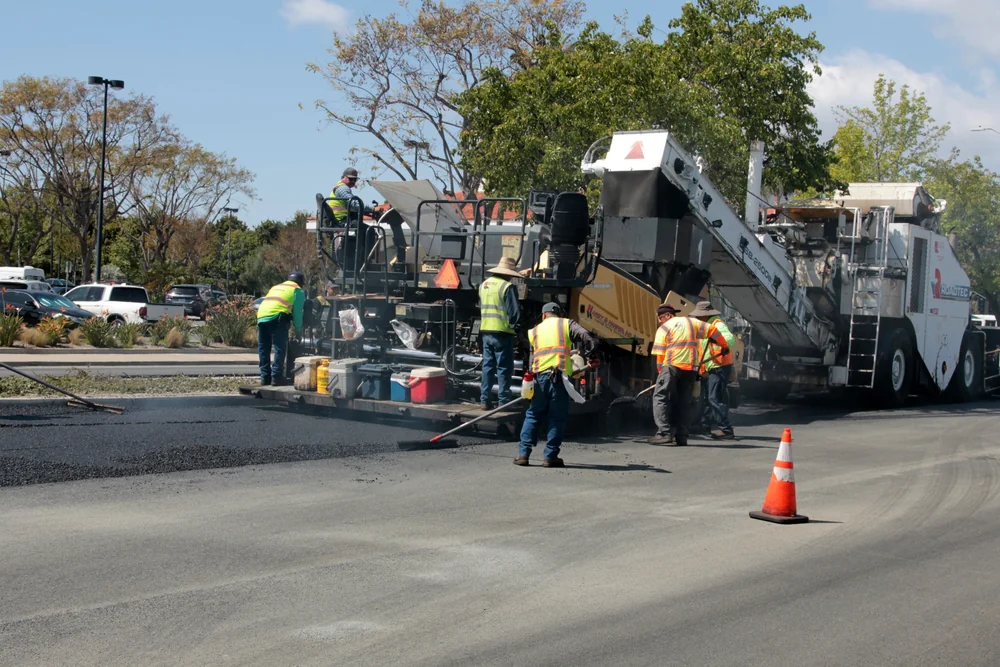
Most residential driveways in Glen Gardner take one to three days depending on size and complexity. Day one typically involves excavation and base preparation. Day two is asphalt installation. Some projects need additional time if there are drainage issues to address or if weather doesn’t cooperate.
The key is that we work on one job at a time. When we start your project, the crew stays until it’s complete. You’re not waiting weeks between phases or wondering when we’ll come back.
After installation, you’ll need to stay off the new asphalt for 24 to 48 hours while it cures. Full curing takes several months, so you’ll want to avoid heavy loads and sharp turns during that period. We’ll give you specific guidance based on weather conditions and your particular installation.
Commercial paving requires thicker asphalt and a more robust base because parking lots handle heavier vehicles and constant traffic. Where a residential driveway might need 2 to 3 inches of asphalt, a commercial lot typically needs 4 to 7 inches depending on expected loads.
Commercial projects also involve more complex drainage requirements, often including catch basins, storm drains, and specific grading to meet local codes. There may be ADA compliance requirements, fire lane markings, and other regulations that don’t apply to residential work.
The equipment and expertise required are different too. A contractor who only does residential driveways isn’t equipped to handle a large commercial parking lot. We handle both because we have the experience, equipment, and knowledge to design and install pavement for any application—from a home driveway to an industrial facility.
Yes, but not right away. New asphalt needs time to cure—typically 6 to 12 months—before you apply sealcoating. Sealing too early can actually trap oils in the asphalt and prevent proper curing.
Once your driveway is ready, sealcoating every 2 to 3 years protects the surface from UV damage, water penetration, and oil spills. It fills small surface cracks and gives your driveway a fresh, dark appearance. Think of it as preventive maintenance that extends the life of your pavement.
Not every driveway needs sealing on the same schedule. If your asphalt is still tight and water-resistant, you can wait. If you’re starting to see surface wear or small cracks, it’s time. We’ll assess your specific situation and recommend timing based on your driveway’s condition, not just a calendar.
Other Services we provide in Glengardner