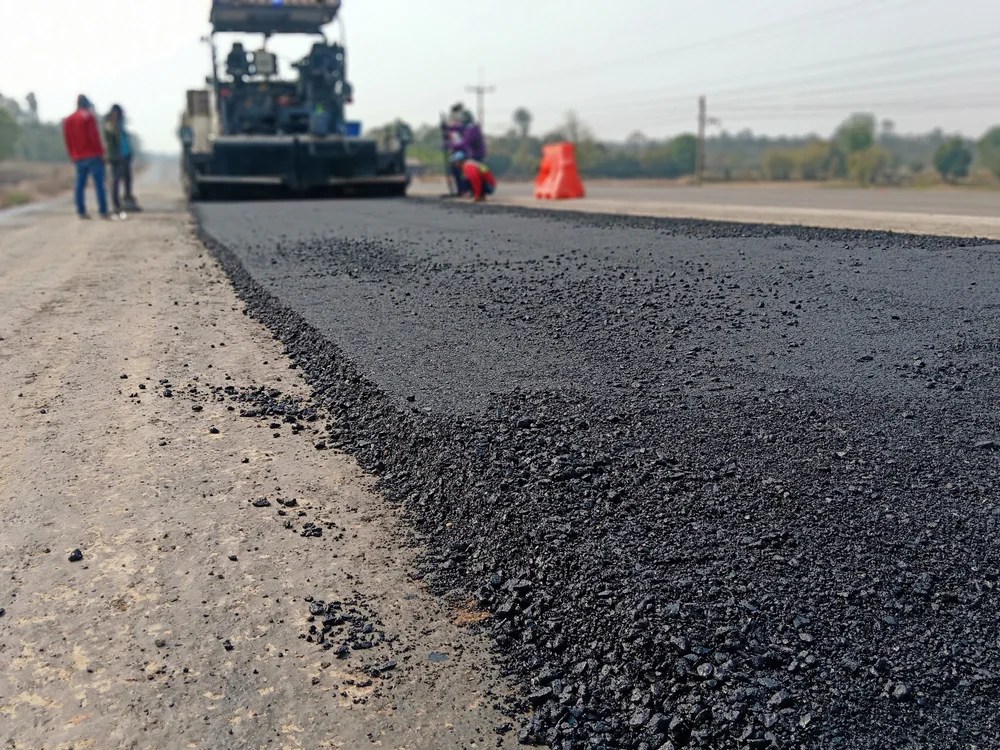
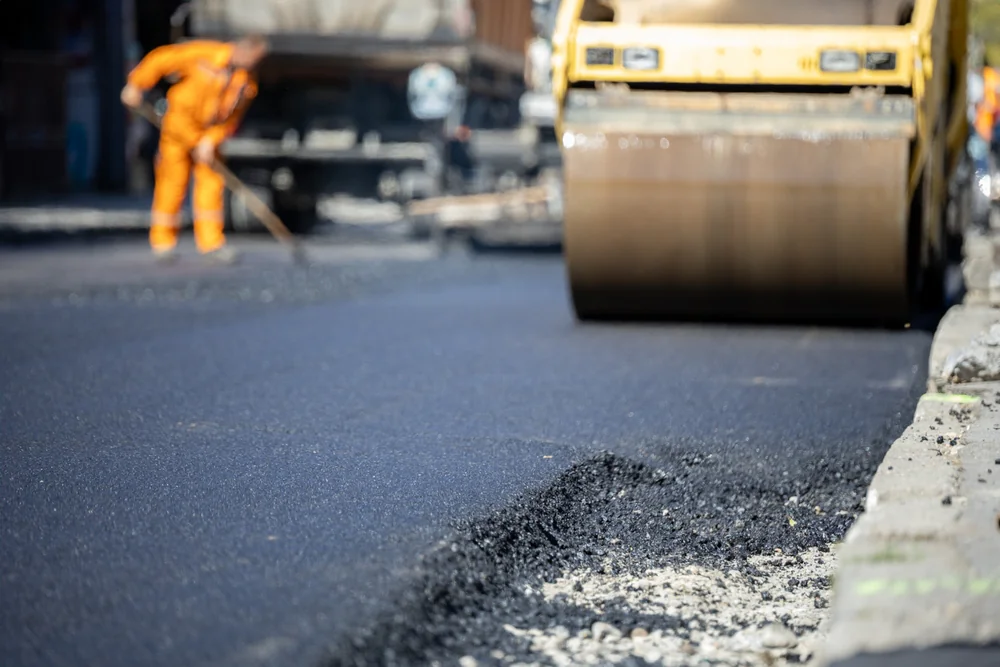
You’re not just paying for asphalt. You’re paying for a surface that drains properly, holds up through Jersey winters, and doesn’t crack apart in two years because someone skipped the foundation work.
When the job’s done, you get a driveway or lot that handles daily use without constant repairs. No pooling water after a storm. No potholes by spring. Just a clean, functional surface that does what it’s supposed to do.
That’s what happens when we take the time to prep the base, grade for drainage, and compact the asphalt correctly. It’s the difference between a quick fix and an actual solution.
We’ve been doing this since 1948. That’s not a typo—our roots in asphalt go back three-quarters of a century, and that experience shows in how we handle projects.
We work on one job at a time. Not bouncing between three sites trying to squeeze everyone in. One project, full attention, done right. Whether it’s a residential driveway in Hamilton Square or a commercial parking lot across Mercer County, the approach stays the same: treat it like it matters, because it does.
We serve both homeowners and businesses throughout Hamilton Square and the surrounding area. We know how New Jersey weather beats up pavement, and we build accordingly.
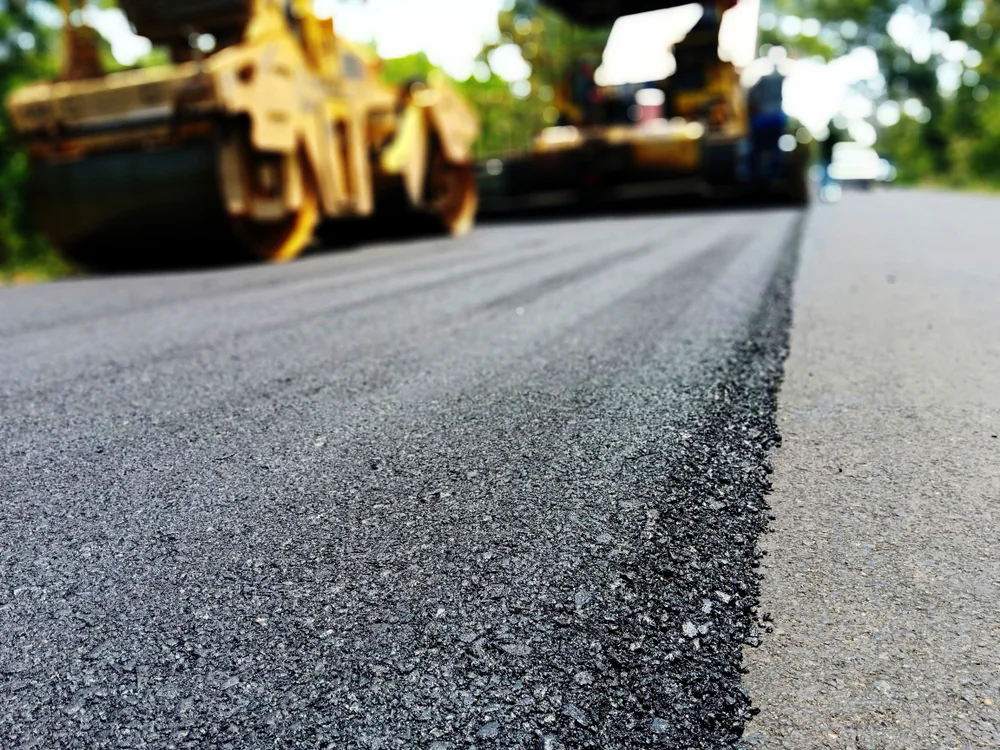
First, we assess the site. We check drainage, look at the existing surface if there is one, and figure out what needs to happen before any asphalt gets laid. If the base is shot, we fix it. If grading is off, we correct it. Skipping this step is how driveways fail early.
Next comes demolition and removal if you’re replacing an old surface. The existing asphalt or concrete gets pulled out, and the area is cleared and prepped. Then the sub-base goes in—this is the foundation layer, usually compacted gravel or stone. It has to be stable and properly graded or nothing on top of it will last.
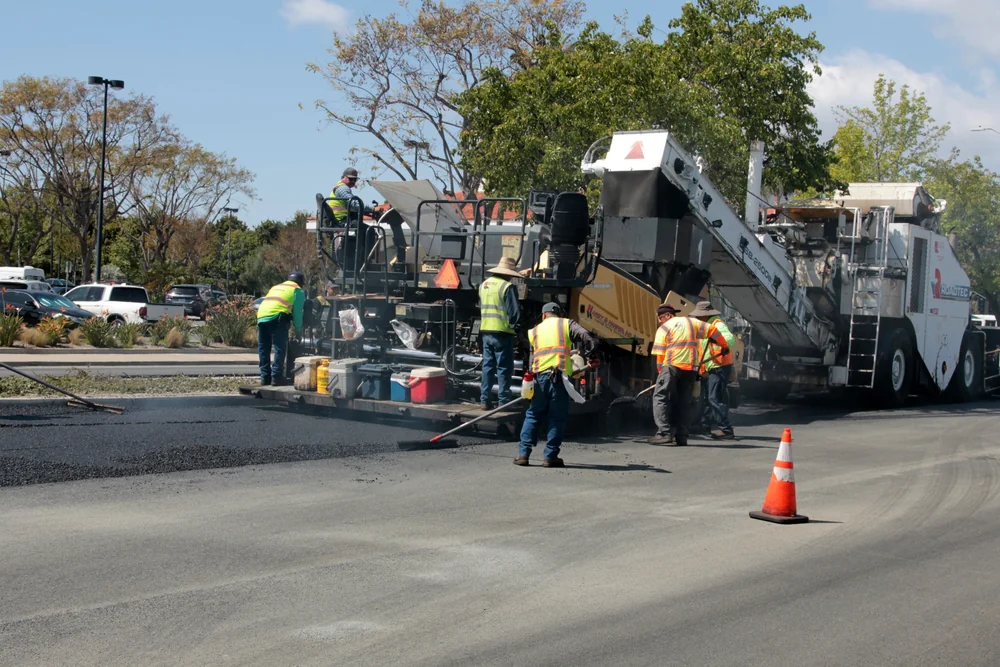
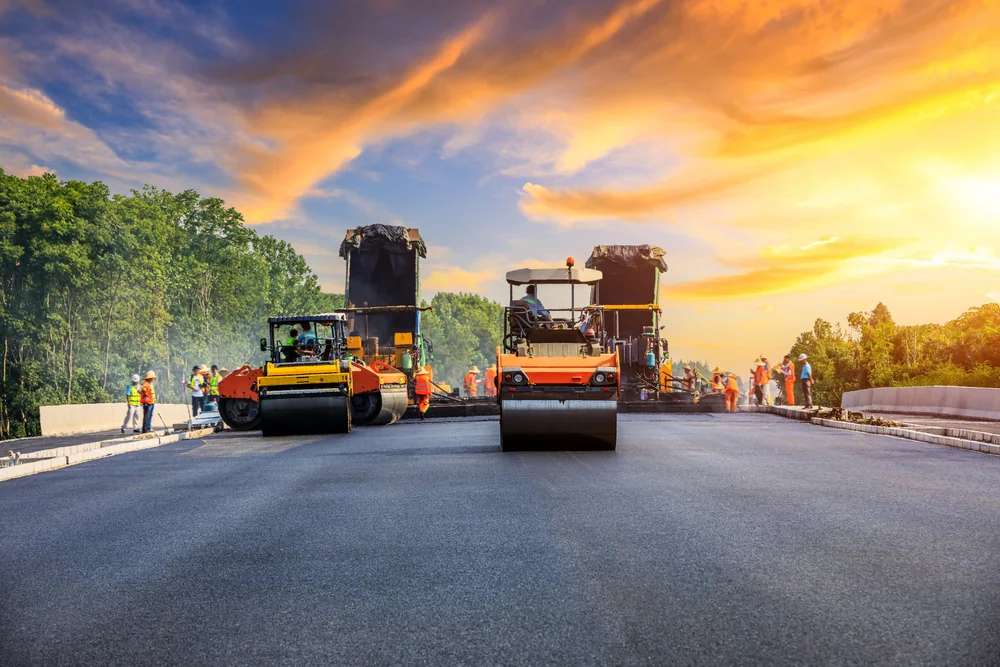
Once the base is solid, the asphalt gets applied while it’s still hot, spread evenly, and compacted with heavy rollers. Compaction matters. It’s what gives the surface its strength and prevents it from breaking down under weight and weather. After that, it needs time to cure—usually a day or two before you can drive on it, a bit longer before it’s fully set.
Ready to get started?
We handle driveways, parking lots, private roads, and commercial paving projects across Hamilton Square and Mercer County. Our services include new installations, overlays, repairs, sealcoating, and water management solutions like proper drainage and grading.
For homeowners in Hamilton Square, that means a driveway built to handle New Jersey’s freeze-thaw cycles without turning into a cracked mess every spring. For businesses, it means parking lots that stay smooth, safe, and ADA-compliant without constant patching.
The local climate here is tough on pavement. Winters freeze, summers bake, and spring rains test every drainage system. We account for all of it—proper base depth, correct asphalt thickness, and grading that moves water away from structures instead of toward your foundation. Projects also come with discounts for seniors, military members, and first-time customers, because the goal is long-term relationships, not one-and-done transactions.
With proper installation and regular maintenance, an asphalt driveway in Hamilton Square should last 15 to 30 years. The wide range comes down to how well the base was prepared, how thick the asphalt layer is, and whether you keep up with sealcoating and crack repairs.
New Jersey’s weather is hard on pavement. The freeze-thaw cycle every winter causes expansion and contraction, which creates cracks if the foundation isn’t solid. That’s why the sub-base matters so much—it has to be thick enough and compacted correctly to handle the stress.
Maintenance extends the life significantly. Sealcoating every few years protects against water infiltration, UV damage, and oil stains. Filling small cracks before they spread prevents bigger problems. Ignore maintenance, and even a well-installed driveway will deteriorate faster than it should.
It depends on the condition of what’s underneath. If your current driveway has a solid, stable base and only surface-level issues like minor cracking or fading, an overlay can work. It’s less expensive and faster than a full replacement.
But if the base has failed—meaning you see major cracking, sinking, or drainage problems—an overlay just puts new asphalt on top of a bad foundation. You’ll end up with the same problems in a year or two, and you’ve wasted money on a temporary fix.
A good contractor will assess the base before recommending a solution. We might pull up a section to check stability or look for signs like alligator cracking or significant settling. If the base is compromised, replacement is the smarter long-term investment. If it’s solid, an overlay can add years of life at a fraction of the cost.
You can typically walk on new asphalt within a few hours, but you should wait 24 to 72 hours before driving on it. The exact timing depends on weather conditions—hot temperatures speed up curing, while cooler weather slows it down.
Even after you start using it, the asphalt continues to cure and harden over the next several months. During the first week, avoid parking in the same spot repeatedly and don’t turn your steering wheel while the vehicle is stationary, as this can leave marks or depressions in the still-soft surface.
For the first few months, be cautious with heavy vehicles or equipment. The surface might look and feel solid, but it’s still gaining full strength. Most contractors recommend waiting at least six months to a year before applying the first sealcoat, which gives the asphalt time to fully cure and any oils in the mix to evaporate.
The main culprit is the freeze-thaw cycle. Water seeps into small cracks or porous areas, freezes when temperatures drop, expands, and creates bigger cracks. When it thaws, the expanded crack remains, and the cycle repeats all winter. Over time, small cracks turn into major damage.
Poor drainage accelerates the problem. If water pools on your driveway instead of running off, it has more opportunity to penetrate the surface. That’s why proper grading during installation is critical—the surface needs a slight slope to direct water away.
Inadequate base preparation is another common cause. If the sub-base wasn’t compacted properly or wasn’t thick enough to handle the load, the asphalt on top will shift and crack under stress. Tree roots, heavy vehicles, and age also contribute, but in New Jersey, weather and water are the biggest factors. Regular sealcoating and prompt crack repair help, but they can’t fix a foundation problem.
Asphalt paving in New Jersey typically ranges from $4 to $12 per square foot, depending on the scope of work. A straightforward overlay on a stable base costs less. A complete tear-out with new base installation, grading corrections, and drainage work costs more.
The size of the project matters, but so does complexity. A flat, easily accessible driveway is simpler than one on a slope or in a tight space. If the existing surface needs to be removed and hauled away, that adds to the cost. If drainage issues need fixing or the base needs significant repair, that adds more.
Material quality and thickness also affect price. A thin layer of asphalt costs less upfront but won’t last as long. A properly thick application with a solid base costs more initially but saves money over time by reducing repairs and extending lifespan. The best approach is to get a detailed estimate that breaks down what’s included—demolition, base work, asphalt thickness, grading, and any extras like sealcoating or edging.
It depends on the scope of work and local regulations. In many New Jersey municipalities, including areas of Mercer County, replacing or installing a driveway may require a permit, especially if it involves changes to drainage, grading, or the driveway’s footprint.
If you’re just resurfacing an existing driveway with an overlay and not changing the size or drainage pattern, you might not need one. But if you’re expanding the driveway, altering how water drains, or doing a complete replacement that affects the property’s stormwater management, a permit is likely required.
We know the local requirements and can often handle the permit process for you. It’s worth confirming before work starts—doing unpermitted work can result in fines and potentially having to redo the project to meet code. When in doubt, check with Hamilton Township’s building or planning department, or ask us to verify what’s needed for your specific project.
Other Services we provide in Hamiltonsquare