You’re not paying for asphalt that cracks in two years. You’re investing in a driveway or parking lot that handles what Langhorne throws at it—30 to 50 freeze-thaw cycles every winter, heavy rain, snow, and summer heat that would buckle cheaper work.
The difference shows up three years in. While other driveways start spiderwebbing with cracks, yours stays smooth. Water drains where it should. You’re not calling for repairs every spring because the base was done right and the asphalt was laid when conditions were optimal.
That’s what proper paving installation gets you. Not just a black surface, but a solution built for your property’s drainage, your soil conditions, and Pennsylvania’s climate. Whether it’s residential paving for your home or commercial paving for your business, the process matters more than the price.
We’ve been in the paving business since 1948. That’s not a sales line—it’s decades of learning what works in Bucks County and what doesn’t.
We focus on one job at a time. Not three jobs in a day with a crew stretched thin, but full attention on your project until it’s done right. That approach has earned us five-star reviews and repeat clients who know what they’re getting: honest communication, transparent pricing, and work that holds up.
Langhorne properties face unique challenges—historic homes with tricky drainage, commercial parking lots that see constant traffic, driveways on slopes that need proper grading. We treat every project like it matters, because it does. Whether you’re a first-time customer, a senior, or military, you get the same meticulous attention and a custom solution for your property.
First, we assess the site. Not a quick glance, but a real look at drainage patterns, soil conditions, and what your property needs. You get a detailed estimate with no hidden costs—just clear numbers and a timeline.
Next comes excavation and base preparation. This is where most contractors cut corners, and it’s where your driveway’s future gets decided. We build a solid foundation using proper grading and quality base materials designed for Pennsylvania’s climate. If water management is an issue, it gets addressed here.
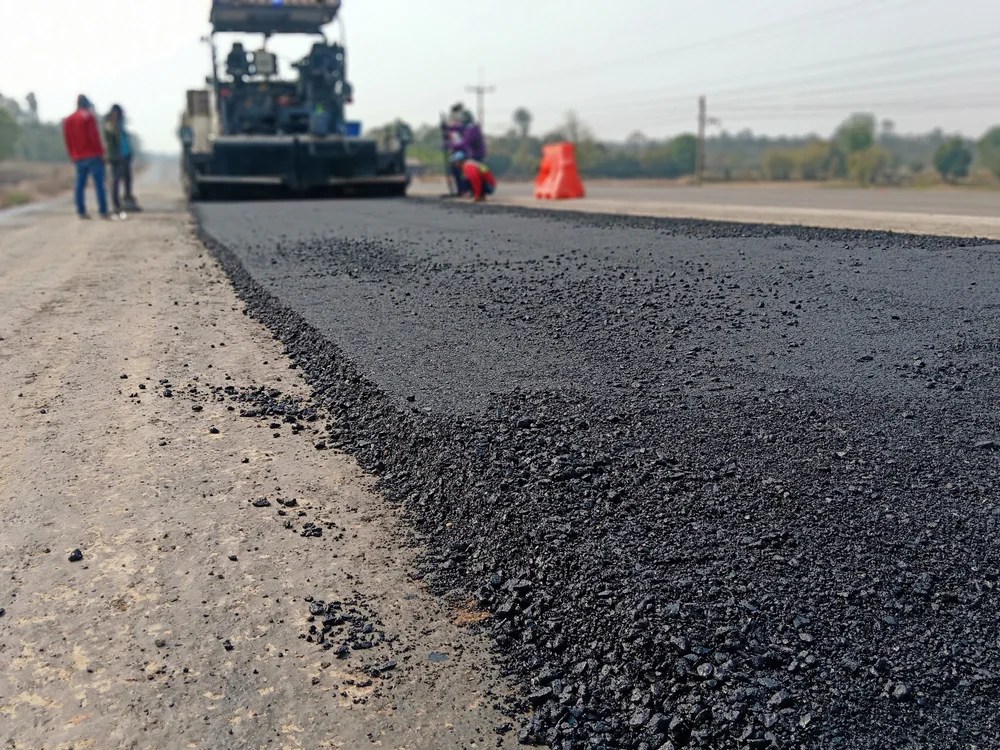
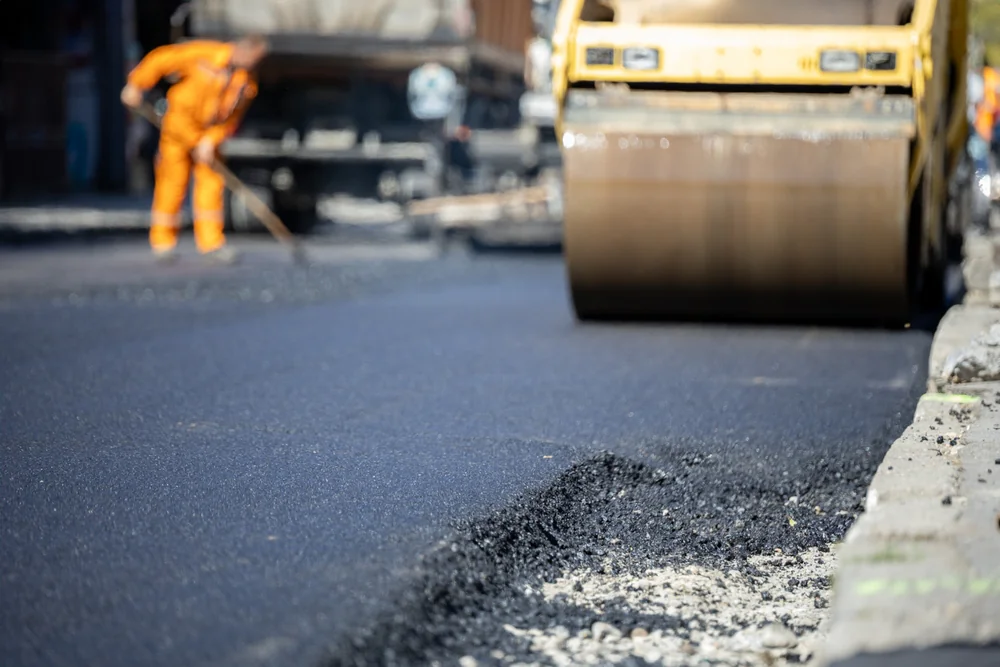
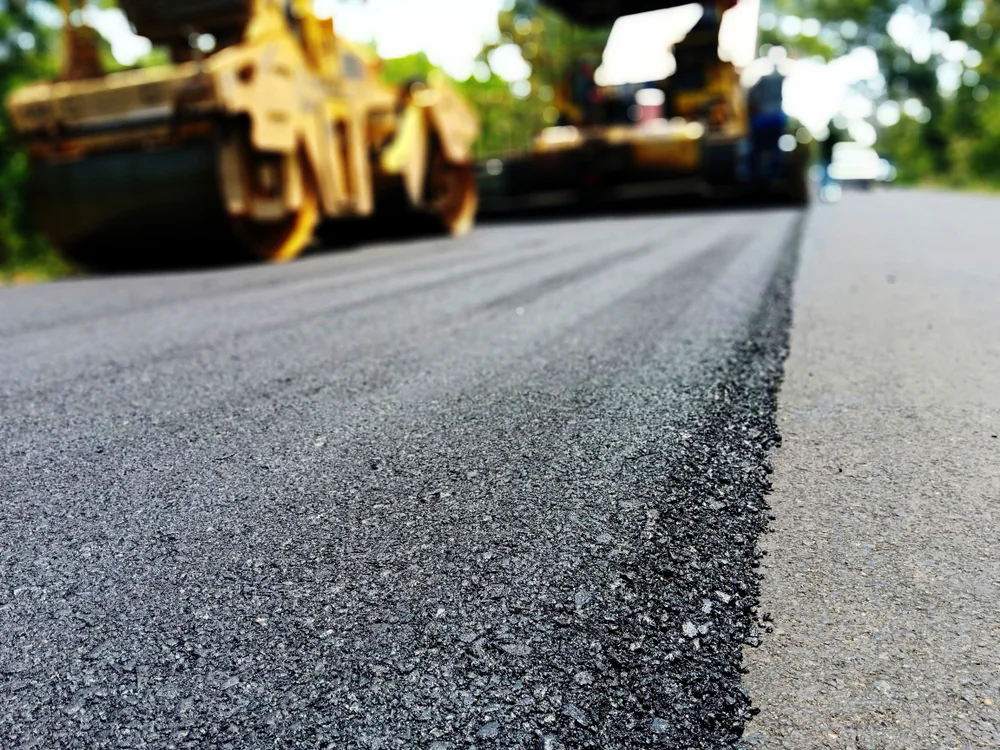
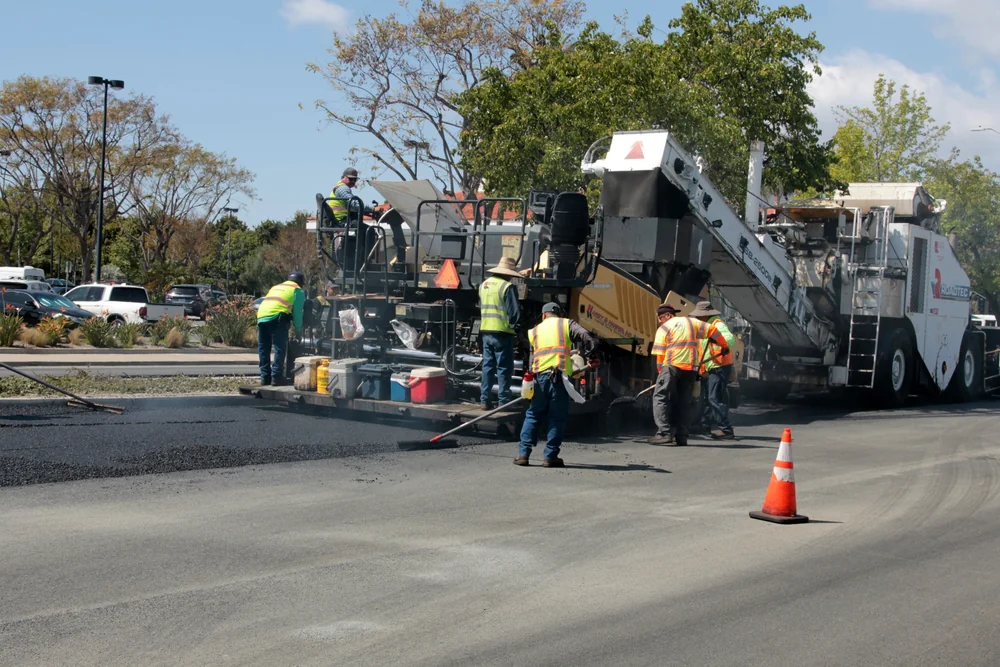
Then the asphalt goes down—premium hot-mix material, professionally compacted, installed when weather conditions are right. Rushing this step costs you years of lifespan. Taking the time means you get a surface that can handle freeze-thaw cycles without falling apart.
Throughout the process, you get updates. No disappearing for days. No surprises. Just clear communication about what’s happening and when you can use your new driveway or parking lot.
Ready to get started?
We handle residential driveways, commercial parking lots, and industrial paving projects across Langhorne and Bucks County. That includes new installations, repairs, resurfacing, and water management solutions when drainage is causing problems.
For residential paving, you’re getting a driveway built to last through Pennsylvania’s brutal winters. Proper base prep, quality materials, attention to drainage—the details that keep your driveway smooth while your neighbor’s cracks. We also offer specialized discounts for seniors, military members, and first-time customers.
Commercial paving means parking lots that can handle heavy traffic without deteriorating. Businesses in Langhorne need surfaces that make a good impression and hold up under constant use. We deliver both, with the same one-project-at-a-time focus that residential clients get.
The local climate matters here. Langhorne sees temperature swings from 25°F in winter to 86°F in summer, plus heavy precipitation year-round. Asphalt has to expand and contract without cracking, shed water without pooling, and survive freeze-thaw cycles that destroy improperly installed surfaces. That’s what we build for—not just today’s weather, but decades of it.
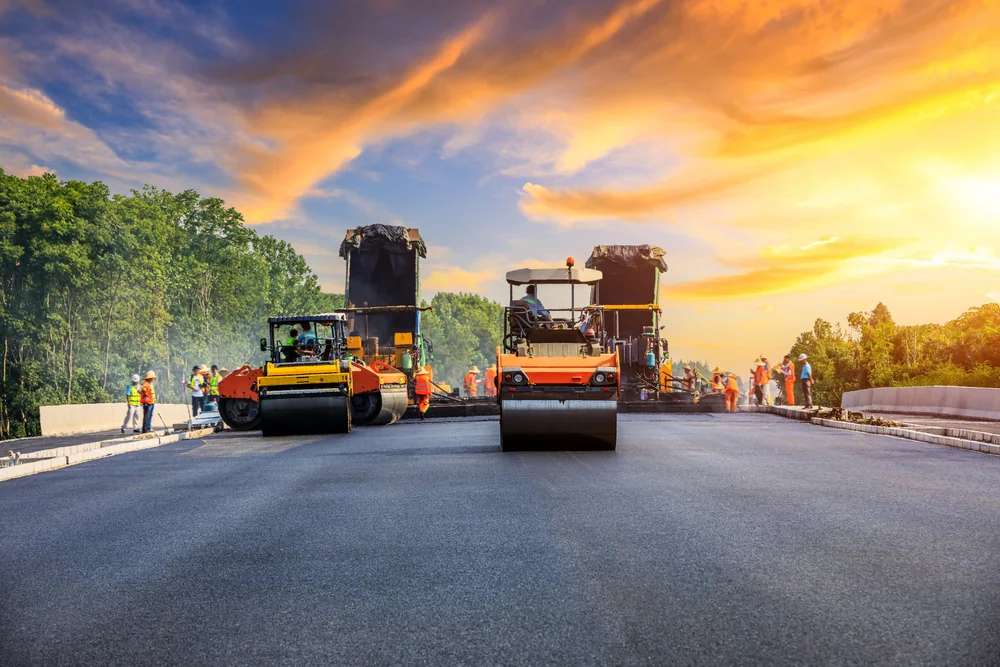
A well-installed asphalt driveway in Langhorne typically lasts 20 to 30 years with proper maintenance. That lifespan depends entirely on the quality of the base preparation and the installation process.
Pennsylvania’s freeze-thaw cycles are brutal on asphalt. When water seeps into cracks, freezes, and expands, it destroys driveways from the inside out. Proper installation means a solid base that drains water away, quality hot-mix asphalt, and professional compaction that eliminates weak spots.
Maintenance extends that lifespan. Sealcoating every few years protects against water infiltration and UV damage. Addressing small cracks before they become potholes saves you from costly repairs. But the foundation of longevity is getting the installation right the first time—something that can’t be fixed cheaply later.
The difference shows up in the base preparation, material quality, and how much attention your project gets. Cheap paving means rushed excavation, inadequate base materials, and crews working multiple jobs in one day.
Quality paving means proper excavation depth, a well-compacted base designed for your soil conditions, and premium asphalt installed when weather conditions are optimal. It means one crew focused entirely on your project, not splitting time between three job sites. You’re paying for the details that prevent premature failure.
In Langhorne’s climate, cutting corners on the base is expensive. When the freeze-thaw cycles hit, a weak foundation fails fast. You’ll see cracking within two years, pooling water, and eventually complete surface failure. Quality work costs more upfront but eliminates those problems—and the repair bills that come with them.
Pennsylvania weather is tough on asphalt. The region experiences 30 to 50 freeze-thaw cycles each winter, which is the primary cause of deterioration. Water gets into small cracks, freezes, expands, and turns minor damage into major problems.
Summer heat and UV exposure also break down asphalt over time, making it brittle and more susceptible to cracking. Heavy rain tests your drainage—if water pools on the surface or doesn’t drain away from the base, it accelerates deterioration.
The solution is installation designed for these conditions. That means proper base preparation with adequate drainage, quality hot-mix asphalt that can handle temperature extremes, and professional compaction that eliminates voids where water can collect. After installation, regular sealcoating provides a protective barrier against water and UV damage. It’s not about stopping Pennsylvania weather—it’s about building asphalt that can take it.
Look for a contractor who explains the process clearly and doesn’t rush you into a decision. If they’re not asking about drainage, soil conditions, and your property’s specific challenges, they’re not paying attention to what matters.
Check how they handle communication. Do they provide detailed, transparent estimates? Do they explain what’s included and what’s not? Contractors who disappear after giving a quote or show up late without calling are showing you how the actual project will go.
Ask about their approach to base preparation—that’s where quality is won or lost. If they’re vague about excavation depth, base materials, or compaction methods, that’s a red flag. Also consider how many projects they’re juggling. A crew splitting time between multiple job sites can’t give your project the attention it needs. Look for contractors who focus on one job at a time and have a track record of completing projects on schedule with consistent quality.
Asphalt paving costs in Langhorne vary based on project size, site conditions, and the scope of work required. A standard residential driveway typically runs several thousand dollars, while commercial parking lots are priced per square foot based on size and complexity.
What affects the price? Excavation depth and base preparation requirements, drainage solutions if water management is an issue, the thickness of asphalt needed for your traffic load, and site accessibility. Properties with poor drainage or unstable soil cost more because they require additional prep work to ensure longevity.
Be wary of quotes that seem too good to be true—they usually are. Low bids often mean thin asphalt, inadequate base prep, or shortcuts that lead to premature failure. A detailed estimate should break down what you’re getting: excavation depth, base material type and thickness, asphalt thickness, and any drainage work. That transparency lets you compare contractors fairly and understand what you’re actually paying for.
Asphalt paving works best in warmer weather, typically from late spring through early fall. Hot-mix asphalt needs to be installed at specific temperatures to compact properly and bond correctly. Cold weather makes that difficult.
In Pennsylvania, ideal paving conditions are when daytime temperatures consistently stay above 50°F and nighttime temps don’t drop too low. That gives the asphalt time to cure properly without temperature fluctuations causing problems. Summer and early fall are prime seasons, though experienced contractors can work into late fall if conditions cooperate.
Winter paving is possible for emergency repairs but not ideal for new installations or large projects. The asphalt doesn’t compact as well in cold conditions, which affects longevity. If you’re planning a project, schedule it for spring or summer. That gives you the best weather conditions for installation and the most contractor availability. Waiting for the right conditions might delay your project a few weeks, but it adds years to your pavement’s lifespan.
Other Services we provide in Langhorne