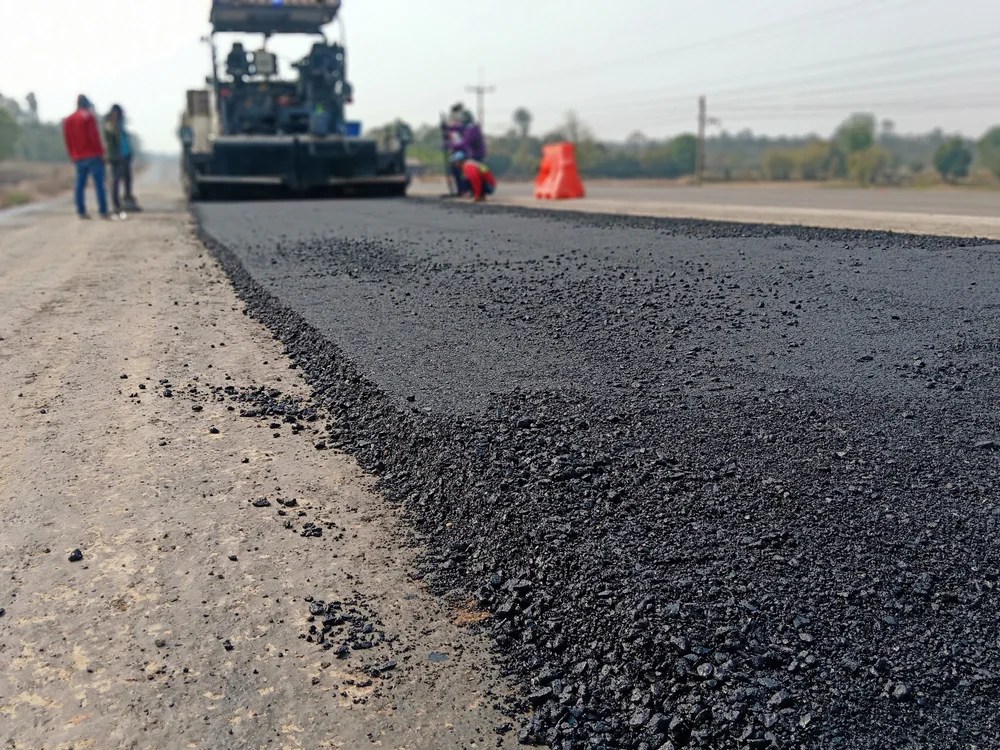
You’re not looking for the cheapest option. You’re looking for someone who won’t disappear when the job’s done. Someone who understands that your driveway or parking lot needs to handle Princeton’s brutal freeze-thaw cycles, summer heat, and everything in between.
Here’s what that looks like. Your new asphalt surface drains properly—no more puddles by the garage or standing water that turns into ice patches come winter. The base is compacted right, so you’re not dealing with cracks and settling in two years. And the finished surface? Smooth, level, and built to hold up under daily use without constant repairs.
Whether it’s a residential driveway that adds real curb appeal or a commercial parking lot that makes the right first impression, you get a surface that does its job quietly and reliably. That’s the outcome. Not hype, not promises—just solid work that proves itself over time.
We bring industry roots dating back to 1948 and decades of hands-on experience to every project in Princeton. This isn’t a fly-by-night crew with leftover asphalt in a truck. We’re a team that’s been doing this long enough to know what works in New Jersey’s climate and what doesn’t.
Our approach is simple: one job at a time, full attention, no cutting corners. Every project gets custom solutions based on what your property actually needs—not a cookie-cutter estimate. The owner’s on it, our crew knows what they’re doing, and you get straight answers about timeline, cost, and process.
Princeton homeowners and business owners have left us five-star reviews because our work holds up and our communication is clear from start to finish. Seniors, military members, and first-time customers get specialized discounts, and everyone gets treated with the same level of care whether it’s a small driveway or a large commercial lot.
First, there’s an honest assessment of your property. What’s the current condition? What are the drainage issues? What’s the base situation? You get a clear explanation of what needs to happen and why, along with a transparent estimate.
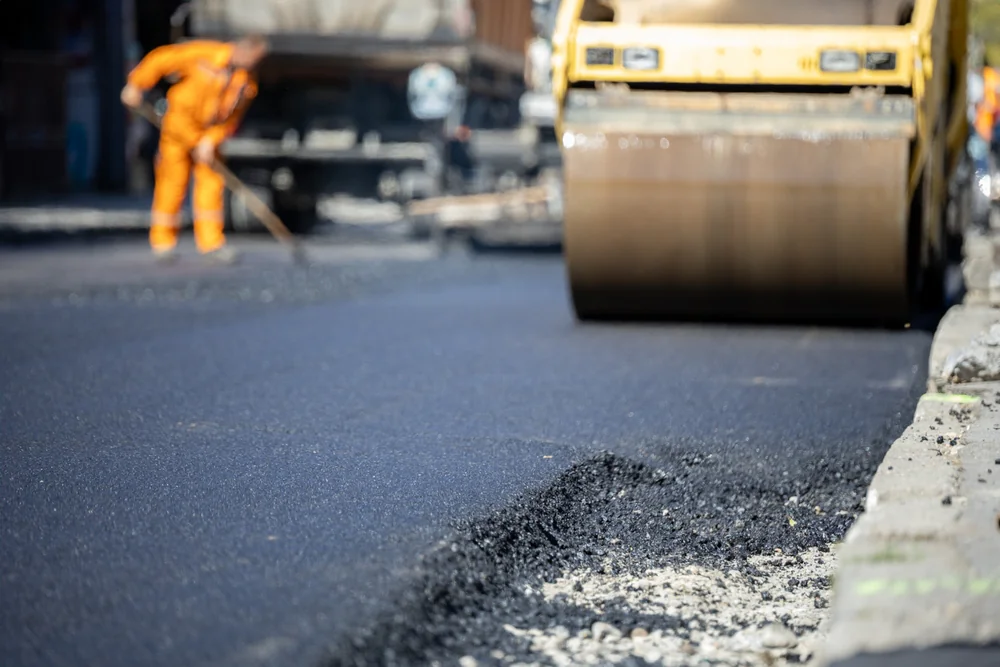
If there’s old asphalt or concrete, we remove it properly using the right equipment. Then comes the part most contractors rush: the base. This is the foundation everything else sits on, and it has to be graded correctly for water runoff and compacted to handle Princeton’s freeze-thaw cycles. Shortcuts here mean problems later, so we make sure this step gets done right.
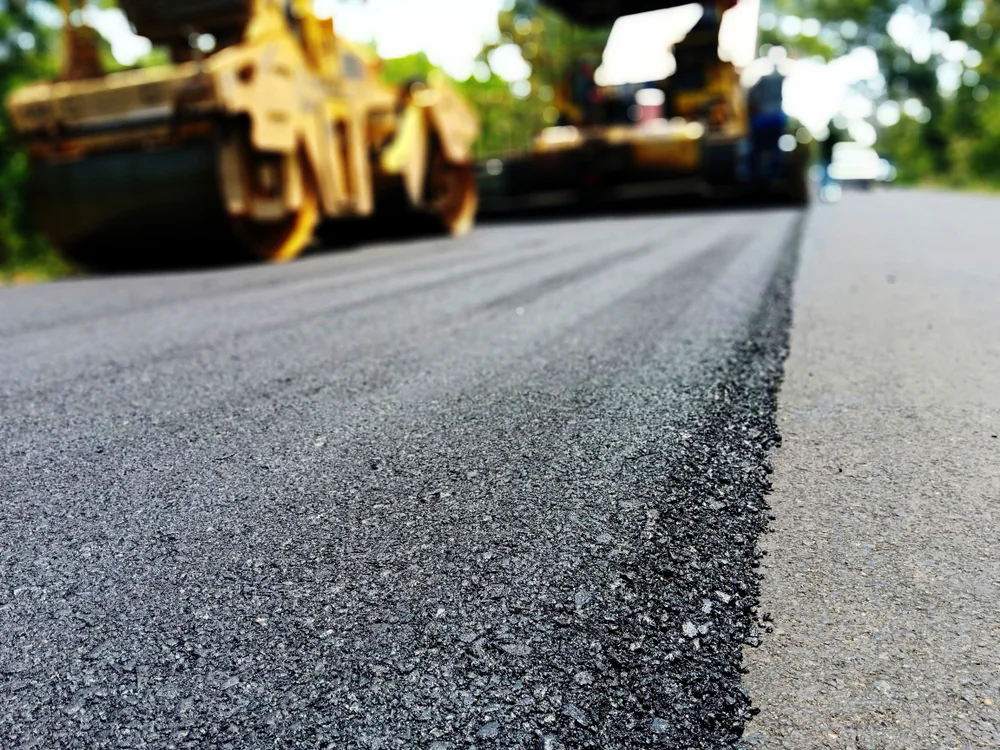
Once the base is solid, the asphalt goes down at the proper thickness for your specific use—whether that’s regular car traffic or heavier commercial vehicles. We compact it while it’s still hot to achieve the right density, creating a smooth, durable surface. Edges get finished clean, transitions to existing surfaces are handled carefully, and you’re left with a surface that’s ready to perform for years. After curing, sealcoating down the line will protect your investment and extend its life even further.
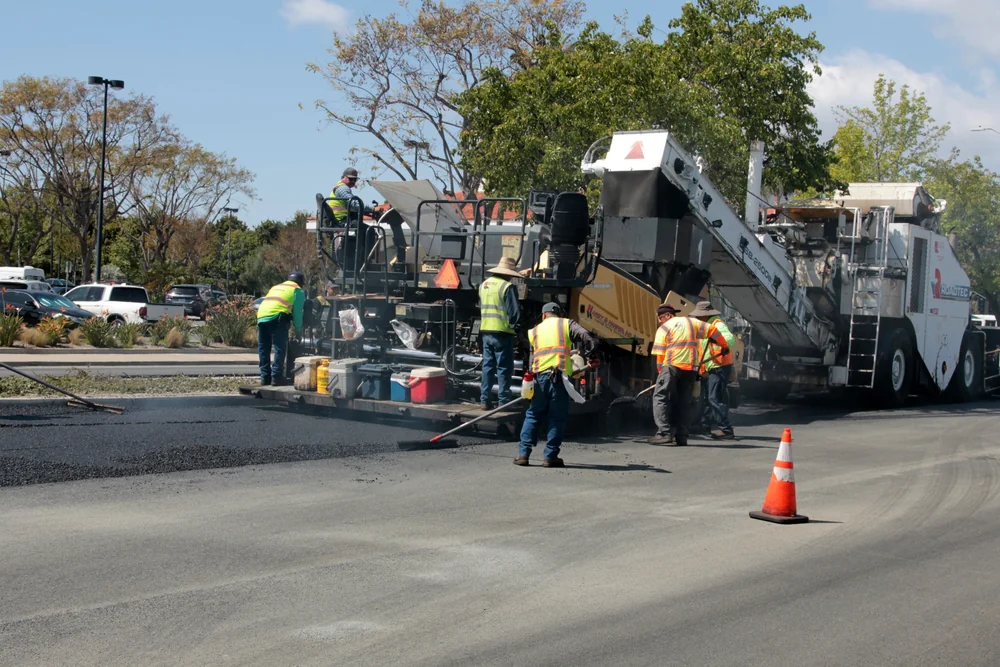
Ready to get started?
For residential customers in Princeton, that means new driveway installation, driveway replacement, resurfacing, repairs, and custom layout and design. You also get proper grading and water management solutions, because a driveway that pools water isn’t going to last. Private road paving is available for properties that need it.
Commercial clients get parking lot paving and resurfacing, line striping, ADA-compliant installations, and crack repair and sealing. We handle industrial projects with the same attention to detail, including heavy-duty surfaces designed for the loads they’ll carry.
Princeton’s historic neighborhoods and newer developments each come with their own challenges. Older properties might have drainage issues that need addressing before new asphalt goes down. Newer construction might need careful grading to match existing elevations. Properties near Princeton’s cultural institutions or university areas often require scheduling that minimizes disruption. We factor these local considerations into every project plan, so the finished work fits your property and your neighborhood.
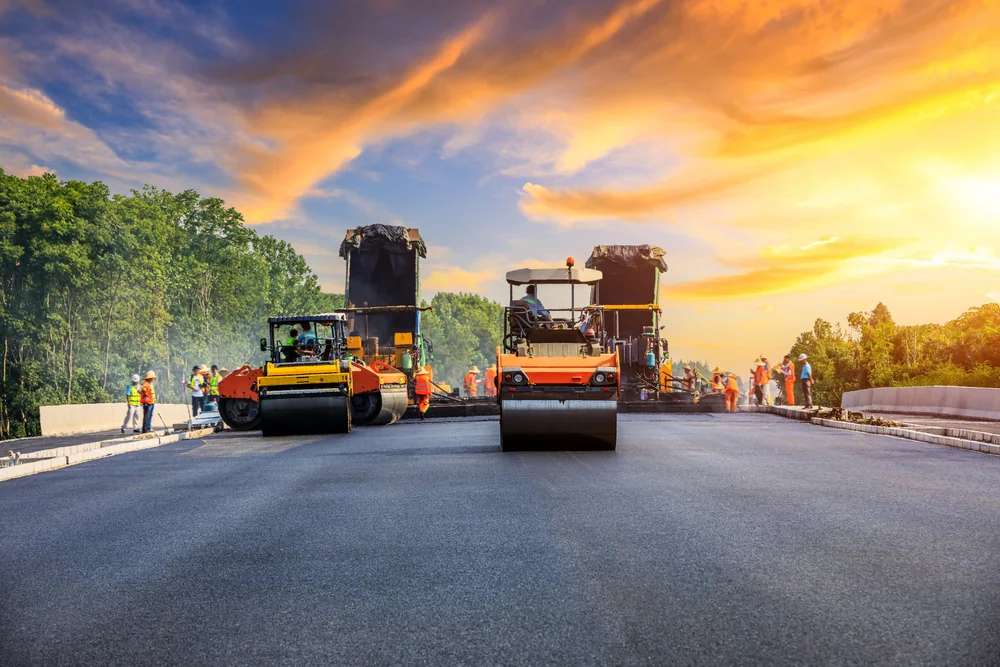
A properly installed asphalt driveway in Princeton can last 20 to 25 years or more with regular maintenance. The key factors are the quality of the base preparation, proper compaction, correct drainage, and ongoing care like sealcoating every few years.
New Jersey’s climate is tough on asphalt. You’ve got freezing winters that cause expansion and contraction, hot summers that can soften the surface, and plenty of precipitation that finds its way into any crack or weak spot. That’s why the installation process matters so much—cutting corners on the base or rushing the compaction will shorten your driveway’s life significantly.
Maintenance extends that lifespan. Sealcoating every two to three years protects against UV damage, water intrusion, and surface oxidation. Filling cracks when they’re small prevents them from turning into bigger problems. With proper care, your driveway becomes a long-term asset rather than something you’re replacing every decade.
An overlay means applying a new layer of asphalt over your existing driveway. Full replacement means removing the old surface completely and starting fresh with a new base and asphalt. Which one you need depends on the condition of what’s already there.
Overlay works when your current driveway has a solid base and the surface damage is mostly cosmetic—minor cracking, fading, or surface wear. It’s less expensive and faster because you’re not excavating and hauling away old material. But if your driveway has serious issues like deep cracks, potholes, drainage problems, or base failure, an overlay just covers up problems that will resurface quickly.
Full replacement is the right call when the existing driveway is failing structurally. If there’s heaving, significant settling, or the base has deteriorated, you need to start over. It costs more upfront, but you get a properly built surface that will last decades instead of a temporary fix. We’ll be straight with you about which approach makes sense for your situation.
Residential asphalt driveways in the Princeton area typically run between $8 and $12 per square foot for complete installation, including removal of old material, base preparation, and new asphalt. A standard two-car driveway might range from $5,500 to $12,000 depending on size, site conditions, and any additional work needed.
Several factors affect the final cost. Size is obvious—more square footage means more materials and labor. Site conditions matter too: if there’s poor drainage that needs correction, difficult access, or significant grading required, that adds to the project. The thickness of asphalt you need depends on the traffic it will handle. Residential driveways typically use 2 to 3 inches, while commercial parking lots might need more.
The cheapest bid isn’t always the best value. Some contractors cut costs by skimping on base preparation, using thinner asphalt, or rushing the compaction process. That saves them money but costs you later in repairs and premature replacement. A detailed, transparent estimate that explains what’s included and why gives you a much better picture of what you’re actually getting for your money.
The ideal paving season in Princeton runs from late spring through early fall, roughly April through October. Asphalt needs warm temperatures to be properly installed and compacted. The material has to stay hot enough to be worked and achieve the right density, which is difficult when ambient temperatures drop too low.
Late spring and early fall often offer the best conditions—warm enough for proper installation but not the extreme heat of mid-summer that can make the surface too soft during curing. Summer works fine too, you just need to avoid driving on fresh asphalt during the hottest parts of the day for the first few days.
Winter paving is possible in mild conditions but not ideal. Once temperatures consistently drop below 50 degrees Fahrenheit, it becomes much harder to achieve proper compaction and curing. Emergency repairs can be done in winter when necessary, but new installations and major projects should wait for warmer weather. Planning your project for the right season ensures you get the quality and longevity you’re paying for.
No, you should wait before sealcoating a new asphalt driveway. Fresh asphalt needs time to cure properly—typically six months to a year. During this curing period, oils in the asphalt rise to the surface and evaporate, which is a normal part of the hardening process. Sealcoating too early can trap these oils and prevent proper curing.
After that initial curing period, sealcoating becomes one of the most cost-effective ways to protect your investment. It creates a barrier against UV rays, water intrusion, oil stains, and general wear. In Princeton’s climate, where you’re dealing with temperature extremes and plenty of precipitation, that protection matters.
Plan to sealcoat every two to three years after that first application. Some driveways with heavy sun exposure might need it more frequently, while shaded driveways might go a bit longer. The sealcoat layer wears away gradually, so regular reapplication keeps your driveway protected and looking good. It’s a small maintenance cost that significantly extends the life of your driveway and prevents much more expensive repairs down the road.
Start with their track record. How long have they been in business? Do they have verifiable references and reviews from actual customers in your area? A contractor who’s been serving Princeton and surrounding communities for years has a reputation to protect. Check platforms like Angie’s List, Google reviews, and the Better Business Bureau for patterns in customer feedback.
Ask specific questions about their process. A reliable contractor will explain what they’re going to do and why, not just give you a number. They should talk about base preparation, drainage, compaction, and asphalt thickness. If they’re vague or rushing you to sign, that’s a red flag. Get a detailed written estimate that breaks down the work, materials, timeline, and warranty.
Watch out for common warning signs. Contractors who show up unannounced claiming to have leftover materials at a discount are almost always trouble. Pressure to pay everything upfront, no physical business address, no insurance or licensing information—these are all signs to walk away. A legitimate contractor will have proper insurance, provide references, give you time to think about the estimate, and be available for follow-up questions. Trust your gut. If something feels off, it probably is.
Other Services we provide in Princeton