You’re not just paying for black pavement. You’re paying for a driveway or parking lot that doesn’t crack apart after one Pennsylvania winter. That doesn’t pool water every time it rains. That doesn’t need constant patching because someone skipped the base prep or used cheap materials.
When the job’s done right, your asphalt handles the weight, the weather, and the years without falling apart. Your property looks sharper. Your vehicles don’t take a beating from potholes. And you’re not calling someone back in six months wondering why everything’s already failing.
That’s what proper paving gets you—a surface you can count on, installed by people who’ve been doing this since 1948 and know exactly how asphalt behaves in this climate.
We’re not new to this. Our roots in asphalt go back to 1948, and that experience shows in how we approach every job. Whether it’s a residential driveway in Spinnerstown or a commercial parking lot that needs proper drainage and grading, we treat it like it matters—because it does.
Here’s what sets us apart: we work on one job at a time. Not three jobs in one day where half the crew is somewhere else. Your project gets our full attention from start to finish. We’re involved, the communication is clear, and if your property has unique challenges, we’ll figure out a custom solution instead of forcing a cookie-cutter approach.
Bucks County winters are brutal on asphalt. Freeze-thaw cycles, temperature swings, ice, salt—it all adds up. We’ve spent decades learning how to build surfaces that hold up under those conditions, and we’re not interested in selling you something that’ll need replacing in five years.
First, we come out to look at your property. Not to pressure you, just to see what you’re working with. We measure, check drainage, talk through what you need, and give you a clear estimate—no vague numbers or surprise fees later.
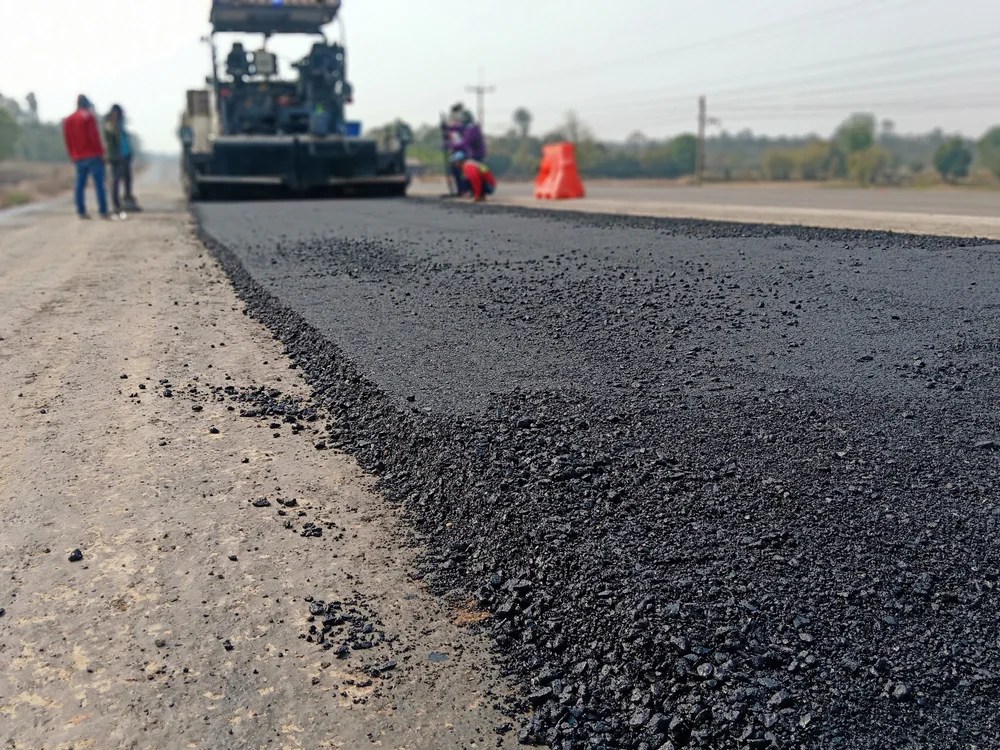
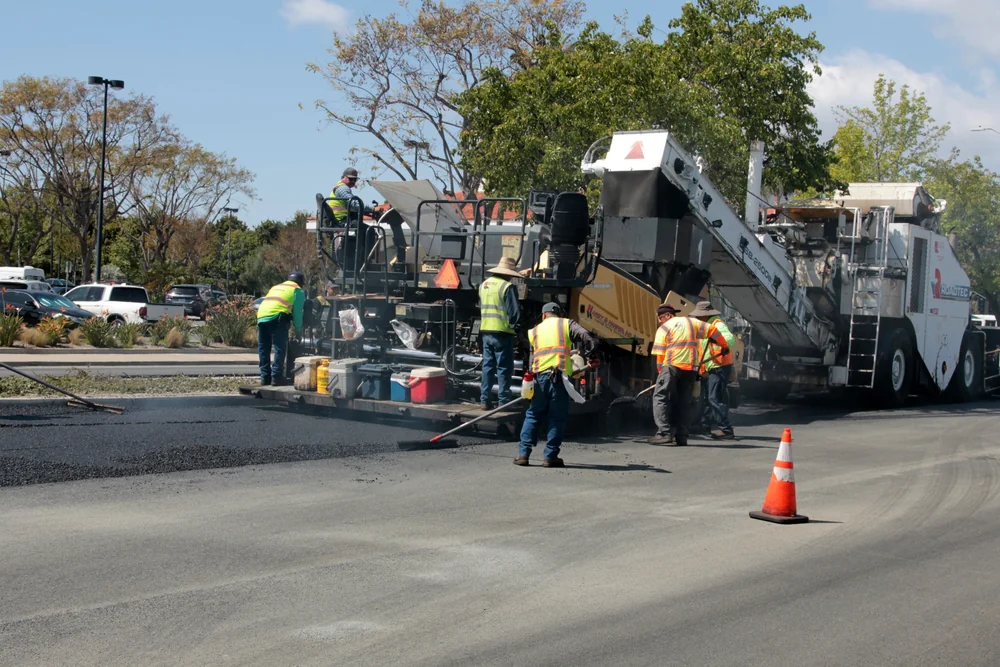
Once you’re ready to move forward, our crew shows up and starts with the foundation. If your base isn’t stable, your asphalt won’t last. We excavate if needed, lay down the right amount of compacted stone, and make sure water drains away from your property. This step matters more than most people realize.
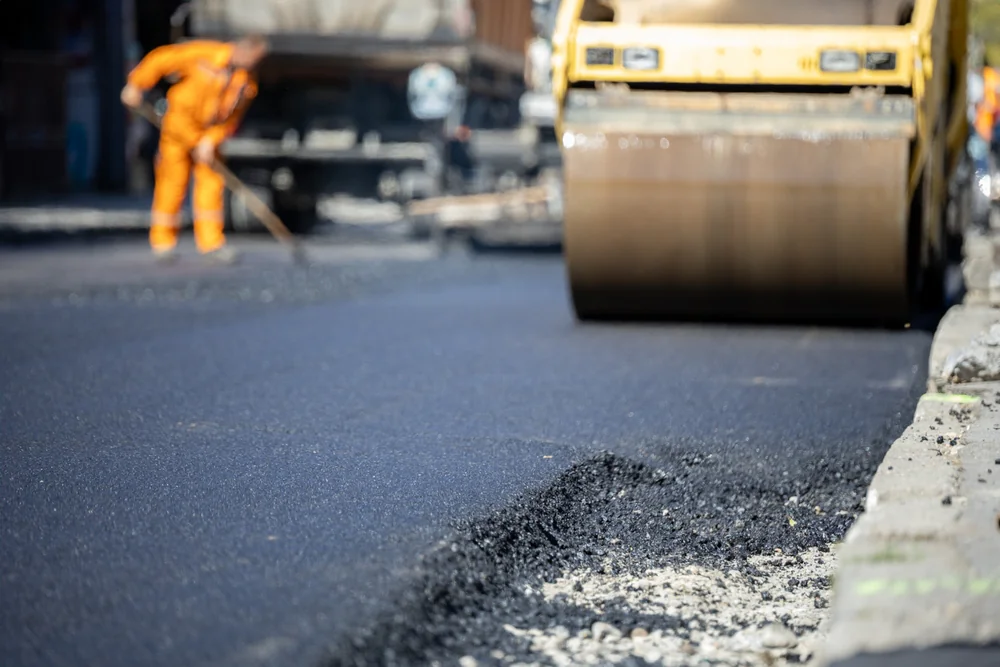
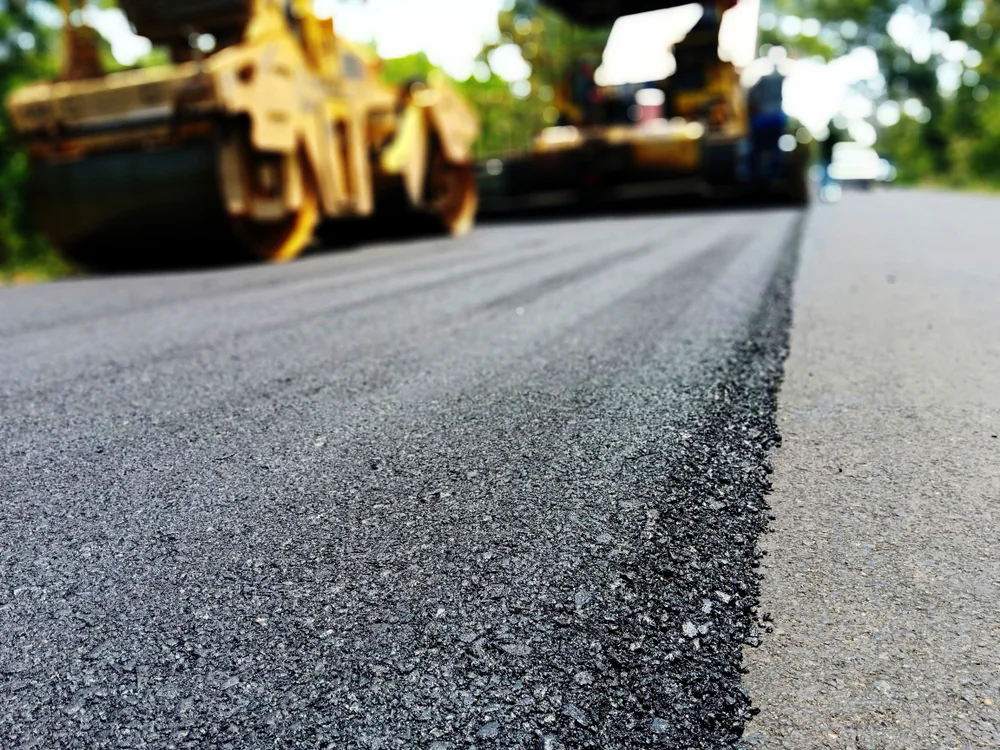
Then comes the asphalt itself. We use quality hot-mix designed for Pennsylvania’s climate, laid at the right thickness for your specific project. Residential driveways typically get 2-3 inches. Commercial lots that handle heavier traffic get more. Everything’s compacted properly while the asphalt is still hot, so you end up with a dense, smooth surface that resists water and wear.
After that, we handle the details—clean edges, proper transitions to existing surfaces, and a thorough cleanup. You’re left with a driveway or parking lot that looks professional and performs the way it should.
Ready to get started?
We handle residential driveways, commercial parking lots, and industrial paving projects across Spinnerstown and Bucks County. That includes new installations, resurfacing, repairs, and the grading and water management work that keeps everything functioning properly.
For homeowners, that means a driveway that improves your curb appeal and holds up to daily use without constant maintenance. For business owners, it means a parking lot that makes a good first impression and doesn’t turn into a liability when potholes start forming.
Spinnerstown sits in an area where winter does real damage to asphalt. When water gets into cracks, freezes, and expands, it tears pavement apart. We account for that from the start—proper thickness, quality materials, correct drainage—so your surface has a fighting chance against the weather.
We also offer guidance on maintenance. Sealcoating at the right intervals protects your investment and extends the life of your asphalt. It’s not about upselling services you don’t need; it’s about making sure you understand how to get 20-30 years out of a properly maintained surface instead of needing a full replacement in ten.
And if you’re a senior, military member, or first-time customer, we offer specialized discounts. It’s part of how we operate—straightforward, community-focused, and committed to treating people fairly.
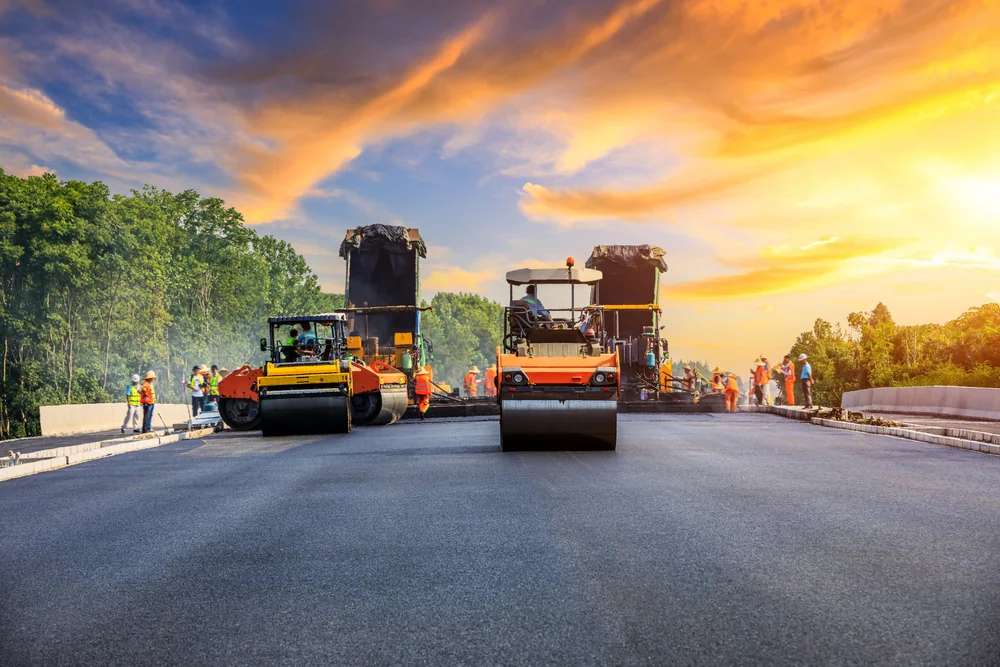
With proper installation and maintenance, asphalt can last 20-30 years in Bucks County. But that lifespan depends entirely on how it’s built and how you care for it.
Pennsylvania’s freeze-thaw cycles are tough on pavement. Water seeps into small cracks, freezes, expands, and creates bigger problems. If your asphalt wasn’t installed with adequate thickness, a stable base, and proper drainage, you’ll see failures much sooner. Cheap materials or rushed installation cut years off the lifespan.
Maintenance also matters. Sealcoating every 2-3 years protects the surface from water penetration, UV damage, and chemical spills. Addressing small cracks before they turn into potholes prevents expensive repairs down the road. Most people underestimate how much regular maintenance extends the life of their pavement—it can add 5-7 years or more to a well-maintained surface.
The main difference is thickness and how the surface is built to handle traffic loads. Residential driveways typically get 2-3 inches of compacted asphalt because they’re supporting passenger vehicles. Commercial parking lots that handle heavier traffic, delivery trucks, or constant use need 3-4 inches or more.
The base preparation also varies. Commercial projects often require a more robust stone base and more attention to drainage because the surface area is larger and the consequences of failure are bigger. A pothole in a business parking lot isn’t just an eyesore—it’s a liability.
Both types of projects need proper compaction, quality materials, and correct installation techniques. But commercial paving has higher stakes. If a parking lot starts failing, it affects your customers, your reputation, and potentially your insurance. That’s why experience matters—contractors who understand the difference between residential and commercial requirements don’t treat every project the same way.
You can typically drive on new asphalt within 24-48 hours, but it depends on temperature and weather conditions. Asphalt needs time to cool and cure before it can handle the weight of vehicles without damage.
In warmer weather, asphalt cools faster and you might be able to drive on it sooner. In cooler conditions, it takes longer. Your contractor should give you specific guidance based on the conditions during your project.
Even after you start driving on it, new asphalt continues to cure for several months. During that time, avoid parking heavy vehicles in the same spot for extended periods, and be careful with sharp turns that can scuff the surface. Also, wait at least 6-12 months before sealcoating—new asphalt needs time to fully cure before you apply a protective coating. Rushing that process can trap oils in the asphalt and prevent proper bonding.
Usually, it comes down to three things: base preparation, material quality, and drainage. If any of those are wrong, you’ll see cracks sooner than you should.
The base is the foundation everything sits on. If the ground underneath isn’t properly excavated, graded, and compacted with the right stone material, the asphalt above it will shift and crack as the base settles. A lot of contractors skip steps here because it’s not visible once the asphalt goes down, but it’s the most important part of the job.
Material quality matters too. Inferior asphalt mixes or incorrect thickness for the application will fail faster, especially in Pennsylvania’s climate. And if your contractor used recycled materials or cut corners on the mix to save money, you’re going to pay for it later in repairs.
Drainage is the third factor. Water is asphalt’s biggest enemy. If water pools on the surface or seeps underneath, it will cause damage—especially when it freezes. Proper grading and drainage design keep water moving away from your pavement instead of sitting there breaking it down. Contractors who understand local conditions know how to account for this from the start.
Experience in your local area is the first thing. Pennsylvania’s climate is demanding, and contractors who don’t understand freeze-thaw cycles, proper base prep, and drainage will give you a surface that fails prematurely. Ask how long they’ve been working in Bucks County and what their process looks like.
Transparent pricing is another must. If someone gives you a vague estimate or can’t explain what’s included, that’s a red flag. You should know exactly what you’re paying for—excavation depth, base material, asphalt thickness, drainage work—and what the total cost is before any work starts.
Check reviews and references. Five-star ratings on platforms like Angie’s List or Google tell you how the contractor treats customers and whether their work holds up. Talk to past clients if you can, especially ones who had projects similar to yours.
Finally, pay attention to how they communicate. Do they answer your questions clearly? Are they willing to explain their process? Do they show up when they say they will? A contractor who’s hard to reach during the estimate phase will be even harder to deal with if something goes wrong during the project. You want someone who treats your job like it matters, not just another number on their schedule.
Sealcoating is necessary if you want to protect your investment and extend the life of your asphalt. It’s not an upsell—it’s preventive maintenance that saves you money in the long run.
Asphalt starts deteriorating the day it’s installed. UV rays from the sun break down the binder that holds everything together. Water seeps into tiny cracks and causes damage when it freezes. Oil, gas, and chemicals from vehicles eat away at the surface. Sealcoating creates a protective barrier that shields your asphalt from all of that.
The timing matters. You should wait 12-18 months after installation to let the asphalt fully cure, then sealcoat every 2-3 years after that. Regular sealcoating can extend your pavement’s lifespan by 25% or more—that’s an extra 5-7 years on a properly maintained surface.
Think of it this way: you can spend a few hundred dollars every couple of years on sealcoating, or you can skip it and spend thousands on repairs and replacement a decade earlier. The math is pretty straightforward. Contractors who recommend sealcoating aren’t trying to squeeze extra money out of you—they’re trying to help you avoid much bigger expenses down the road.
Other Services we provide in Spinnerstown