
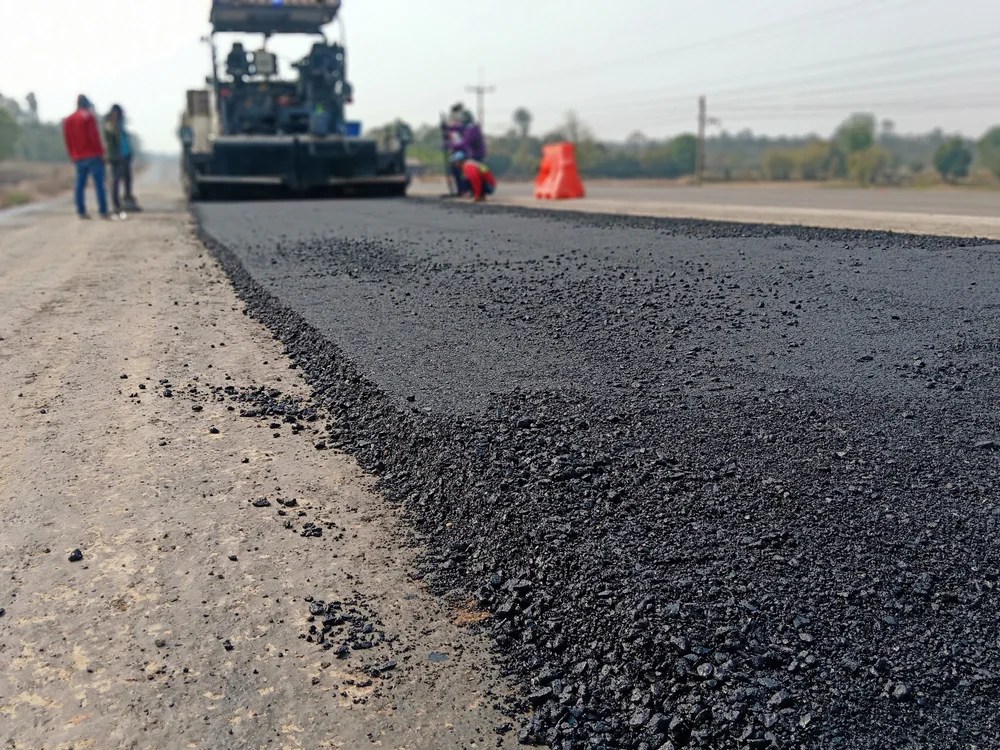
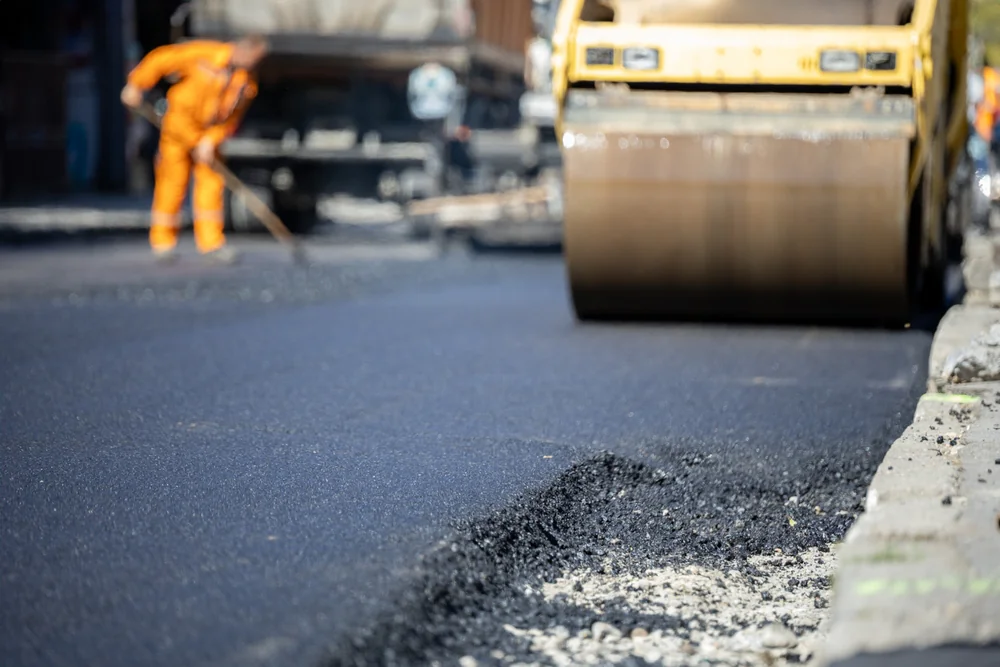
Your asphalt should do more than look good on day one. It should handle freeze-thaw cycles, summer heat, and everything in between without cracking apart in two years.
That’s what proper paving installation looks like. The right base. The right thickness. The right drainage. Not shortcuts that save a few bucks today and cost you thousands down the road.
When your driveway or parking lot is done right, you’re not calling for repairs every spring. You’re not dealing with water pooling near your foundation. You’re not watching cracks spread across the surface because someone rushed the job or skipped the prep work.
We bring decades of hands-on experience to every project in Tewksbury and the surrounding area. Our roots in the asphalt industry go back to 1948, combining generational knowledge with modern paving techniques.
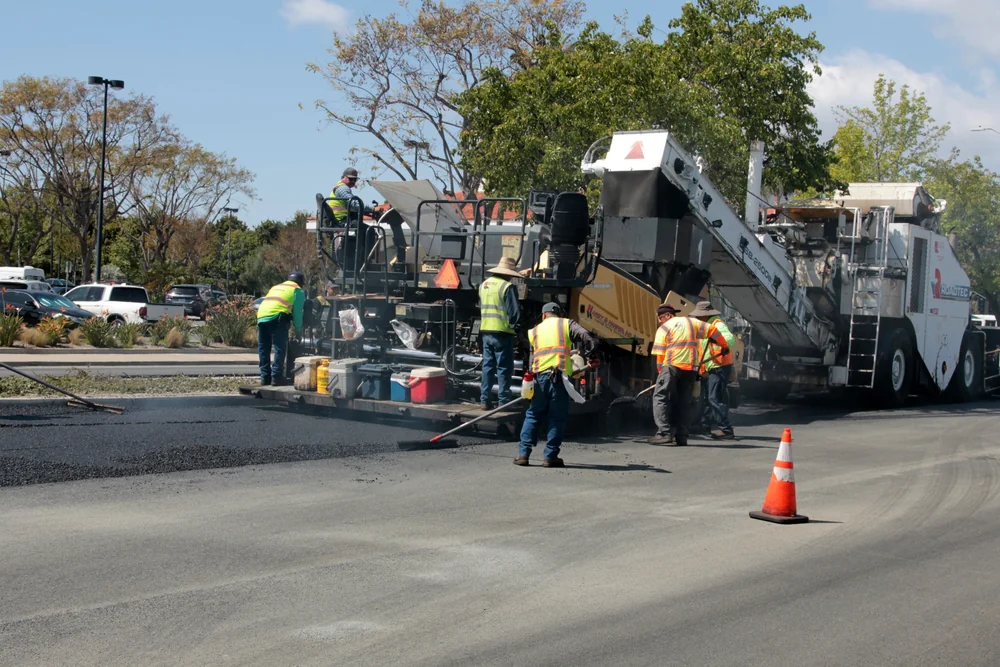
What sets us apart is simple: we work on one job at a time. Your project gets our full attention, whether it’s a residential driveway or a commercial parking lot. No crew split between multiple sites. No rushing to the next job before yours is finished right.
Tewksbury properties face unique challenges—rolling terrain, drainage concerns, soil conditions that vary from property to property. We’ve seen it all and know how to build solutions that work for your specific site, not just cookie-cutter approaches that might fail in a year.
First, we evaluate your property. That means looking at drainage patterns, existing surface conditions, soil stability, and how water moves across your site. This isn’t a quick glance—it’s figuring out what your property actually needs.
Next comes preparation. If there’s an old driveway, it gets removed properly. The base gets graded and compacted to create a stable foundation. Drainage solutions get installed where needed. This phase determines whether your new asphalt lasts five years or twenty-five.
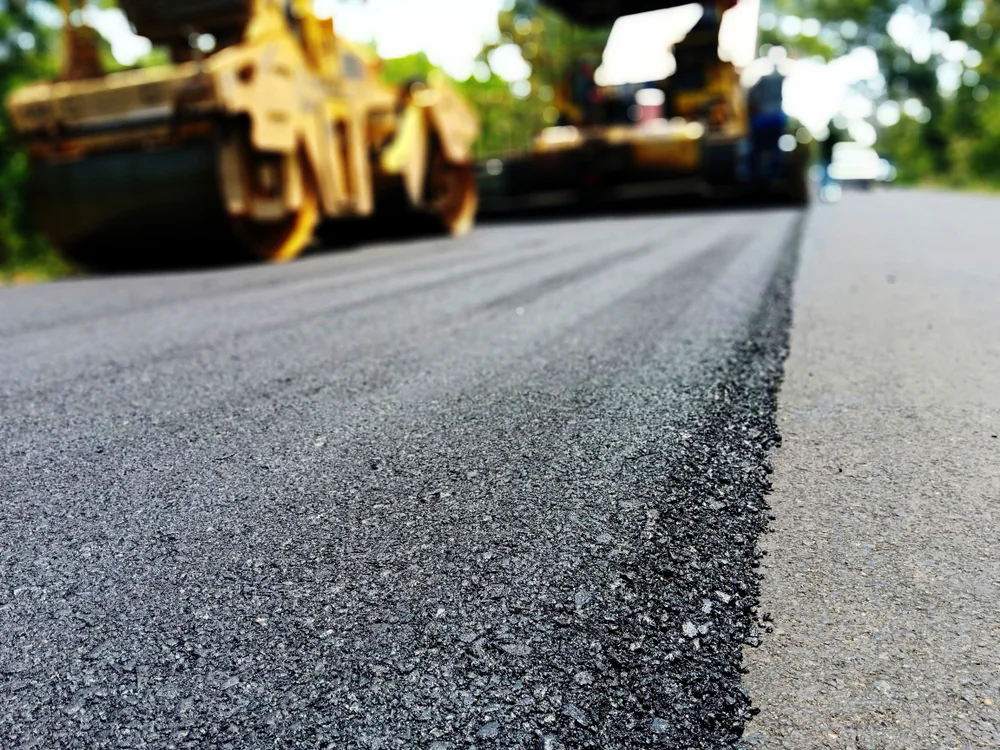
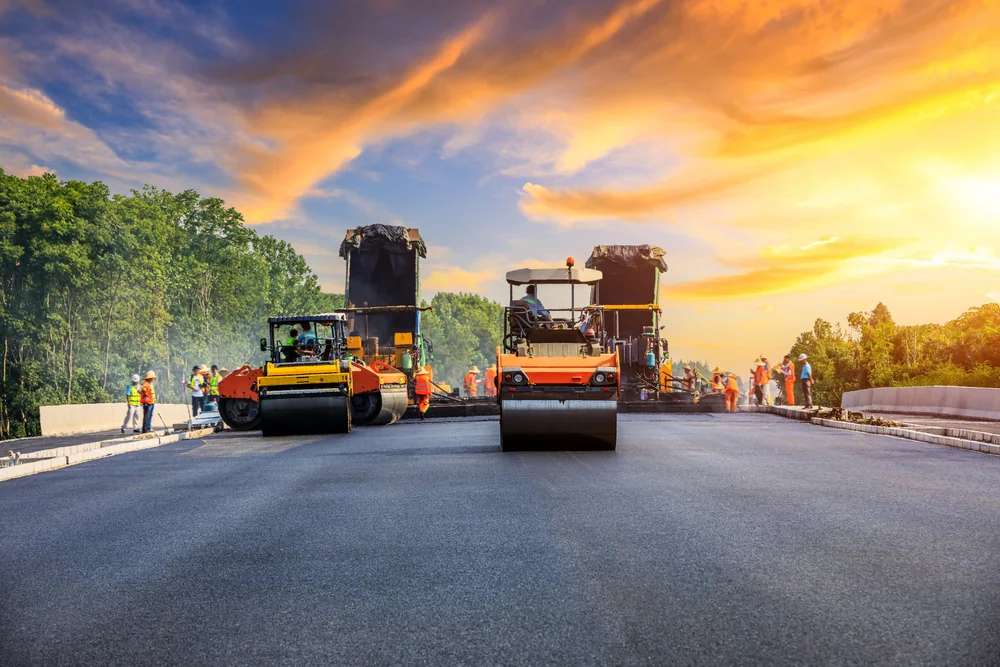
Then the paving happens. Fresh asphalt gets laid at the right thickness for your specific use—whether that’s a residential driveway or a commercial parking lot handling heavy traffic. Proper compaction ensures a smooth, durable surface. Edges get finished clean.
Throughout the process, you get clear updates. No surprises. No disappearing for days. Just straightforward communication about what’s happening and what comes next.
Ready to get started?
We handle residential driveways, commercial parking lots, and industrial paving projects across Tewksbury. The scope includes new installations, repairs, resurfacing, and complete replacements.
Drainage and water management solutions are part of every project. In an area that sees significant rainfall and snowmelt, proper grading isn’t optional—it’s essential for protecting your investment and your property’s foundation.
Tewksbury’s mix of residential neighborhoods, commercial properties, and rural areas means every site presents different conditions. Some properties sit on challenging terrain. Others deal with poor soil conditions or existing drainage issues. We develop custom solutions instead of forcing a standard approach onto every job.
Services also include sealcoating to extend asphalt life, crack repair before small problems become expensive failures, and parking lot striping for commercial properties. The goal is straightforward: deliver work that holds up to real-world conditions in this specific area, not just meet minimum standards.
A well-installed asphalt driveway in New Jersey typically lasts 20 to 25 years with proper maintenance. The key word there is “well-installed.” If the base preparation gets rushed, if drainage isn’t addressed, or if the asphalt thickness is insufficient, you might see problems in just a few years.
New Jersey’s climate is tough on asphalt. Freeze-thaw cycles cause expansion and contraction. Heavy rain tests drainage systems. Summer heat can soften poorly mixed asphalt. That’s why the installation process matters so much. A solid base, proper grading, adequate thickness, and attention to site-specific drainage issues all contribute to longevity.
Maintenance extends that lifespan. Sealcoating every two to three years protects against water infiltration and UV damage. Addressing small cracks before they spread prevents bigger problems. But even with maintenance, a driveway built wrong from the start won’t make it to 20 years.
Most premature asphalt failure comes down to three issues: poor base preparation, inadequate drainage, or insufficient thickness. The base is your foundation. If it’s not properly compacted or if unsuitable materials are used, the asphalt above will crack and settle unevenly as the base shifts.
Drainage problems are the other major culprit. Water that can’t drain away properly seeps into the base material, weakening it over time. In winter, that water freezes and expands, creating pressure that cracks the asphalt from below. You’ll see this as edge deterioration, potholes, or widespread cracking after a few freeze-thaw cycles.
Thickness matters too. Residential driveways typically need at least two to three inches of asphalt. Commercial areas with heavier traffic need more. Skimping on thickness to save money upfront means you’re paying for premature replacement later. The asphalt simply can’t handle the stress without adequate depth.
Asphalt paving costs in New Jersey generally range from about $5 to $12 per square foot for residential driveways, depending on site conditions and project complexity. A standard two-car driveway might run anywhere from $5,500 to $12,000 or more. Commercial projects vary widely based on size and requirements.
What drives cost differences? Site preparation is a big factor. If extensive grading is needed, if old material needs removal, or if drainage systems must be installed, costs increase. Thickness requirements matter—heavier use demands thicker asphalt. Access challenges on difficult properties add complexity and time.
Be cautious of quotes that seem too good to be true. Extremely low bids often mean shortcuts: inadequate base prep, thin asphalt, no drainage solutions, or poor-quality materials. You might save money initially, but you’ll pay more in the long run when premature failure requires replacement. Quality paving is an investment that should last decades, not just a few years.
Asphalt performs better than concrete in New Jersey’s climate. Concrete tends to crack and heave during the freeze-thaw cycles common in this region. When water seeps into small cracks and freezes, it expands, causing the concrete to crack further. Repairs are difficult and expensive—you can’t easily blend new concrete with old.
Asphalt handles temperature fluctuations better. It has some flexibility, allowing it to expand and contract with temperature changes without immediately cracking. When repairs are needed, asphalt can be patched and blended more seamlessly than concrete. It’s also typically less expensive to install.
Concrete does offer longer lifespan in ideal conditions and requires less maintenance. But “ideal conditions” don’t describe New Jersey winters. The salt used for ice melting also damages concrete, creating pits and surface deterioration. For most Tewksbury properties, asphalt is the practical choice that balances cost, performance, and longevity in this specific climate.
Start with experience in your specific area. A contractor who understands local soil conditions, drainage challenges, and climate factors will build better solutions than someone just passing through. Ask how long they’ve been working in the region and request references from nearby projects.
Look for transparency in communication and pricing. You should get a detailed estimate that explains what’s included—not vague line items that leave room for surprise charges. The contractor should be willing to explain their process, answer questions, and walk you through what will happen at each stage.
Pay attention to how they approach your project. Do they actually evaluate your property’s unique conditions, or do they quote a price after a quick glance? Quality contractors assess drainage, check existing conditions, and discuss site-specific challenges. They’re not in a rush to give you the lowest number—they’re focused on giving you accurate information about what your property needs.
Late spring through early fall offers the best conditions for asphalt paving in New Jersey. Asphalt needs warm temperatures to be properly installed and compacted. Most contractors prefer working when temperatures are consistently above 50 degrees Fahrenheit, ideally in the 60s or higher.
Summer is peak season, which means contractors are busiest. If you’re planning a project, scheduling in late spring or early fall can sometimes offer more flexibility. You’ll still get good weather conditions without competing with the height of summer demand.
Winter paving is possible but not ideal. Cold temperatures make asphalt harder to work with and can affect compaction quality. Rain also delays projects regardless of season—you can’t pave over wet surfaces. If you’re planning a project, reach out to contractors in late winter or early spring to get on the schedule for optimal weather windows.
Other Services we provide in Tewksbury