
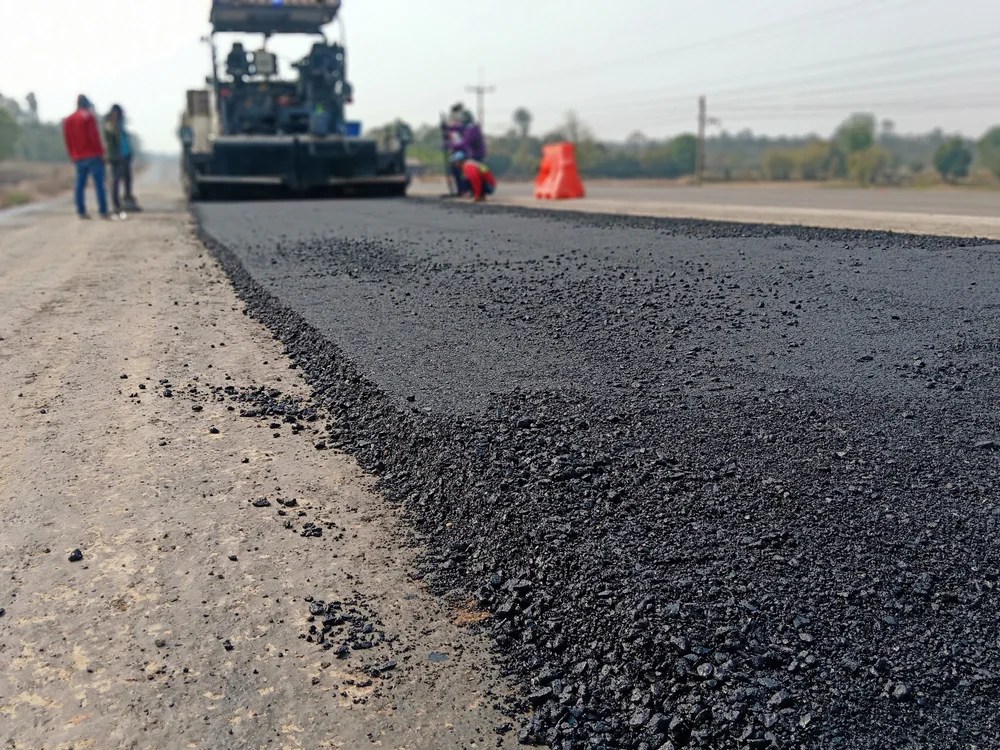
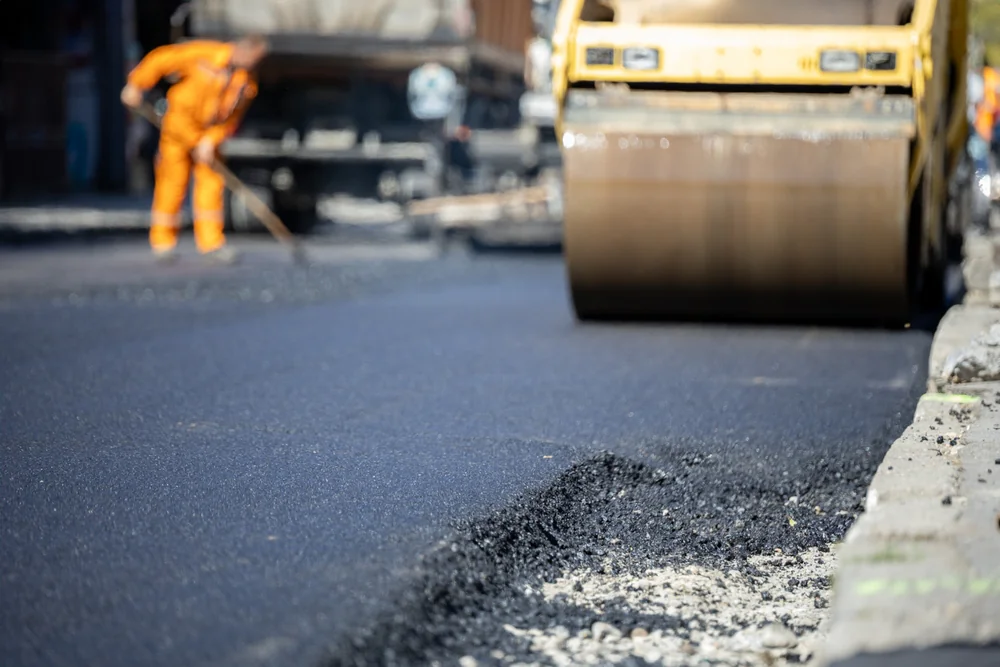
You’re not looking for the cheapest option. You’re looking for asphalt that won’t crack apart after one winter or turn into a pothole minefield by spring.
That’s what proper paving installation gets you—a surface with the right base, the right drainage, and the right materials to survive freeze-thaw cycles, summer heat, and everything in between. When the job’s done right, you’re not calling someone back in two years to fix what shouldn’t have failed.
You get smooth access to your property. No more rattling over uneven pavement or worrying about liability from cracked surfaces. Just a clean, functional driveway or lot that does its job without constant attention.
We bring expertise rooted in the industry since 1948. This isn’t a crew that just showed up yesterday—it’s generations of hands-on knowledge applied to residential driveways, commercial parking lots, and industrial projects across Mercer County.
Here’s what sets us apart: one crew, one job, full attention. No jumping between sites or rushing to the next property. Every project gets the same careful approach, whether it’s a small home driveway in Ewing Township or a large commercial parking lot near The College of New Jersey.
The owner’s on-site. We know the area. And our work reflects a straightforward philosophy—treat every client like they’re the most important one, because to that client, they are.
First, the existing surface comes out if it’s damaged beyond repair. That means breaking up old asphalt or concrete, hauling it away, and starting with a clean slate. If your current surface is stable, an overlay might work—but only if the base underneath can handle it.
Next comes grading and drainage. Water is asphalt’s worst enemy, especially in Ewing Township where winters are brutal. We shape the surface so water flows away from your property, not toward your foundation or into low spots that turn into ice patches.
Then the base goes in—typically 6 to 8 inches of compacted aggregate. This layer is what keeps your asphalt from sinking, cracking, or developing those dips that collect water. It gets compacted in layers, tested for stability, and adjusted if any soft spots show up.
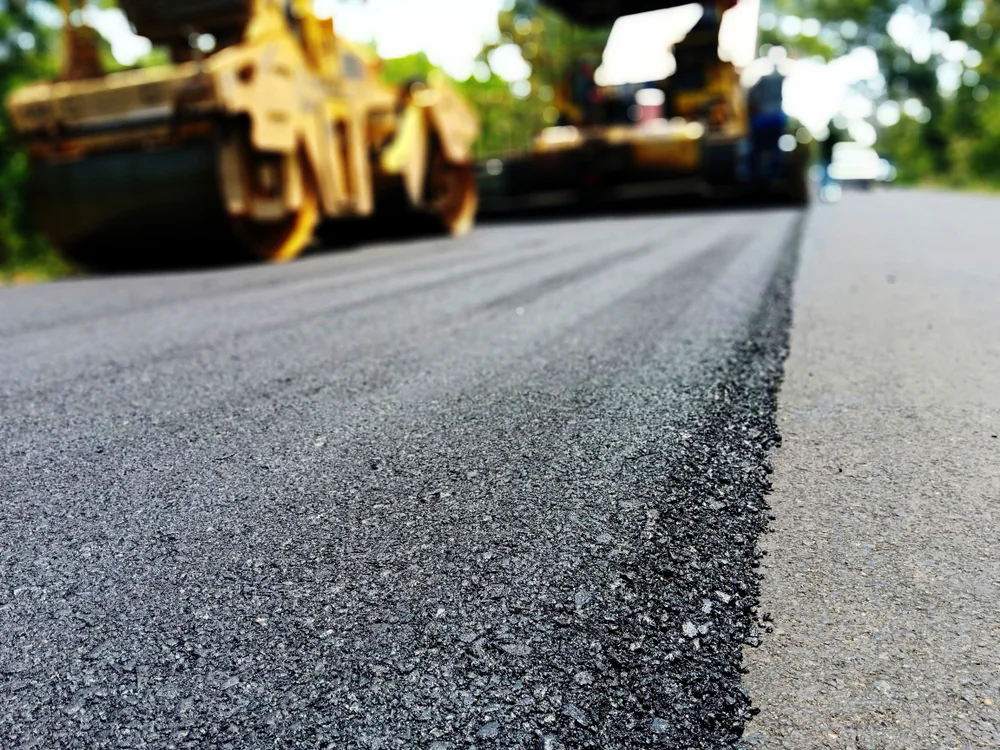
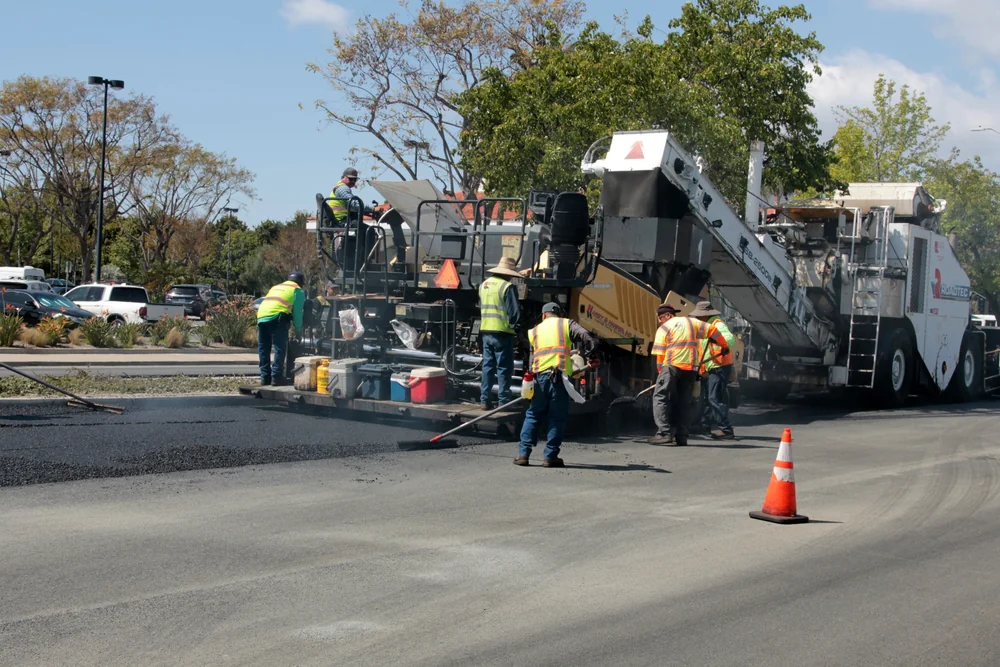
After that, the binder layer and surface asphalt get installed. Hot mix asphalt is laid, graded smooth, and compacted with heavy rollers. The actual paving often happens fast—sometimes in a day—but the prep work before it is what determines whether your driveway lasts 5 years or 25.
Finally, edges get sealed where new asphalt meets old surfaces, and you wait. You can walk on it pretty quickly, but full curing takes about a month. That’s when it reaches maximum strength.
Ready to get started?
Residential paving installation in Ewing Township isn’t one-size-fits-all. Your driveway might need full removal and replacement if the base has failed. Or maybe it just needs resurfacing if the foundation is still solid. The right call depends on what’s underneath, how water drains, and how much damage already exists.
For commercial properties near The College of New Jersey or throughout Mercer County, parking lot paving faces heavier loads, more traffic, and stricter ADA requirements. That means thicker asphalt, reinforced edges, proper striping, and drainage systems that handle runoff without creating liability issues.
Ewing Township sits in the heart of New Jersey’s freeze-thaw zone. When water seeps into cracks, freezes overnight, and expands, it tears asphalt apart from the inside. That’s why base preparation matters so much here. A poorly compacted base will flex under weight, let water penetrate, and fail within a few winters. A properly installed base distributes weight evenly, sheds water quickly, and gives your asphalt the support it needs to last decades.
The area also sees heavy spring rains and summer heat that softens asphalt. Properties here benefit from proper sloping, quality materials rated for temperature extremes, and sealcoating every few years to protect the surface from UV damage and water infiltration.
Whether you’re a homeowner on a residential street or managing a commercial property, the same principles apply: solid base, proper drainage, quality materials, and attention to detail. That’s what holds up in this climate.
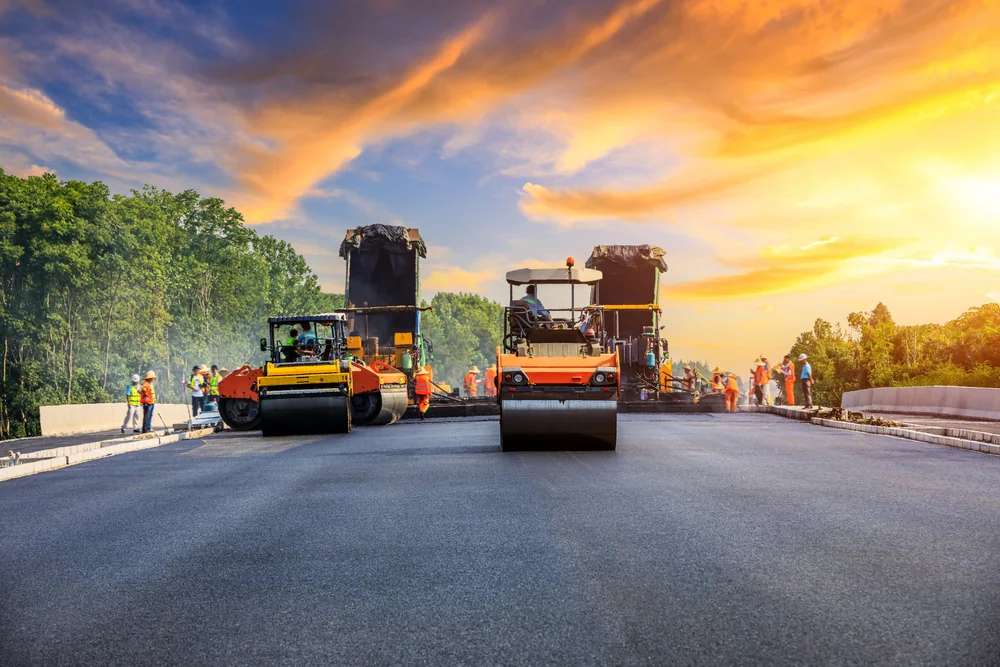
Asphalt paving in Ewing Township typically runs $5 to $12 per square foot, depending on several factors. That includes removal of old material, base preparation, and installation of new asphalt.
A standard two-car driveway (about 20 by 40 feet) usually falls between $4,000 and $9,000. Smaller driveways cost less. Larger commercial parking lots cost more per square foot because of added requirements like striping, ADA compliance, and heavier-duty materials.
What drives the price? Thickness of asphalt, condition of existing surface, drainage work needed, accessibility of your property, and whether you need permits. If your current driveway has major drainage issues or a failed base, expect costs on the higher end because proper fixes require more excavation and materials. Skipping that work to save money now just means you’ll pay more later when the new asphalt fails prematurely.
You can walk on new asphalt within a day and drive on it lightly after 2 to 3 days. But full curing takes about 30 days in New Jersey’s climate.
During that first month, avoid sharp turns that scuff the surface, don’t park in the same spot every day, and keep heavy vehicles off if possible. The asphalt is still hardening and can be damaged by excessive weight or friction.
Temperature matters. Hot summer days mean asphalt stays softer longer. Cool spring or fall weather helps it cure faster. We schedule paving for late spring through early fall when conditions are ideal—warm enough for proper compaction but not so hot that the surface stays too soft.
After the 30-day cure period, your asphalt reaches maximum strength and can handle normal traffic without special precautions. Just remember that even fully cured asphalt benefits from sealcoating after 6 months to a year to lock in protection against water and UV damage.
It depends entirely on what’s underneath. If your current asphalt has minor surface cracking but a solid, stable base, an overlay can work and costs less. You’re adding a new layer on top, which gives you a fresh surface without the expense of full removal.
But if your driveway has deep cracks, potholes, drainage problems, or areas that sink when it rains, the base has failed. Putting new asphalt over a failed base is like putting new carpet over rotten floorboards—it looks good briefly, then fails again.
In Ewing Township, freeze-thaw cycles are brutal on weak bases. Water gets underneath, freezes, expands, and destroys the foundation. If that’s happened, removal and replacement is the only fix that lasts.
We’ll assess your base honestly. We check for soft spots, look at drainage patterns, and tell you whether an overlay makes sense or whether you need full replacement. That assessment is worth getting before you commit to any work.
Late spring through early fall—roughly April through October—is ideal for asphalt paving in New Jersey. You need consistent temperatures above 50 degrees for proper installation and curing.
Asphalt is installed hot and needs time to cool and compact correctly. Cold weather causes it to cool too fast, preventing proper compaction. Extremely hot weather keeps it too soft for too long. Moderate temperatures give the best results.
We get busy during summer months because conditions are right and homeowners want work done before winter. If you’re planning a project, schedule early. Waiting until September or October means competing for spots on our schedule as everyone tries to finish before temperatures drop.
Winter paving is possible in emergencies but not ideal. The asphalt doesn’t bond as well, curing takes longer, and you risk issues down the road. If you can wait until spring, wait.
Maintenance starts with sealcoating. Apply a quality sealer 6 months to a year after installation, then every 2 to 3 years after that. Sealcoating protects against water infiltration, UV damage, and chemical spills like oil or gas. It’s the single most effective way to extend your driveway’s lifespan.
Fill cracks as soon as you see them. Small cracks turn into big cracks fast, especially during New Jersey winters. Water seeps in, freezes, expands, and tears the asphalt apart. Catch them early with crack filler and you prevent expensive repairs later.
Keep your driveway clean. Sweep off leaves, dirt, and debris regularly. Wet leaves trap moisture against the asphalt and can cause deterioration. Oil and gas spills should be cleaned up quickly—they break down the binder in asphalt and create soft spots.
Avoid heavy loads in one spot for extended periods, especially during hot weather when asphalt is softer. And watch your edges—they’re the weakest point. Trim back grass or soil buildup that can cause crumbling along the sides.
With proper maintenance, an asphalt driveway in Ewing Township can easily last 20 to 25 years. Without it, you might see significant problems in 10 years or less.
Yes, many New Jersey municipalities including Ewing Township require permits for driveway work. Requirements vary depending on whether you’re replacing an existing driveway, expanding it, or installing a new one.
Permits ensure work meets local codes for drainage, setbacks, and property line clearances. They also protect you—unpermitted work can create issues when you sell your property or file insurance claims.
We know local permit requirements and can often handle the paperwork for you. We’ll pull the necessary permits, schedule inspections if required, and make sure everything is documented properly.
Don’t skip this step to save time or money. The cost of a permit is minimal compared to the headache of dealing with code violations or having to redo work that doesn’t meet township standards. Ask us upfront how we handle permits and make sure it’s included in your project plan.
Other Services we provide in Thecollegeofnewjersey