
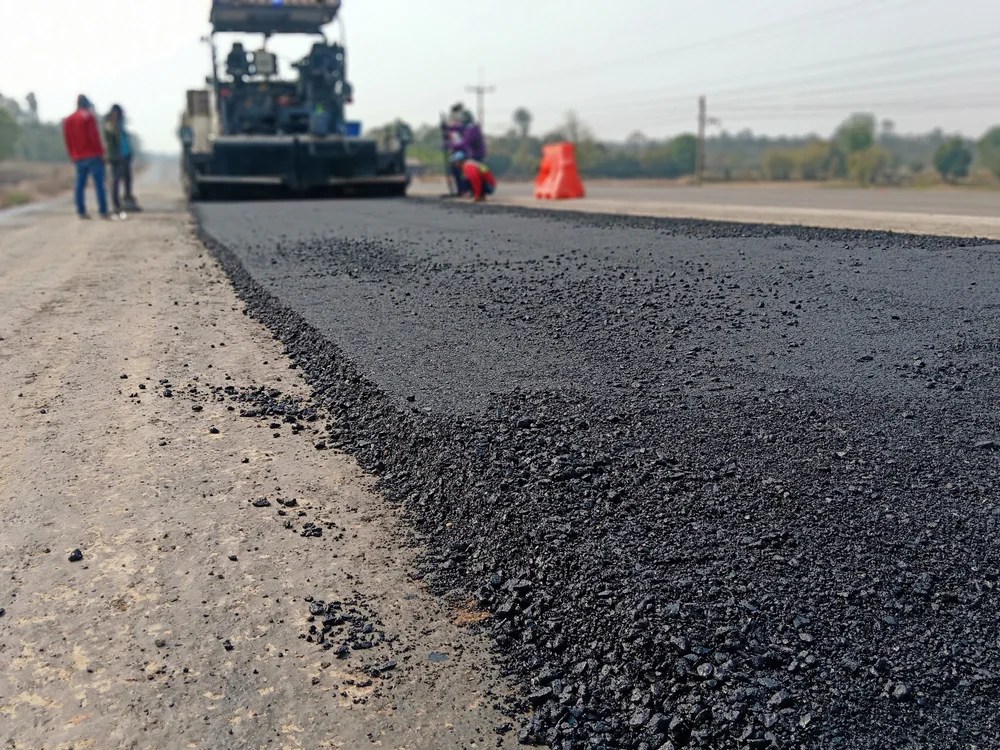
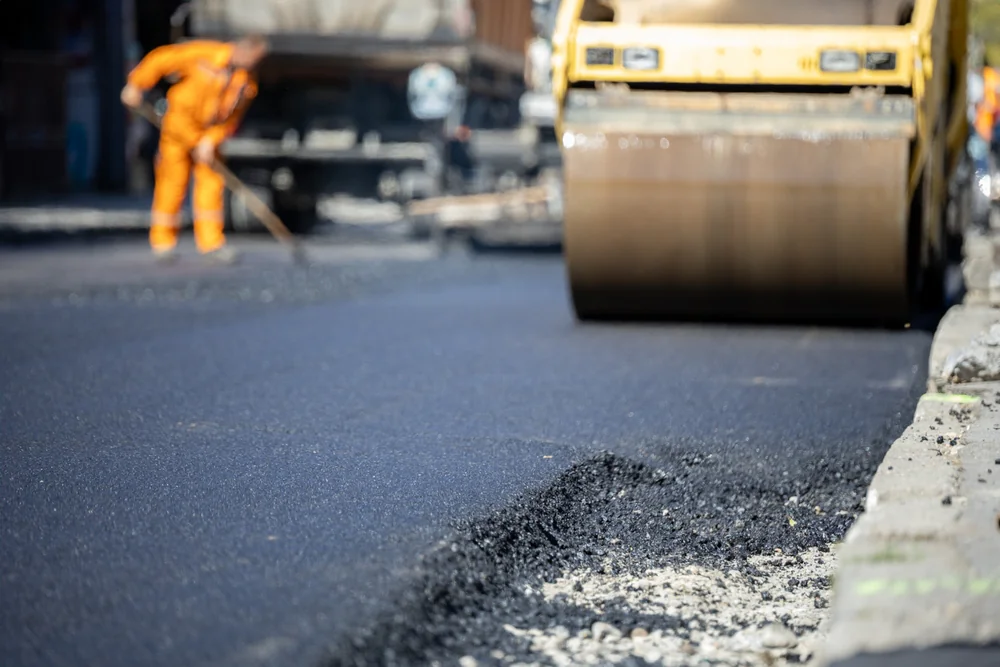
Your driveway takes a beating. Pennsylvania winters mean freeze-thaw cycles that crack weak pavement. Water that doesn’t drain properly turns small cracks into potholes. And a surface that wasn’t installed correctly from the start? You’re looking at repairs in a year or two instead of decades.
When the work is done right, you get a smooth, durable surface that handles your vehicles, sheds water away from your foundation, and holds up through the seasons. No more avoiding that rough patch. No more explaining to guests why half your driveway looks like a war zone. Just clean, functional pavement that does its job.
We handle everything from residential driveways to commercial parking lots, and the process stays the same: proper grading for drainage, a solid compacted base, quality materials, and a crew that’s focused on your project—not splitting time across three other jobs. You’re not getting the cheapest option. You’re getting one that actually lasts.
We bring expertise rooted in the industry since 1948—family tradition, modern techniques, and a straightforward approach to every project in Woodbourne and throughout Bucks County. We work on driveways, parking lots, industrial paving, and water management solutions, treating each job with the same level of care whether it’s a single-car driveway or a commercial lot.
Here’s what sets us apart: one job at a time. Our crew doesn’t bounce between sites. We’re on your property, focused, until it’s finished correctly. Communication stays clear from estimate through completion. And our philosophy is simple—treat every client like the top client, find custom solutions for each property’s specific drainage and grading needs, and build relationships that last beyond the final invoice.
Woodbourne homeowners know quality matters. With property values well above the state average and a community that invests in maintaining curb appeal, you need a paving contractor who understands that this isn’t just about laying asphalt—it’s about doing it right so you’re not dealing with problems two winters from now.
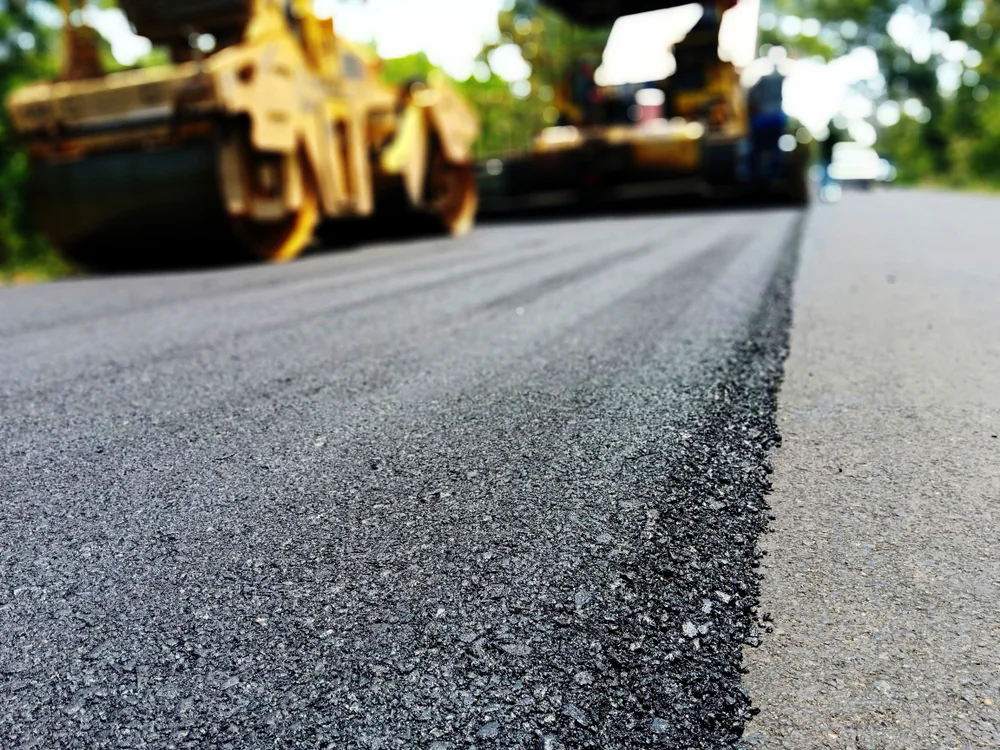
First, the existing surface gets removed if needed—old asphalt, concrete, whatever’s there. Demolition and debris removal set up a clean foundation to work from. Then comes the most critical step: grading and drainage. If water doesn’t flow away from your driveway and foundation, you’ll have problems no matter how good the asphalt is. Proper slope and drainage solutions get addressed here.
Next is the sub-base—the foundation that supports everything above it. This layer gets compacted in stages, then proof-rolled with heavy equipment to check for soft spots. Any weak areas get reinforced before moving forward. Skipping this step or rushing it? That’s how driveways fail early. The binder layer goes down next—larger aggregate mixed with oil that adds structural strength. Finally, the surface layer gets applied and compacted smooth. This is the layer you see and drive on, made with smaller aggregate for a finished appearance and proper traction.
The whole process for a residential driveway typically takes a few days, depending on size and any drainage work needed. You’ll wait 24 to 48 hours before driving on it, and the asphalt continues curing over the following weeks. Sealcoating comes later—usually six months to a year after installation—to protect the surface and extend its life. Done right with regular maintenance, you’re looking at 15 to 20 years or more from your driveway.
Ready to get started?
We handle both residential driveway paving and commercial paving projects throughout Woodbourne and Bucks County. Residential work includes new driveway installation, resurfacing, repairs, and custom drainage solutions. Commercial services cover parking lot paving, industrial site work, and larger-scale projects that require coordination and precision.
Every project starts with a site assessment—looking at soil conditions, existing drainage, how water moves across the property, and what the surface needs to handle long-term. In Woodbourne, where properties average over $600,000 and homeowners expect quality, the details matter. Proper grading prevents water from pooling or running toward foundations. The right base thickness supports your vehicles without settling or cracking. And quality materials mean the surface holds up through Pennsylvania’s temperature swings and winter conditions.
We also offer water management and grading services—critical in areas where drainage can make or break pavement longevity. Plus, discounts are available for seniors, military members, and first-time customers. The goal isn’t just to complete a project. It’s to deliver work that holds up, looks good, and gives you one less thing to worry about for the next couple of decades.
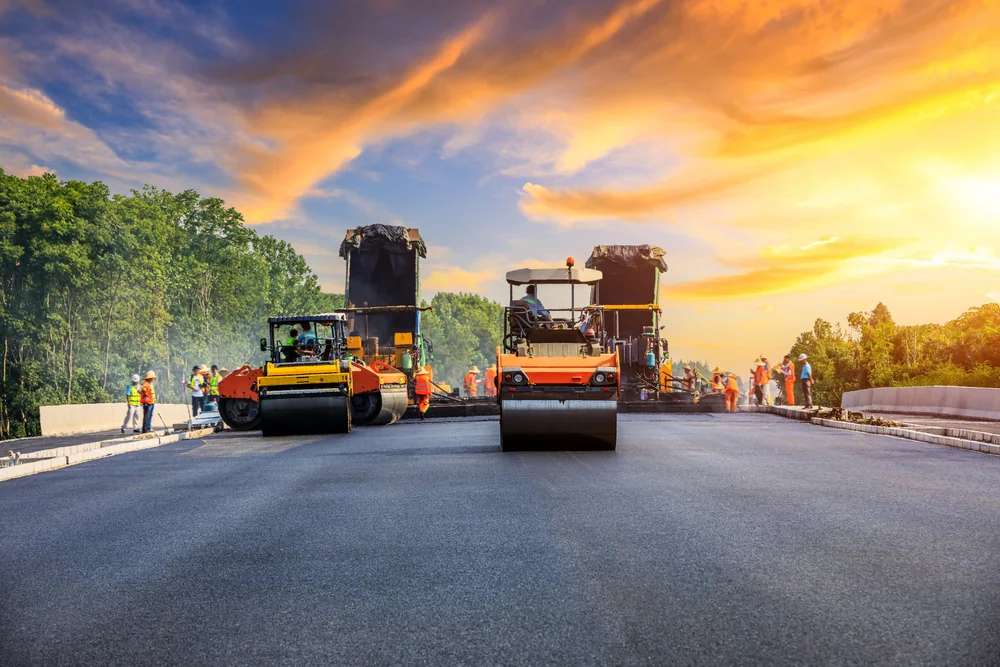
Asphalt paving typically costs between $5 and $13 per square foot installed, depending on the project specifics. For a standard residential driveway in Woodbourne—let’s say 20 feet by 20 feet—you’re looking at roughly $2,000 to $5,000 on average. But that range shifts based on several factors: the condition of your existing surface, how much prep work and grading is needed, drainage solutions, driveway thickness, and any custom features.
If your property has drainage issues or needs significant base repair, costs go up because that foundational work is non-negotiable for a driveway that lasts. A straight, flat driveway on stable ground costs less than one with curves, slopes, or soil problems. The key is getting an accurate estimate based on your specific property—not a ballpark number that doesn’t account for what your driveway actually needs. We provide transparent quotes after assessing your site, so you know what you’re paying for and why.
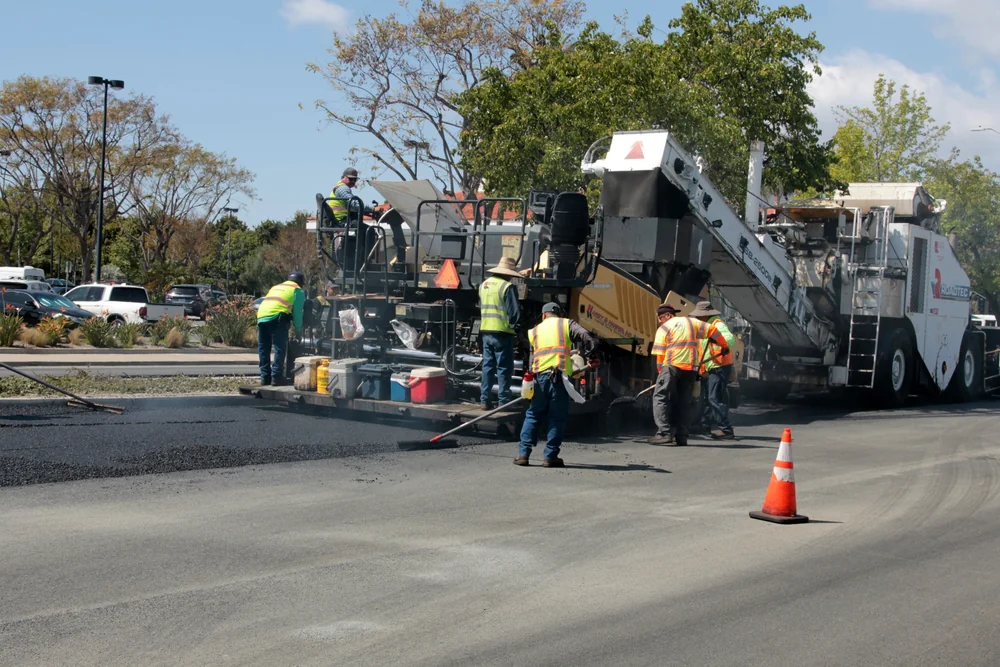
Most residential driveway installations take two to three days from start to finish. Day one typically involves demolition and removal of the old surface, plus initial grading and base preparation. Day two focuses on sub-base compaction, proof rolling, and laying the asphalt layers. Larger or more complex projects—like driveways with significant drainage work or commercial parking lots—can take longer depending on size and scope.
After installation, you’ll need to wait 24 to 48 hours before driving on the new asphalt. It’s usable at that point, but full curing continues over the next few weeks. During that time, avoid sharp turns, heavy loads, or anything that might scuff the surface while it’s still settling. Weather plays a role too—asphalt installs best when temperatures are consistently above 50 degrees, which is why spring through early fall is peak season in Pennsylvania. We’ll give you a realistic timeline based on your project and current conditions.
An asphalt overlay means adding a new layer of asphalt on top of your existing driveway, assuming the current surface is still in decent shape—no major cracks, no base failure, no significant drainage problems. It’s less expensive because you’re not tearing out and hauling away the old material. Overlay works well if your driveway just needs a fresh surface but the foundation underneath is still solid.
Full replacement involves removing the old asphalt or concrete completely, addressing any base or drainage issues, and installing new material from the ground up. This costs more upfront but it’s the right move when your driveway has structural problems—deep cracks, potholes, settling, or water damage. Trying to overlay a failing driveway just kicks the problem down the road. You’ll end up with the same issues showing through the new surface within a year or two. We’ll assess your driveway honestly and tell you which option makes sense. If the base is shot, replacement is the only way to get lasting results.
Asphalt maintenance isn’t complicated, but it does require some attention to get the most life out of your driveway. First, plan to sealcoat six months to a year after installation, then every two to three years after that. Sealcoating protects the surface from UV damage, water penetration, oil, and chemicals—basically everything that breaks down asphalt over time. It also keeps the driveway looking fresh.
Second, address cracks early. Small cracks are easy and inexpensive to fill. Ignore them, and water gets in, freezes, expands, and turns that hairline crack into a pothole. Pennsylvania winters make this especially important. Third, keep your driveway clean—sweep off debris, remove oil stains promptly, and make sure drainage stays clear so water doesn’t pool. Finally, get an annual inspection from a contractor who knows what to look for. We’ll catch issues before they become expensive problems. With regular maintenance, a properly installed asphalt driveway lasts 15 to 20 years or more. Skip the maintenance, and you’re looking at major repairs or replacement much sooner.
Water is the number one enemy of asphalt. If your driveway doesn’t drain properly, water sits on the surface or seeps into the base, and that’s when problems start. In Pennsylvania, water that gets into cracks freezes during winter, expands, and breaks apart the pavement. Even without freezing, standing water weakens the base over time, leading to settling, cracks, and potholes.
Proper drainage means grading the driveway so water flows away from the surface and away from your home’s foundation. It might also mean installing drains, adjusting slopes, or addressing how water moves across your property. This work happens during installation—it’s part of the prep that determines whether your driveway lasts two years or twenty. Skipping drainage to save money upfront is one of the biggest mistakes homeowners make. You’ll pay for it later in repairs. We take drainage seriously because we’re thinking about long-term results, not just getting the job done fast.
Start with experience and reputation. Look for a contractor with a proven track record—years in business, positive reviews on platforms like Angie’s List, and references you can check. In Woodbourne, where property values are high and homeowners expect quality, you want someone who understands what’s at stake and has the expertise to deliver.
Next, pay attention to communication. Does the contractor explain the process clearly? Do they provide a detailed estimate that breaks down costs? Are they responsive when you have questions? Poor communication is a red flag. You also want transparency about timelines, materials, and what’s included in the price—no surprise costs halfway through the project. Ask about their approach to drainage and base preparation. A contractor who glosses over these steps or pushes you toward the cheapest option probably isn’t focused on long-term quality. Finally, confirm they’re licensed and insured. This protects you if something goes wrong. The right contractor treats your project with care, keeps you informed, and delivers work that holds up for decades.
Other Services we provide in Woodbourne