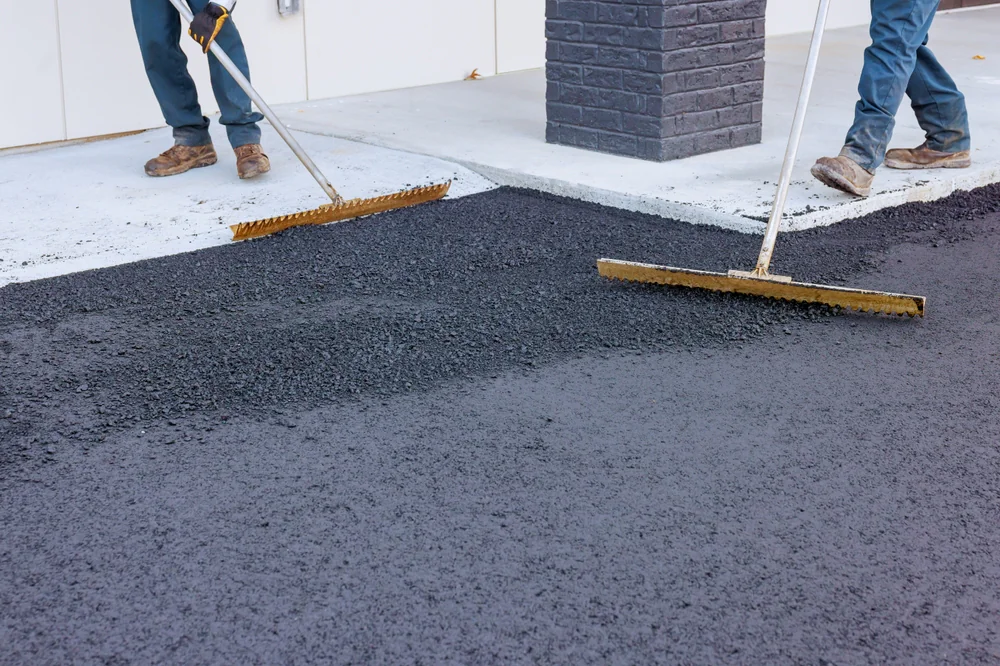
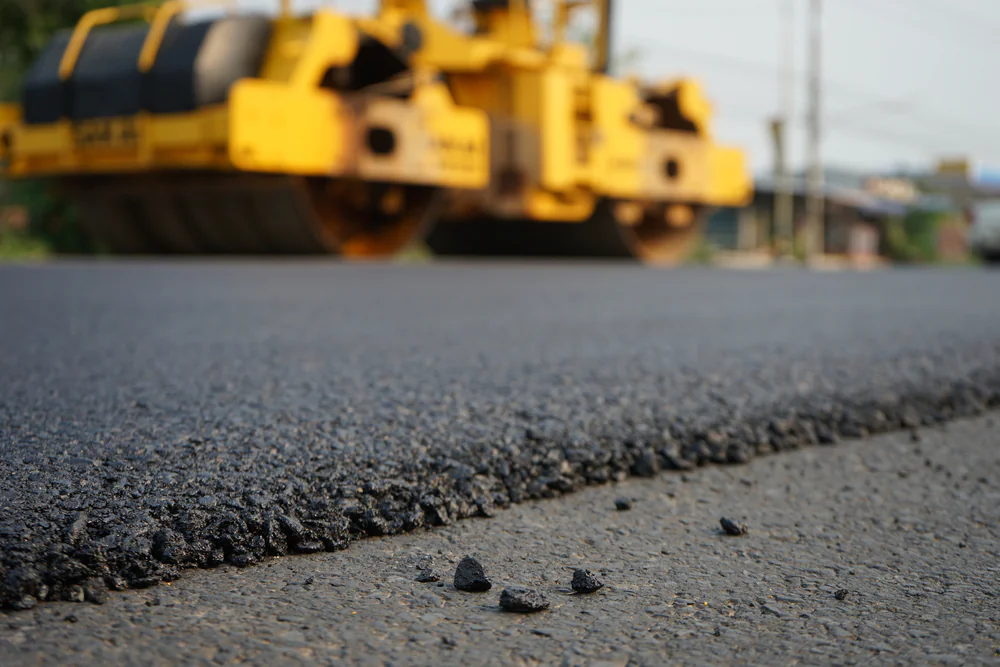
You stop worrying about lawsuits from potholes. You stop apologizing to customers about the condition of your lot. You get smooth, properly graded asphalt that handles delivery trucks, employee vehicles, and customer traffic without falling apart after one winter.
Your commercial parking lot becomes an asset instead of a problem. Professional striping guides traffic flow and actually uses your space efficiently. Proper drainage means no more lakes forming after every rainstorm or ice patches creating hazards in January.
Most importantly, your property looks like you care about it. First impressions matter when customers pull into your lot, and a well-maintained surface tells them you run a professional operation. You’re not just getting new asphalt—you’re getting peace of mind that the investment will last.
We bring 75 years of paving knowledge to every commercial project in Bedminster and throughout Bucks County. Our company started in 1948, and that experience shows in how we handle everything from small business lots to large industrial facilities.
Here’s what makes us different: we work on one project at a time. Your job gets our full attention, not divided focus across five other sites. Our crew shows up, does the work right, and doesn’t leave until it’s done correctly.
We serve commercial properties throughout Bedminster with the same approach—transparent communication, honest assessments, and no pressure to buy services you don’t need. You get straightforward answers about what your property needs and what it’ll take to fix it.
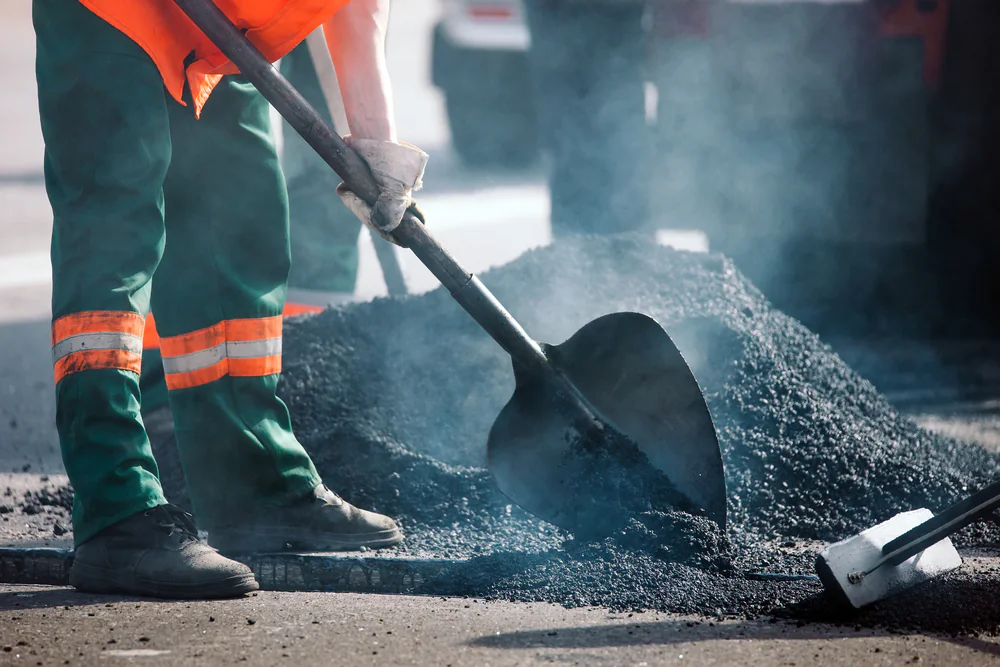
First, we assess your property. That means looking at the existing surface, checking drainage, understanding how much traffic you get, and identifying any base issues that need addressing before new asphalt goes down. You get a clear explanation of what needs to happen and why.
Next comes preparation. If you’re resurfacing, that might mean milling off the old layer. If you’re starting fresh, it means proper grading and base work. This step matters more than most people realize—skipping it leads to premature failure no matter how good the asphalt installation looks initially.
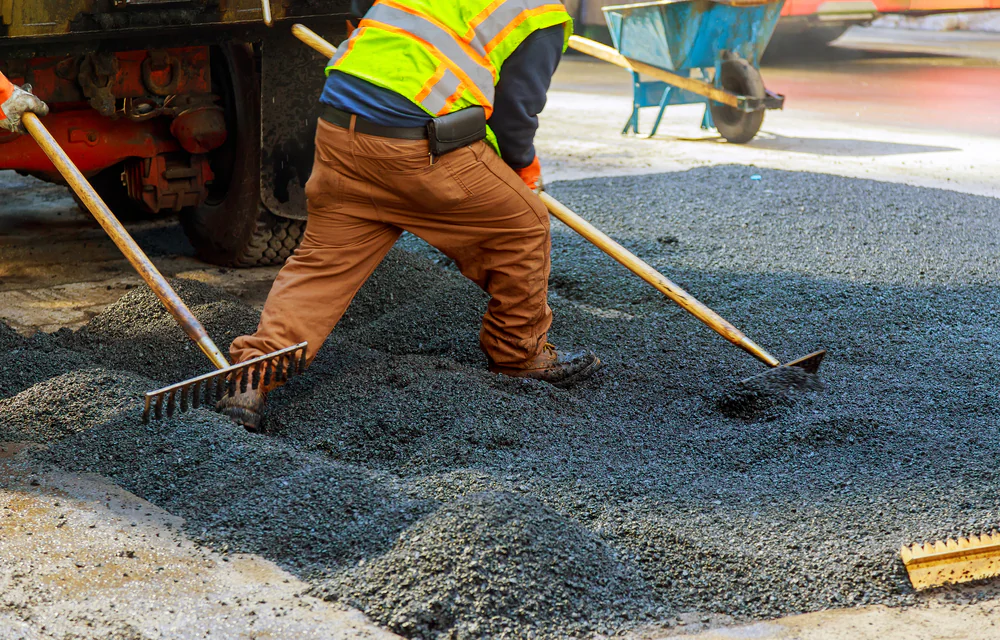
Then comes the actual paving. Commercial-grade asphalt gets laid hot and rolled properly to create a durable surface. We handle striping, ADA compliance requirements, and any drainage improvements your property needs. The timeline depends on your lot size, but most commercial projects wrap up in a few days with minimal disruption to your operations.
Ready to get started?
You get proper site preparation that addresses drainage and base stability. That’s not optional—it’s what separates paving that lasts from paving that fails. Commercial-grade asphalt designed for heavy traffic comes next, installed with the equipment and expertise to do it right.
Striping and marking get handled professionally, including ADA-compliant spaces, directional arrows, and clearly defined parking areas. Bedminster businesses need parking lots that maximize capacity while meeting local regulations, and proper layout makes that happen.
Drainage solutions get built into the project. Pennsylvania gets significant rainfall, and Bucks County winters mean freeze-thaw cycles that destroy improperly graded lots. Water needs somewhere to go, and proper slope prevents pooling that leads to premature deterioration and safety hazards.
You also get honest communication about maintenance. Sealcoating every few years and addressing small cracks promptly will extend your pavement’s life significantly. That’s not upselling—it’s reality. A well-maintained commercial parking lot in Bedminster can last 15-25 years. One that gets ignored needs replacement much sooner.
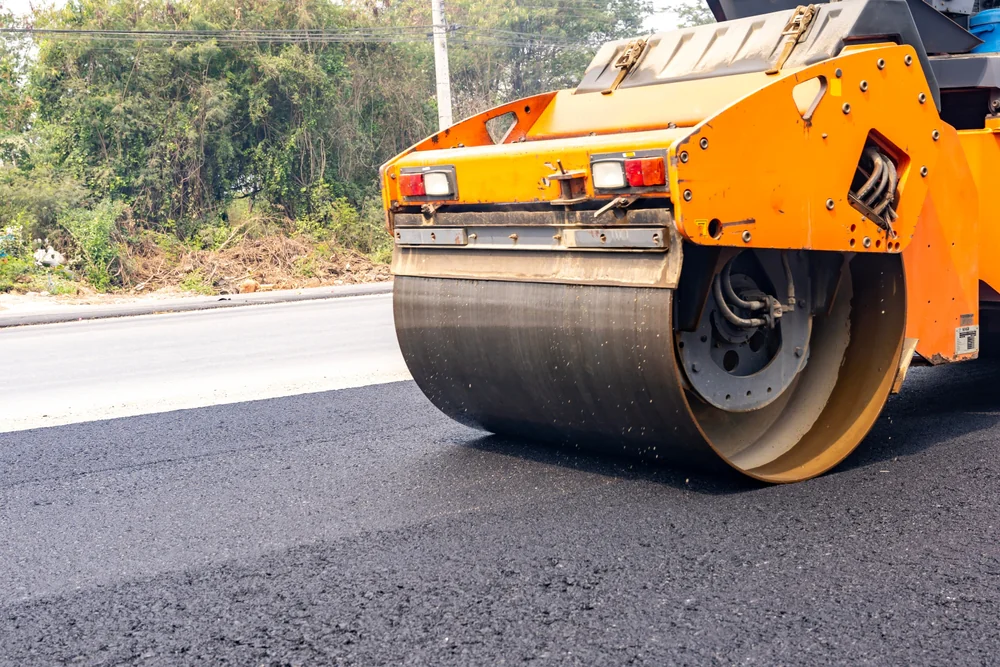
Most commercial parking lots in Bedminster take between two and five days from start to finish. Small business lots with 10-20 spaces often wrap up in one to two days. Larger retail centers, office complexes, or properties with significant base repair needs might need a full week.
The timeline depends on several factors. If you’re doing a simple overlay on structurally sound pavement, that’s faster than a complete tear-out and replacement. Weather matters too—you can’t pave in rain or when temperatures drop too low. Drainage work, ADA upgrades, or extensive base preparation add time but create better long-term results.
We schedule commercial work to minimize disruption. That might mean working in sections so you don’t lose all your parking at once, or timing the project during slower business periods. You get a clear timeline upfront that accounts for your property’s specific needs and your operational requirements.
Poor drainage is the biggest culprit. Water that pools on the surface or seeps into the base causes problems fast, especially in Pennsylvania where freeze-thaw cycles destroy pavement from the inside out. If water gets into cracks, freezes, and expands, it creates bigger cracks and potholes that spread quickly.
Inadequate base preparation is the second major issue. Some contractors skip proper grading or don’t compact the base correctly to save time. That might look fine initially, but the pavement settles unevenly and develops low spots where water collects. Once that starts, deterioration accelerates.
Heavy traffic without proper materials also shortens lifespan. Delivery trucks, snow plows, and constant vehicle weight require commercial-grade asphalt with appropriate thickness. Residential-grade materials on a commercial lot will fail quickly. Lack of maintenance matters too—neglecting sealcoating and small repairs allows minor issues to become major problems that require expensive reconstruction.
Yes, most commercial paving projects in Bedminster require permits, especially if you’re making drainage changes, updating ADA compliance features, or doing significant reconstruction. Local regulations cover setback requirements, stormwater management, and accessibility standards that apply to commercial properties.
The good news is that we handle permit coordination as part of the project. We know local requirements and work with municipal offices to get proper approvals. That includes understanding what triggers permit requirements versus what qualifies as routine maintenance.
If you’re just sealcoating or doing minor crack repair, you typically don’t need permits. But new construction, complete replacement, drainage modifications, or adding parking spaces usually require municipal approval. Don’t skip this step—unpermitted work can create problems when you try to sell the property or if someone gets injured and your insurance investigates. We know what’s required and factor that into the timeline.
Commercial paving costs vary significantly based on your property’s condition and what needs to happen. A simple overlay on good base material costs less than complete removal and replacement. Size matters too—a 5,000 square foot lot has different economics than a 50,000 square foot retail center.
Base preparation, drainage work, and striping all factor into the total cost. If your property has drainage problems or base failure, addressing those issues adds expense but prevents the new pavement from failing prematurely. ADA compliance upgrades, including proper accessible spaces and ramp slopes, are required for most commercial properties and need to be included in the budget.
The only way to get an accurate number is to have us assess your specific property. Be skeptical of contractors who quote prices over the phone without seeing the site. We provide detailed estimates after evaluating your lot’s condition, drainage, base stability, and specific requirements. That assessment explains what work is necessary versus optional, so you can make informed decisions about your investment.
Resurfacing (also called overlay) means milling off the top layer of damaged asphalt and installing a new surface layer over the existing base. This works when the base is still structurally sound but the surface has deteriorated from weather, traffic, and age. It’s less expensive and faster than full replacement.
Complete replacement means removing all the old asphalt down to the base, addressing any base problems, and installing entirely new pavement. You need this when the base has failed, when there are significant drainage issues, or when the existing pavement has deteriorated beyond what resurfacing can fix.
How do you know which one you need? Extensive cracking, large potholes, significant settling, or areas where the base has washed out typically require full replacement. Surface-level damage like minor cracking, fading, or shallow rutting can usually be handled with resurfacing. An honest assessment from us will tell you which approach makes sense for your property. Sometimes resurfacing is a short-term fix that just delays the inevitable, and replacement is the smarter long-term investment.
Sealcoating every three to five years is the most important maintenance step. It protects the asphalt from UV damage, water infiltration, and chemical spills from vehicles. Think of it like painting a house—it’s preventive maintenance that extends the life of your investment significantly.
Address cracks and small problems promptly. Small cracks that get ignored become big cracks that let water penetrate the base. Once water gets underneath the pavement, especially in Pennsylvania winters, you’re looking at potholes and base failure. Crack sealing is inexpensive compared to reconstructing failed sections.
Keep the surface clean and handle drainage issues immediately. Standing water means your drainage isn’t working correctly, and that needs attention before it causes damage. Regular sweeping removes debris that can hold moisture against the surface. If you notice areas where water pools after rain, get that addressed before freeze-thaw cycles turn it into a major problem. Good maintenance isn’t complicated, but it makes the difference between a parking lot that lasts 15 years and one that lasts 25.
Other Services we provide in Bedminster