Your parking lot isn’t just pavement—it’s the first thing customers see when they arrive. It’s where your employees park every morning. It’s where deliveries happen and business gets done.
When it’s cracked, uneven, or poorly maintained, you’re dealing with liability risks, customer complaints, and that nagging feeling that your property doesn’t reflect the quality of your business. When it’s done right, you forget about it entirely.
That’s the difference between adequate paving and professional commercial paving. You get a surface that handles heavy traffic, drains properly, and looks professional year after year. No emergency repairs disrupting your operations. No wondering if it’ll hold up through another Pennsylvania winter.
Productive Asphalt has been handling commercial paving projects in Pennsylvania since 1948. That’s three generations of learning what works, what doesn’t, and what commercial property owners actually need.
We treat every project—whether it’s a small office parking lot or a large industrial facility—with the same attention to detail. One crew, one job at a time, ensuring the work gets done right the first time.
This approach has earned us five-star reviews and repeat business throughout the Bridgeton area, where property owners know they can count on transparent communication, fair pricing, and work that stands up to Pennsylvania’s demanding climate.
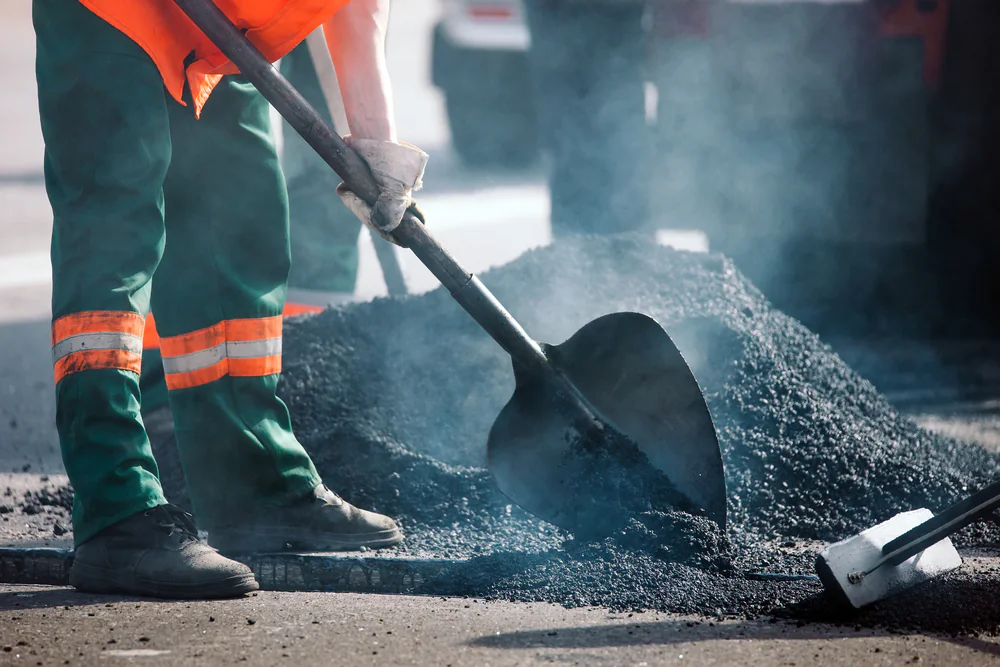
The process starts with a thorough site assessment to understand your specific needs, traffic patterns, and operational requirements. This isn’t a quick walkthrough—it’s a detailed evaluation of drainage, subgrade conditions, and how to minimize disruption to your daily operations.
Next comes project planning that works around your schedule. If you need certain areas accessible for deliveries or employee parking, that’s built into the timeline. We phase the work to keep essential areas open while completing each section properly.
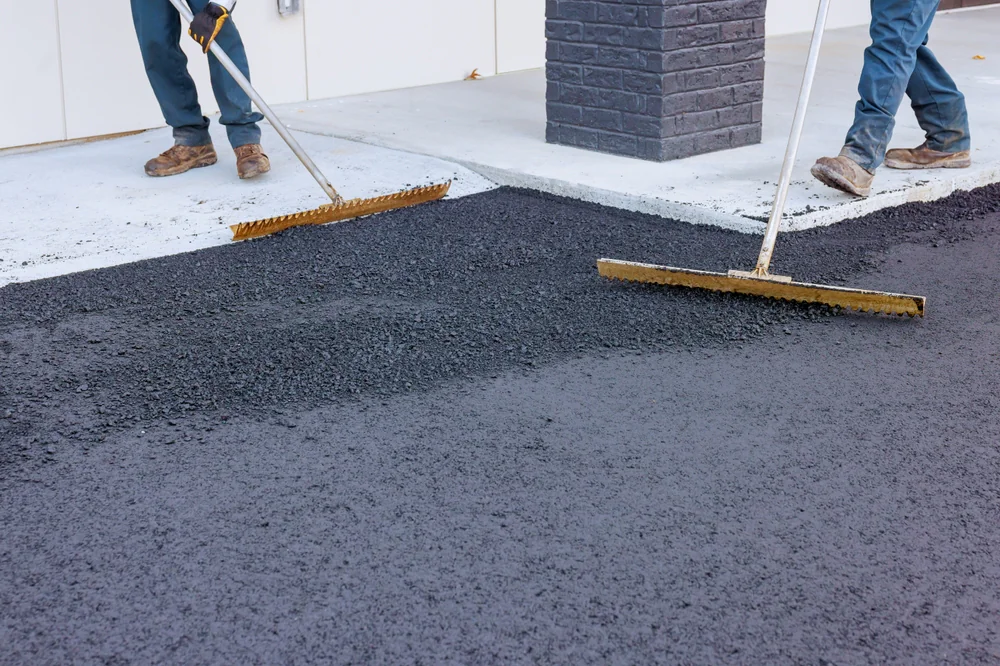
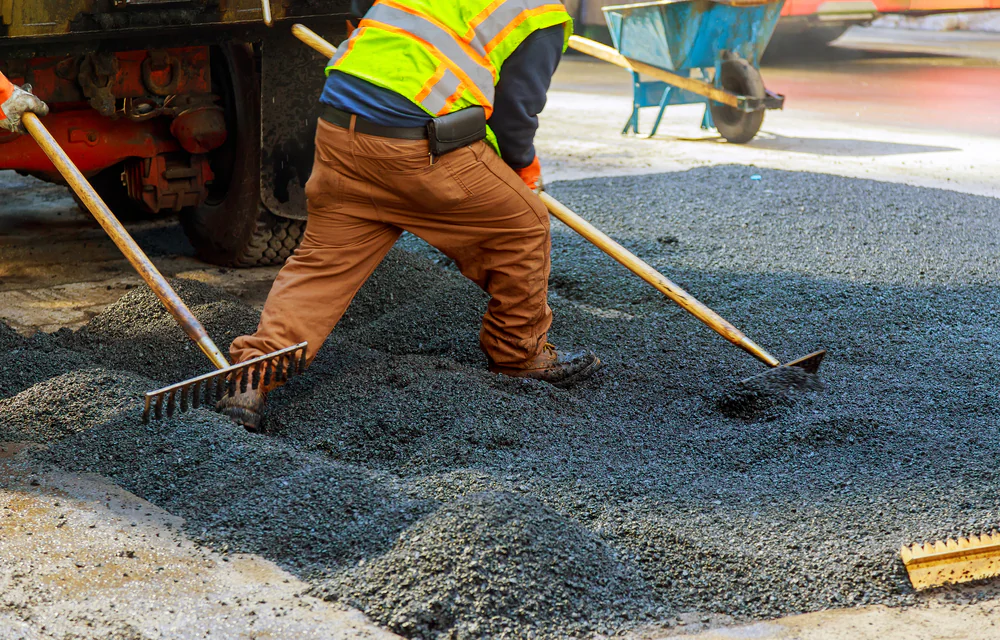
During installation, you’ll know exactly what’s happening and when. Clear communication means no surprises, no wondering when areas will be accessible again, and no disruption to your business operations. The goal is for you to barely notice the work is happening—until you see the finished result.
Ready to get started?
Commercial paving in Bridgeton requires understanding local conditions—the freeze-thaw cycles, the heavy truck traffic from Route 130, and the drainage challenges that come with the area’s clay soils. Each project includes proper subgrade preparation, appropriate asphalt thickness for expected loads, and drainage solutions that prevent water damage.
The service includes line striping, ADA-compliant accessibility features, and proper compaction techniques that ensure long-term performance. For businesses near the Delaware River or in flood-prone areas, special attention goes to water management and proper grading.
Pennsylvania’s climate demands specific approaches to asphalt mix design and installation timing. We understand these requirements and plan accordingly, ensuring your pavement performs well through hot summers and harsh winters. This local expertise makes the difference between adequate paving and pavement that truly serves your business needs.
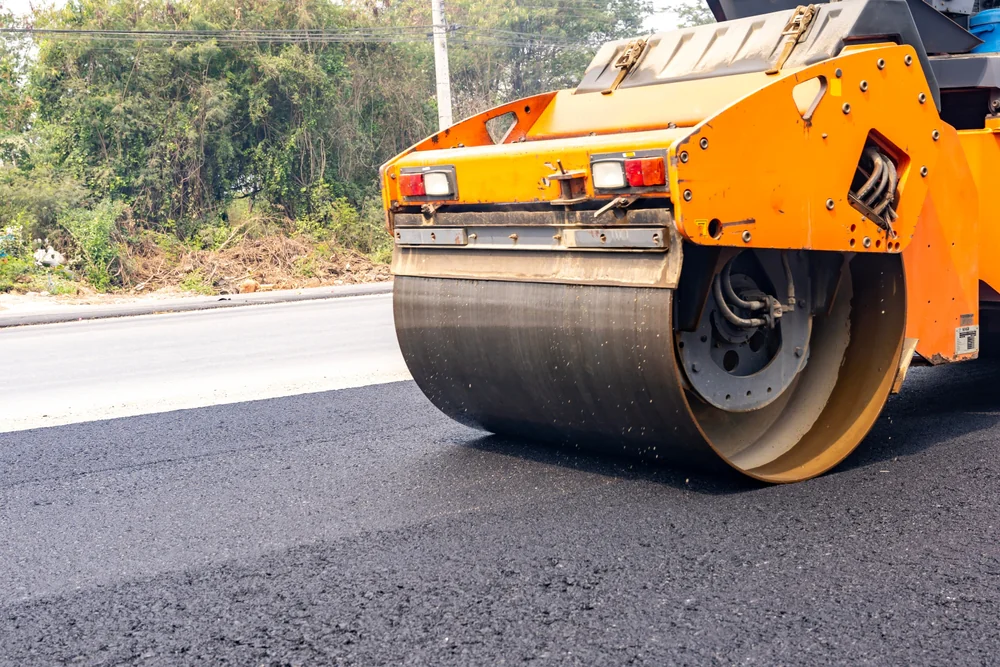
Most commercial paving projects are phased to keep portions of your parking lot accessible throughout the process. For a typical parking lot, you might lose 25-30% of spaces at any given time, with the entire project completed in 2-4 days depending on size and complexity.
We work with your operational needs to ensure essential areas—like handicap spaces, main entrances, and delivery zones—remain accessible or are completed first. Emergency vehicle access is always maintained, and you’ll know the exact timeline before work begins.
New asphalt can typically handle light traffic within 24 hours and full traffic loads within 72 hours, though this varies with weather conditions and asphalt thickness.
An overlay involves placing new asphalt over existing pavement that’s structurally sound but showing surface wear. This works well when the base is stable and there are no major drainage issues. It’s faster and less expensive, typically adding 10-15 years to pavement life.
Full-depth replacement involves removing existing pavement, addressing subgrade issues, and installing completely new pavement. This is necessary when there’s significant cracking, settlement, or base failure. While more expensive initially, it provides a fresh 20-25 year lifespan and addresses underlying problems.
The choice depends on your pavement’s current condition, budget, and long-term plans. A thorough assessment determines which approach provides the best value for your specific situation.
Proper drainage starts with correct grading during installation—typically a minimum 2% slope to direct water away from buildings and toward designated drainage areas. This prevents pooling that leads to cracking, potholes, and premature pavement failure.
For existing drainage problems, solutions might include installing catch basins, French drains, or regrading sections of the lot. In Bridgeton’s clay soil conditions, proper subgrade preparation is crucial to prevent water infiltration that causes base failure.
The goal is managing both surface water and groundwater to protect your pavement investment. This includes ensuring downspouts direct water away from paved areas and that any underground utilities don’t compromise drainage patterns.
New commercial asphalt should be sealcoated 6-12 months after installation, once it’s fully cured. After that, sealcoating every 3-4 years protects against UV damage, oil stains, and water penetration—extending pavement life significantly.
Crack sealing should be done promptly when cracks appear, typically in spring after freeze-thaw cycles. Small cracks sealed quickly prevent water infiltration that leads to bigger problems. Annual inspections help catch issues early when repairs are simple and inexpensive.
Snow removal practices matter too—using proper equipment and avoiding metal blades directly on asphalt prevents surface damage. Regular sweeping removes debris that can trap moisture and accelerate wear.
Commercial paving costs typically range from $3-7 per square foot for standard parking lots, depending on thickness requirements, site conditions, and project complexity. Heavy-duty industrial applications requiring thicker asphalt cost more, while simple overlay projects cost less.
Factors affecting price include subgrade conditions, drainage requirements, accessibility for equipment, and project size. Larger projects generally have lower per-square-foot costs due to economies of scale. Removing existing pavement adds $1-3 per square foot to the total.
The most accurate pricing comes from a site assessment that considers your specific conditions, traffic loads, and operational requirements. This prevents surprises and ensures you’re comparing accurate estimates between contractors.
Yes, scheduling flexibility is a key part of professional commercial paving service. Many projects can be scheduled for evenings, weekends, or during your slower business periods to minimize impact on operations.
For businesses that operate 24/7, the work is carefully phased to maintain access to essential areas while completing each section. This might mean working in smaller sections over a longer timeline, but it keeps your business fully operational.
The approach depends on your specific needs, the project scope, and local noise ordinances. During the initial consultation, we’ll discuss your operational requirements and develop a timeline that works for your business while ensuring proper installation procedures.
Other Services we provide in Bridgeton