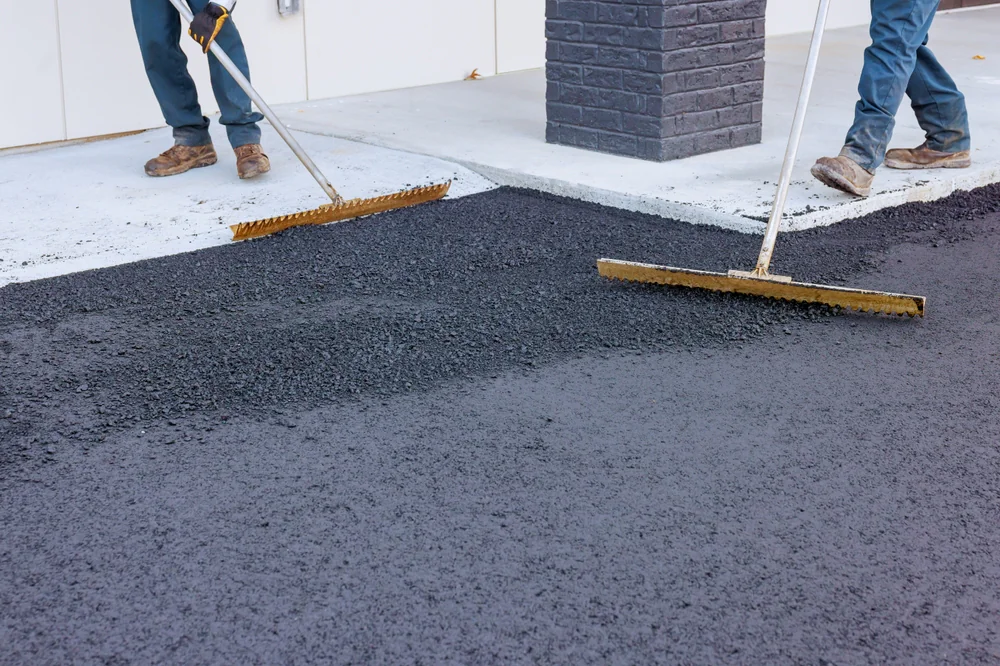
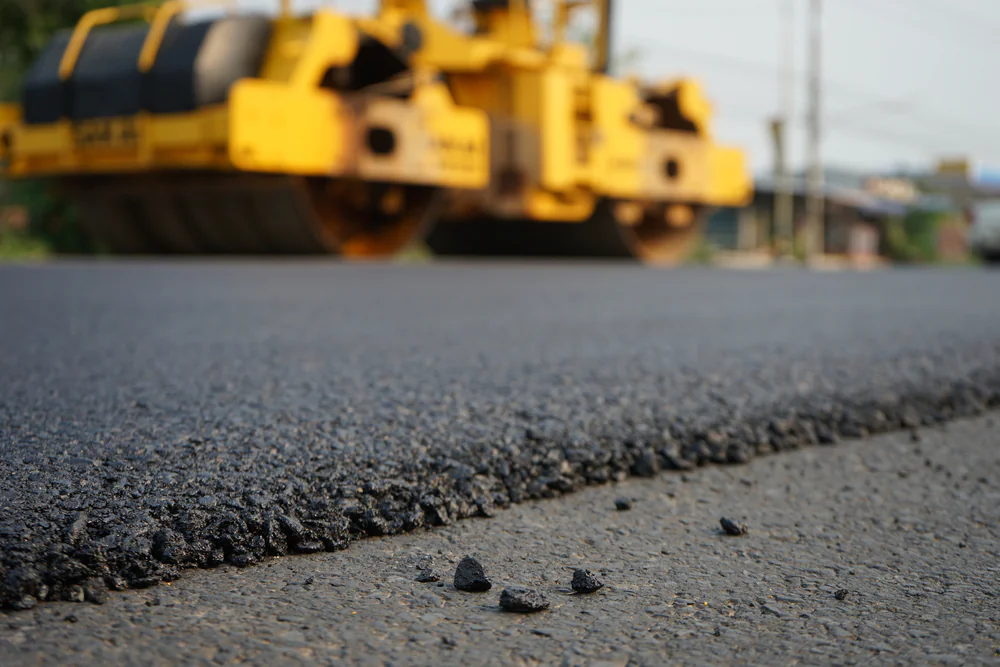
You stop worrying about potholes damaging customer vehicles. Water drains where it should instead of pooling in low spots. Your property looks maintained, professional, ready for business.
The difference is in the foundation. Most parking lot failures happen because the sub-base wasn’t properly compacted or the drainage wasn’t planned correctly. When those steps get rushed or skipped, you’re looking at cracks and failures within a few years instead of decades.
We handle commercial paving the way it should be done—full attention on your project, proper base preparation, and grading that actually directs water away from your asphalt. No shortcuts. No multi-tasking between job sites.
Productive Asphalt has been in the paving business since 1948. That’s not a marketing line—it’s three generations of learning what works and what fails in Pennsylvania’s freeze-thaw climate.
Bristol properties face specific challenges. Winter cold, summer heat, heavy commercial traffic. We work on one project at a time, which means the crew you see on day one is the same crew finishing your job. No juggling. No wondering when we’ll be back.
Every commercial property gets treated the same way, whether it’s a small business lot or a multi-acre industrial site. Transparent communication, honest timelines, and work that holds up under real-world conditions.
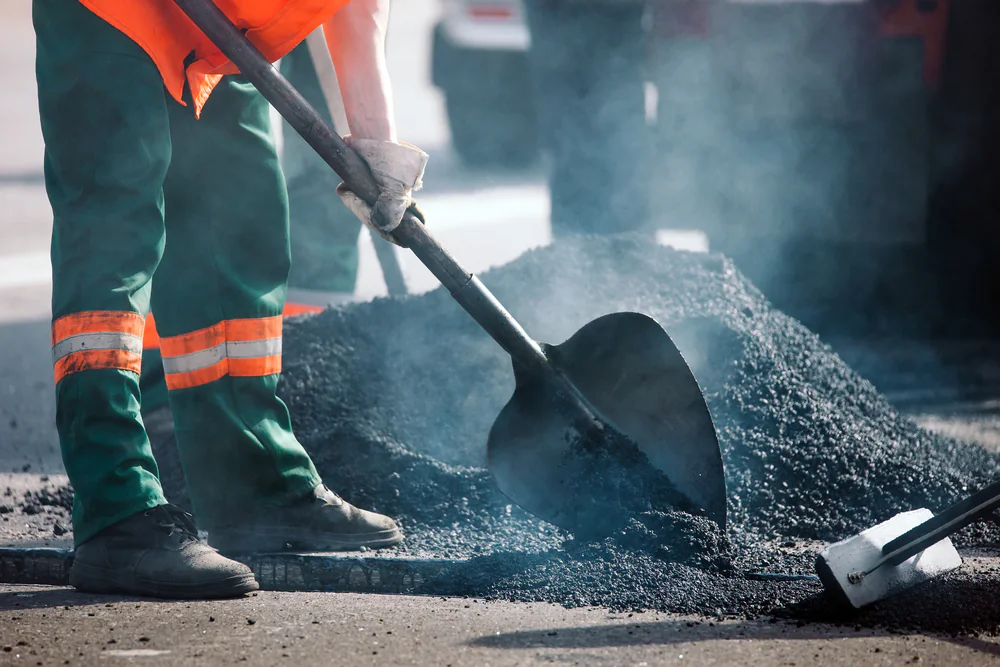
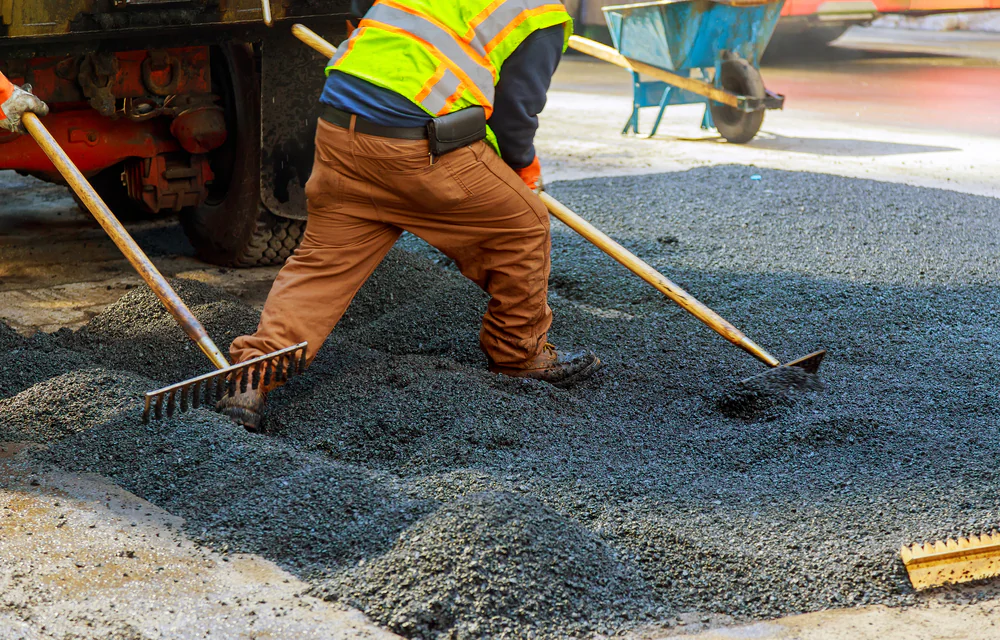
First, any existing damaged asphalt gets removed. You can’t build a lasting surface over a failing base, so this step creates a clean foundation.
Next comes grading and drainage planning. This determines where water goes when it rains. Poor drainage is the number one reason commercial parking lots fail early. We use laser-guided equipment to create proper slopes—usually a quarter-inch per foot—so water moves off your asphalt instead of sitting in puddles.
The sub-base layer goes in next. This is crushed aggregate rock, compacted in layers. It provides the structural support your asphalt needs and acts as a frost barrier during Bristol’s cold winters. We proof roll the sub-base with heavy equipment to find any soft spots before paving. If weak areas show up, they get fixed before asphalt goes down.
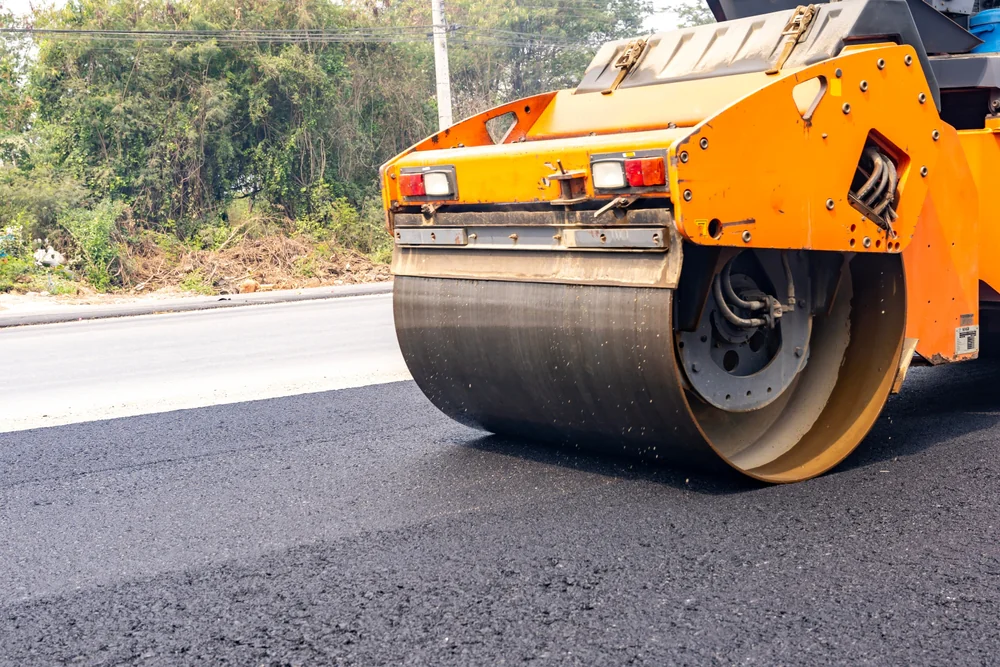
Then comes the binder layer—a strong asphalt mix with larger aggregate—followed by the surface course, which is the smooth top layer you drive on. Both layers get compacted with heavy rollers to eliminate air pockets and create a dense, durable surface. Finally, joints where new asphalt meets existing pavement get carefully graded to ensure smooth transitions and proper water runoff.
Ready to get started?
Every paving installation starts with a site evaluation. We look at your existing surface, drainage patterns, soil conditions, and how your property is used. A retail center with constant car traffic needs different planning than a warehouse with occasional heavy trucks.
You get a clear timeline before work starts. Commercial projects mean coordinating around your business hours when possible, minimizing customer disruption, and keeping you updated as the job progresses.
Bristol’s climate matters. Pennsylvania winters are hard on asphalt. Freeze-thaw cycles can destroy improperly installed pavement within a few seasons. That’s why the sub-base and drainage work are so critical here. Water that can’t drain properly freezes, expands, and cracks your asphalt from underneath.
We handle grading, water management solutions, ADA-compliant installations, and connections to existing surfaces. If your property has unique challenges—odd slopes, heavy traffic patterns, or drainage issues—those get addressed with custom solutions, not generic approaches.
It depends on the size of your parking lot and what condition the existing surface is in. A small business parking lot might take three to five days. Larger commercial properties with extensive drainage work or base repairs can take two weeks or more.
Weather affects the timeline. Asphalt needs to be installed when temperatures are consistently above 50 degrees, so late fall and winter projects aren’t ideal. Spring through early fall gives you the best conditions.
We work on one project at a time, so you’re not competing with other jobs for crew attention. You’ll get a realistic timeline upfront based on your specific property, not a generic estimate.
Poor drainage is the biggest culprit. When water pools on your asphalt instead of draining away, it works into small cracks, freezes during winter, and expands. That expansion creates bigger cracks, potholes, and eventually total base failure.
Inadequate sub-base preparation is the second major issue. If the base isn’t thick enough, properly compacted, or tested for soft spots, your asphalt doesn’t have the support it needs. Heavy commercial traffic will break down a weak base quickly.
Cheap installations that skip steps or use thin asphalt layers might save money upfront, but they cost more in the long run. You end up paying for repairs, resurfacing, or complete replacement years before you should.
In many cases, yes. We plan projects around your operational needs when possible. Some businesses need weekend or evening work to avoid peak customer hours. Others can section off parts of the lot and keep portions open during construction.
The approach depends on your property layout and the scope of work. During the initial site evaluation, we discuss your concerns about business disruption and build a plan that makes sense.
Complete parking lot replacements obviously require more coordination than small repair sections. But the goal is always to minimize impact on your customers and operations while still doing the work properly. Rushing installation to speed things up just creates problems later.
If your asphalt has surface cracks and minor wear but the base is still solid, resurfacing might work. That means adding a new asphalt layer over the existing surface after repairs.
Complete replacement becomes necessary when you have base failure—areas where the asphalt is sinking, widespread alligator cracking, or major drainage problems. If water has damaged the sub-base, putting new asphalt on top won’t fix the underlying issue.
We evaluate your specific situation during the site visit. You’ll get an honest assessment of what your property actually needs, not an upsell to the most expensive option. Sometimes strategic repairs buy you a few more years. Sometimes replacement is the only solution that makes financial sense.
Sealcoating is the main maintenance task. It protects your asphalt from UV damage, water penetration, and chemical spills like oil and gas. Most commercial lots should be sealed every two to three years, though high-traffic areas might need it more often.
Crack sealing prevents small cracks from becoming big problems. Addressing cracks early stops water from getting underneath your asphalt and damaging the base.
Keep your parking lot clean. Debris holds moisture against the asphalt surface. Make sure drainage areas stay clear so water can flow properly. If you notice standing water or new cracks, address them quickly rather than waiting.
With proper installation and regular maintenance, commercial asphalt in Bristol, PA typically lasts 15 to 25 years or more. Neglected asphalt might fail in under a decade. The upfront investment in quality installation pays off in lower long-term costs.
The sub-base is the foundation that supports everything above it. Think of it like the footer under a building—if it’s weak or improperly installed, nothing built on top will last.
Commercial properties deal with heavier loads than residential driveways. Delivery trucks, constant traffic, weight from multiple vehicles—all of that stress transfers down to the sub-base. If it shifts, settles, or erodes, your asphalt surface cracks and fails.
Pennsylvania’s freeze-thaw cycles make the sub-base even more critical. A properly installed sub-base acts as a frost barrier, preventing ground movement from freezing and thawing that would otherwise crack your pavement. It also needs to be thick enough and compacted correctly to handle your property’s specific traffic patterns. Cutting corners on sub-base preparation is the fastest way to need expensive repairs within a few years.
Other Services we provide in Bristol