A well-executed parking lot does more than look clean. It keeps your customers safe, protects your property value, and saves you from dealing with liability headaches down the road.
When pavement is installed right, you’re not patching potholes every spring or repainting faded lines every summer. You’re running your business without worrying whether someone’s going to trip, scrape their car, or complain about the crumbling asphalt out front.
Good paving means proper drainage that doesn’t flood your lot after a storm. It means ADA-compliant spaces that keep you on the right side of regulations. It means a surface that can take the weight of delivery trucks, employee vehicles, and customer traffic without breaking down in a few years.
We bring decades of hands-on paving experience to every commercial project in East Amwell and throughout New Jersey. With roots in the industry going back to 1948, we’ve seen what works and what doesn’t when it comes to asphalt that lasts.
We’re not the crew that juggles five jobs at once and shows up when we feel like it. When we’re on your property, that’s where our full attention stays until the work is done right. Every project gets the same level of care—whether it’s a small business lot or a large industrial site. Five-star reviews on Angie’s List and a track record of repeat customers back that up.
East Amwell’s mix of commercial and agricultural properties in Hunterdon County means you need a paving contractor who understands local conditions. New Jersey winters are tough on pavement, and we build with that in mind. Our approach is straightforward: listen to what you need, explain what’s involved, and deliver work that holds up year after year. Senior, military, and first-time customer discounts are available because quality paving should be accessible.
First, we come out to assess your property. That means looking at the current pavement condition, drainage issues, traffic patterns, and any problem areas you’ve been dealing with. We’re not there to sell you more than you need—we’re there to figure out the right solution for your specific situation.
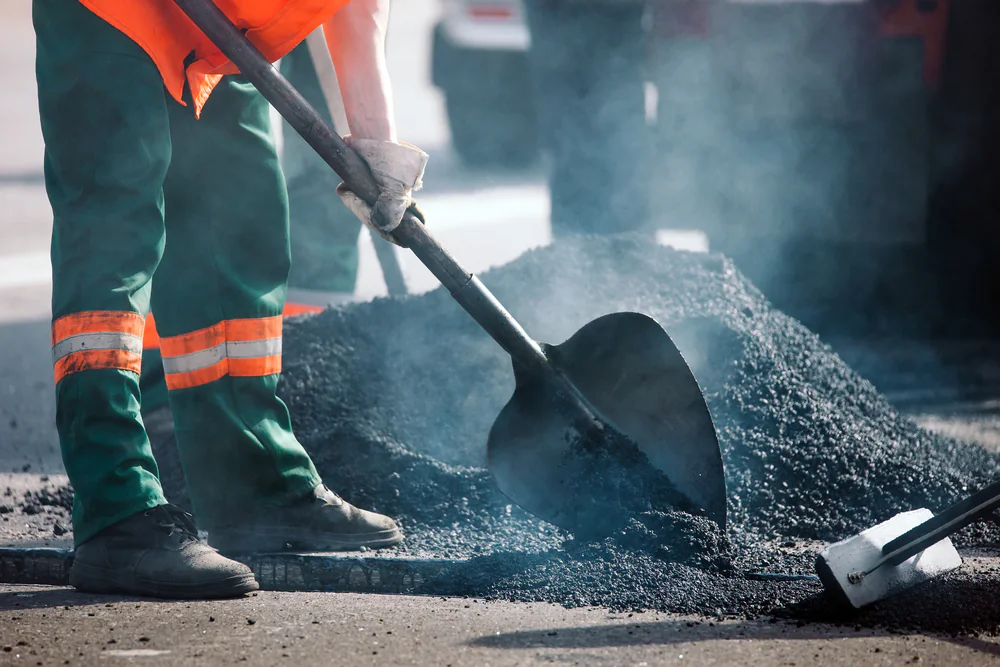
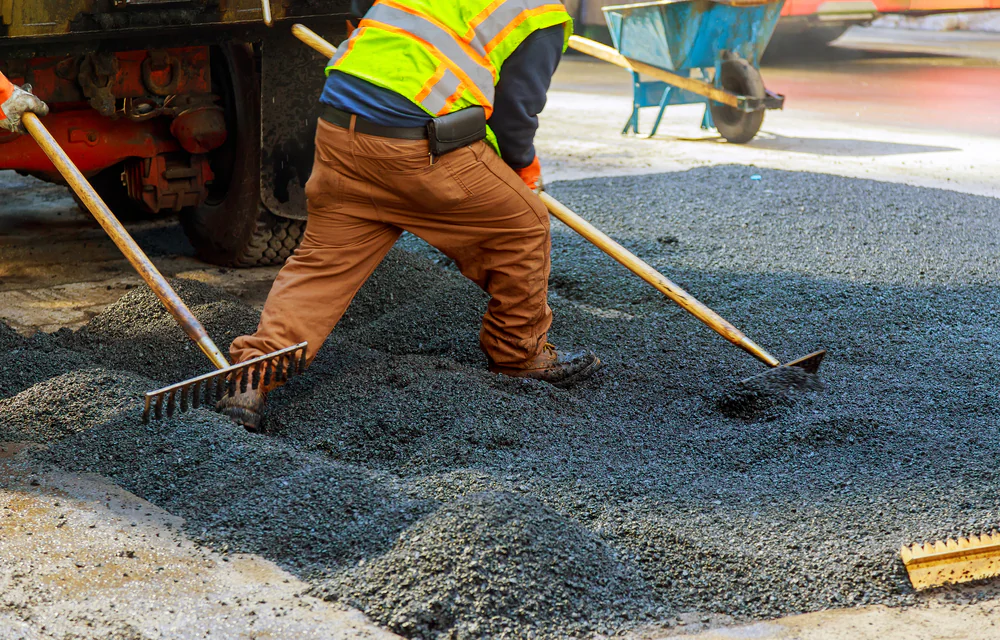
Once the scope is clear, you get a plan and timeline that makes sense. If your existing pavement needs to be removed, we handle excavation and grading to create a stable base. Proper base preparation is what separates paving that lasts from paving that cracks apart in two years.
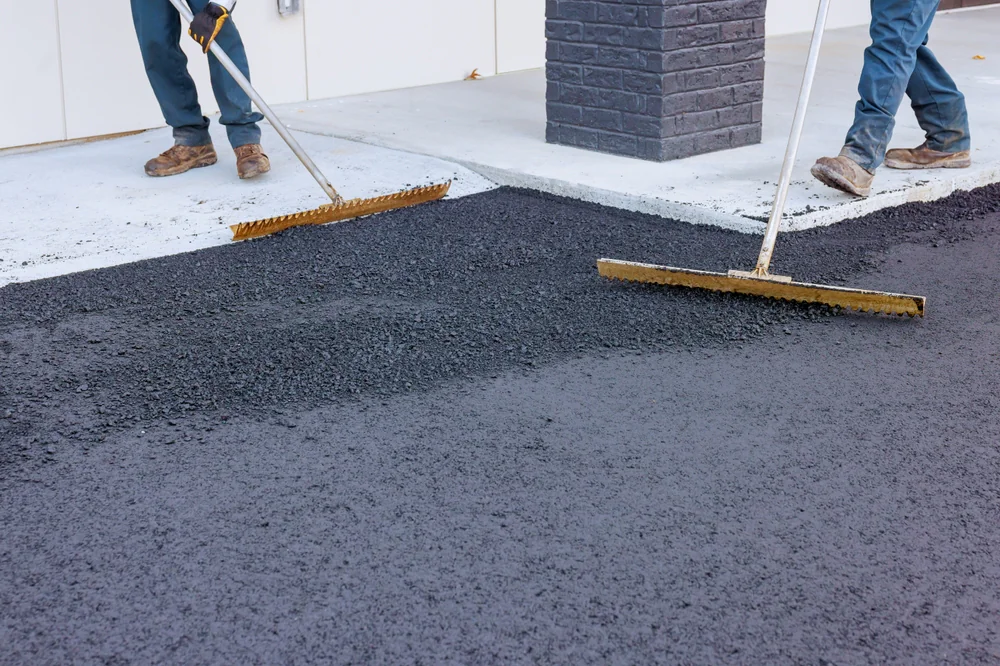
After the base is compacted and graded for drainage, we install asphalt at the right thickness for your traffic load. Commercial lots take more abuse than residential driveways, so the material and technique have to match the demands. We finish with any line striping, ADA markings, or additional work your property requires. Then we give it time to cure properly before you’re back to full operations—usually within a few days depending on the project size. You’ll know what to expect at every step.
Ready to get started?
Commercial paving isn’t just laying down asphalt and calling it done. You’re getting a complete surface solution designed for your property’s needs.
That includes site evaluation and planning to identify drainage issues, traffic flow problems, and any structural concerns that need addressing before paving begins. We handle excavation and base preparation—the foundation that determines how long your pavement will last. Then comes asphalt installation at the proper thickness and compaction to handle commercial traffic loads.
In East Amwell and the surrounding Hunterdon County area, weather plays a major role in pavement performance. Freeze-thaw cycles, heavy rain, and temperature swings put stress on any surface. That’s why proper grading and drainage aren’t optional—they’re essential to preventing water from pooling, seeping under the asphalt, and causing cracks or heaving during winter months.
Our services also include line striping, ADA-compliant parking space markings, and any additional concrete work like curbing or walkways. For ongoing protection, sealcoating extends pavement life by shielding the surface from UV damage, water penetration, and chemical wear. Crack sealing stops small issues before they spread. Milling removes damaged top layers when resurfacing makes more sense than full replacement. The goal is a parking lot that functions well, meets regulations, and doesn’t become a constant source of frustration or expense.
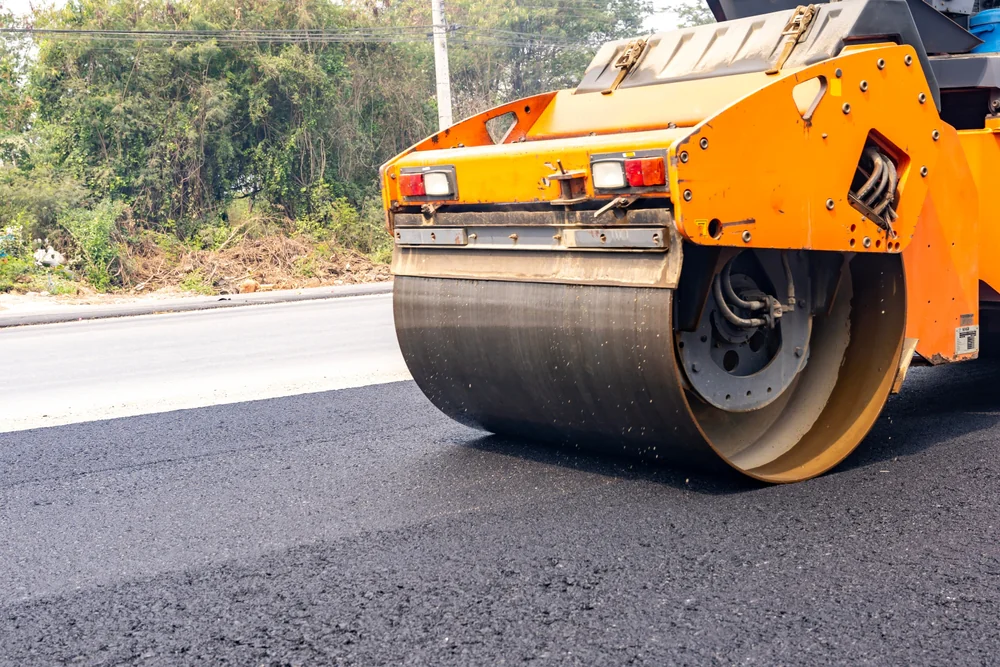
Most commercial paving projects take anywhere from a few days to a couple of weeks, depending on the size of the lot and the scope of work. A straightforward overlay on a small business parking lot might be done in two or three days. A full removal and replacement on a larger property with drainage work and striping could take longer.
The actual paving usually happens quickly—asphalt installation itself often wraps up in a day or two. What takes time is the prep work: removing old pavement, grading the base, addressing drainage issues, and making sure everything is compacted properly. Rushing that part is how you end up with pavement that fails early.
Once the asphalt is down, it needs time to cure before heavy traffic. You can typically drive on it within 72 hours, but we’ll give you specific guidance based on your project. We also plan around your business hours when possible to minimize disruption. The last thing you need is blocked access during your busiest times.
Resurfacing means adding a new layer of asphalt over your existing pavement. It’s a good option if your base is still solid but the surface has minor cracking, fading, or wear. Resurfacing costs less and takes less time than full replacement, and it can add years of life to a parking lot that’s structurally sound underneath.
Full replacement is what you need when the base has failed—when you’re seeing major cracking, potholes that keep coming back, drainage problems, or sections that are sinking or heaving. In those cases, putting new asphalt over a bad foundation just means you’ll have the same problems again in a year or two.
We’ll assess your pavement and tell you honestly which approach makes sense. Sometimes a property owner thinks they need full replacement when resurfacing will do the job. Other times, trying to patch and resurface a failing lot is just throwing money away. The right call depends on what’s happening below the surface, and that’s what we evaluate before recommending a solution.
Commercial paving costs vary based on the size of your lot, the condition of the existing pavement, the thickness of asphalt needed, and any additional work like drainage, grading, or striping. A small business parking lot might run a few thousand dollars for resurfacing. A large commercial property needing full replacement with drainage work can cost significantly more.
The best way to get an accurate number is to have us come out and assess your specific property. We look at what you’re working with, what needs to be done, and what your goals are. Then we give you a clear estimate with no surprise charges later.
One thing to keep in mind: the cheapest bid isn’t always the best value. If a contractor is cutting corners on base preparation, asphalt thickness, or proper compaction, you’ll pay for it in repairs and early replacement. Quality paving costs more upfront but lasts longer and saves you money over time. We’re upfront about what things cost and why, so you can make an informed decision.
Not usually. Most commercial paving projects can be phased so you maintain access to your building and keep operations running. We’ll work with you to schedule the project in sections, block off areas as needed, and make sure customers and employees can still get in and out.
For smaller lots, we might be able to do the work over a weekend or during off-hours to avoid disrupting your business entirely. For larger properties, we’ll create a plan that keeps part of the lot open while we work on other sections. The goal is to minimize inconvenience while still doing the job right.
Communication is key here. We’ll talk through your concerns before the project starts, let you know what to expect each day, and adjust the schedule if something comes up. The last thing you need is a contractor who shows up unannounced, blocks your entrance, and leaves your customers scrambling to find parking. That’s not how we operate.
If you’re seeing widespread cracking, potholes that keep reappearing after patching, areas where water pools and won’t drain, or sections that are sinking or buckling, those are signs your pavement might need more than a quick fix. Surface-level issues like minor cracks or fading can often be handled with maintenance like crack sealing and sealcoating. Structural problems require more serious work.
Another indicator is age. Asphalt parking lots typically last 15 to 20 years with proper maintenance, but that depends on traffic load, climate, and how well the original installation was done. If your lot is approaching that range and showing signs of wear, it’s worth having us take a look before small problems turn into expensive ones.
We’ll come out and do an honest assessment. Sometimes all you need is crack sealing and sealcoating to extend the life of your pavement. Other times, the base has deteriorated and patching won’t solve the underlying issue. We’ll explain what we’re seeing, what your options are, and what makes the most sense for your budget and timeline. No pressure, just clear information so you can decide what’s right for your property.
New Jersey’s freeze-thaw cycles are tough on asphalt. When water gets into small cracks and freezes, it expands and makes those cracks bigger. Then it thaws, contracts, and the process repeats all winter. Over time, that breaks down pavement faster than it would in a milder climate.
Proper installation and drainage are your best defense. If water can’t pool on the surface or seep into the base, it can’t freeze and cause damage. That’s why grading and compaction matter so much during the paving process. Cutting corners there means you’ll be dealing with cracks and potholes much sooner than you should.
East Amwell and the surrounding Hunterdon County area see all four seasons, and your pavement has to handle that. We build with New Jersey weather in mind—using the right asphalt mix, ensuring proper thickness for freeze resistance, and creating drainage that moves water off the surface quickly. It’s not about doing the bare minimum. It’s about installing pavement that holds up to the conditions it’s actually going to face.
Other Services we provide in Eastamwell