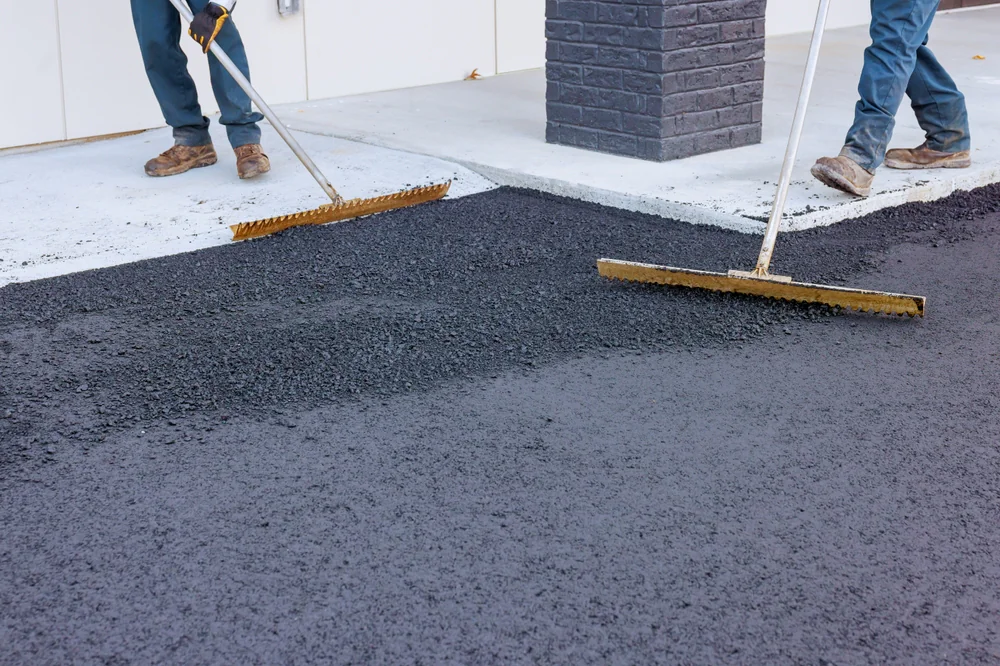
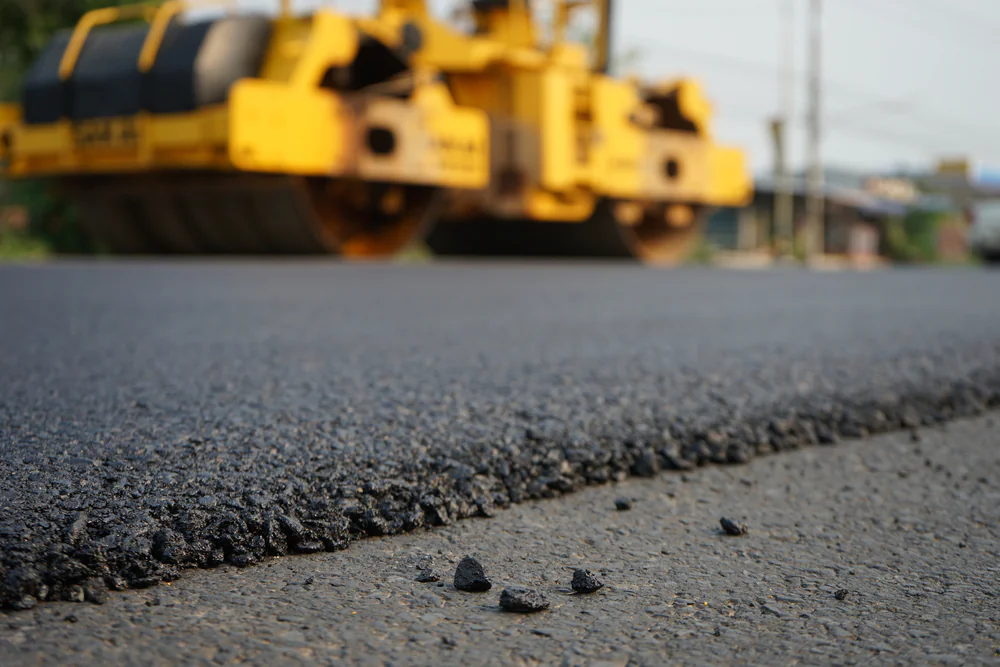
You’re not just getting fresh asphalt. You’re getting a parking lot that doesn’t crack apart after the first freeze, drainage that actually works, and a surface your customers notice in a good way.
When commercial paving is done right, you stop worrying about liability from potholes. You stop patching the same spots every spring. You get years of durability instead of months.
That’s what happens when the crew isn’t splitting time between three other jobs. When someone actually takes the time to understand your property’s drainage issues, traffic patterns, and what your business needs from the space. Not a cookie-cutter approach—a solution that fits your site.
We’ve been in the paving business since 1948. That’s not a typo—nearly 80 years of family knowledge about what works in Pennsylvania’s climate and what doesn’t.
We handle everything from small business lots to large industrial sites across Falls and the surrounding areas. But here’s what actually matters: every project gets our full crew’s attention. Not half the crew while the rest are across town. Your job. Start to finish.
Our approach is straightforward—we treat every client like they’re the most important one, because when our crew is on your site, you are. No tiered service based on project size. Just honest work, clear communication, and solutions designed for your specific property.
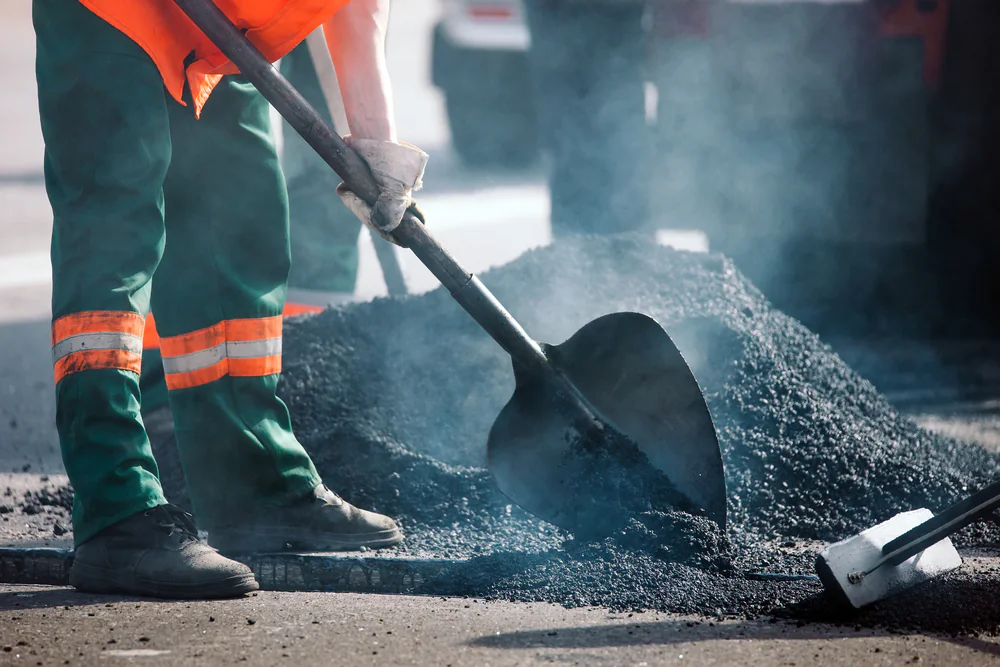
First, there’s a site assessment. Not a quick glance—an actual evaluation of your property’s drainage, base condition, and any problem areas that need addressing before asphalt goes down.
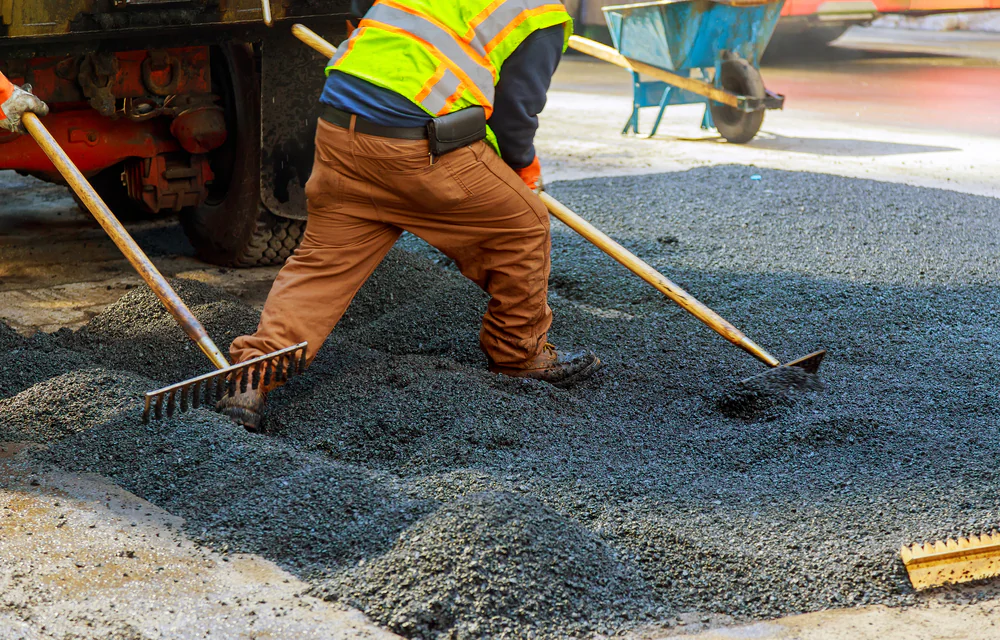
Then comes base preparation. This is where most paving contractors cut corners, and it’s why parking lots fail. We grade properly, address water management issues, and ensure the foundation can handle your traffic load. If the base isn’t right, nothing else matters.
Next is asphalt installation. We use quality materials and proper compaction techniques—critical in Pennsylvania where freeze-thaw cycles destroy poorly installed pavement. Temperature matters. Timing matters. Thickness matters.
Finally, finishing work: proper grading for drainage, line striping if needed, and a clear walkthrough of what you can expect during the curing process. You’ll know when you can open the lot to traffic and what to watch for as the asphalt sets.
Ready to get started?
Commercial paving installation covers the full scope: site evaluation, base preparation and grading, proper drainage solutions, asphalt installation with appropriate thickness for your traffic load, and compaction that ensures longevity.
In Falls and throughout Pennsylvania, drainage is critical. Water is asphalt’s biggest enemy. We design grading and water management into every project—not as an add-on, but as a core part of the installation. That’s what prevents the premature cracking and pothole formation that plague poorly planned parking lots.
Line striping, ADA-compliant parking space layout, and traffic flow optimization are available as part of the service. These aren’t just cosmetic—they’re functional elements that affect how customers use your property and whether you’re meeting regulatory requirements.
For properties in Falls, understanding local conditions matters. Pennsylvania’s freeze-thaw cycles are brutal on pavement. Winter salt accelerates deterioration. Heavy snow removal equipment puts extra stress on surfaces. These factors influence material selection, installation techniques, and long-term maintenance planning.
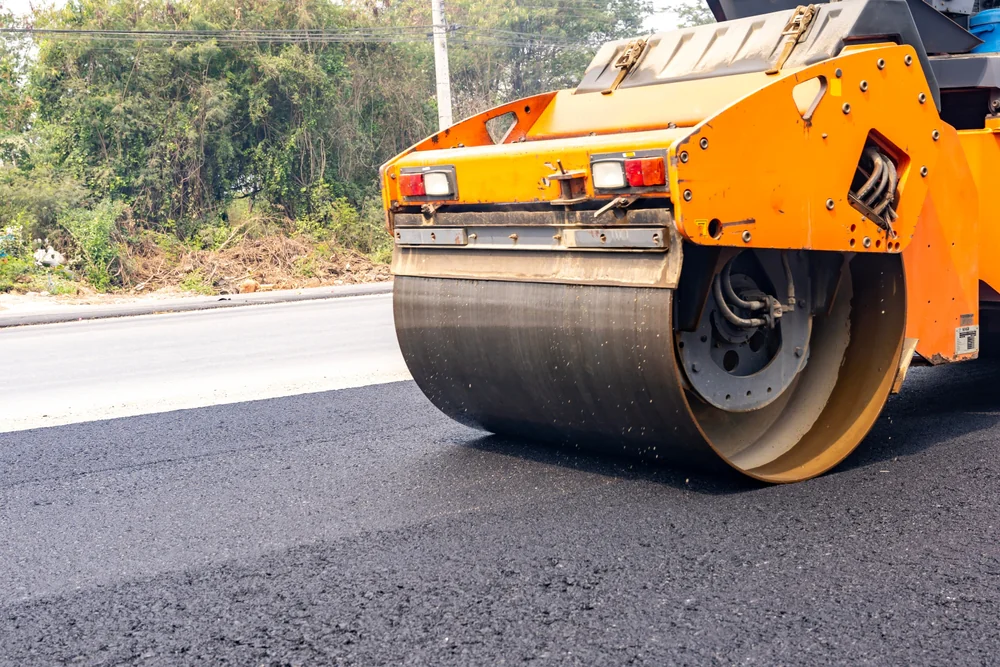
Properly installed commercial asphalt in Pennsylvania typically lasts 15 to 20 years with appropriate maintenance. But that lifespan depends entirely on three factors: installation quality, base preparation, and ongoing care.
Pennsylvania’s climate is tough on pavement. Freeze-thaw cycles cause water to expand in cracks, breaking apart asphalt from the inside. If the base wasn’t prepared correctly or drainage wasn’t addressed during installation, you’ll see failure in 3 to 5 years instead of 15 to 20.
Regular maintenance extends that lifespan significantly. Sealcoating every few years, crack filling before water intrusion occurs, and addressing drainage issues as they develop—these aren’t optional if you want decades from your pavement. The key is starting with proper installation. Cutting corners on base depth, using inadequate compaction, or rushing the process to move to the next job—those decisions cost you years of pavement life.
Resurfacing means removing the top layer of asphalt and installing a new surface over the existing base. Full replacement means tearing out everything—asphalt and base—and starting from scratch. The right choice depends on what’s failing.
If your parking lot has surface cracks, minor potholes, or wear from traffic and weather, but the base is still solid, resurfacing works. It’s less expensive and faster than full replacement. You get a new surface without the cost of excavation and base reconstruction.
But if you’re seeing alligator cracking, significant settling, or drainage problems, the base has failed. Resurfacing over a bad base is throwing money away. You’ll see the same problems resurface within a year or two because the underlying issue wasn’t addressed. An honest assessment tells you which approach makes sense for your specific site conditions.
For most commercial parking lot projects, expect 2 to 5 days of work depending on size and scope. The actual paving happens relatively quickly—it’s the preparation and curing time that extend the timeline.
Base preparation typically takes 1 to 2 days. This involves excavation if needed, grading, and compacting the foundation. Asphalt installation often happens in a single day for standard parking lots. We arrive early, lay the asphalt, compact it properly, and finish before end of day.
Curing time is where businesses get impatient. Fresh asphalt needs 24 to 48 hours before regular vehicle traffic, and up to 30 days to fully cure. You can use the lot after the first day or two, but heavy vehicles and sharp turns should be avoided initially.
Planning around your business needs matters. We can work in sections, allowing partial lot access during installation. We can also schedule work during your slowest days to minimize impact. The key is clear communication about timelines before work starts.
Yes, if your property is open to the public, ADA compliance isn’t optional—it’s federal law. That includes proper parking space dimensions, accessible routes from parking to building entrances, appropriate slopes, and correct signage.
Accessible parking spaces must be at least 96 inches wide with an adjacent 60-inch access aisle. Van-accessible spaces require a 96-inch access aisle. Slopes matter too. Accessible routes can’t exceed 1:12 slope, and cross slopes must be 1:48 or less.
We understand these requirements and design your parking lot accordingly. This includes proper placement of accessible spaces near building entrances, correct striping width and color, appropriate signage mounting heights, and compliant curb ramps where needed.
Getting it right during initial installation is far less expensive than retrofitting later. If you’re repaving an existing lot, it’s an opportunity to bring everything up to current ADA standards—not just replicate what was there before.
Water is the number one killer of parking lots in Pennsylvania. Poor drainage allows water to pool on the surface and seep into the base. When that water freezes and expands during winter, it breaks apart the asphalt from underneath. By spring, you’ve got cracks, potholes, and sections that need replacement.
Inadequate base preparation is the second major cause. If the base wasn’t compacted properly or wasn’t deep enough for your soil conditions and traffic load, it will settle unevenly. That creates low spots where water collects, stress points where cracks form, and a cascading failure that spreads across the lot.
Pennsylvania’s freeze-thaw cycles accelerate every existing weakness. A small crack becomes a major problem in a single winter. That’s why proper installation techniques matter here more than in milder climates—there’s no margin for error.
Skipping maintenance is the third factor. Even properly installed asphalt needs sealcoating, crack filling, and drainage maintenance to reach its full lifespan. The common thread in premature failure is cutting corners during installation—rushing to move to the next job, skipping proper compaction, ignoring drainage design, using inadequate base depth.
You’re asking the right question because contractor reliability is a real concern. Projects that drag on for weeks, crews that don’t show up, and jobs left incomplete happen more often than they should in the paving industry.
Start by looking at how the contractor operates. Do they work on one project at a time, or are they juggling multiple jobs simultaneously? When crews split time between sites, your project gets delayed every time another job has a problem or runs behind schedule.
Check their track record. Not just testimonials on their website—actual reviews on independent platforms where customers share unfiltered experiences. Look for patterns: do projects finish on time, does the crew show up consistently, does the contractor communicate when issues arise?
Ask specific questions during the estimate. What’s the timeline from start to finish? Will the crew be on site continuously or intermittently? What happens if weather delays the project? Vague answers or reluctance to commit to specifics is a red flag.
Finally, trust your gut about the people you’re dealing with. Are they straightforward about what the project involves and what could go wrong? The contractor’s approach during the sales process usually reflects how they’ll handle your project.
Other Services we provide in Falls