A well-paved parking lot does more than fill space. It keeps customers safe, protects you from liability, and makes a strong first impression before anyone walks through your door.
When your asphalt is done right, you’re not dealing with potholes every spring. You’re not watching cracks spread across your lot or fielding complaints about uneven surfaces. Your property looks maintained, your drainage works, and your pavement holds up season after season without becoming a constant budget drain.
That’s what happens when the foundation is properly graded, the base is compacted correctly, and the paving installation is handled by people who understand what Pennsylvania weather does to shortcuts. Your lot becomes an asset. It handles the freeze-thaw cycles. Water goes where it should. And you get 20-plus years of service instead of needing major work in five.
We’ve been in this business since 1948. That’s decades of figuring out what works in Pennsylvania and what doesn’t. We bring that experience to every commercial paving project in Northampton and throughout the Lehigh Valley, treating each property like it’s the only one that matters.
Here’s our approach: one job at a time. Our entire crew shows up for your project, handles it from start to finish, then moves to the next one. No splitting attention between three different sites. No wondering when we’ll be back to finish. You get the full team, focused on getting your parking lot or commercial surface done right.
Northampton property owners need asphalt contractors who understand local conditions. The freeze-thaw cycles here wreck poorly installed pavement. Drainage is critical because of how rain and snowmelt affect the Lehigh Valley. We know this area, understand the weather patterns, and build commercial paving that holds up to both.
Every project starts with a thorough site assessment. We examine your property, check drainage patterns, evaluate the existing surface if there is one, and determine what your specific site actually needs. A retail parking lot has different requirements than an industrial loading area.
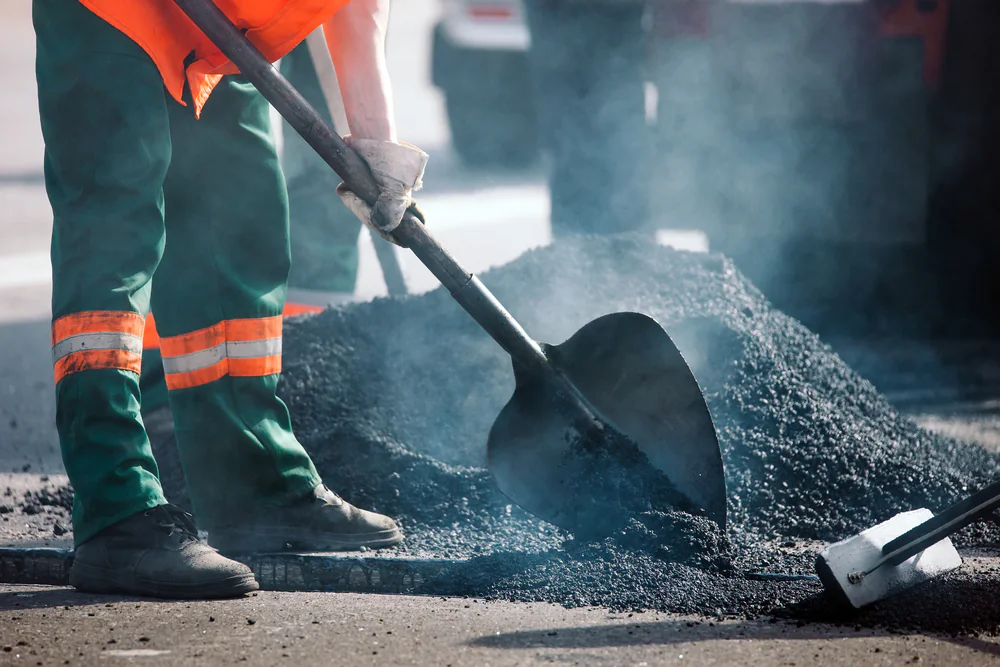
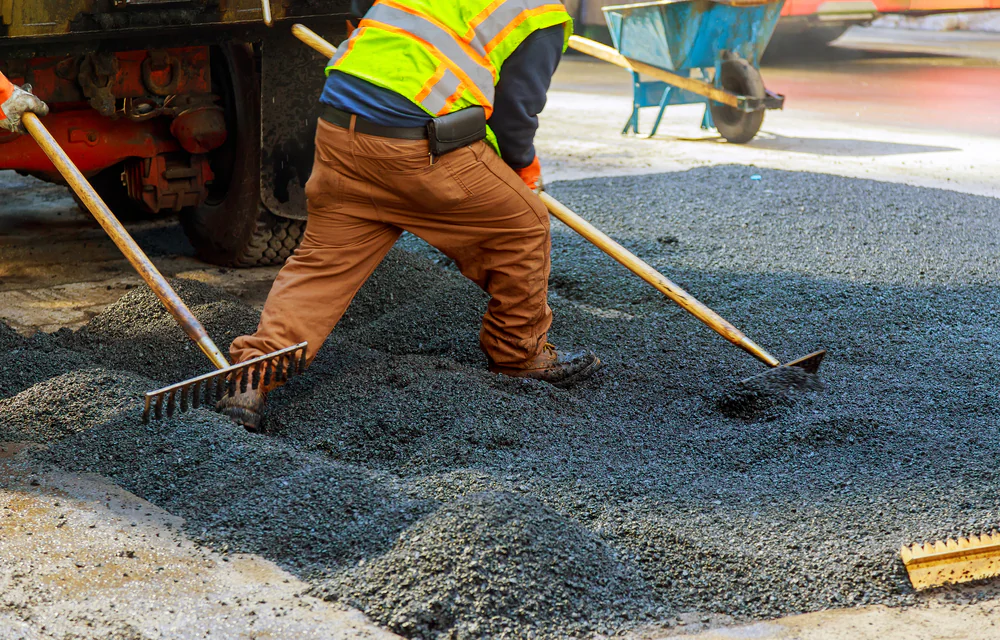
Prep work comes next. Old asphalt gets removed when necessary. The site is graded so water flows away from buildings and doesn’t pool in low spots that’ll become problems later. The base layer goes in and gets compacted properly—this foundation is what holds everything up for the next 20 years. Rush this step, and you’ll see failure within 18 months.
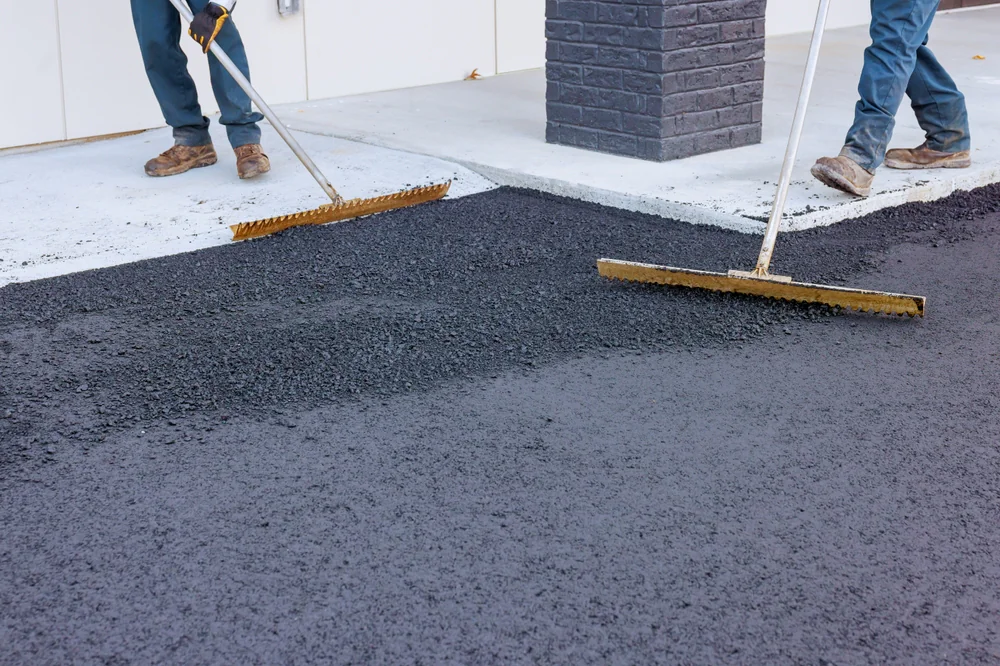
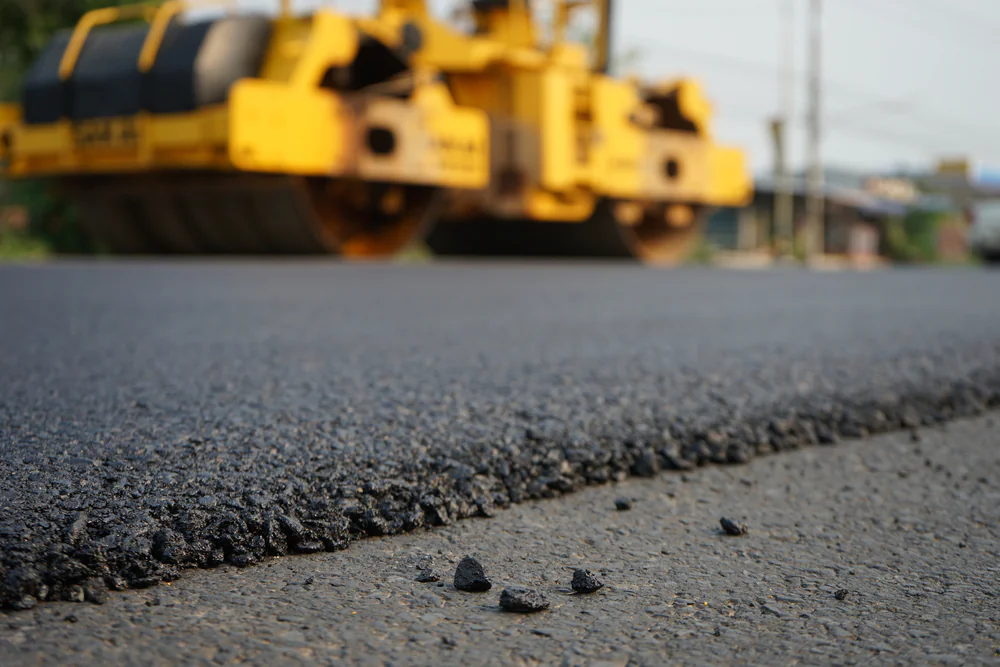
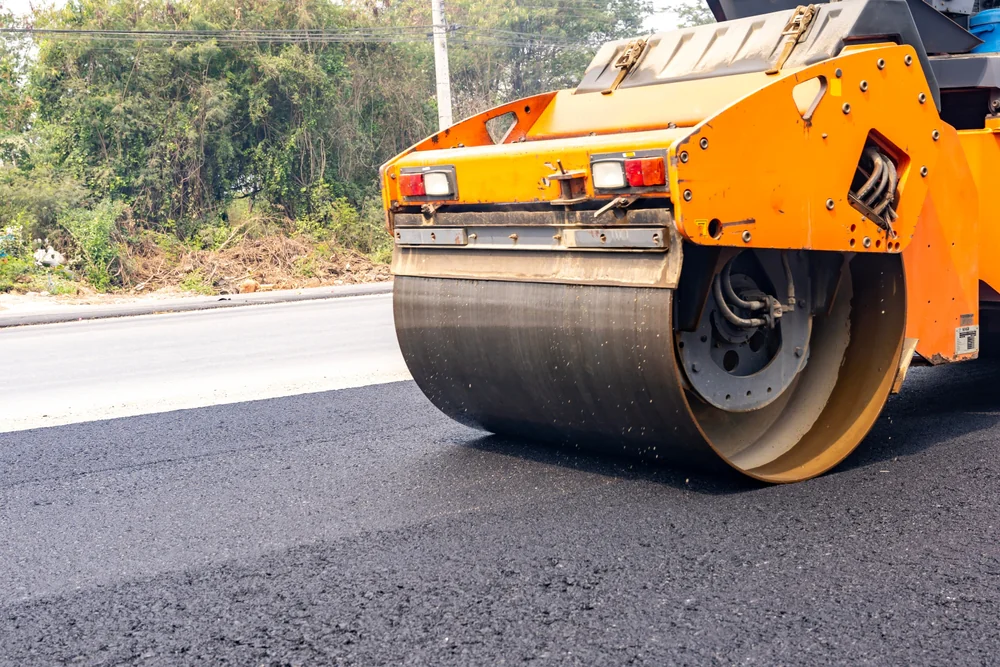
Then the asphalt installation happens. Hot mix gets laid in layers, compacted with heavy rollers, and shaped for proper slope and even coverage. Thickness depends on your traffic load—passenger vehicles need different specs than delivery trucks. Once the asphalt cures, line striping and ADA-compliant markings get added to meet current safety standards.
You get clear communication throughout. No disappearing for days at a time. No surprises about timeline or additional costs. Just straightforward updates about what’s happening and when you can expect your parking lot ready for business.
Ready to get started?
Commercial paving covers everything from initial site preparation through final striping. That includes removing old pavement when needed, grading for proper drainage, installing a compacted base layer, laying asphalt in the right thickness for your traffic patterns, and finishing with line striping and markings.
Drainage is especially critical for Northampton commercial properties. The Lehigh Valley gets significant rainfall, and Pennsylvania’s winter freeze-thaw cycles turn any standing water into a major problem. Proper grading and slope prevent water from pooling, which stops the cracks and deterioration that lead to expensive repairs down the road.
Asphalt thickness gets sized for actual usage, not generic standards. A parking lot handling daily car traffic needs different specifications than a loading zone with delivery trucks making tight turns. That’s how you get pavement lasting 20-plus years instead of needing resurfacing in five.
Working with us also means scheduling that minimizes disruption to your business operations. Most commercial paving projects can be timed around your busy periods. The asphalt is ready for traffic within 72 hours, though full curing continues over the following months as the pavement reaches maximum strength.
Timeline depends on your property size and project scope. A small business parking area might be finished in two to three days. Larger commercial properties with extensive prep work or complete removal and replacement take a week or more.
The work breaks into distinct phases. Site prep and base installation typically need one to two days. Asphalt paving happens in a single day for most projects. Then you wait for cure time before the lot handles full traffic—72 hours minimum, though light use can start sooner in some cases.
Weather affects scheduling. Asphalt needs decent temperatures for proper installation, and rain stops work completely. We build buffer time into estimates and keep you informed if conditions push the timeline back. The goal is getting your parking lot done right, not just done fast.
Pennsylvania’s freeze-thaw cycles destroy pavement faster than almost anything else. Water seeps into small cracks, freezes overnight, expands, and breaks the asphalt apart. This cycle repeats every winter. If the base wasn’t installed properly or drainage is inadequate, damage accelerates dramatically.
Poor drainage ranks as the second major killer. Water pooling on the surface or failing to flow away from pavement works its way into the asphalt structure. Combined with freezing temperatures, this creates the potholes and spreading cracks that require major repairs.
Skipped maintenance makes everything worse. Sealcoating protects asphalt from water infiltration, UV damage, and chemical spills. Without it, surfaces deteriorate much faster. Crack sealing prevents minor issues from becoming expensive problems. Most parking lots that fail early had poor installation, bad drainage, or zero maintenance for years.
Costs vary significantly based on project scope, property size, and current condition. Small parking lots might run $15,000 to $30,000. Larger commercial properties with extensive work can reach $100,000 or more. The only way to get accurate pricing is having us assess your specific site and requirements.
Multiple factors affect the final number. Complete removal of old asphalt adds cost compared to overlay work. The amount of grading and base preparation required changes pricing. Asphalt thickness depends on traffic load—heavier vehicles demand thicker pavement. Extras like curbing, drainage improvements, or extensive line striping increase the total.
What matters more than initial cost is getting work done properly so you’re not paying for constant repairs. Cheap paving that fails in three years costs significantly more long-term than quality installation lasting 20-plus years. Get detailed estimates breaking down what you’re receiving, and compare based on full scope rather than just the bottom-line number.
The answer depends on damage extent and base layer condition. Scattered cracks and minor surface wear with a solid base underneath might only need repairs and resurfacing. Widespread alligator cracking, base failure, or major drainage problems usually require full replacement to fix properly.
We assess base condition, not just visible surface damage. Sometimes what appears as surface issues actually indicates base failure underneath. Laying new asphalt over a failing foundation means you’ll face the same problems again within a couple years—just with less money in your budget.
Resurfacing costs less upfront but only works when the foundation remains sound. Full replacement costs more initially but provides a fresh start with correct drainage, proper base compaction, and asphalt built to last decades. We’ll tell you which approach makes sense for your situation, not just push the more expensive option.
Sealcoating ranks as the primary maintenance task, typically needed every two to three years for commercial properties. This protective layer shields asphalt from water penetration, UV rays, and chemical spills that cause deterioration. The relatively inexpensive service dramatically extends pavement lifespan.
Crack sealing should happen whenever you notice cracks forming. Small cracks are quick and affordable to fix. Ignore them, and water infiltrates, freezes, and transforms minor issues into major damage requiring extensive repairs. Catching cracks early prevents expensive problems later.
Line striping fades over time and needs repainting every few years to maintain safety and compliance. Regular sweeping removes debris that can damage surfaces. Monitor drainage to ensure water flows properly without pooling. These straightforward maintenance steps help commercial parking lots last 30 to 50 years instead of deteriorating in 15.
Water destroys asphalt faster than any other factor. Poor drainage means water sits on the surface or seeps into pavement structure. In Pennsylvania winters, that water freezes and expands, breaking apart asphalt from the inside out. This process creates the potholes and spreading cracks requiring expensive repairs.
Effective drainage means grading your lot so water flows toward catch basins or off the property completely. No low spots where puddles form after rain. No areas where water pools against buildings or sits on pavement for hours. The slope might only be two or three percent, but that’s enough to keep water moving instead of causing damage.
Strong drainage also protects your base layer. Water saturating the base material under your asphalt weakens the entire foundation. You end up with soft spots, uneven settling, and premature pavement failure that requires complete replacement. Getting drainage right during initial installation prevents these problems for the next two decades.
Other Services we provide in Northampton