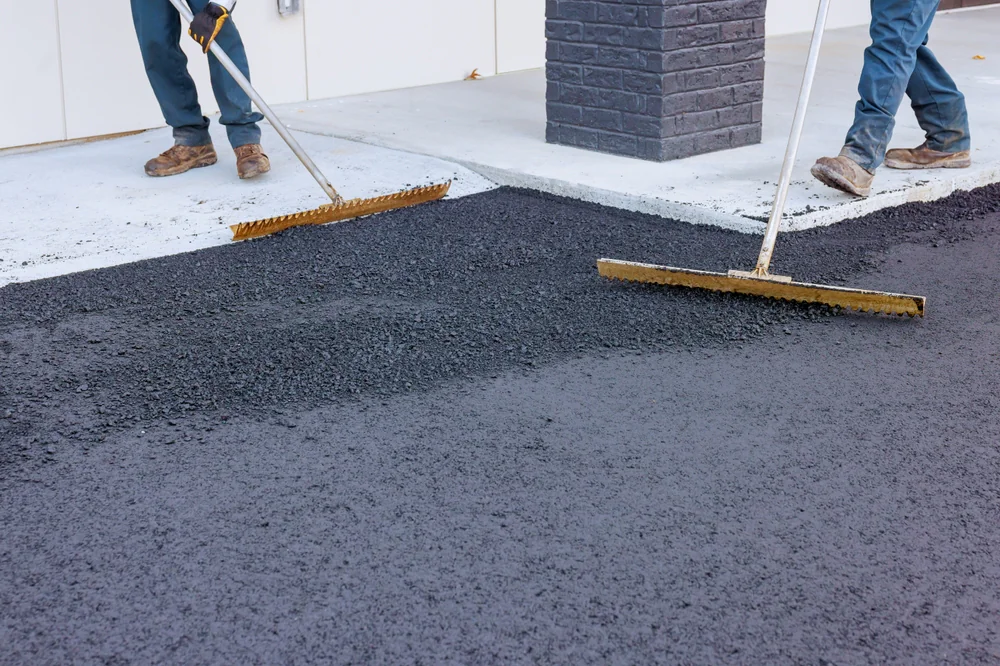
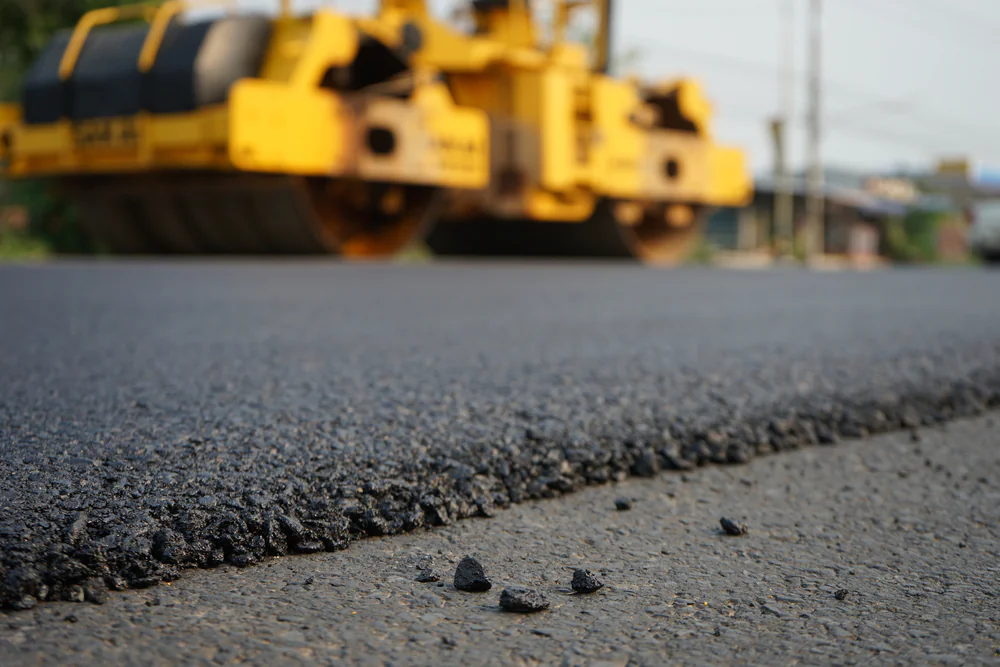
You need a parking lot that handles daily traffic without cracking apart in two years. That means proper base preparation, the right asphalt thickness for your load requirements, and drainage that actually works.
Most paving failures happen because water gets trapped under the surface. It weakens the base, creates potholes, and turns a decent investment into a recurring expense. We grade every site to direct water away from the pavement—not just slap asphalt over problem areas and hope for the best.
When the job’s done, you get a smooth surface that your customers can actually use. No standing water. No premature cracking. Just a parking lot that does its job while you focus on running your business.
Productive Asphalt brings decades of hands-on experience to every commercial project in Solebury and throughout Bucks County. This isn’t a side business or a crew that showed up last year—our roots in asphalt paving go back to 1948.
What sets us apart is simple: we treat your project like it matters. Whether you’re repaving a small office lot or tackling a large industrial site, you get the same level of attention and professionalism. Our crew focuses on one job at a time, which means we’re not splitting resources or rushing to the next site while yours sits half-finished.
Solebury’s mix of historic properties and modern commercial developments requires contractors who understand local needs. We’ve built our reputation here on transparent communication, honest pricing, and work that holds up year after year.
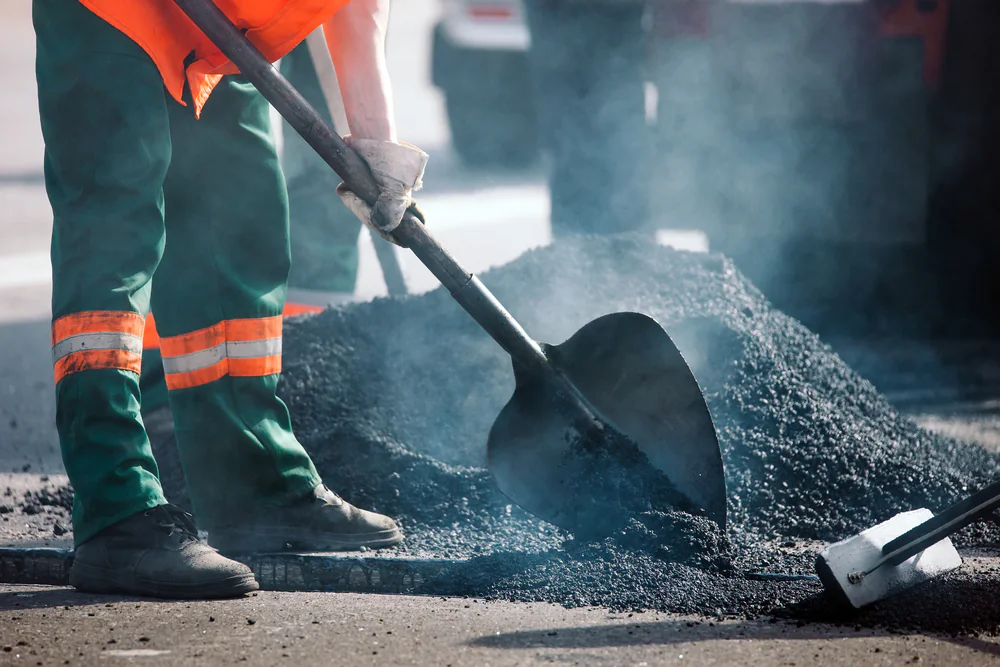
First, we assess your site. That includes checking the existing surface condition, evaluating drainage patterns, and identifying any base issues that need addressing before new asphalt goes down. Skipping this step is how contractors end up with callbacks six months later.
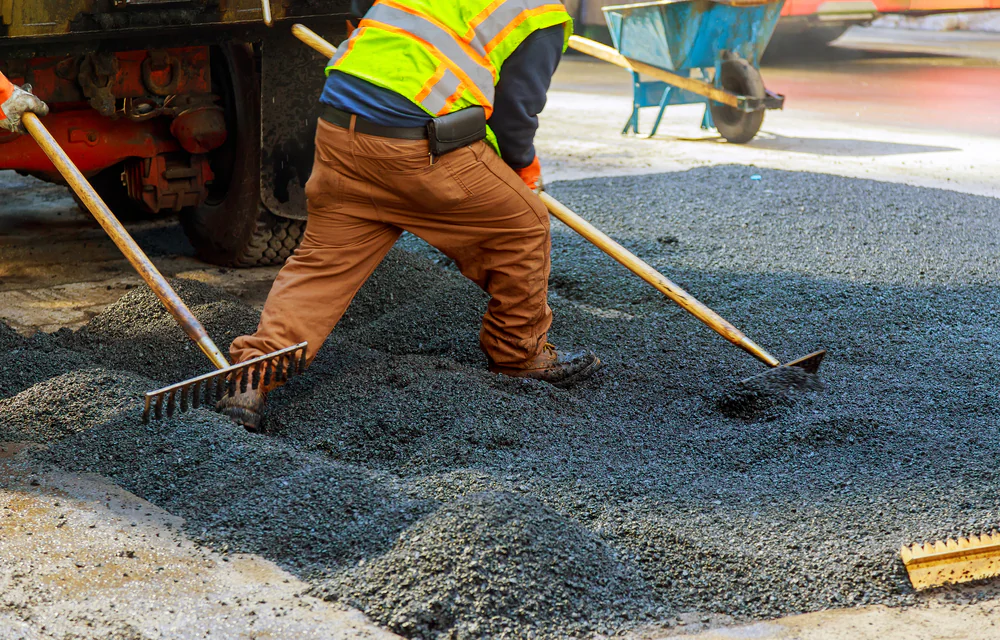
Next comes site preparation and grading. We remove failed pavement, stabilize the base, and create proper slopes for water runoff. This is where most of the real work happens—and where cutting corners costs you later.
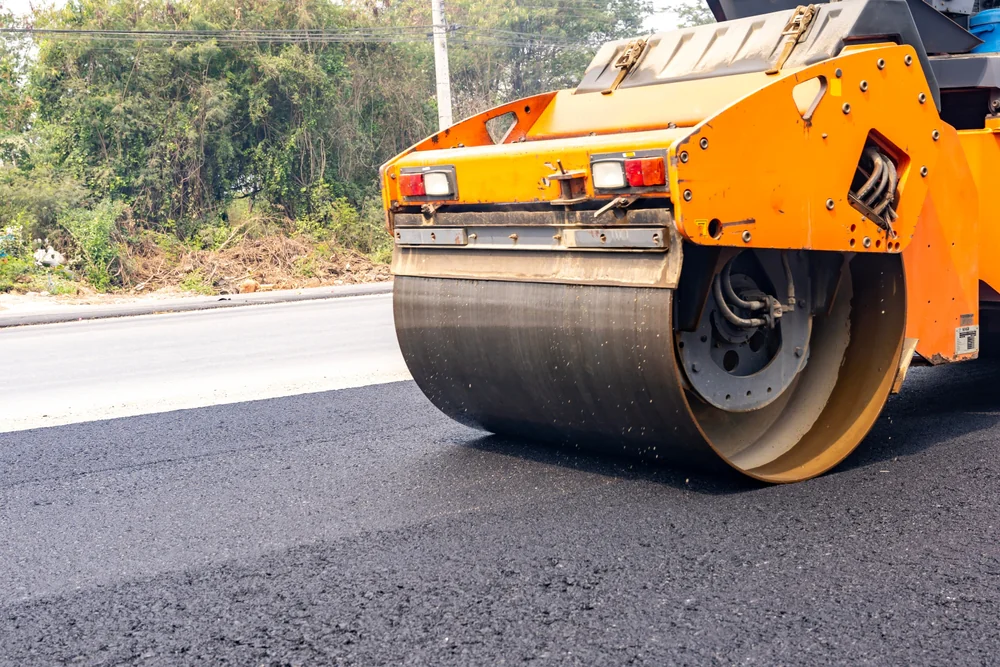
Then we install the asphalt. For commercial applications, that typically means a thicker, reinforced mix designed to handle heavier loads than residential driveways. We compact it properly, smooth the surface, and make sure it’s done right the first time. Most commercial lots can handle light traffic within 24 to 48 hours, though full curing takes about a week.
Finally, we handle striping, ADA-compliant markings, and any finishing details your property requires. You get clear communication throughout, realistic timelines, and a finished product that actually matches what we promised.
Ready to get started?
Commercial asphalt paving in Solebury means more than just laying asphalt. You’re dealing with permit requirements, ADA compliance for accessible parking spaces, drainage plans that meet local codes, and coordination that keeps your business accessible during construction.
We handle the permitting process, work with local inspectors, and make sure your project meets all regulatory requirements. That includes proper drainage solutions—because standing water is the fastest way to destroy an otherwise solid paving job.
For properties with high traffic, we can phase the work. That means paving sections at a time so you maintain parking availability and customer access. It takes longer, but it keeps your business running without forcing customers to park three blocks away.
Bucks County’s weather patterns mean timing matters. We schedule projects when conditions support proper curing, and we’re upfront about realistic timelines. If weather delays the work, you’ll know immediately—not three days after we were supposed to finish.
We also address the details that other paving contractors skip: fire lane markings, proper curb cuts, accessible ramp slopes, and parking space dimensions that meet current codes. These aren’t optional extras—they’re requirements that protect you from liability and failed inspections.
Every commercial parking lot installation includes a walkthrough before work starts and another when it’s complete. You’ll know exactly what’s happening at each stage, what to expect from the curing process, and how to maintain your new surface for maximum longevity.
For a standard commercial parking lot, the actual paving work typically takes one to three days. But that’s just the installation phase.
The full timeline depends on your site’s condition, size, and whether you need permits. If we’re removing old pavement, addressing drainage issues, or working around your business hours, add time for preparation and coordination. Larger projects or phased work can extend to a week or more.
Then there’s curing time. Fresh asphalt can usually handle light traffic within 24 to 48 hours, but full curing takes about a week. We provide a realistic timeline upfront based on your specific project—not a generic estimate that ignores half the variables.
Resurfacing means adding a new layer of asphalt over your existing pavement. It works when the base is still solid and you’re just dealing with surface wear. It’s faster and costs less than full replacement.
Full replacement means tearing out the old pavement, addressing base issues, and installing new asphalt from the ground up. You need this when the base has failed, when drainage problems have caused structural damage, or when the existing pavement is beyond saving.
Honest contractors will tell you which option actually makes sense for your situation. If your base is compromised, resurfacing just delays the inevitable. But if the foundation is solid, there’s no reason to pay for a full replacement when resurfacing will give you another decade of service.
We phase the work when you need to keep your parking lot functional. That means paving one section at a time so customers and employees still have access to your property.
Before we start, we map out which areas get paved when, where temporary access points go, and how traffic flows during each phase. You’ll know exactly what to expect on any given day—and so will your tenants or customers.
For some properties, scheduling work during off-hours or weekends makes more sense than phasing. We’ll figure out what actually works for your business instead of forcing you into a one-size-fits-all approach. The goal is getting the job done without killing your operations in the process.
Water is the enemy of asphalt. When it pools on the surface or seeps into the base, it weakens the foundation and creates potholes. Even quality asphalt fails fast if water gets trapped underneath.
Proper drainage means grading the surface so water runs off toward designated areas—storm drains, retention areas, or wherever local codes require. It also means addressing any low spots where water naturally collects.
Most paving failures trace back to drainage problems that were ignored during installation. Fixing drainage issues after the fact costs significantly more than doing it right the first time. That’s why we evaluate water flow before any asphalt goes down, not after you’re dealing with standing water and premature cracking.
Commercial paving projects typically require permits from local authorities. That includes submitting drainage plans, ensuring ADA compliance for accessible parking spaces, and meeting any requirements for fire lanes or traffic flow.
Bucks County and Solebury Township have specific codes about stormwater management, which affects how we design drainage for your parking lot. ADA regulations dictate the number, size, and placement of accessible parking spaces based on your lot’s total capacity.
We handle the permitting process as part of the project. That means coordinating with inspectors, submitting required documentation, and making sure the finished work passes inspection. You shouldn’t have to become an expert in local paving regulations just to get your parking lot repaved—that’s our job.
Cost depends on your site’s size, condition, and what needs to happen before new asphalt goes down. A straightforward resurfacing job costs less per square foot than a full replacement with base work and drainage improvements.
Factors that affect pricing include the thickness of asphalt your property requires, whether existing pavement needs removal, how much grading and base preparation is needed, and any site-specific challenges like limited access or phasing requirements.
We provide transparent pricing upfront based on your actual project—not vague estimates that balloon once work starts. You’ll know what you’re paying for and why. If your budget is tight, we’ll discuss options like phasing the work over time or prioritizing the areas that need attention most urgently.
Other Services we provide in Solebury