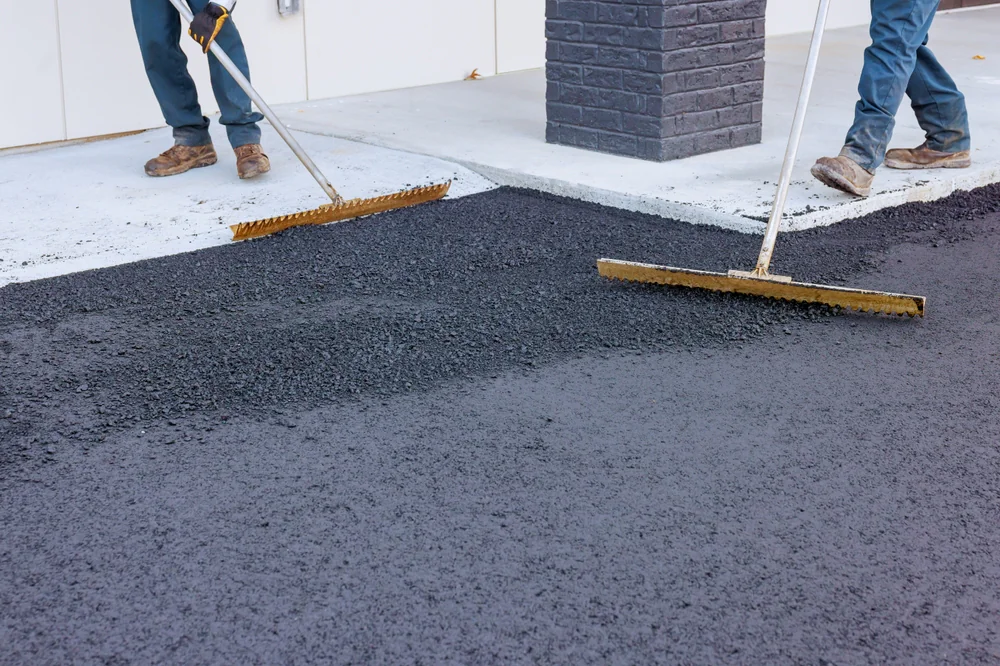
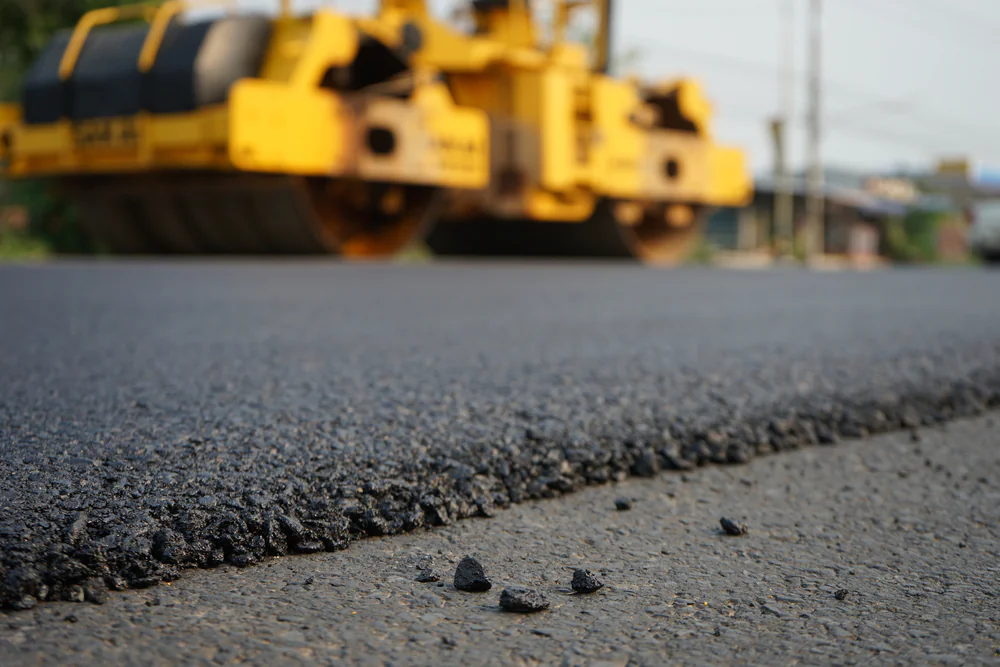
You’re not just getting a smooth surface. You’re getting a parking lot that drains properly, compacts correctly, and holds up under the kind of use your business sees daily. No callbacks for premature cracking. No water pooling in low spots after the first rain.
When asphalt paving installation is done right the first time, you stop worrying about it. Your customers pull in without dodging potholes. Your maintenance budget stays predictable. And you’re not scrambling to find another paving contractor in two years because the work didn’t hold.
That’s the difference between a paving job and a paving solution. We focus on the foundation, the drainage, and the details that determine whether your commercial asphalt lasts five years or twenty-five.
We’ve been in the paving business since 1948. That’s not a tagline—it’s four generations of figuring out what works in Pennsylvania’s freeze-thaw cycles, summer heat, and everything in between.
Our crew works on one project at a time. Not three jobs in one day. One. That means when we’re on your site, that’s where the focus stays until it’s done right. No rushing off to the next estimate while your base layer sits unfinished.
VillageShires properties face the same challenges as the rest of Pennsylvania: weather that shifts fast, traffic that doesn’t let up, and the need for asphalt that can handle both. We know the local conditions, understand what commercial properties in this area require, and deliver work that reflects that knowledge.
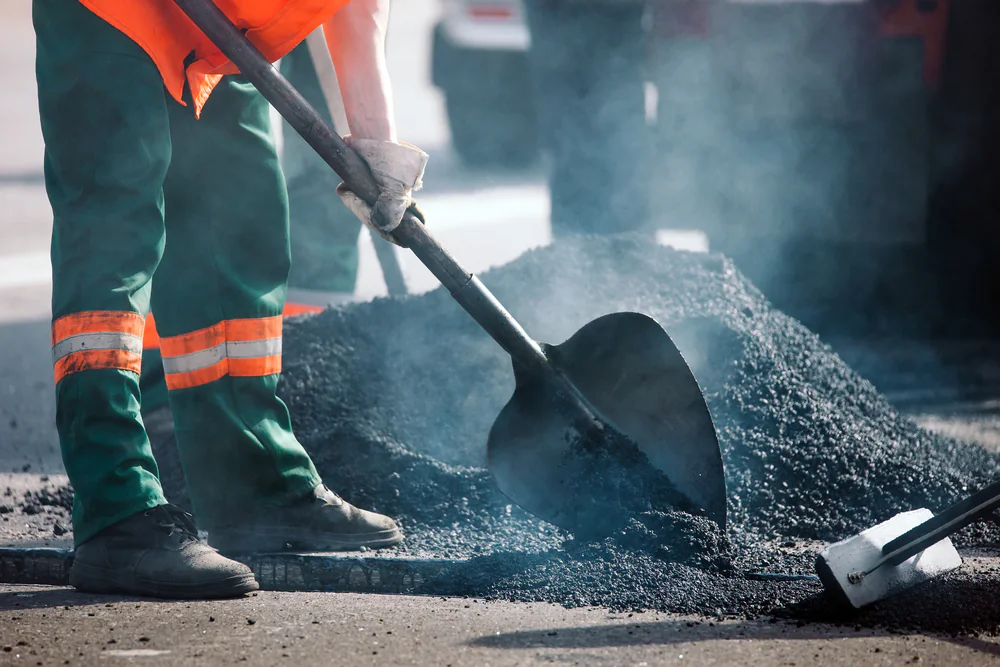
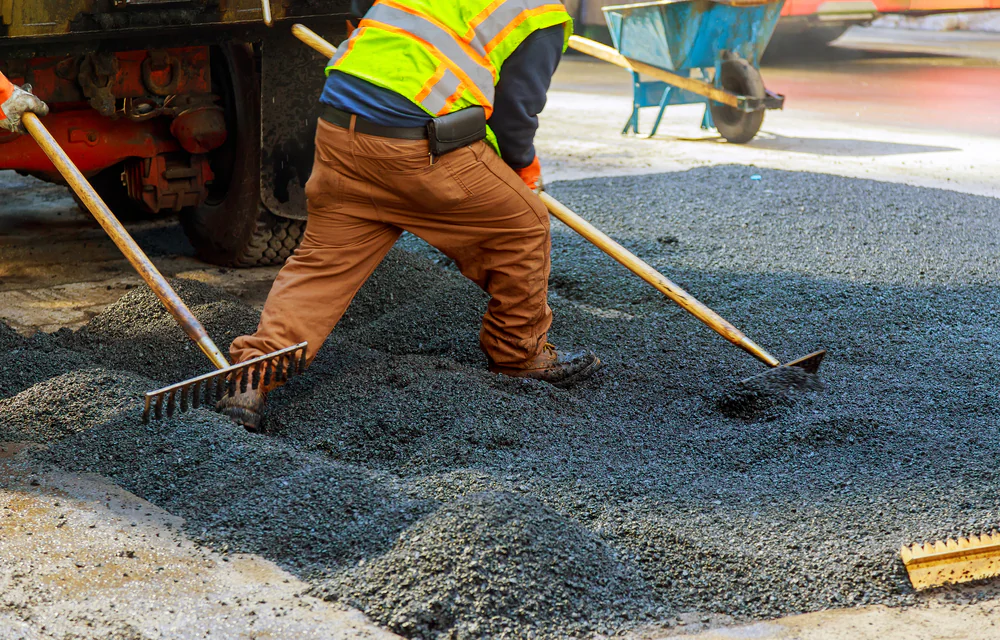
First, the existing surface comes out if needed—old asphalt, failing concrete, whatever’s there. Heavy equipment handles demolition and removal, and the site gets cleared completely. No shortcuts.
Next comes grading and drainage setup. Water is the biggest enemy asphalt has. If water pools or drains wrong, you’ll see cracks and potholes within a year. The site gets graded with the right slope so water moves off the surface the way it should.
Then the sub-base goes in. This is the foundation that supports everything on top. It gets compacted in layers, tested for stability, and checked before any asphalt touches it. If the base isn’t solid, nothing above it will last.
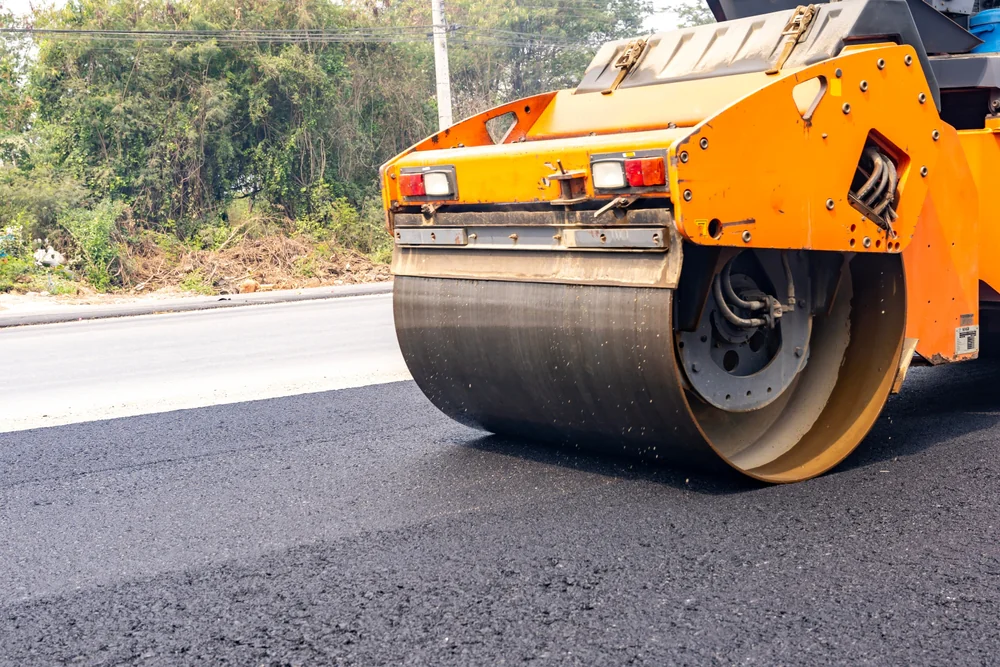
The binder layer comes next—a heavy-duty asphalt mix with larger aggregate that adds structural strength. After that, the surface layer goes down: the smooth, finished asphalt you see and drive on. Both layers get compacted while hot to ensure proper density and durability.
Finally, joints get sealed where new asphalt meets existing pavement, and any striping or marking gets handled. The site gets cleaned, and you get a walkthrough to review the finished work.
Ready to get started?
Every commercial paving project from us includes site assessment, proper drainage planning, and base preparation—not as add-ons, but as standard parts of the process. You’re not paying extra for things that should already be there.
In VillageShires and throughout Pennsylvania, commercial properties deal with temperature swings that can crack poorly installed asphalt within months. We account for those conditions from the start. The asphalt mix, the compaction process, and the thickness all get tailored to what your property will face.
If your parking lot handles delivery trucks, customer traffic, or heavy equipment, that factors into the design. Light-duty residential specs don’t work for commercial applications. The base gets built thicker, the asphalt layers get adjusted, and the drainage gets planned for higher volumes.
Pennsylvania winters mean freeze-thaw cycles that can destroy asphalt if the base isn’t stable. We install sub-bases that act as frost barriers, reducing the kind of winter damage that leads to spring repairs. Proper compaction and material selection make the difference between asphalt that lasts and asphalt that fails.
You also get transparent communication throughout the project. No disappearing for days. No surprise charges. Just clear updates on timeline, progress, and what’s happening next.
Timeline depends on the size of your parking lot and the scope of work. A standard commercial parking lot can often be completed within a few days to a week, assuming weather cooperates and there are no major surprises underground.
Larger projects—like full parking lot replacements with extensive drainage work—take longer. But we work efficiently to minimize disruption to your business. Our crew stays on your site until the job is done, rather than bouncing between multiple projects.
If you need work done during off-hours or weekends to avoid interrupting business operations, that’s something to discuss upfront. The goal is always to get you back to normal operations as quickly as possible without cutting corners on quality.
Resurfacing means milling off the top layer of damaged asphalt and installing a new surface layer over the existing base. It works when the foundation is still solid but the surface has worn down or developed minor cracking.
Full replacement means tearing out everything—old asphalt, damaged base, all of it—and starting fresh. You’d need this if the base has failed, if there’s significant settling or heaving, or if drainage problems have compromised the structure underneath.
Resurfacing costs less and takes less time, but it’s not always the right call. If the base is compromised, putting new asphalt on top just delays the inevitable failure. We assess your existing pavement honestly and recommend the approach that actually solves the problem, not just the one that’s easier to sell.
Commercial asphalt paving in Pennsylvania typically runs between $3 and $8 per square foot, but that range shifts based on several factors. Larger projects cost less per square foot because of economies of scale. Smaller lots or complicated layouts with tight access cost more.
If your site needs extensive prep work—removing old pavement, fixing drainage issues, regrading the base—that adds to the total. Thicker asphalt for heavy traffic areas costs more than standard thickness. And if you’re paving during winter or need rush scheduling, expect premium pricing.
The best way to get an accurate number is to have us look at your specific property. We provide clear estimates that break down what you’re paying for, so there’s no confusion when the invoice comes.
Water is the biggest threat to asphalt longevity. When water pools on the surface or seeps into cracks, it works its way down to the base layer. In Pennsylvania, that water freezes in winter, expands, and creates pressure that cracks the asphalt from below.
Over time, this freeze-thaw cycle turns small cracks into potholes. It causes the pavement to heave and settle unevenly. And once water gets into the base, the whole structure starts to fail—meaning you’re looking at full replacement instead of minor repairs.
Proper grading and drainage design prevent this. The surface gets sloped so water runs off into designated areas instead of sitting in low spots. Catch basins and drainage systems get installed where needed. It’s not glamorous work, but it’s what determines whether your parking lot lasts five years or twenty-five.
Yes, phased paving is common for businesses that can’t afford to shut down their entire parking lot at once. We can section off areas, complete the work, and move to the next section while keeping part of the lot accessible.
This approach takes longer overall because we work in smaller areas, but it keeps your business operational. You’ll need to coordinate with customers about temporary parking arrangements and potentially adjust traffic flow during construction.
The key is planning the phases so each section can function independently while work continues elsewhere. We walk through the logistics with you beforehand to minimize disruption and keep things as smooth as possible.
You can typically drive on new asphalt within 24 to 48 hours after installation, but full curing takes longer—usually a few weeks. During that initial curing period, avoid parking heavy vehicles in the same spot for extended periods, and be careful with sharp turns that can scuff the surface.
Asphalt continues to harden as it cures, so it’s more vulnerable to damage in those first few weeks. After about 30 days, the surface reaches full strength and can handle normal commercial traffic without issue.
We provide specific guidance based on your project, including when to resume normal operations and any precautions to take during the curing period. Following those recommendations protects your investment and ensures the asphalt performs as expected for years to come.
Other Services we provide in Villageshires