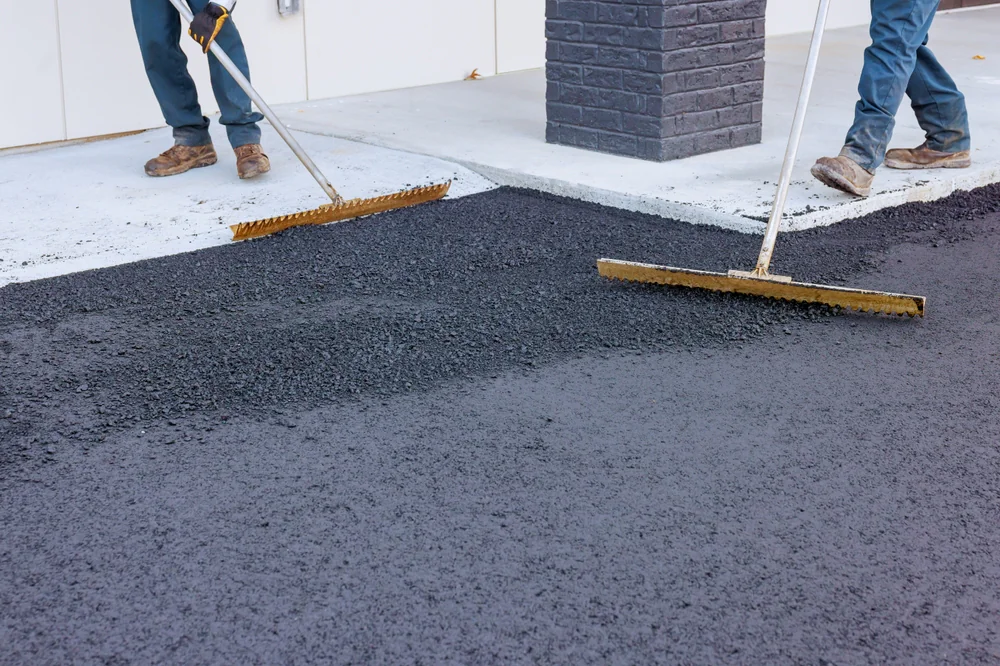
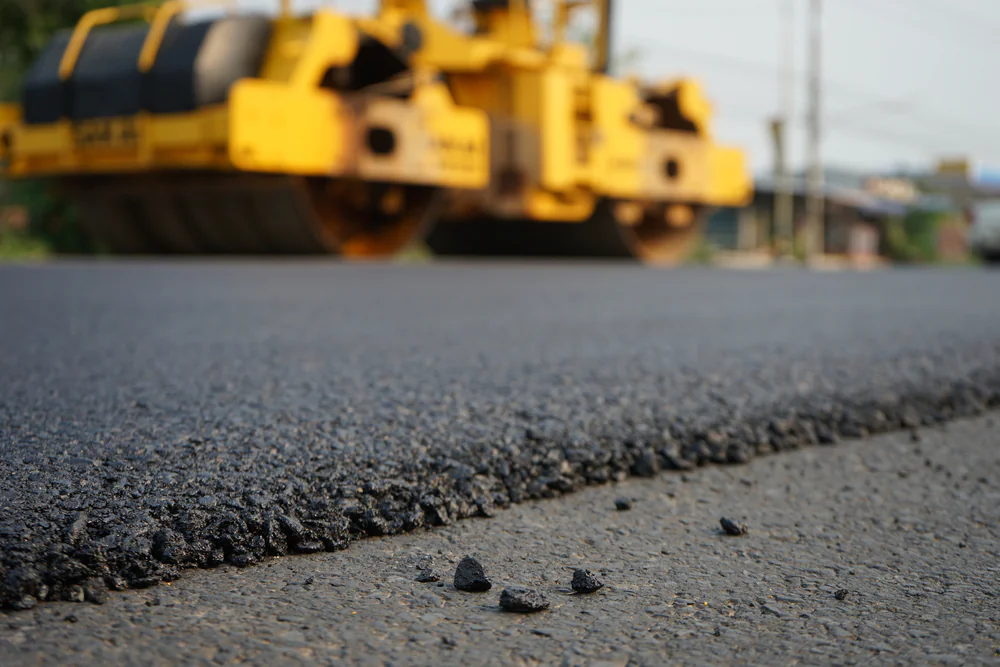
You get pavement that lasts 20 to 25 years instead of needing repairs in five. No standing water after storms. No potholes tripping up customers or damaging their vehicles. No cracks spreading across your lot six months after installation.
Your property looks professional. Customers pull in and see smooth, clean pavement that says you care about details. Your liability drops because your surface is safe. Your maintenance costs stay low because proper base prep and drainage prevent the problems that force expensive repairs down the road.
That’s what happens when the installation is done right from the start—proper excavation, compacted sub-base, precision grading for drainage, and quality asphalt laid at the correct thickness for your traffic load.
We’ve been in the paving business since 1948. That’s not a tagline—it’s a family legacy built on doing the work right and treating customers fairly.
We operate differently than most paving contractors in Warwick, PA. One crew. One job at a time. No rushing off to the next site while your project sits half-finished. Every commercial property gets our full attention from start to finish, whether it’s a small office parking lot or a large industrial facility.
Warwick’s commercial properties—from retail centers to office complexes to warehouses—all face the same challenge: Pennsylvania weather. Freeze-thaw cycles, heavy rain, summer heat. Your pavement needs to handle it all, and that requires more than just dumping asphalt on the ground.
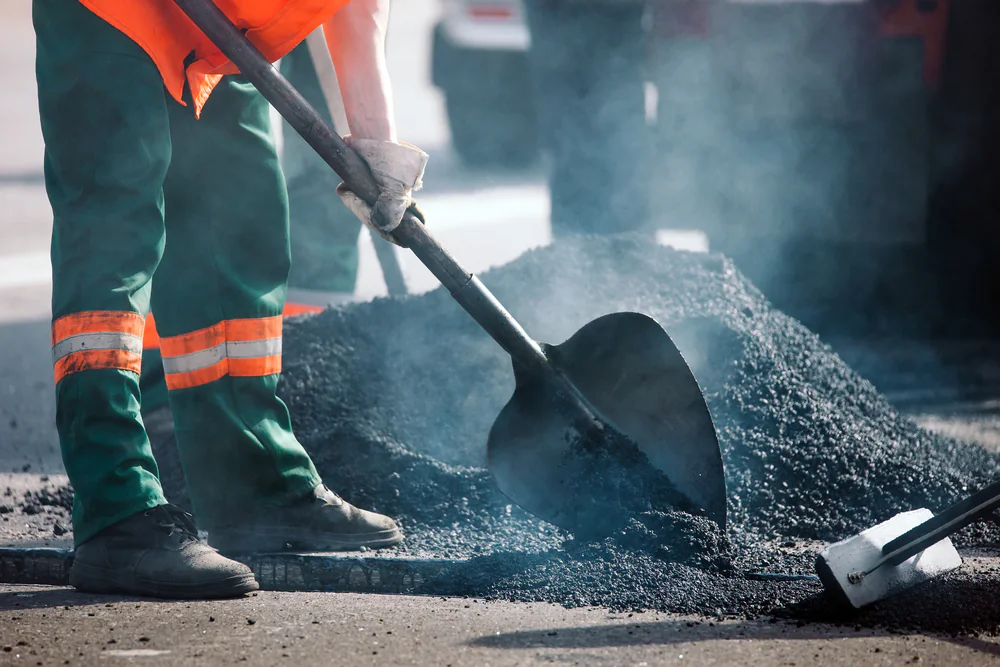
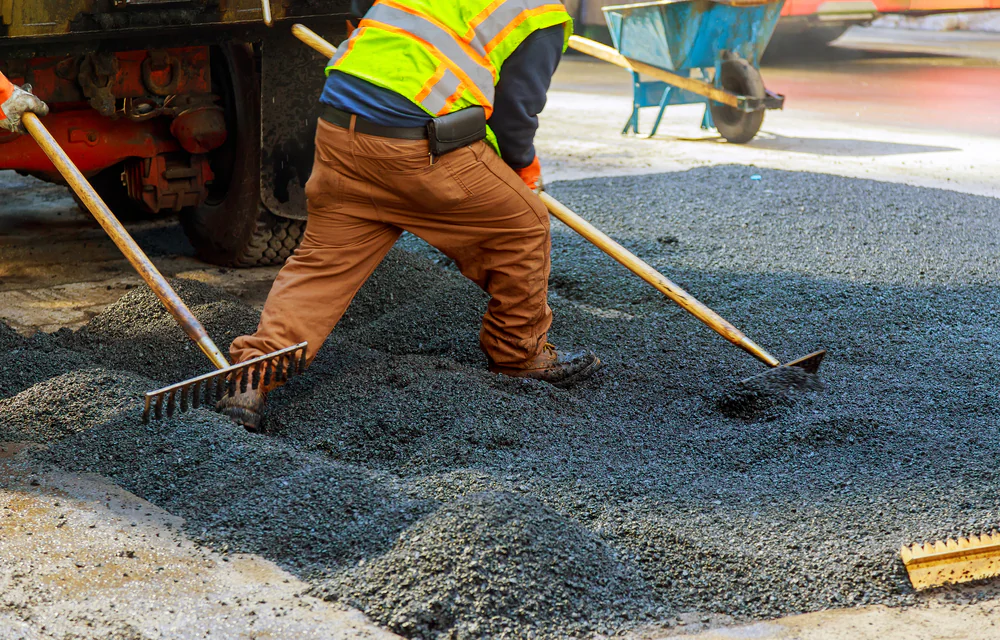
First, the existing surface comes out if needed. Heavy machinery breaks up old asphalt or concrete, and debris gets hauled away. If your lot has drainage issues or a failing base, this is where those problems get fixed—not covered up.
Next comes grading. Laser-guided equipment creates the proper slope so water runs off instead of pooling. Standing water is asphalt’s worst enemy, so this step matters more than most people realize. Get the grade wrong, and you’ll have puddles, cracks, and early failure.
The sub-base goes in next—typically 6 to 8 inches of compacted aggregate. This layer supports everything above it and acts as a frost barrier during Pennsylvania winters. It gets compacted in lifts, then proof-rolled with heavy equipment to identify any soft spots before paving starts.
Then the asphalt goes down. Commercial parking lots typically need 4 inches of hot-mix asphalt, often laid in two lifts for maximum strength. The material arrives hot from the plant, gets spread evenly, and is compacted with heavy rollers while still at the right temperature. Timing matters here—compact too early or too late, and the pavement won’t achieve proper density.
Finally, joints get sealed where new pavement meets existing surfaces, and the site gets cleaned up. You can typically drive on new asphalt within 48 to 72 hours, though full curing takes longer.
Ready to get started?
Every commercial paving project in Warwick, PA needs to account for local conditions. Pennsylvania’s freeze-thaw cycles demand proper base preparation. Your property’s drainage patterns determine grading requirements. Your traffic volume—delivery trucks, employee vehicles, customer parking—dictates asphalt thickness and mix design.
Site preparation includes removing old pavement, addressing any base failures, and correcting drainage issues. If water has been pooling in certain areas, that gets fixed during grading. If the existing base has soft spots, those get excavated and rebuilt.
The installation itself includes a properly compacted aggregate base, precision grading for water runoff, and hot-mix asphalt at the thickness your property requires. Line striping, ADA-compliant parking spaces, and proper transitions to existing surfaces are part of the finished product.
Warwick’s commercial properties range from small office lots to large retail centers and industrial facilities. Each one has different requirements. A retail parking lot needs smooth surfaces and clear striping for customer safety. An industrial yard needs thicker pavement to handle heavy equipment and loaded trucks. Office complexes need proper drainage to keep walkways safe during rain and snow.
We evaluate your specific needs—traffic patterns, drainage challenges, existing conditions—and build a solution that works for your property, not just a generic approach.
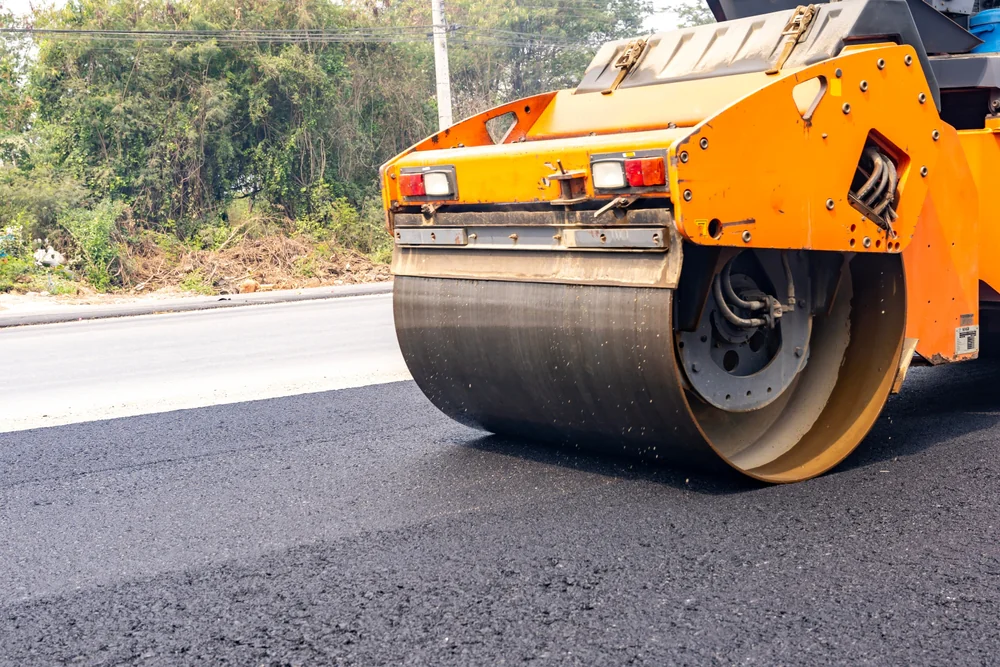
A properly installed commercial parking lot in Warwick, PA typically lasts 20 to 25 years with regular maintenance like sealcoating every few years. That assumes the installation was done correctly from the start—proper base preparation, correct asphalt thickness for your traffic load, and precision grading for drainage.
If the base wasn’t compacted properly or drainage wasn’t addressed, you’ll see problems much sooner. Potholes, cracks, and settling can show up within 3 to 5 years when corners get cut during installation. Pennsylvania’s freeze-thaw cycles are hard on pavement, so the quality of the initial work makes a huge difference in how long your lot holds up.
Regular maintenance extends that lifespan. Sealcoating protects against UV damage and water infiltration. Crack filling prevents small issues from becoming big problems. But maintenance can only do so much if the foundation wasn’t built right in the first place.
Water is the biggest killer of asphalt parking lots in Pennsylvania. Poor drainage leads to standing water, which seeps into the pavement and base. When that water freezes during winter, it expands and causes cracks, potholes, and heaving. Then it thaws and leaves voids behind. This freeze-thaw cycle repeats all winter and destroys pavement that wasn’t properly graded or built on a solid base.
Inadequate base preparation is the second major cause. If the aggregate base isn’t thick enough, compacted properly, or built on stable soil, the pavement above it will crack and settle under traffic loads. Some contractors skip proper compaction to save time, but that always catches up with you.
Using asphalt that’s too thin for your traffic volume also causes early failure. Residential driveways need 2 to 3 inches of asphalt. Commercial parking lots with regular traffic need 4 inches, often in two lifts. Heavy industrial yards with loaded trucks need even more. Use the wrong thickness, and you’ll see rutting, cracking, and breakdown much sooner than expected.
Commercial paving in Warwick, PA typically runs between $3 and $8 per square foot, depending on site conditions, project size, and what needs to be done. A straightforward overlay on an existing lot with good drainage costs less than a complete removal and replacement with base repairs and new drainage systems.
Larger projects cost less per square foot because equipment mobilization and setup costs get spread across more area. A 10,000 square foot parking lot is more cost-efficient per square foot than a 1,000 square foot office lot. Site access, layout complexity, and timing also affect pricing.
The real question isn’t just upfront cost—it’s cost over time. Cheap paving that fails in 5 years and needs expensive repairs costs more in the long run than quality work that lasts 20 to 25 years. Poor base prep, inadequate thickness, or rushed compaction might save money initially, but you’ll pay for it with potholes, cracks, and premature replacement. Get a detailed estimate that breaks down what’s included—excavation, base work, drainage corrections, asphalt thickness, and compaction—so you know exactly what you’re getting.
Asphalt paving in Pennsylvania works best in warmer weather—typically spring through fall when temperatures stay consistently above 50 degrees. Hot-mix asphalt needs to be laid and compacted while still at the proper temperature, and cold weather makes that difficult. The pavement cools too quickly in winter, which prevents proper compaction and bonding.
Winter paving is possible in some cases with special additives and modified mixes, but it’s not ideal and typically costs more. The asphalt plant has to adjust the mix, crews work under tighter time constraints, and the risk of problems goes up. Most commercial paving projects in Warwick, PA get scheduled for spring, summer, or early fall when conditions are right.
If you need emergency repairs during winter—a dangerous pothole that can’t wait, for example—temporary cold-patch asphalt can hold things until proper hot-mix paving can be done in warmer weather. But for a full parking lot installation or resurfacing, waiting for better weather produces better results and longer-lasting pavement.
Resurfacing means milling off the top layer of existing asphalt and installing a new surface layer on top of the old base. This works when your parking lot has surface damage—cracks, worn areas, minor deterioration—but the base underneath is still solid and stable. It’s less expensive than full replacement and takes less time.
Full replacement means removing all the old asphalt down to the base, repairing or rebuilding the base as needed, and installing completely new pavement from the bottom up. You need replacement when the base has failed, when there are major drainage problems, or when the existing pavement is too far gone to simply resurface.
The decision depends on your lot’s condition. If you have widespread potholes, significant settling, or areas where the pavement is breaking apart, that usually indicates base failure and means you need replacement. If the surface is worn but the lot is still structurally sound with no major drainage issues, resurfacing might be enough. A thorough evaluation of your existing pavement tells you which approach makes sense for your property and budget.
You can typically drive on new asphalt within 48 to 72 hours after installation. Light vehicle traffic—cars and small trucks—can usually start using the lot after two days. Heavier vehicles like loaded delivery trucks should wait at least three days to avoid leaving impressions in the fresh pavement.
The asphalt is drivable after a few days, but it continues curing and hardening for several weeks. During that initial period, avoid sharp turns with your wheels stationary, don’t park in the same spots repeatedly, and keep heavy equipment off the surface if possible. The pavement remains slightly pliable during this curing phase.
Weather affects curing time. Hot summer temperatures help asphalt cure faster, while cooler fall weather slows the process. Most commercial properties in Warwick, PA can resume normal operations within a few days of paving, but you’ll want to discuss specific timing with us based on your traffic patterns and the time of year. Proper planning minimizes disruption to your business while ensuring the pavement cures correctly.
Other Services we provide in Warwick