You need a parking lot that doesn’t crack under pressure—literally. New Jersey’s freeze-thaw cycles, scorching summers, and heavy traffic demand more than basic asphalt work.
Professional commercial paving means proper subgrade preparation, quality materials, and installation techniques that account for local soil conditions and weather patterns. Your customers notice smooth, well-maintained surfaces, and your maintenance costs stay predictable.
The difference shows up in year five, ten, and fifteen when properly installed asphalt still looks professional while cheaper work starts cracking and creating liability issues. That’s the value of working with contractors who understand both the technical requirements and business impact of quality paving.
We combine family tradition dating back to 1948 with modern paving expertise. We focus on one project at a time, ensuring every commercial job receives dedicated attention rather than being rushed through a packed schedule.
Our approach centers on treating each client like our most important customer, regardless of project size. Our owner is personally involved on every job site, ensuring quality standards are maintained from excavation through final striping.
Washington Crossing businesses have relied on our personalized approach for decades. The combination of old-school work ethic and current industry knowledge creates results that hold up under local conditions—from Route 29 commercial districts to industrial complexes throughout the area.
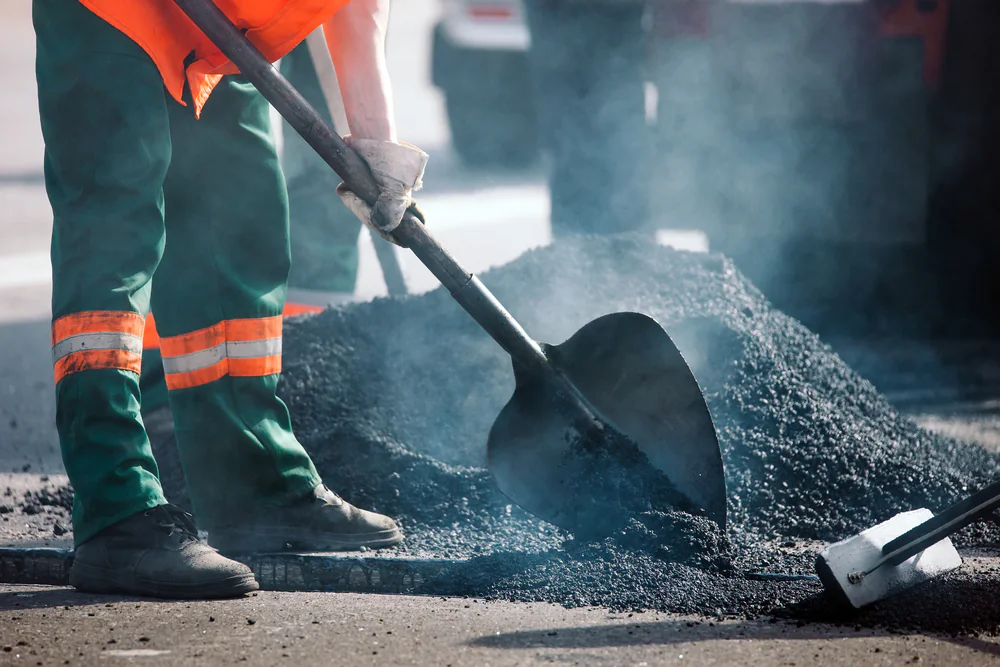
Our process starts with a thorough site evaluation to assess drainage, soil conditions, and traffic requirements specific to your property. This determines the proper base preparation and asphalt thickness needed for long-term performance.
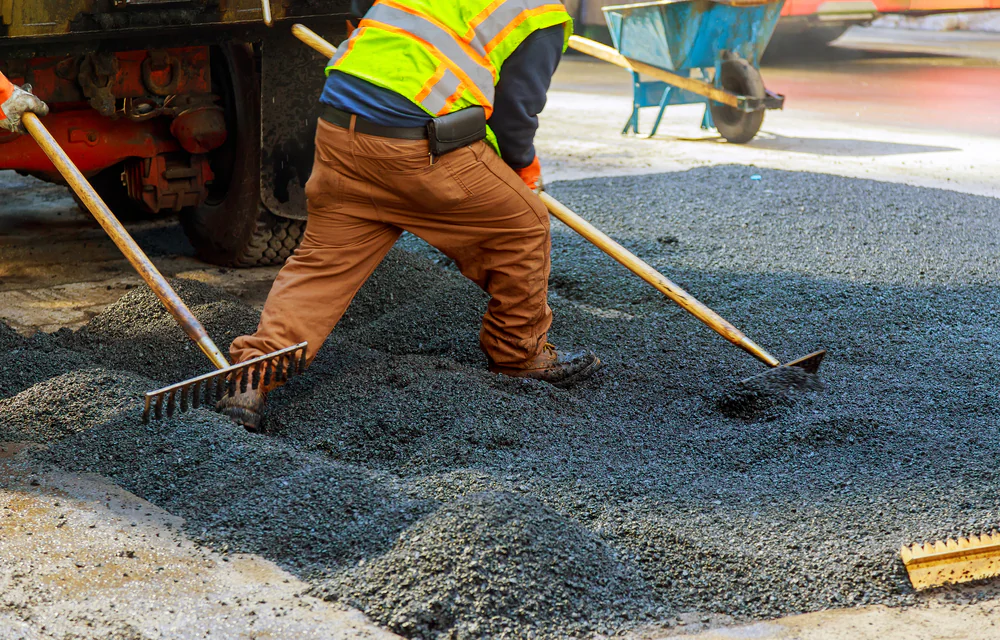
Excavation and grading come next, with careful attention to creating proper slopes for water management—critical in Washington Crossing’s climate. The base material is installed and compacted to engineering specifications, not just “good enough.”
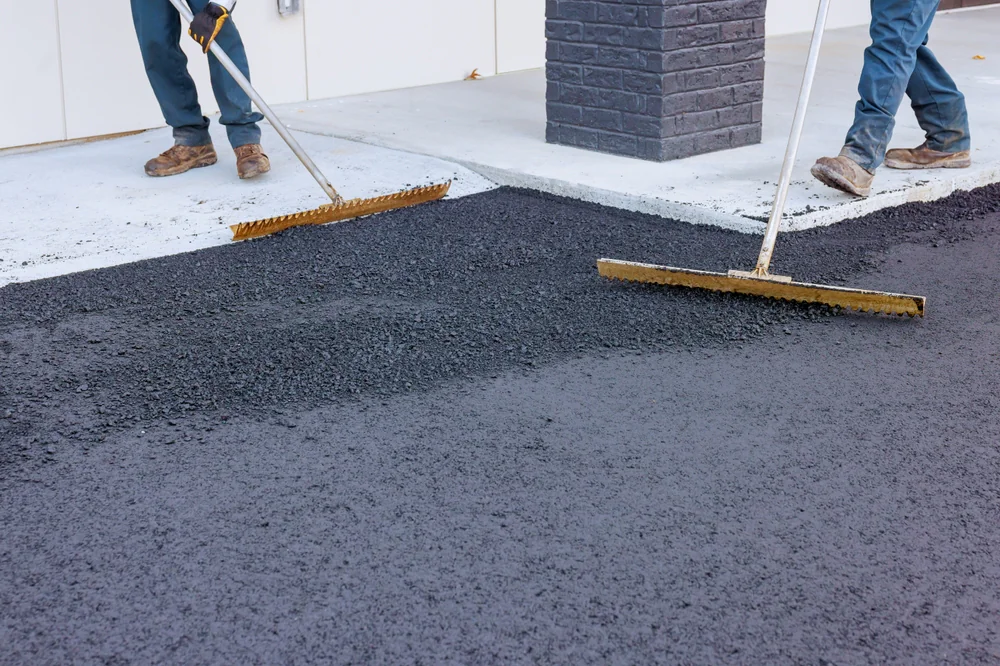
Hot-mix asphalt application happens in carefully planned lifts, with each layer properly compacted while still at optimal temperature. Final details include line striping, ADA compliance features, and a walkthrough to ensure everything meets both code requirements and your business needs. Clear communication keeps you informed at each stage, so there are no surprises about timeline or final results.
Ready to get started?
Commercial paving in Washington Crossing requires understanding local challenges. The area’s clay soils expand and contract with moisture changes, demanding proper base preparation to prevent settling and cracking.
Traffic patterns matter too. Shopping centers need different asphalt specifications than office complexes or industrial facilities. Heavy delivery trucks require thicker asphalt sections and reinforced edges, while customer parking areas focus on smooth surfaces and clear striping for safety.
Drainage design accounts for Washington Crossing’s position near the Delaware River, where proper water management prevents costly repairs down the road. Quality commercial paving includes strategic placement of catch basins, proper crown angles, and integration with existing stormwater systems. These details separate professional installation from basic asphalt work that creates problems within a few seasons.
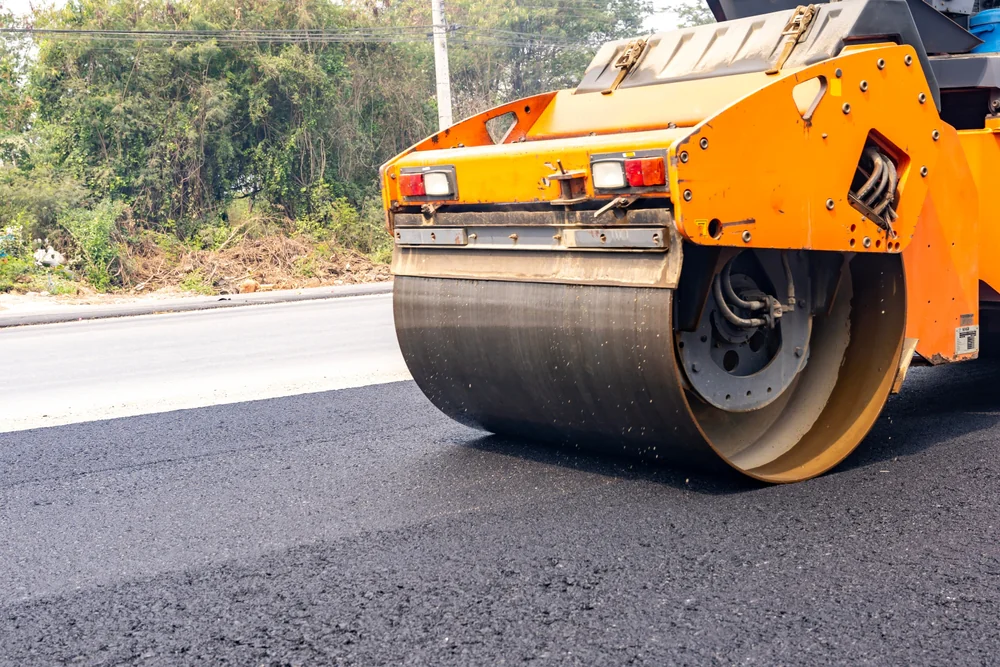
Most commercial parking lot projects in Washington Crossing take 3-7 days depending on size and complexity. Weather conditions can extend this timeline, as asphalt installation requires dry conditions and temperatures above 50 degrees.
The process breaks down into phases: excavation and base preparation (1-2 days), asphalt installation (1-2 days), and final details like striping (1 day). Larger projects or those requiring significant drainage work may take longer.
We schedule projects to minimize business disruption, often working in sections so parts of your parking lot remain accessible. Clear communication keeps you informed about daily progress and any weather-related delays that might affect the timeline.
Commercial paving uses thicker asphalt layers and more robust base preparation to handle heavier traffic loads and frequent use. While residential driveways typically use 2-3 inches of asphalt, commercial lots often require 4-6 inches depending on expected traffic.
Base preparation differs significantly too. Commercial projects need engineered stone bases, proper compaction testing, and drainage systems designed for larger surface areas. The asphalt mix itself may include different aggregates for improved durability under heavy loads.
Installation standards are more stringent for commercial work, with ADA compliance requirements, specific striping standards, and coordination with local building codes. These factors make commercial paving more complex but ensure the finished surface handles business-level traffic for decades.
Surface cracking covering more than 25% of your parking lot usually indicates replacement is more cost-effective than patching. Widespread alligator cracking, multiple potholes, or areas where the base is failing all point toward full replacement.
Drainage issues like standing water or areas that don’t drain properly often require more than surface repairs. If water is getting under the asphalt and causing base failure, patches won’t solve the underlying problem.
Age matters too. Asphalt surfaces typically last 15-20 years with proper maintenance. If your parking lot is approaching this age and showing multiple issues, replacement often makes more financial sense than ongoing repair costs. A professional evaluation can assess the base condition and help you make the most cost-effective decision.
Commercial paving costs in Washington Crossing typically range from $3-7 per square foot for new installation, depending on site conditions, asphalt thickness requirements, and project complexity. Factors like excavation depth, drainage needs, and accessibility affect the final price.
Larger projects often cost less per square foot due to economies of scale, while smaller lots or those requiring significant prep work cost more. Additional features like concrete curbing, specialized striping, or ADA compliance modifications add to the base price.
The most accurate pricing comes from on-site evaluation of your specific conditions. Soil type, existing drainage, traffic requirements, and local permitting all influence costs. We provide detailed written estimates that break down all components so you understand exactly what you’re paying for and can compare proposals fairly.
Project start times depend on several factors: weather conditions, permit requirements, and our current schedule. During peak season (April through October), scheduling typically runs 2-4 weeks out for new projects.
Emergency repairs can often be addressed within a few days, while planned replacements require more lead time for proper preparation. Projects needing municipal permits or utility coordination may require additional scheduling time.
We work with you to find timing that minimizes business disruption. Many commercial projects are scheduled for weekends, after hours, or during slower business periods. Once we evaluate your site and understand your timing needs, we can provide a realistic start date and project timeline.
Yes, we handle all necessary permits and coordinate required inspections for commercial paving projects in Washington Crossing and surrounding municipalities. This includes stormwater management permits, right-of-way permits if work affects public areas, and any required engineering approvals.
Each municipality has different requirements, and we’re familiar with local codes and inspection processes. This saves you time and ensures all work meets current standards without delays or complications.
We also coordinate with utility companies when work might affect underground services, arrange for temporary traffic control if needed, and handle any required ADA compliance documentation. This comprehensive approach ensures your project proceeds smoothly from permits through final approval.
Other Services we provide in Washingtoncrossing