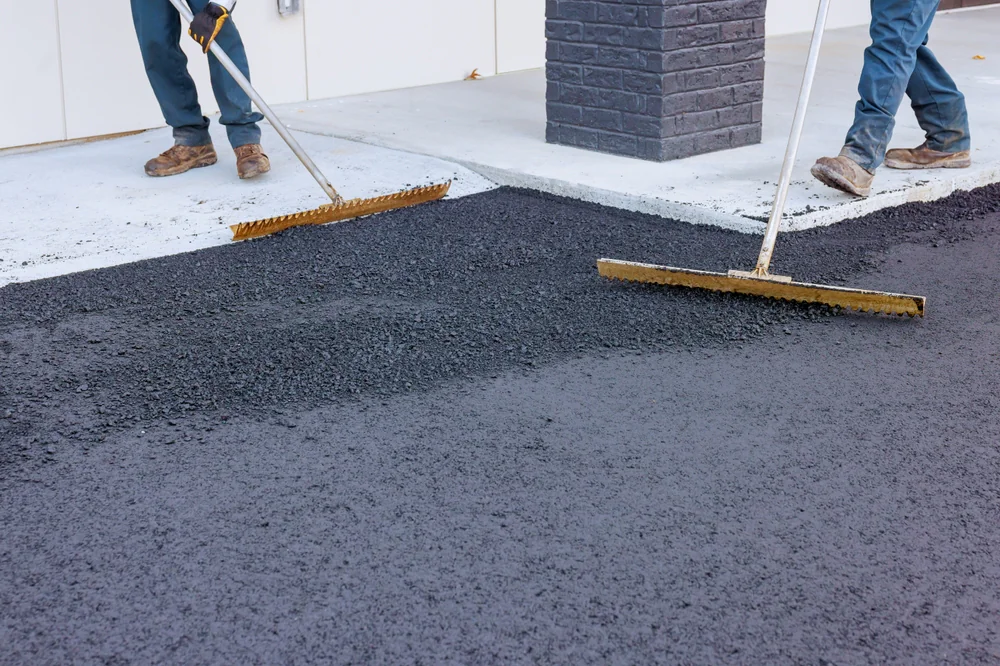
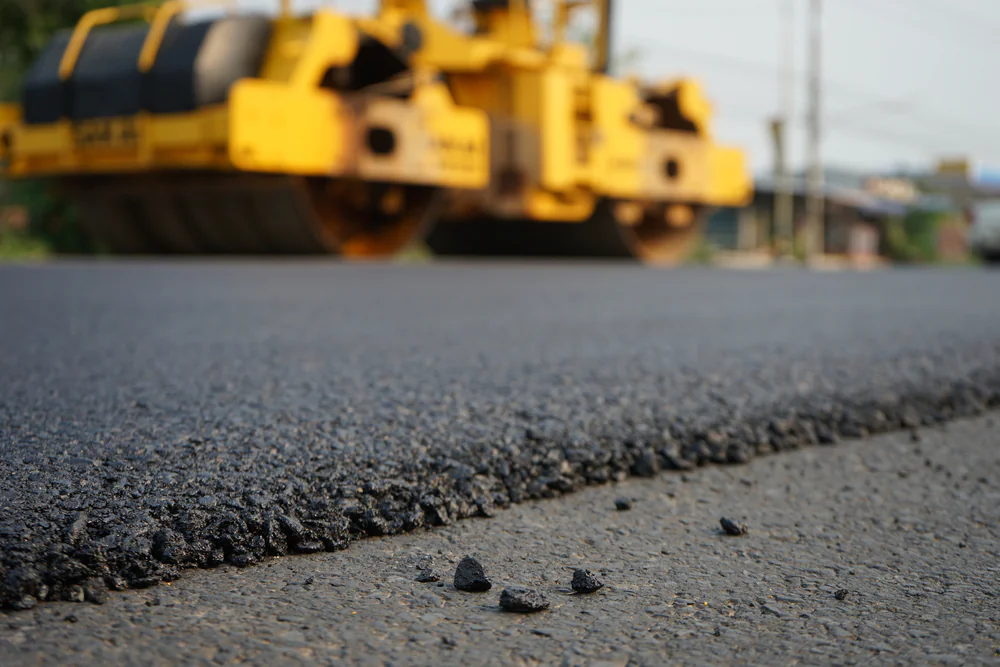
You get a parking lot that handles New Jersey winters without crumbling. One that doesn’t collect water in low spots or develop potholes by spring.
The right base preparation means your asphalt lasts decades, not years. Proper drainage keeps water from seeping under the surface and causing expensive failures. Quality paving installation from the start saves you from constant patch jobs and early replacement.
Your customers notice smooth pavement and clear striping. They don’t think twice about parking or walking to your entrance. That’s what commercial paving should deliver—a surface that works quietly in the background while your business operates up front.
We’ve been in the paving business since 1948. That’s not a typo. Three generations of hands-on experience inform every job we take on.
West Windsor businesses need paving contractors who understand local soil conditions, drainage requirements, and how Mercer County weather affects asphalt. The freeze-thaw cycles here aren’t forgiving. Neither is the summer heat or the salt from winter maintenance.
One crew. One job at a time. You’re not competing for attention with three other projects. We show up, communicate clearly, and treat your property like it matters—because it does.
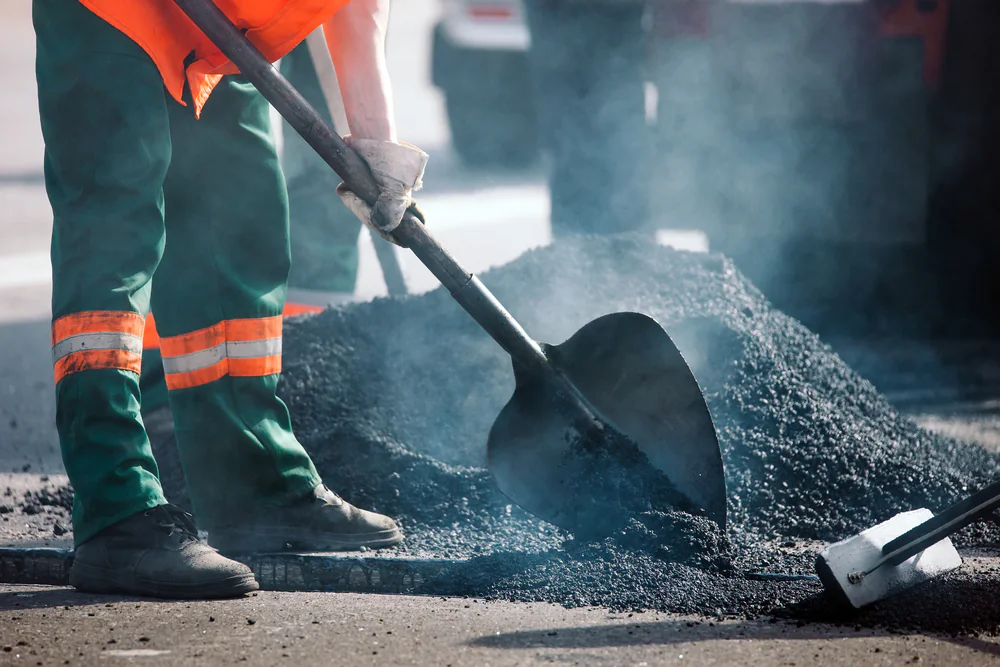
First, the site gets evaluated. Drainage patterns, soil conditions, traffic load expectations—all of it factors into the plan. If your existing lot has issues, we identify them before any equipment arrives.
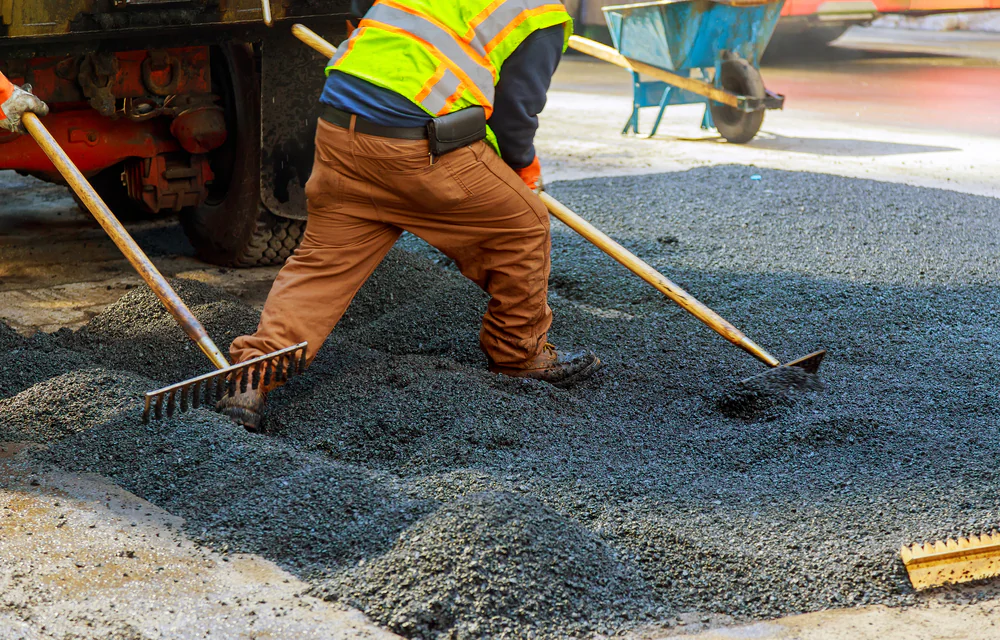
Next comes site preparation. Old asphalt gets removed if needed. The base gets graded and compacted properly. This step determines whether your new pavement lasts five years or thirty. Shortcuts here cost you later.
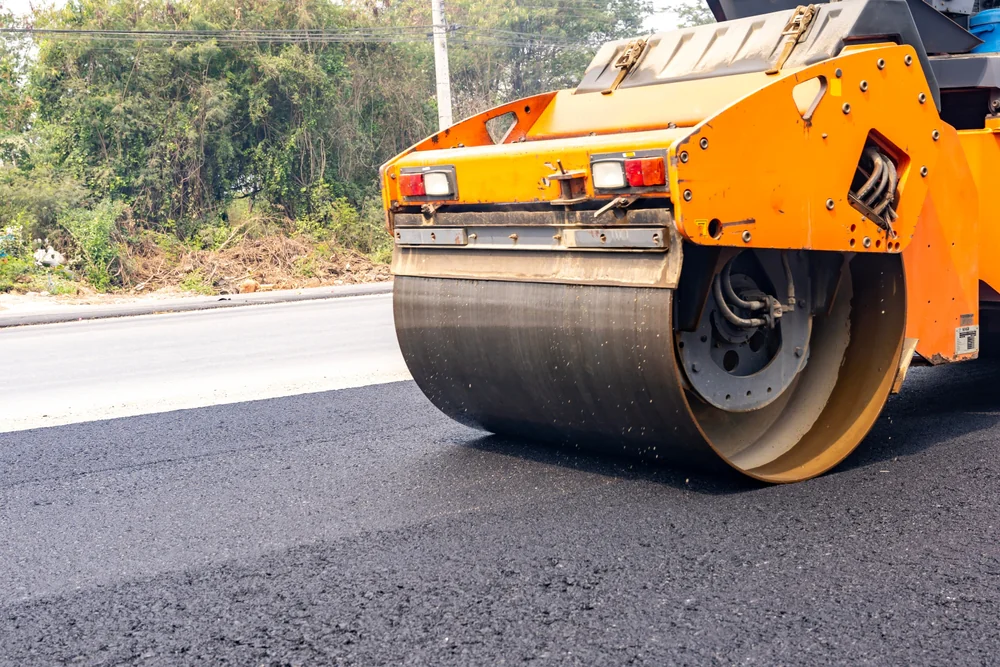
Then the asphalt goes down in layers. Base course first for structural support, then the wearing course for a smooth, durable surface. Proper compaction at each stage ensures the pavement can handle the weight and weather it’ll face. Striping and final details come last—clear markings that meet ADA requirements and keep traffic flowing safely.
You’ll know what’s happening at each stage. No surprises, no disappearing for days. Just straightforward progress updates and professional execution.
Ready to get started?
Full parking lot paving covers everything from excavation and base preparation to final striping. You’re not piecing together multiple contractors. Grading ensures proper water runoff. Base installation provides the foundation. Asphalt paving creates the surface. Line striping and ADA-compliant markings finish the job.
West Windsor’s commercial properties face specific challenges. The area’s mix of office buildings, retail spaces, and industrial facilities means different traffic patterns and weight requirements. A small professional office needs different specs than a warehouse with daily truck deliveries.
Resurfacing works when the base is still solid but the surface has worn down. It’s less expensive than full replacement and extends your pavement’s life significantly. But if water damage has compromised the foundation, resurfacing just covers up problems that’ll resurface quickly. An honest assessment tells you which approach makes financial sense.
Timing matters too. Paving works best in warmer months when asphalt can cure properly. Planning ahead means you’re not rushing a project during your busiest season or dealing with winter complications that drive up costs.
Properly installed commercial asphalt typically lasts 20 to 30 years in New Jersey. That lifespan depends entirely on three things: quality installation, adequate base preparation, and regular maintenance.
The base is everything. If the foundation isn’t properly graded and compacted, even the best asphalt will fail prematurely. Water infiltration from poor drainage causes most early failures—freeze-thaw cycles destroy pavement from underneath.
Maintenance extends life significantly. Sealcoating every 2 to 3 years protects against water, UV damage, and chemical spills. Filling cracks when they’re small prevents them from becoming potholes. Neglected lots need replacement in 10 to 15 years. Maintained lots can push past 30.
Resurfacing adds a new asphalt layer over your existing pavement—usually about two inches. It’s the right call when your base is still structurally sound but the surface has worn down. You’ll pay roughly half what full replacement costs.
Full replacement removes everything down to the dirt, rebuilds the base, and installs new asphalt from the ground up. You need this when water damage has compromised the foundation, when the base was never installed correctly, or when the existing pavement has failed beyond surface-level repair.
The honest answer about which one you need comes from inspecting what’s underneath. Surface cracks might just need filling. Widespread alligator cracking or sinking sections usually mean base failure. We’ll tell you the truth about your lot’s condition, not just sell you the more expensive option.
Commercial asphalt paving in New Jersey typically runs $3 to $8 per square foot, depending on site conditions and project scope. A 10,000 square foot parking lot generally costs between $30,000 and $80,000 for complete installation.
Several factors move you toward the higher or lower end of that range. Sites requiring extensive excavation, poor soil that needs stabilization, or complex drainage solutions cost more. Simple rectangular lots with good existing conditions cost less. Thickness matters too—heavy truck traffic requires thicker asphalt than light passenger vehicles.
Don’t make decisions based solely on the lowest bid. Cheap work uses inferior materials, skips proper base preparation, or rushes compaction. You’ll pay for those shortcuts within a few years through premature failure and costly repairs. Quality installation costs more upfront but delivers decades of performance instead of constant maintenance headaches.
Most commercial paving projects can be phased to minimize disruption. We section off areas, complete them, then move to the next section. Your business stays accessible throughout the process.
Timing makes a difference. Scheduling work during slower business periods, weekends, or after hours reduces customer impact. Retailers might choose winter months when foot traffic is lighter. Restaurants might avoid Friday and Saturday nights. The approach depends on your specific operation.
Communication matters most. You need to know the schedule, understand which areas will be inaccessible when, and have a plan for directing customers and deliveries. We coordinate closely with you to keep things running smoothly. Showing up without warning and blocking your main entrance creates chaos. That’s not how we operate.
Sealcoating every 2 to 3 years is the most important maintenance task. It protects asphalt from water penetration, UV damage, and chemical spills from vehicles. This single step can double your pavement’s lifespan.
Crack sealing should happen as soon as you notice cracks forming. Small cracks are inexpensive to fill. Ignored cracks widen, allow water underneath, and turn into potholes that require expensive patching. Catching damage early prevents it from spreading.
Regular cleaning removes debris that can stain or damage the surface. Striping needs refreshing every few years as paint fades from traffic and weather. Catch basins require cleaning to maintain proper drainage. None of this is complicated, but skipping it leads to premature deterioration and major repair costs down the road. Preventative maintenance always costs less than emergency fixes.
Yes. The Americans with Disabilities Act requires specific numbers of accessible parking spaces based on total lot capacity, proper dimensions for those spaces, clear access aisles, appropriate signage, and safe pathways to building entrances.
Standard accessible spaces must be at least 96 inches wide with an adjacent 60-inch access aisle. Van-accessible spaces need 96-inch spaces with 96-inch aisles. Markings must be clearly visible, and signs must be mounted at the correct height. The pathway from parking to entrance must be smooth, properly graded, and free of obstacles.
Non-compliance carries real consequences—fines and potential lawsuits. Beyond legal requirements, accessible parking demonstrates that you value all customers. A properly striped, ADA-compliant lot isn’t just about following regulations. It’s about operating a business that welcomes everyone and takes its responsibilities seriously.
Other Services we provide in Westwindsor