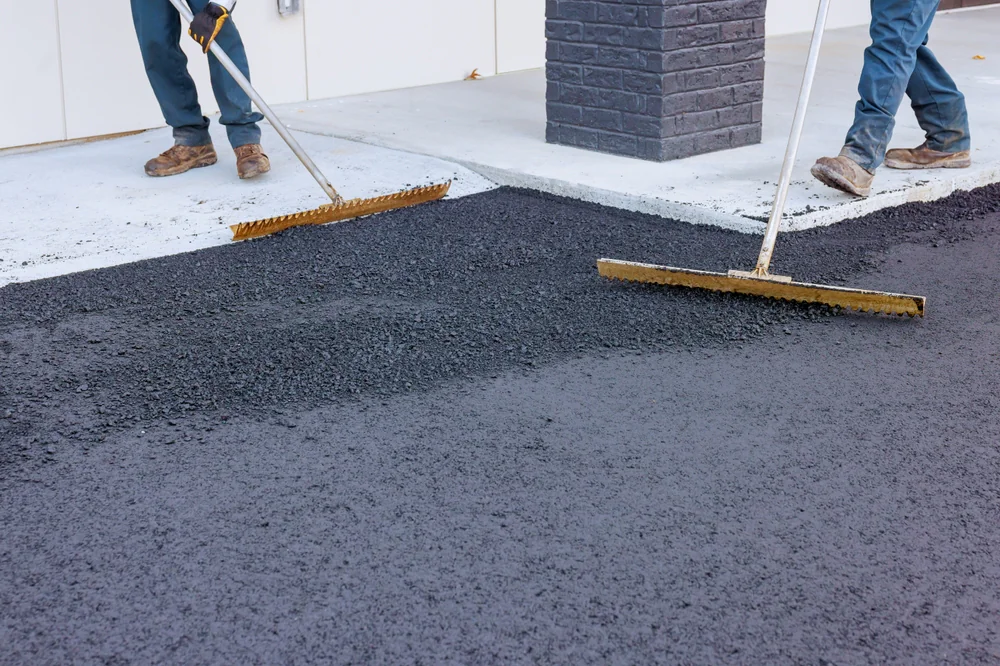
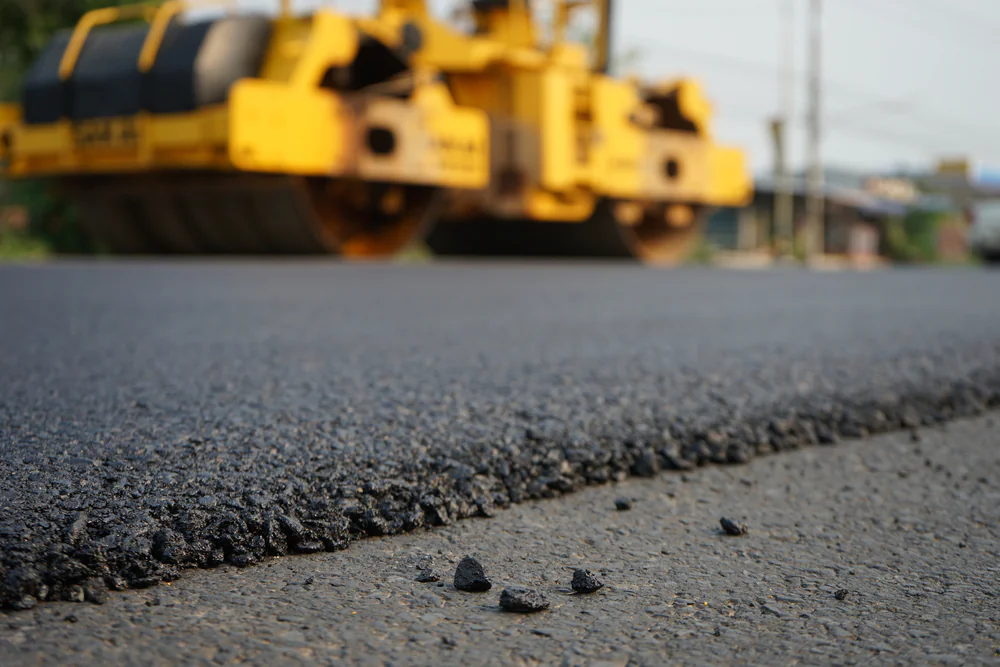
Your parking lot drains correctly. No standing water pooling near entrances or creating ice patches in winter. No premature cracks spreading across the surface because someone skipped base preparation to save an hour.
Your customers pull in and see a smooth, professional surface—not potholes they have to dodge. Your property looks maintained, not neglected. And you’re not calling for repairs two years in because the asphalt is already failing.
The surface holds up under delivery trucks, daily traffic, and Route 22 weather. You get what you paid for: a commercial parking lot built to perform for 15-20 years, not just pass inspection and fall apart.
We’ve been handling commercial paving in Hunterdon County for decades. Our roots in the industry go back to 1948—long enough to know what works in New Jersey’s freeze-thaw cycles and what fails in three winters.
We work on one job at a time. Not bouncing between three sites trying to finish fast. Your project gets full attention until it’s done right.
Every project—whether it’s a small business parking lot or a large industrial site—gets the same level of care. No shortcuts based on budget. No disappearing after the check clears. We stay involved, and we stay local. When you need us in two years for sealcoating or in ten years for maintenance, we’ll still be here.
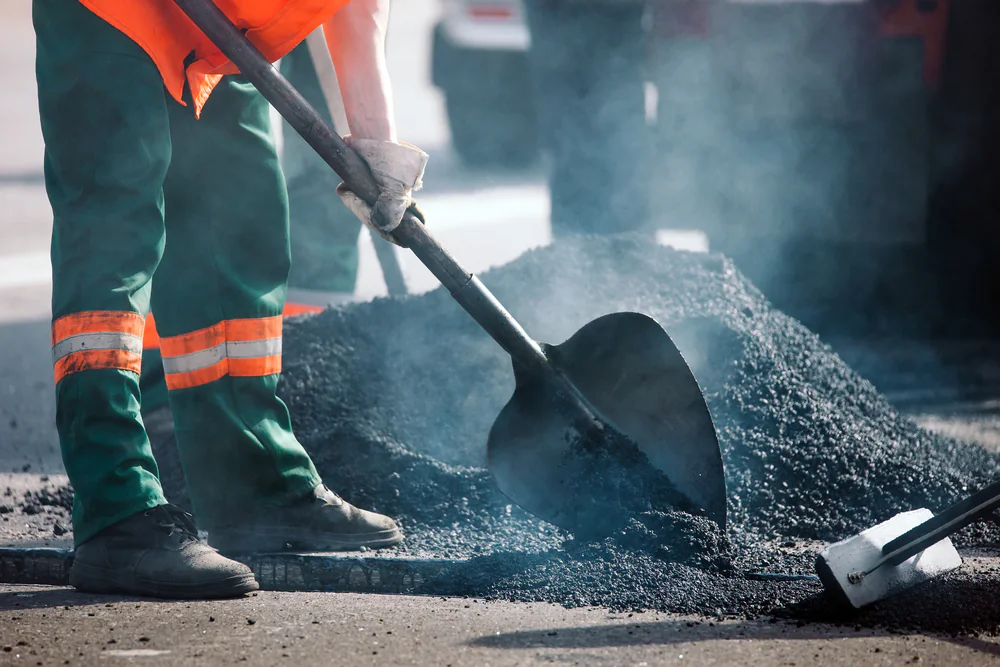
First, we evaluate your site. Not just the surface—the drainage, the base condition, the slope, the soil underneath. Because what’s below the asphalt determines whether it lasts five years or twenty.
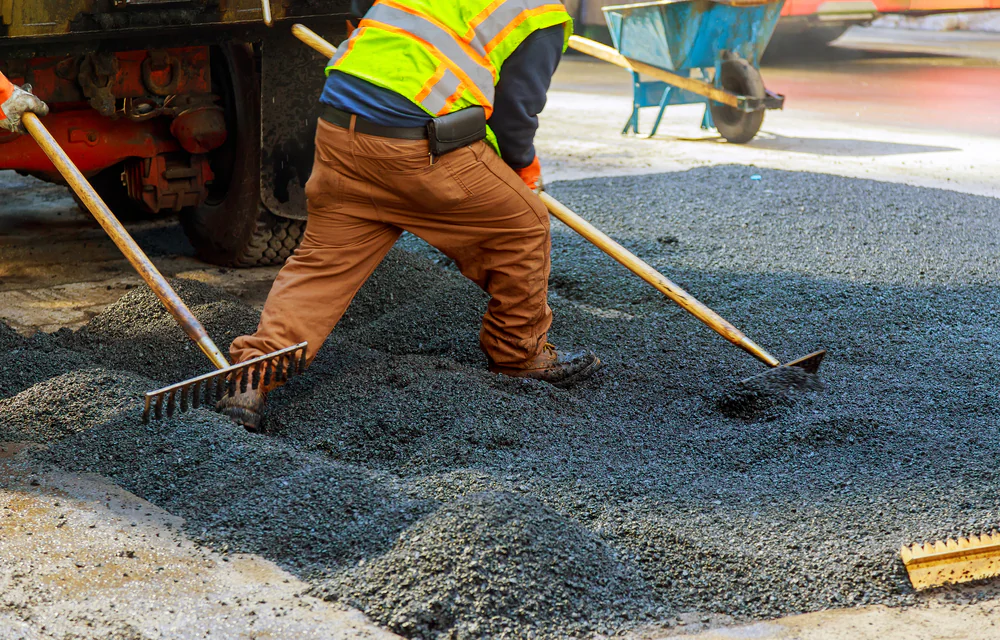
If the base is unstable or drainage is poor, that gets addressed before any asphalt goes down. Grading, compaction, proper sub-base installation. The work that prevents your parking lot from turning into a cracked mess when the first freeze hits.
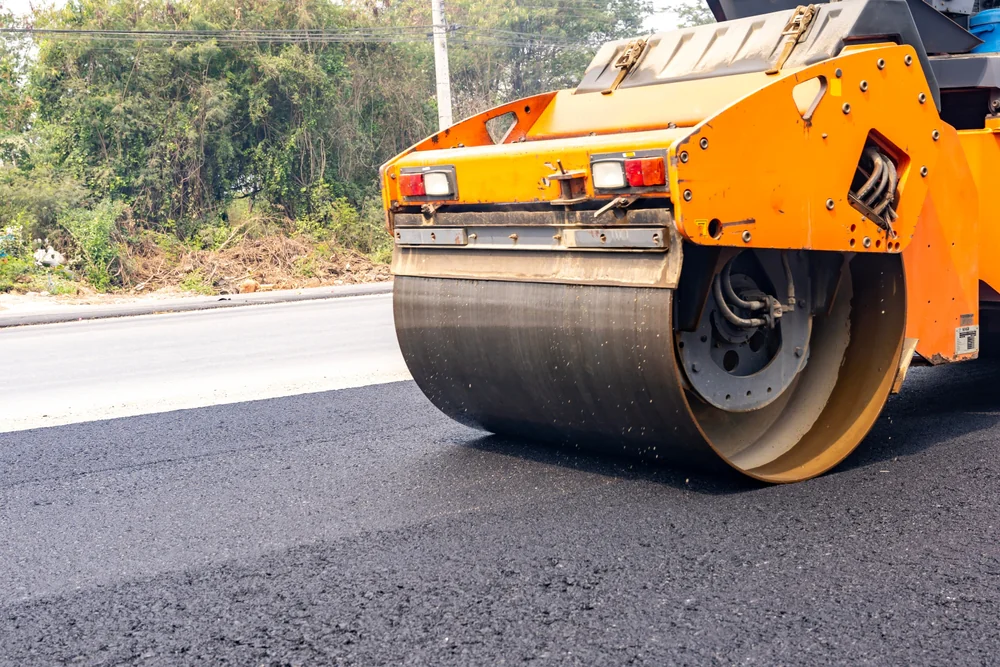
Then comes the asphalt installation—thickness appropriate for your traffic load, not the bare minimum. Proper compaction with professional equipment. Attention to transitions, curbs, and drainage flow.
After installation, you wait 24-48 hours before allowing full traffic. The surface needs time to cure properly. Then you’ve got a parking lot that handles what you throw at it—delivery trucks, daily traffic, winter weather, summer heat.
Ready to get started?
You get a detailed site assessment that identifies drainage issues, base problems, and proper thickness requirements for your specific use. Not a generic quote based on square footage alone.
The project includes proper site preparation—grading, base installation, and compaction that meets the load requirements for your property. If you’re getting delivery trucks, the base gets built for delivery trucks. If drainage is failing, it gets fixed before asphalt goes down.
Installation uses asphalt thickness appropriate for White House Station’s climate and your traffic patterns. New Jersey’s freeze-thaw cycles destroy thin applications. The mix design and thickness account for that.
You also get clear communication throughout the project. Timeline expectations. Weather delays if they happen. What to expect after installation. When you can allow traffic. When sealcoating should happen (typically every 2-4 years depending on use).
For commercial properties along Route 22 and throughout Hunterdon County, this means parking lots built for the long term—not just the lowest possible bid.
Commercial paving in White House Station typically runs $3 to $8 per square foot, but that range means almost nothing without context. What matters is what’s included in that price.
A low bid often means thin asphalt over minimal base preparation. That might pass inspection, but it’ll crack and fail within a few years when New Jersey’s freeze-thaw cycles hit. A proper installation includes adequate base thickness (usually 4-6 inches of compacted aggregate for standard commercial use, more for heavy truck traffic), appropriate asphalt thickness (typically 2-3 inches minimum for commercial applications), proper drainage solutions, and correct compaction.
Site conditions drive the real cost. If your existing base is unstable, if drainage needs work, if access is tight for equipment—those factors matter more than square footage alone. The goal isn’t the cheapest price. It’s the best value: a parking lot that performs for 15-20 years instead of needing major repairs in five.
A properly installed commercial parking lot in White House Station should last 15-20 years before needing major rehabilitation. But that lifespan depends entirely on three things: installation quality, maintenance, and your specific use.
Installation quality means proper base preparation, adequate asphalt thickness for your traffic load, and real drainage solutions. Skimping on any of these cuts years off the lifespan. New Jersey’s freeze-thaw cycles are brutal on thin asphalt over weak bases.
Maintenance extends life significantly. Sealcoating every 2-4 years protects against water infiltration, UV damage, and chemical breakdown from oil and salt. Crack sealing while cracks are still small prevents water from getting underneath and destroying the base. Catch basin cleaning keeps drainage functioning.
Your use matters too. A parking lot with constant heavy truck traffic wears faster than one with light passenger vehicles. High-traffic areas near entrances need more frequent attention. But with proper installation and regular maintenance, you should get close to two decades before needing full reconstruction.
Water is the number one killer of parking lots in White House Station. When water gets under the asphalt—through cracks, poor drainage, or inadequate base preparation—it destroys everything from below. New Jersey’s freeze-thaw cycles make this worse. Water seeps in, freezes, expands, and breaks apart both the asphalt and the base underneath.
Poor base preparation is the second major cause. If the sub-base isn’t properly compacted, if it’s too thin for the traffic load, or if it’s installed over unstable soil, the asphalt above will crack and fail no matter how good the surface installation looks.
Thin asphalt is the third culprit. Some contractors cut thickness to lower their bid. But asphalt that’s too thin for the climate and traffic load will crack prematurely. White House Station needs thickness that can handle freeze-thaw cycles and whatever traffic you’re putting on it—delivery trucks need more than passenger vehicles.
Skipping maintenance accelerates all of this. Unsealed asphalt oxidizes and becomes brittle. Small cracks that could have been sealed cheaply turn into major failures requiring expensive repairs. Regular sealcoating and crack sealing aren’t optional if you want your parking lot to last.
You should wait at least 24 to 48 hours before allowing full traffic on a newly paved parking lot in White House Station. The asphalt needs time to cool and cure properly. Rushing this creates problems.
During the first day or two, you might see some tire marks, scuffing, or wheel impressions—especially from vehicles that sit in one spot or turn sharply. This is normal with fresh asphalt and will smooth out with regular traffic and time. Heavy vehicles or sharp turns during this period can leave more noticeable marks.
Weather affects curing time. Hot summer days help asphalt cure faster. Cooler temperatures slow the process. We give you specific guidance based on the conditions during your installation.
For commercial properties that can’t shut down completely, phased construction is an option. We pave in sections, allowing you to keep portions of your lot operational while others cure. This minimizes business disruption but extends the overall project timeline.
After the initial cure period, your parking lot is ready for normal use. But avoid heavy concentrated loads (like dumpsters sitting in one spot) for the first week if possible. The surface continues to harden over the first few months.
Permit requirements for commercial paving in White House Station depend on the scope of your project and local regulations in Readington Township and Hunterdon County. Simple resurfacing or overlay projects often don’t require permits, but new construction, significant drainage work, or changes to site layout typically do.
If your project involves any work in the right-of-way—curb cuts, apron connections, drainage discharge to public systems—you’ll need permits. Any work that affects stormwater management usually requires approval. Projects that change traffic flow, add parking spaces, or modify site access often need planning board review.
ADA compliance is mandatory for commercial properties, and while it’s not always a separate permit, your paving work must meet accessibility standards. This includes proper slopes, accessible parking space dimensions, access aisles, and compliant striping.
We’re familiar with White House Station and Hunterdon County regulations and know what’s required for your specific project. We either handle permits as part of our service or clearly outline what you need to obtain. If a contractor says “don’t worry about permits” without explaining why your project is exempt, that’s a red flag.
Getting proper permits protects you from fines, ensures the work meets code, and prevents problems when you eventually sell the property. It’s not worth skipping.
An asphalt overlay means installing a new layer of asphalt over your existing parking lot. It’s faster and cheaper than full reconstruction—typically costing 40-60% less. But it only works if your current base is still solid and your drainage functions properly. If the foundation is failing, an overlay just covers up problems that will resurface quickly.
Overlay is appropriate when you have surface wear—minor cracking, oxidation, rough texture—but the base underneath is stable. We evaluate this by checking for soft spots, significant settling, widespread alligator cracking, or drainage failures. If those exist, overlay is throwing money away.
Full reconstruction means removing the old asphalt, addressing base problems, installing new base material if needed, fixing drainage issues, and then paving fresh asphalt. It costs more upfront but gives you another 15-20 years of performance when done right. This is necessary when the base has failed, when drainage is inadequate, or when the existing pavement has deteriorated beyond surface issues.
For White House Station commercial properties, the decision often comes down to this: if your parking lot has isolated problems and the base is sound, overlay makes sense. If you’re seeing widespread failure, standing water, or significant settling, full reconstruction is the only real solution. We’ll tell you what your parking lot actually needs—not just what costs less upfront.
Other Services we provide in Whitehousestation