
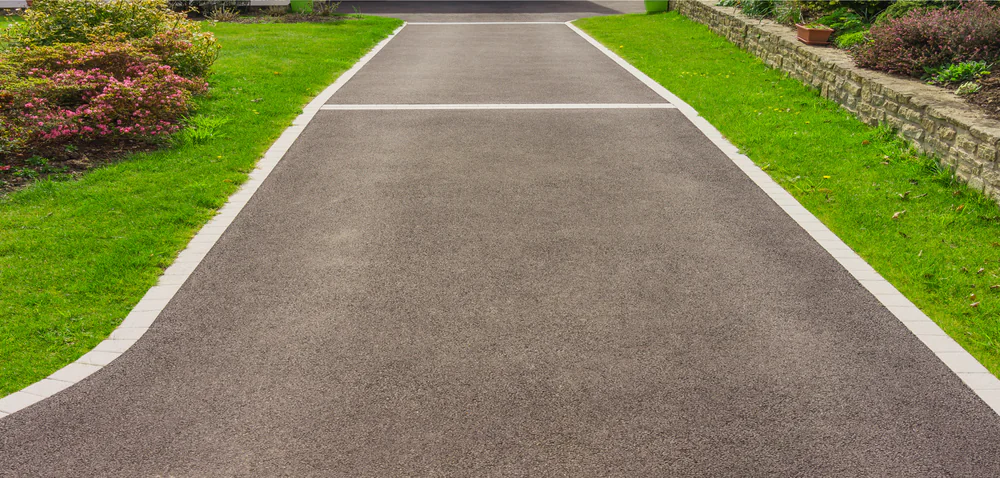
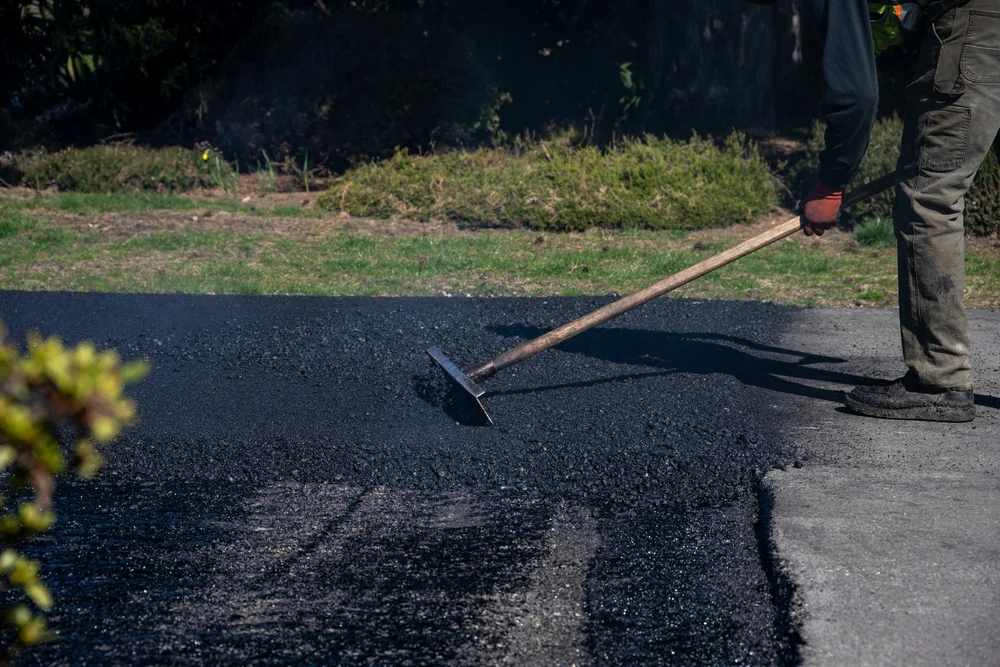
You’re not just getting a smooth surface. You’re getting a driveway that sheds water properly, doesn’t crack in the first two winters, and actually looks good for years—not months.
That starts with the foundation. Most problems you see on driveways—the pooling water, the early cracks, the sinking spots—trace back to rushed or inadequate base preparation. We don’t skip that part.
You’ll know what’s happening at every stage. No surprises, no upselling, no pressure. Just clear communication about what your property needs and why, so you can make a decision that makes sense for your situation and budget.
We bring three generations of hands-on paving experience to Bethlehem and the surrounding Warren County area. That’s 75+ years of seeing what holds up and what fails—and why.
We focus on one job at a time. That means when our crew is on your property, they’re not splitting attention between three other sites. You get our full focus, and the work reflects it.
Whether it’s a residential driveway or a commercial parking lot, every project gets the same level of care. Bethlehem homeowners deal with tough freeze-thaw cycles every winter, and that demands proper drainage, correct grading, and quality materials—not shortcuts.
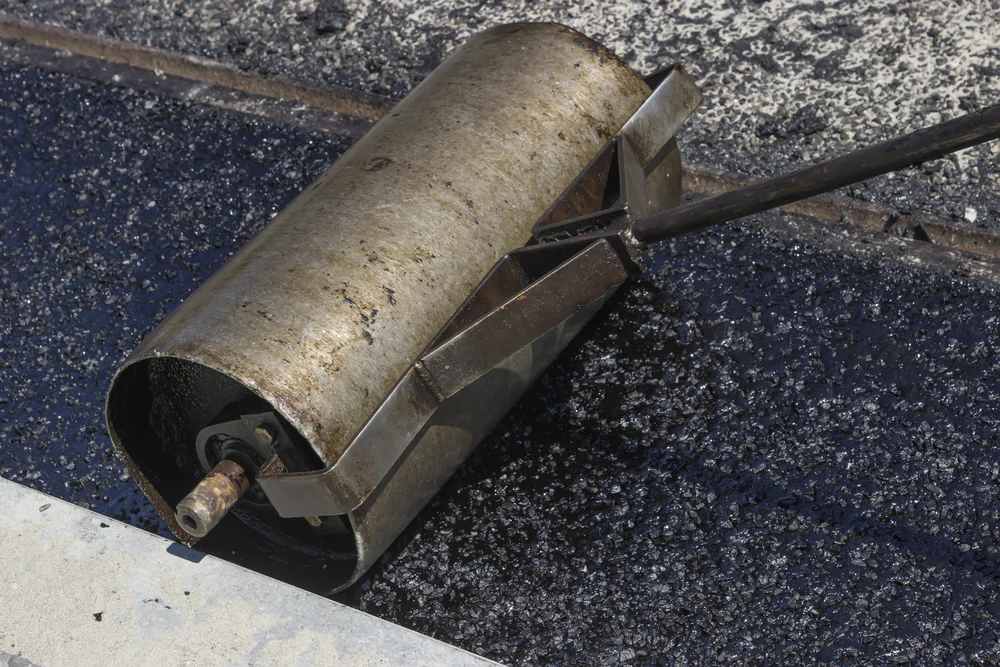
First, we assess the site. That means looking at drainage patterns, existing base conditions, and how water moves across your property. If there’s an old driveway, it may need complete removal or might be suitable for an overlay—depends on the foundation underneath.
Next comes excavation and base preparation. This is where most of the real work happens. We install and compact a proper gravel base in layers, with attention to slope and drainage. This phase takes time because it determines how your driveway performs for the next decade.
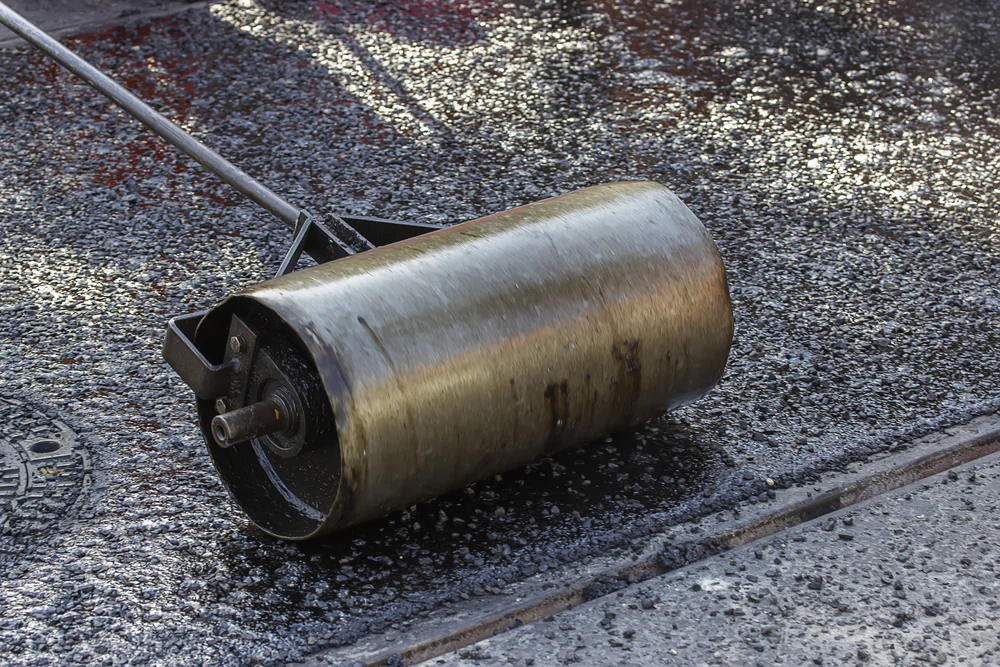
Then the asphalt goes down—typically 2.5 to 3 inches for residential driveways, not the thin 1 to 2 inches some contractors use to cut costs. The material gets compacted while hot, edges are finished clean, and then it needs time to cure. You’ll wait at least 24 hours before driving on it, sometimes longer depending on temperature.
Throughout the process, you’ll get updates. No guessing where things stand or when the crew will show up. Just straightforward communication so you know what to expect.
Ready to get started?
Every driveway paving project starts with a thorough site evaluation. We assess your property’s specific drainage needs, soil conditions, and grading requirements—factors that vary significantly across Bethlehem’s terrain.
The work includes proper excavation when needed, installation of a compacted aggregate base, and application of quality asphalt at the right thickness. Edges get finished properly, transitions to existing surfaces are handled cleanly, and drainage solutions are built in from the start.
For Bethlehem properties, that drainage piece matters more than many homeowners realize. Warren County’s weather patterns mean heavy spring rains and winter freeze-thaw cycles. A driveway that doesn’t shed water properly won’t make it to its eighth year—it’ll start showing problems in year two or three.
We also handle commercial paving projects, parking lots, and industrial surfaces. That range of experience means we’ve solved complex drainage and grading challenges that go beyond basic residential work—knowledge that benefits every project, regardless of size.
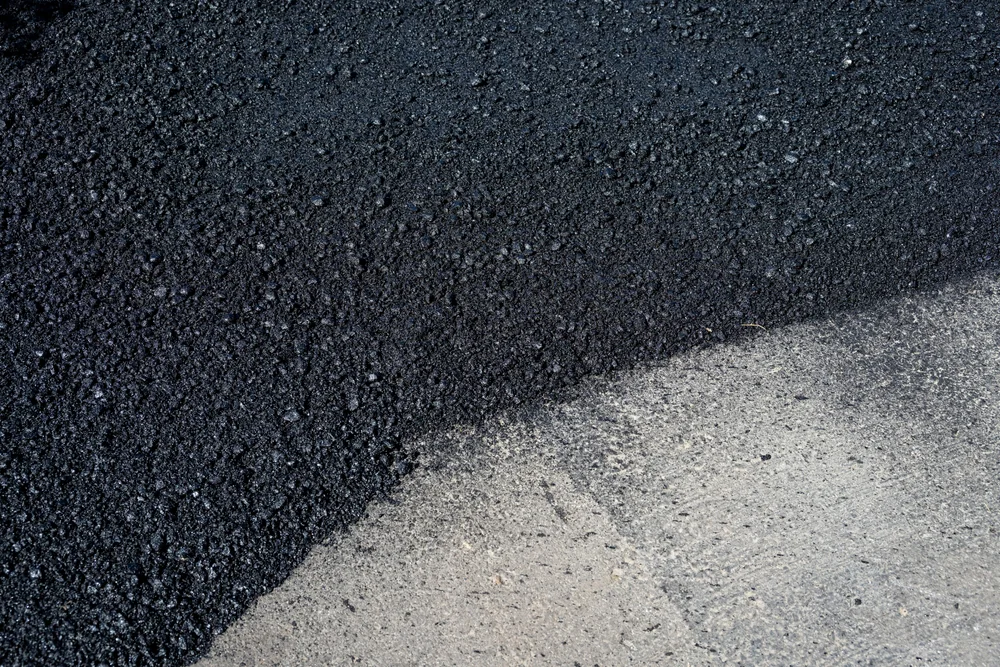
A properly installed asphalt driveway typically lasts 8 to 10 years before needing resurfacing, though that timeline depends heavily on installation quality and maintenance. New Jersey’s freeze-thaw cycles are particularly hard on asphalt, which is why proper base preparation and drainage matter so much upfront.
If you’re seeing significant cracking, potholes, or drainage issues within the first few years, that usually points to installation problems—either inadequate base work, insufficient asphalt thickness, or poor drainage planning. Those aren’t normal wear patterns.
Regular maintenance like sealcoating every few years can extend your driveway’s lifespan and protect against oxidation and minor surface damage. But no amount of sealcoating fixes a weak foundation, which is why getting the installation right the first time makes the biggest difference in how long your investment lasts.
It depends on what’s happening underneath your current surface. An overlay—a new 2-inch layer of asphalt applied over existing pavement—works well if your base is still solid and you’re mainly dealing with surface-level issues like minor cracking, fading, or shallow potholes.
Complete replacement makes sense when you have drainage problems, significant settling, widespread cracking, or base failure. If water pools on your driveway or you see large sections sinking, an overlay just covers the problem temporarily without fixing what’s causing it.
We assess your specific situation honestly. That means looking at the existing base depth, checking for soft spots, and evaluating drainage patterns. Sometimes the right answer is overlay on most of the driveway with targeted removal and replacement in problem areas. The goal is matching the solution to what your property actually needs, not defaulting to the most expensive option or the quickest fix.
Water pooling usually comes down to improper grading or settling over time. Your driveway needs a minimum slope of about 1 to 2 percent—roughly a quarter inch of drop per foot—to move water away from your home and garage. When that slope is inadequate or slopes the wrong direction, water sits instead of draining.
Sometimes the problem develops years after installation because the base wasn’t compacted properly or soil underneath has shifted. Heavy vehicles, freeze-thaw cycles, and poor base preparation can all cause settling that creates low spots where water collects.
Standing water accelerates asphalt deterioration significantly. It seeps into small cracks, freezes and expands in winter, and gradually breaks down the pavement structure. Fixing pooling issues usually requires addressing the grading—either through strategic patching, regrading during an overlay, or in severe cases, complete removal and reconstruction with proper slope built in from the start. It’s not just an aesthetic problem; it’s a structural one that gets worse the longer it’s ignored.
For residential driveways, you want at least 2.5 to 3 inches of compacted asphalt over a proper aggregate base. Some contractors cut costs by installing only 1 to 2 inches, which might look fine initially but won’t hold up to regular vehicle traffic and weather stress over time.
The base underneath matters just as much as the asphalt thickness. A standard residential driveway needs 4 to 6 inches of compacted gravel base under that asphalt layer. This foundation distributes weight, prevents settling, and provides drainage—without it, even thick asphalt will crack and fail prematurely.
When you’re comparing estimates, ask specifically about asphalt thickness and base depth. A significantly lower price often means thinner materials, not just a better deal. Quality contractors will specify these measurements in writing because they know it’s the difference between a driveway that lasts a decade and one that needs major repairs in three years. The upfront cost difference is real, but so is the difference in how long you go before needing your next paving project.
Start by avoiding anyone going door-to-door offering deals on “leftover asphalt” they need to use before it cools. That’s a classic red flag for fly-by-night operators who do substandard work and disappear when problems emerge.
Look for contractors with an established local reputation—people who have been serving your area for years and have verifiable references from neighbors or nearby properties. Check online reviews on multiple platforms, ask to see examples of recent work, and confirm they’re properly licensed and insured.
Get a detailed written contract that specifies excavation depth, base material and thickness, asphalt thickness, drainage provisions, and timeline. Vague estimates that just list a total price without breaking down what you’re actually getting make it impossible to compare quality between bids. A contractor confident in their work will explain their process clearly and put specifics in writing. And if something feels off during initial conversations—pressure tactics, reluctance to answer questions, or prices that seem too good to be true—trust that instinct and keep looking.
Late spring through early fall offers the best conditions for asphalt paving in New Jersey. You want consistent temperatures above 50 degrees, ideally in the 70 to 80 degree range, because asphalt needs warmth to compact properly and cure correctly.
Paving in cold weather creates problems. The asphalt cools too quickly, making it difficult to achieve proper compaction, which affects long-term durability. Late fall and winter projects often result in premature cracking and surface issues because the material never fully bonds as it should.
That said, scheduling matters too. Many paving contractors book up during peak season, so reaching out in early spring to schedule summer work often gets you better timing than waiting until you’re ready to start immediately. Weather can also cause delays—rain postpones paving because moisture interferes with proper bonding—so build some flexibility into your timeline. We won’t rush a job just to meet a date if conditions aren’t right, because we know it compromises the finished product.
Other Services we provide in Bethlehem