
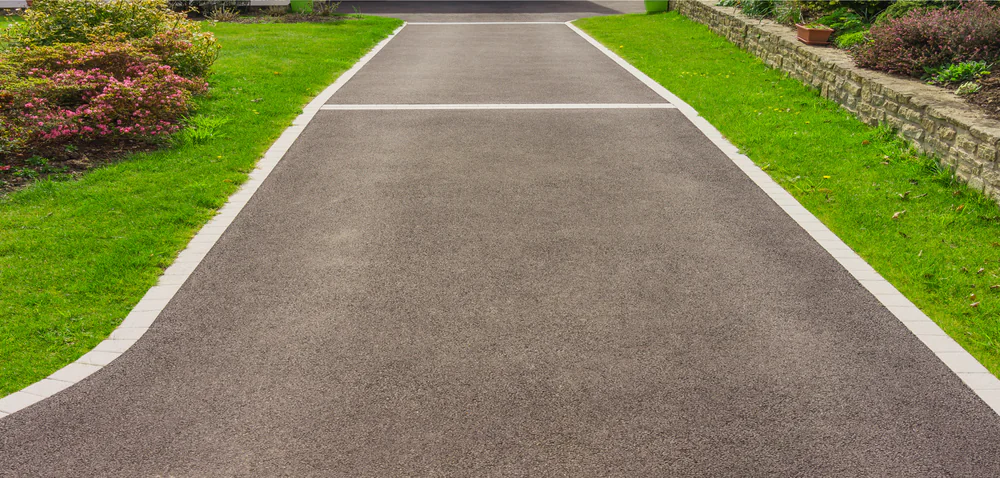
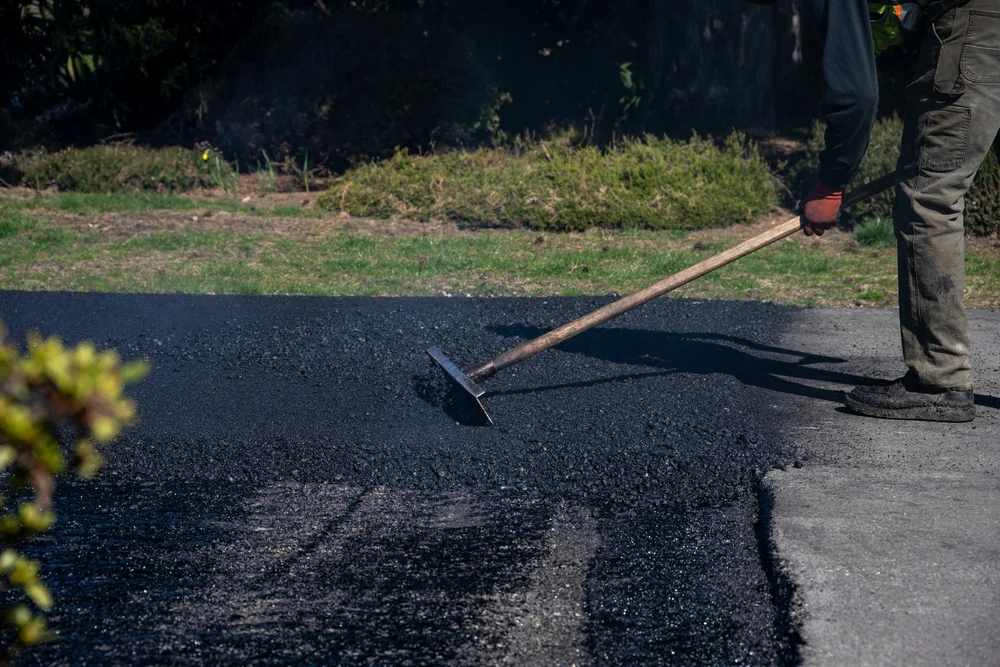
You need a driveway that won’t crack after the first winter or turn into a puddle every time it rains. That means proper base work, materials chosen for New Jersey’s freeze-thaw cycles, and contractors who understand how Franklin’s clay soil behaves.
When your driveway is installed correctly, you’re not calling for repairs every season. You’re not dealing with water pooling at the base of your garage. You’re not watching cracks spread wider each spring.
A properly installed asphalt driveway in Franklin should give you 15 to 25 years of reliable use. It should handle daily traffic, seasonal weather swings, and the occasional moving truck without falling apart. That’s what happens when the base is prepared right, the materials are quality, and the crew knows what they’re doing.
We bring generational knowledge to every driveway project in Franklin. Our roots in the paving industry date back to 1948, combining family tradition with current expertise.
What sets our approach apart is simple: one crew, one project at a time. Your driveway gets full attention from start to finish, whether it’s a residential installation or a complex commercial job. Our philosophy is straightforward—treat every client like the top client, find custom solutions for each property’s unique challenges, and maintain clear communication through every phase.
Our work speaks through five-star reviews on Angie’s List and repeat business from Franklin homeowners who value quality over shortcuts. Seniors, military members, and first-time customers receive specialized discounts as an added benefit.
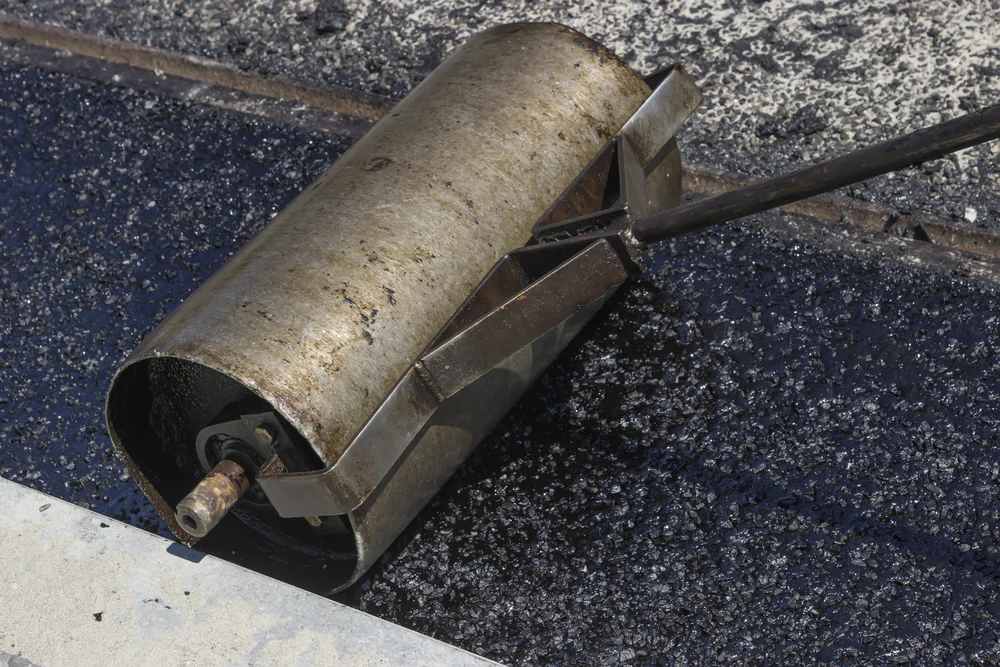
First comes the site evaluation. We assess your property’s drainage patterns, soil conditions, and existing surface. This determines how deep the excavation needs to go and whether drainage solutions are necessary before any asphalt gets laid.
Next is base preparation—the most critical step that many contractors rush or skip entirely. The existing surface is removed if needed, the area is excavated to proper depth, and a compacted stone base is installed. For Franklin’s clay soil, this step requires specific techniques to prevent future settling. Proper grading ensures water flows away from your home and garage rather than pooling on the driveway.
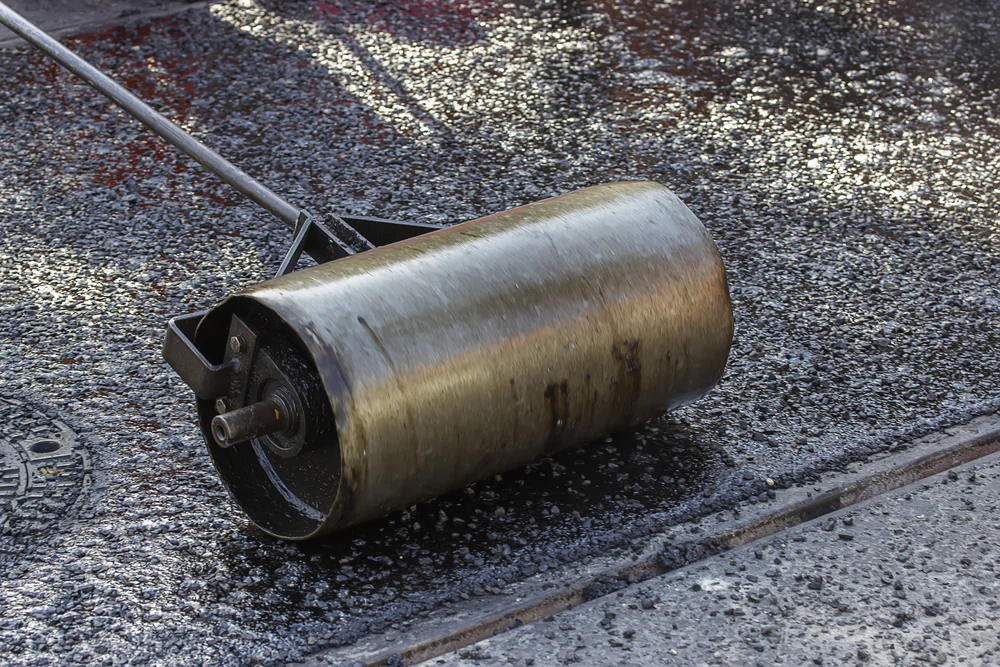
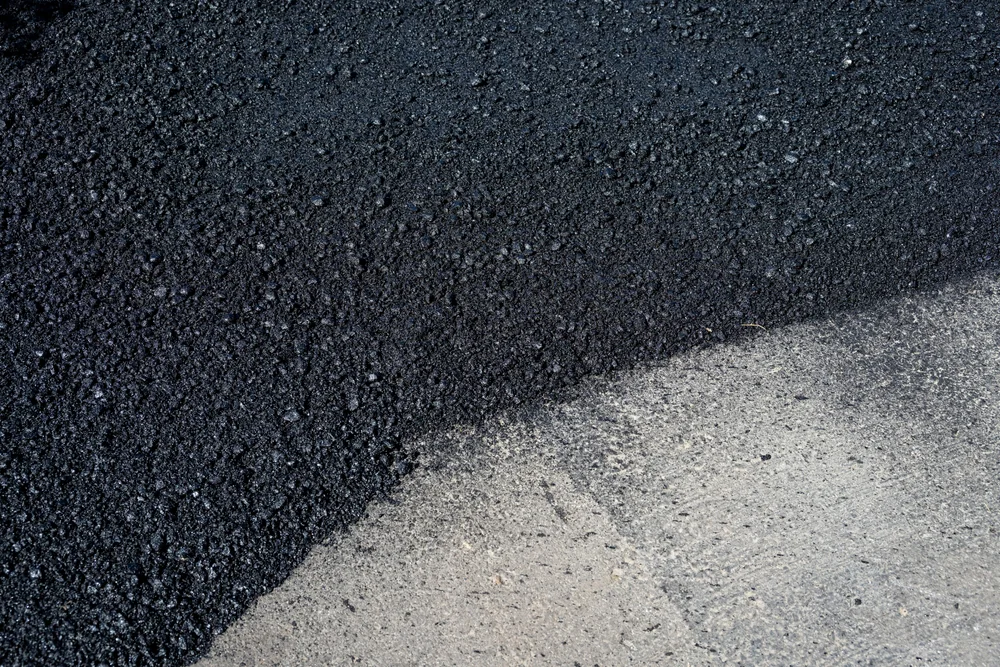
Then comes the asphalt installation. Hot-mix asphalt designed for New Jersey’s climate is laid at the correct thickness for your property’s use. The material is compacted properly while still hot to create a smooth, durable surface. Most residential driveways in Franklin are completed in one to two days, weather permitting.
After installation, you’ll receive clear guidance on curing times and maintenance. You can walk on the surface within hours, but waiting 24 to 48 hours before driving on it ensures proper setting. Heavy vehicles should stay off for a full week.
Ready to get started?
Every driveway paving project includes a thorough site assessment to identify drainage issues, soil challenges, and proper base depth requirements. Franklin properties often deal with clay soil conditions that require specific preparation techniques to prevent settling and premature failure.
The installation includes complete excavation of the existing surface when necessary, proper grading to direct water away from structures, and installation of a compacted stone base suited to local soil conditions. The asphalt itself is commercial-grade material designed to handle New Jersey’s harsh freeze-thaw cycles and temperature extremes that Franklin experiences throughout the year.
We address water management upfront rather than as an afterthought. Standing water is asphalt’s biggest enemy in this climate, so drainage solutions are built into the design from the start. This might include adjusting the grade, installing drainage systems, or addressing low spots that would collect water.
You also receive cleanup, debris removal, and detailed maintenance recommendations specific to Franklin’s weather patterns. This includes guidance on sealcoating schedules (typically every three to five years), proper winter care, and how to address minor issues before they become major repairs. The goal is maximizing your driveway’s lifespan through informed maintenance rather than reactive repairs.
Driveway paving costs in Franklin typically range from $3 to $7 per square foot for quality residential installation. A standard two-car driveway of about 600 square feet usually runs between $1,800 and $4,200, though your actual cost depends on several specific factors.
The biggest variables are excavation depth, current surface condition, and drainage requirements. If your existing driveway has major settling or poor drainage, more prep work is needed. Clay soil conditions common in Franklin sometimes require deeper excavation and additional base material. Accessibility for equipment also affects pricing—tight spaces or limited access can add complexity.
What you’re really paying for is proper base preparation, quality materials suited to New Jersey’s climate, and installation techniques that prevent premature failure. The lowest bid often means shortcuts on the base work or thinner asphalt application, which costs more in repairs within a few years. A detailed written estimate should break down all costs so you know exactly what you’re getting.
A properly installed asphalt driveway in Franklin should last 15 to 25 years with basic maintenance. The key factors are base preparation quality, asphalt thickness appropriate for your soil conditions, and regular sealcoating every three to five years.
Driveways that fail early almost always have inadequate base preparation or poor drainage. Franklin’s freeze-thaw cycles are particularly hard on pavement, so the base must be deep enough and properly compacted to handle seasonal ground movement. Clay soil requires specific approaches that many contractors skip to save time.
The asphalt itself should be three to four inches of compacted material over a properly prepared stone base. This thickness handles freeze-thaw cycles much better than thin applications over unstable surfaces. Sealcoating protects against UV damage and water infiltration, which are your pavement’s biggest threats in New Jersey’s climate. Address small cracks promptly before water penetrates and causes larger problems. Proper maintenance can often double your pavement’s useful life beyond the base 15 years.
Late spring through early fall is ideal for driveway paving in Franklin, with May through October being the prime season. Asphalt needs warm temperatures to properly compact and cure, making summer months optimal for installation.
The material must be laid and compacted while hot, and ambient temperatures affect how well it sets. Cold weather makes proper compaction difficult and can compromise the finished surface quality. Most contractors won’t pave when temperatures drop below 50 degrees, though emergency repairs are possible in cooler weather with special techniques.
Planning your project for late spring or summer gives you the best results and most flexible scheduling options. However, this is also the busiest season for paving contractors, so booking early helps secure your preferred timeframe. Fall paving is possible through October in most years, but weather becomes less predictable. Winter paving is challenging due to temperature requirements and should generally be avoided except for urgent repairs.
Yes, but not immediately. Your new asphalt driveway needs time to cure before the first sealcoating application. Wait at least six months to a year after installation before applying sealant, as the material needs to oxidize and harden properly first.
After that initial waiting period, sealcoating every three to five years protects your driveway against UV damage, water infiltration, and chemical exposure from oil or gasoline. Think of it as sunscreen for your asphalt—it creates a protective barrier against the elements that break down the binder holding the pavement together.
Franklin’s climate makes sealcoating especially important. The freeze-thaw cycles and temperature extremes accelerate pavement deterioration. Regular sealcoating can add years to your driveway’s life and significantly reduces long-term maintenance costs. The application should be done during warm, dry weather, typically between late spring and early fall. Keep traffic off the sealed surface for 24 to 48 hours while it cures.
Yes, asphalt can be installed over existing concrete in many cases, but the concrete’s condition determines whether it’s the right approach. The existing surface must be stable, relatively level, and free from major structural problems.
Before paving over concrete, we evaluate the stability of the base and the layout of expansion joints. If the concrete has significant cracking, settling, or movement, those problems will transfer through to the new asphalt surface. Expansion joints in the concrete can create weak points in the asphalt overlay, so their location and condition matter.
When the existing concrete is in good shape, paving over it can be more cost-effective than complete removal and replacement. The concrete provides a solid base, reducing excavation and material costs. However, this approach raises the surface height, which affects transitions to garages, sidewalks, and drainage patterns. A site evaluation identifies whether overlay installation makes sense for your specific property or if removal and fresh installation is the better long-term solution.
Start with keeping your driveway clean and addressing small cracks promptly before water penetrates and causes larger problems. Sweep away debris regularly and remove oil stains quickly, as petroleum products break down asphalt binder.
Sealcoat every three to five years to protect against UV damage and water infiltration. This is especially important in Franklin’s climate where freeze-thaw cycles accelerate deterioration. In winter, use calcium chloride ice melt rather than rock salt, which damages asphalt. Avoid parking heavy vehicles in the same spot repeatedly, and be careful with sharp objects like motorcycle kickstands that can puncture the surface.
The most critical maintenance factor is addressing drainage issues immediately. Standing water is asphalt’s biggest enemy in New Jersey’s climate. If you notice pooling after rain, get it fixed before water seeps into the base and causes frost heaving during winter. Small investments in maintenance—crack filling, sealcoating, drainage fixes—prevent major repairs later. Proper maintenance often doubles your pavement’s useful life from 15 years to 30 or more.
Other Services we provide in Franklin