
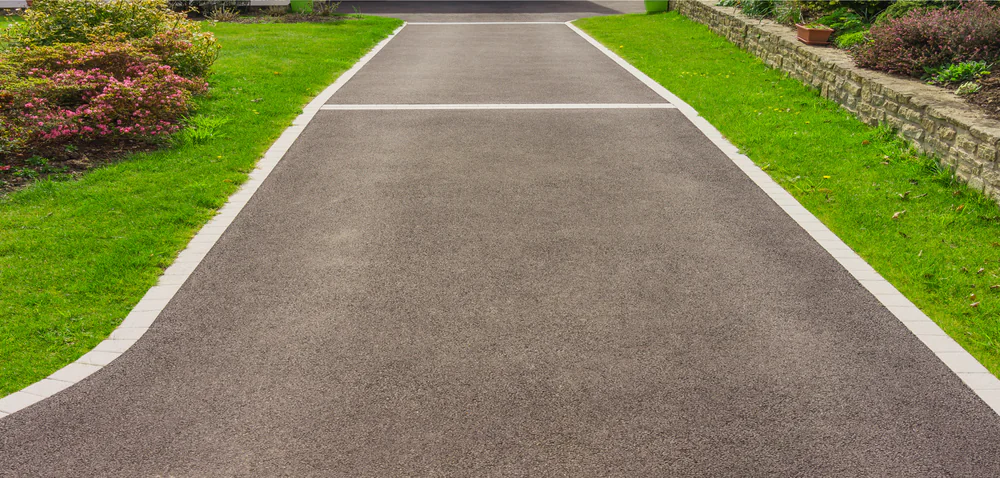
Your driveway becomes the smooth, durable surface you’ve been wanting. No more worrying about cracks developing in the first winter or water pooling after every storm.
You get a surface that handles New Jersey weather without breaking down. The kind that still looks good years from now and adds real value to your property when it’s time to sell.
Most importantly, you get peace of mind. When the job’s done right the first time, you’re not dealing with repair calls or wondering if you made the right choice.
We’ve been paving driveways in Holland and throughout New Jersey since 1948. That’s three generations of learning what works and what doesn’t in this climate.
We focus on one job at a time, so your project gets full attention whether it’s a small residential driveway or a large commercial lot. Our owner stays personally involved in every project to make sure the work meets the standards that built our reputation.
Local property owners choose us because they know the job will be done right. The five-star reviews on Angie’s List and repeat customers prove that this approach works.
First, we evaluate your property and discuss exactly what you need. No generic solutions—every driveway has unique requirements based on drainage, traffic patterns, and existing conditions.
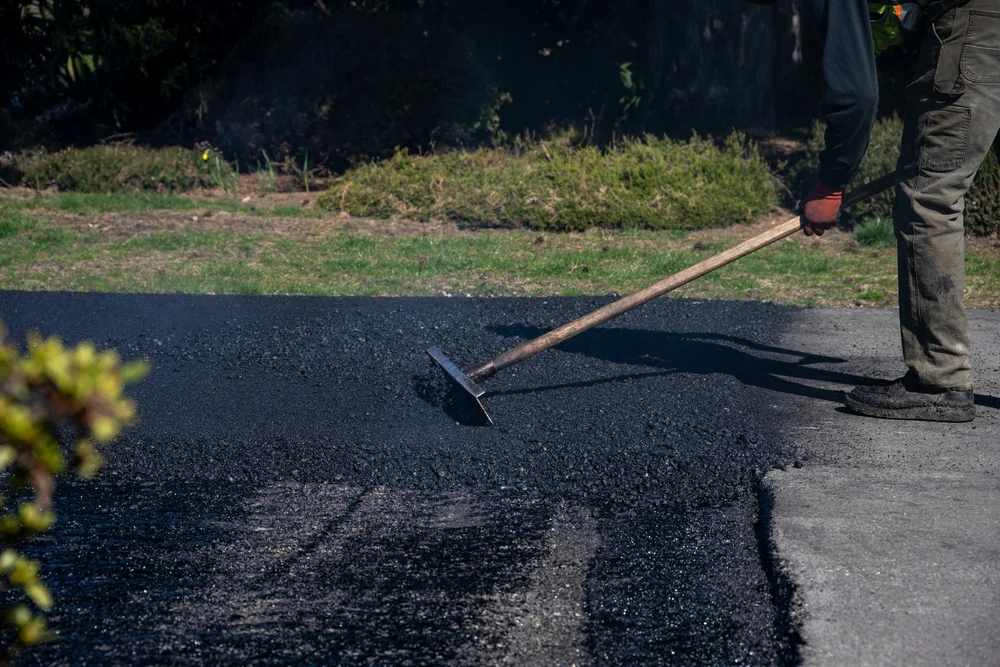
Next comes proper site preparation. This means excavating to the right depth, installing proper base materials, and ensuring water flows away from your foundation. Most paving problems start here, so we make sure this step gets done right.
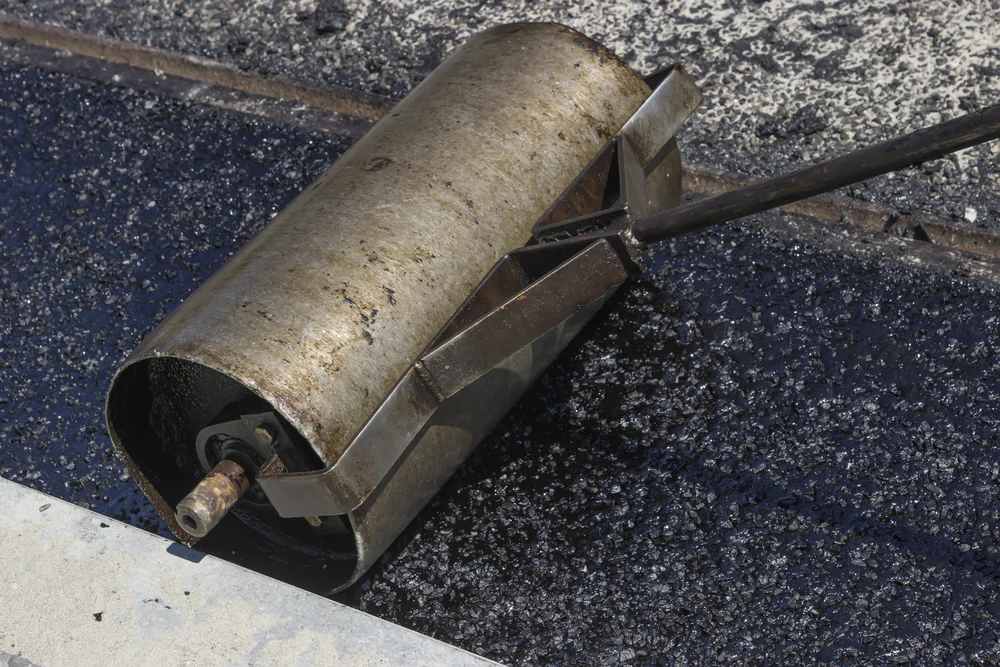
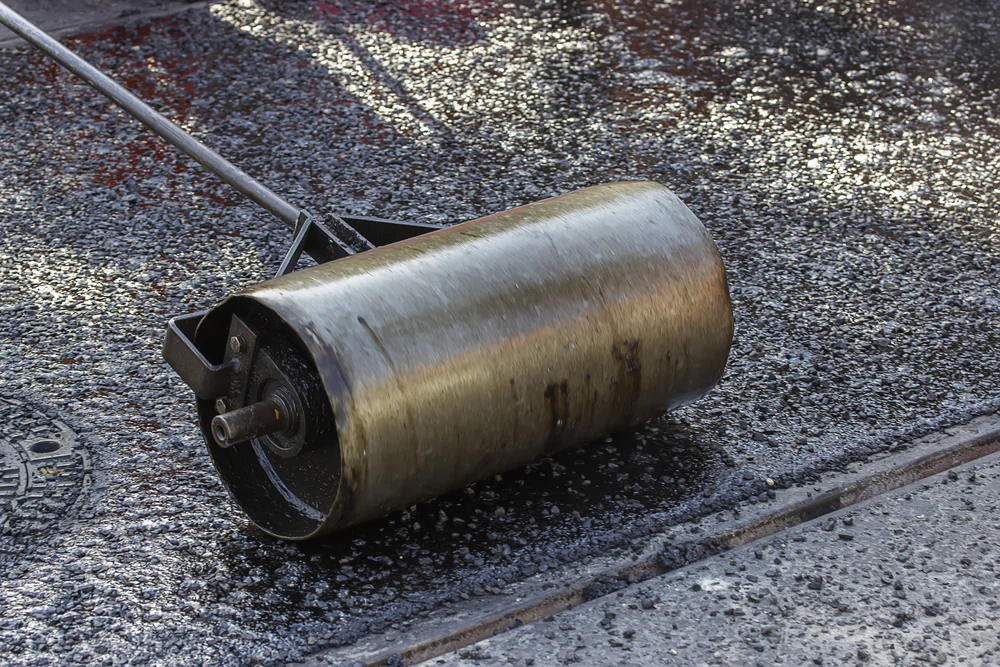
Then the asphalt gets installed using professional-grade equipment and techniques. We work efficiently but don’t rush—proper compaction and finishing make the difference between a driveway that lasts two decades versus one that needs repairs in two years.
Ready to get started?
Your driveway paving project includes complete site preparation, professional-grade materials, and proper installation techniques that work in New Jersey’s climate. We handle excavation, base preparation, asphalt installation, and final grading to ensure proper drainage.
Holland properties often deal with specific challenges like clay soil conditions and seasonal freeze-thaw cycles. We address these local factors in every installation, using techniques developed over decades of working in this area.
You also get transparent communication throughout the process. No surprises about timeline, no hidden costs, and clear explanations of what’s happening at each step. The goal is a smooth process that results in a driveway you’re happy with for years to come.
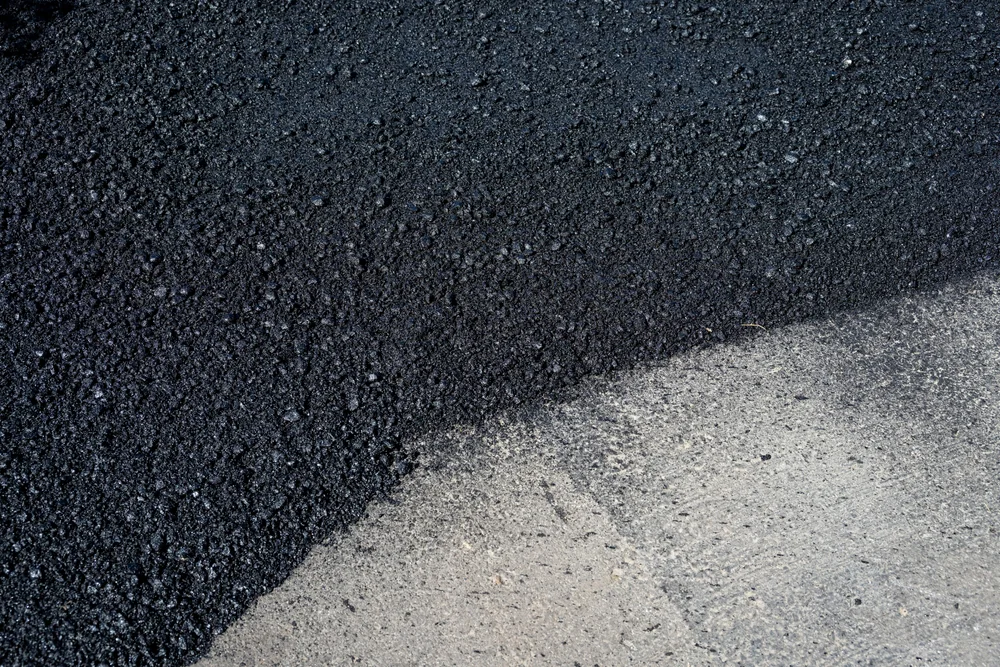
A properly installed asphalt driveway in Holland typically lasts 20-25 years with basic maintenance. The key factors are proper base preparation, quality materials, and installation techniques that account for New Jersey’s freeze-thaw cycles.
The lifespan depends heavily on the initial installation quality. Driveways installed with adequate base depth and proper drainage consistently outlast those where shortcuts were taken. Regular sealcoating every 3-5 years can extend the life even further.
Local climate factors like winter salt, temperature swings, and heavy spring rains all affect longevity. That’s why using a contractor familiar with Holland’s specific conditions makes a significant difference in how long your investment lasts.
Late spring through early fall provides the best conditions for asphalt paving in Holland. Temperatures need to stay consistently above 50 degrees for proper installation and curing.
Summer months offer the most flexibility for scheduling, but spring and fall installations work well too. The key is avoiding periods when overnight temperatures might drop below recommended levels or when extended rain is forecast.
Winter paving is generally not recommended in this climate. Cold weather affects how the asphalt compacts and cures, potentially compromising the long-term durability of your driveway. Planning ahead for spring installation usually gives you the best results.
Driveway paving costs in Holland typically range from $4-8 per square foot for standard asphalt installation. A typical residential driveway of 600 square feet generally runs between $2,400-4,800, depending on site conditions and specific requirements.
Factors affecting cost include excavation needs, base preparation requirements, drainage considerations, and access to the site. Properties requiring significant grading or dealing with poor soil conditions may cost more due to additional preparation work.
The investment pays off through increased property value, improved functionality, and avoiding the ongoing costs of maintaining a deteriorating driveway. Getting multiple quotes helps ensure you’re getting fair pricing for quality work.
Most driveway paving projects in Holland don’t require permits if you’re replacing an existing driveway within the same footprint. However, expanding the driveway or changing drainage patterns may require township approval.
If your project involves work near the street or affects municipal drainage systems, permits are typically required. The township planning office can clarify requirements for your specific situation.
We know local requirements and can advise whether permits are needed for your project. We can also handle the permit application process if required, ensuring all work meets local codes and standards.
Basic maintenance for your Holland driveway includes regular cleaning, prompt crack sealing, and periodic sealcoating every 3-5 years. These simple steps significantly extend your driveway’s lifespan.
Clean oil stains promptly and avoid using harsh chemicals or metal snow removal tools. During winter, use sand instead of excessive salt when possible, as too much salt can accelerate wear on the asphalt surface.
Watch for small cracks and have them sealed before they expand. Water infiltration through cracks causes the most damage, especially during freeze-thaw cycles common in New Jersey. Addressing minor issues early prevents major repairs later.
Asphalt performs better in Holland’s climate because it flexes with temperature changes rather than cracking like concrete. This flexibility helps it handle freeze-thaw cycles that are common in New Jersey winters.
Asphalt is also more cost-effective initially and easier to repair if damage does occur. Small cracks or areas can be patched seamlessly, while concrete repairs are often visible and require more extensive work.
The dark color of asphalt helps melt snow and ice faster than concrete, making winter maintenance easier. It also provides better traction in wet conditions, which is important for safety during New Jersey’s variable weather patterns.
Other Services we provide in Holland