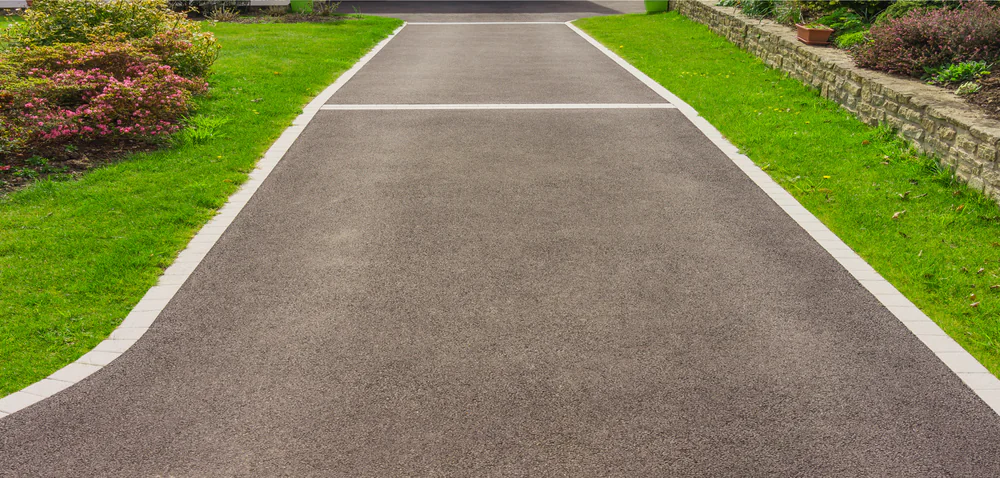
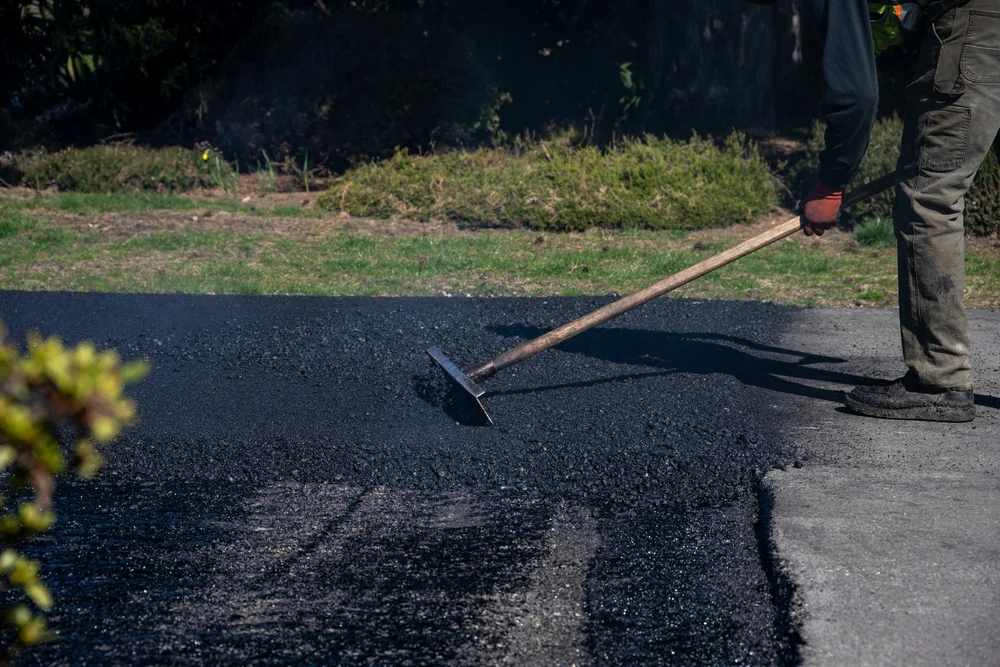
Your driveway stops being something you worry about. No more watching cracks spread wider every spring. No more puddles that turn into ice patches come winter.
A properly installed asphalt driveway gives you a smooth surface that drains correctly, holds up under traffic, and actually looks good from the street. You’re not calling someone back in two years to fix what should’ve been done right the first time. The base is solid. The grade sends water where it needs to go. The asphalt itself is thick enough and compacted properly to handle Pennsylvania weather.
That’s what happens when the crew doing your driveway paving in Hulmeville, PA knows what they’re doing and isn’t rushing off to three other jobs.
We’ve been doing this since 1948. That’s not just a number—it’s three generations of figuring out what works in Bucks County and what doesn’t.
We treat a residential driveway in Hulmeville the same way we treat a commercial parking lot. One crew, one project at a time, full attention on getting it right. No shortcuts because there’s another job waiting. You get straightforward answers about what your property needs, what it’ll cost, and how long it takes.
Hulmeville properties deal with the same freeze-thaw cycles that crack apart poorly installed asphalt all over Bucks County. We’ve been handling that challenge for decades—proper base prep, correct grading, materials that hold up. The kind of work that doesn’t need a redo in three years.
First, the old surface comes out if it’s damaged beyond repair. You can’t build something solid on a failing foundation, so if the base is compromised, it gets removed and replaced. Then comes grading—we shape the surface so water moves away from your foundation instead of pooling where it’ll freeze and cause problems.
The base layer goes in next. This is crushed stone compacted down hard, creating a stable foundation that won’t shift when the ground freezes and thaws. It’s also your frost barrier. Skip this or do it wrong, and your driveway cracks within a year or two.
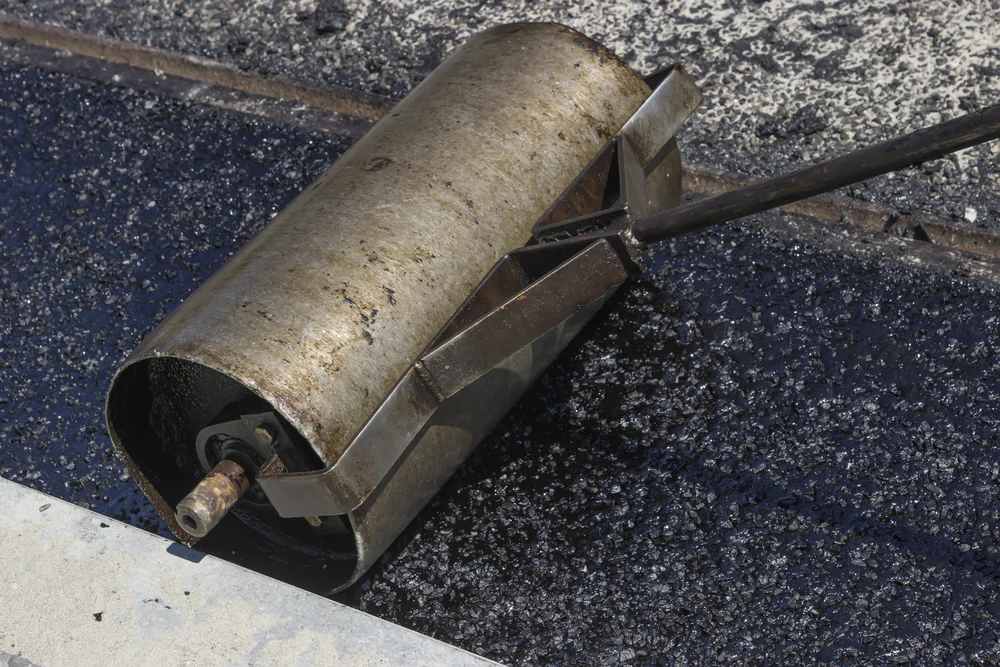
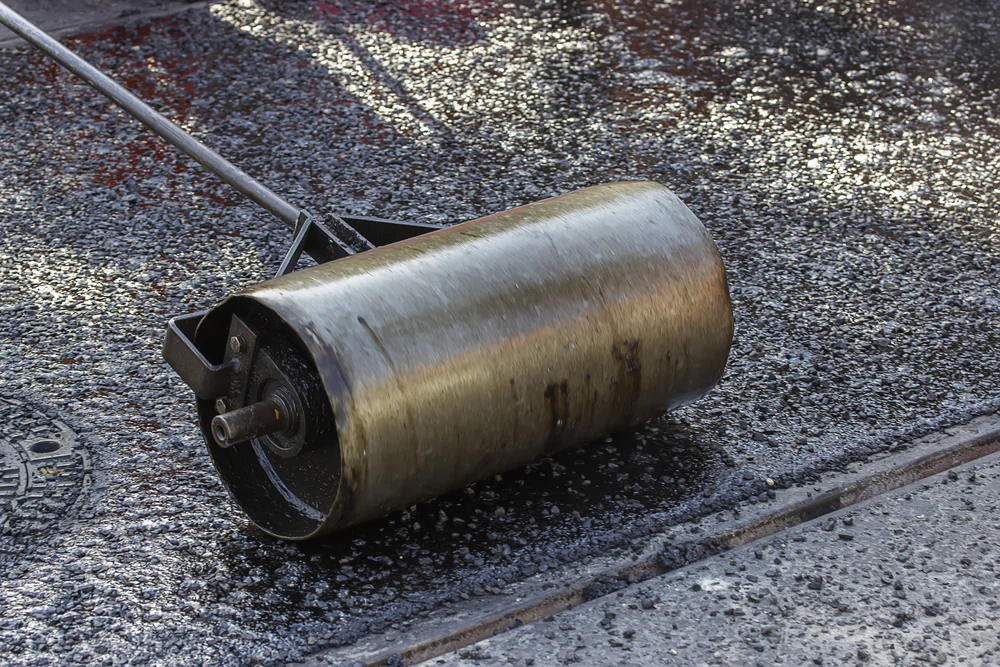
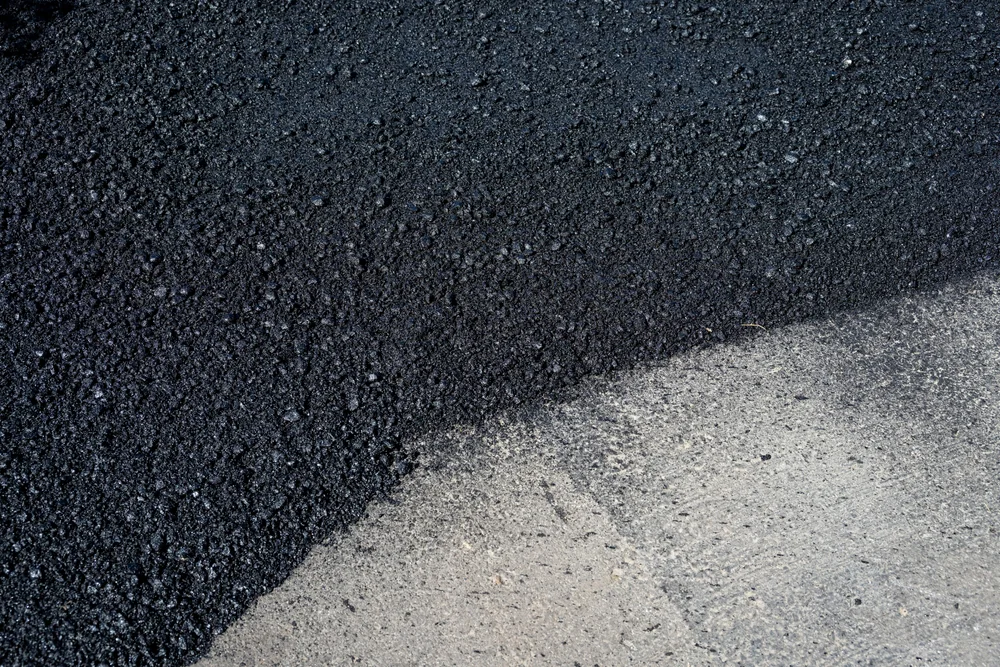
After the base is solid, a binder layer goes down—larger aggregate mixed with oil that adds structural strength. Then comes the surface asphalt, the smooth black layer you actually see and drive on. That gets compacted with heavy equipment to proper density. Finally, the edges get finished where your new asphalt meets existing surfaces, walkways, or landscaping. The whole thing needs to cure for a few days before you can drive on it normally, and about a month before it’s fully hardened.
Ready to get started?
You’re getting a crew that shows up when they say they will and stays until the job is done right. The work includes site evaluation to identify drainage issues or grade problems before anything gets paved. You get a clear explanation of what needs to happen and why—no jargon, no upselling stuff your property doesn’t need.
The installation itself covers everything from demolition and removal of old material to final compaction and cleanup. Proper base preparation, correct asphalt thickness for your specific use, and grading that prevents water problems down the road. In Hulmeville and throughout Bucks County, that means accounting for winter conditions that cause most asphalt failures.
You also get honest communication throughout the project. If something unexpected comes up—soft spots in the base, drainage issues that need addressing—you hear about it right away with options that make sense for your budget. We’ve been doing paving installation in this area long enough to know that treating customers right means they refer their neighbors. That’s been our approach since 1948, and it’s still how we operate today. Seniors, military members, and first-time customers also get specialized discounts because that’s just how we do business.
You’re looking at 15 to 30 years depending on how it’s installed and how you maintain it. The wide range comes down to quality of work and Pennsylvania’s freeze-thaw cycles.
A driveway installed with proper base depth, correct grading, and adequate asphalt thickness will push toward that 30-year mark. One rushed through with a thin base or poor drainage might start failing at 10 years. Bucks County winters are tough on asphalt—water seeps into small cracks, freezes, expands, and turns minor damage into major problems.
Maintenance matters too. Sealcoating every 3-5 years protects the surface from UV damage and water infiltration. Filling cracks when they’re still small prevents them from spreading. Most driveways that fail early do so because of installation shortcuts or neglected maintenance, not because asphalt itself doesn’t last.
Late spring through early fall gives you the best conditions. You need temperatures consistently above 50°F for proper asphalt installation, and ideally you’re looking at 70-degree weather for optimal results.
Asphalt gets laid down hot and needs to stay hot long enough to be compacted properly. If it’s too cold outside, the material cools too fast and you can’t achieve proper density. That leads to premature cracking and surface failure. Pennsylvania weather makes spring and summer the prime window, with early fall still workable if temperatures cooperate.
Some contractors offer lower pricing in late fall or early winter when demand drops, but you’re gambling on weather. A warm November day might work fine. A cold snap during installation ruins the job. We schedule most residential work in Hulmeville and Bucks County between May and September to avoid weather-related problems entirely.
Most residential asphalt driveways in the Bucks County area run between $5 and $12 per square foot, depending on site conditions and project complexity. A standard two-car driveway of about 400-600 square feet typically costs $2,500 to $6,000.
That price includes demolition of old material if needed, proper base preparation, grading for drainage, and installation of new asphalt at appropriate thickness. Properties with drainage problems, steep grades, or poor soil conditions cost more because they require extra base work or specialized solutions. Simple, flat driveways with good existing conditions come in at the lower end.
Be cautious of quotes that seem too cheap—they usually mean shortcuts on base depth, thinner asphalt, or rushed work that fails within a few years. The base layer is your foundation, and skimping there to save money upfront costs way more when you’re repaving again in five years. Get specific details about what’s included: base thickness, asphalt depth, grading work, and any drainage improvements. That’s how you compare quotes accurately instead of just picking the lowest number.
Water is your main enemy. It seeps into tiny cracks, freezes when temperatures drop, expands, and breaks the asphalt apart from the inside. Pennsylvania’s freeze-thaw cycles repeat this process all winter long, which is why you see so many damaged driveways every spring in Hulmeville and throughout Bucks County.
Poor base preparation causes most cracking problems. If the foundation isn’t thick enough, properly compacted, or graded correctly, the asphalt on top flexes and cracks under load. Heavy vehicles, tree roots, and soil settling also contribute, but inadequate base work is usually the root cause. Thin asphalt—less than 2 inches for residential driveways—cracks faster because it doesn’t have enough structural strength.
Prevention starts with proper installation: adequate base depth (usually 6-8 inches of compacted crushed stone), correct asphalt thickness (2-3 inches minimum for residential), and grading that moves water away from the surface. After installation, sealcoating every 3-5 years protects against water infiltration and UV damage. Fill small cracks immediately before they spread. Those simple maintenance steps extend your driveway’s life significantly and prevent minor issues from becoming expensive repairs.
Start with their track record. How long have they been working in Bucks County? Do they have verifiable reviews from local customers on platforms like Angie’s List or Google? Companies that have been around for decades and have consistent five-star feedback aren’t cutting corners—they can’t afford to with their reputation on the line.
Ask specific questions about their process: What base depth do they use? How do they handle drainage? What thickness of asphalt do they install for residential driveways? A quality contractor explains this stuff clearly and doesn’t dodge details. Red flags include vague answers, pressure to decide immediately, or quotes significantly lower than everyone else without explanation of why.
Check that they’re licensed and insured—that’s basic protection for your property. Ask if they work on multiple jobs simultaneously or focus on one project at a time. Crews splitting attention between three jobsites rush work and miss details. Find out what happens if unexpected issues come up during excavation, like soft spots in the base or drainage problems. You want someone who communicates clearly and offers solutions, not someone who disappears when problems arise or hits you with surprise charges after work starts.
It depends entirely on the condition of what’s already there. If your existing driveway has minor surface cracks but the base underneath is still solid and stable, an overlay can work—that’s installing new asphalt on top of the old surface. It’s faster and costs less than full removal and replacement.
But if you’ve got alligator cracking (interconnected cracks that look like reptile skin), multiple potholes, significant settling, or drainage problems, the base has failed. Paving over that just covers up problems temporarily. Within a year or two, those underlying issues telegraph through the new asphalt and you’re back to square one—except now you’ve wasted money on a bandaid solution.
We evaluate your existing driveway honestly and tell you which approach makes sense. Sometimes half the driveway needs full replacement while the other half can be overlaid. Properties with poor drainage need that fixed before any new asphalt goes down, or you’re just setting yourself up for the same problems again. The right answer depends on your specific situation, and anyone who gives you a quote without actually looking at the property isn’t someone you want doing the work.
Other Services we provide in Hulmeville