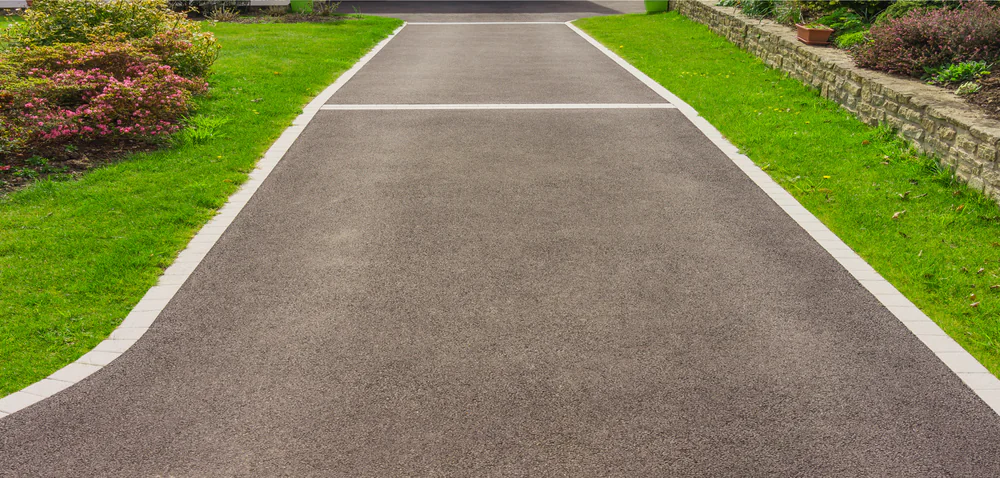
You pull into a smooth driveway that drains properly. No standing water after a storm. No ice patches forming in the same spot every winter. No cracks spiderwebbing across the surface six months later because someone skimped on the base.
Your driveway looks clean, holds up to Pennsylvania winters, and doesn’t embarrass you when guests pull up. It adds to your home’s curb appeal instead of detracting from it. More importantly, it works—water flows where it should, the surface stays level, and you’re not calling someone back to fix problems that shouldn’t exist.
That’s what happens when the installation is done correctly from the start. Proper grading. A stable sub-base. The right asphalt thickness. Attention to the details that matter but that most people never see until something goes wrong.
We’ve been doing this since 1948. That’s not a typo—family roots in the paving industry going back over 75 years. The kind of experience that means we’ve dealt with every soil condition, drainage challenge, and weather complication Lower Makefield can throw at a project.
Here’s what sets us apart: we work on one job at a time. Your driveway gets our crew’s full attention. Not split focus between three other sites. Not rushing to get to the next appointment. We show up, do the work right, communicate clearly, and treat your property with the same care we’d want for our own.
Lower Makefield homeowners deal with freeze-thaw cycles, varied soil conditions, and properties that range from newer construction to historic homes. We understand these local nuances because we’ve been serving Bucks County for generations. Five-star reviews on Angie’s List back up what our work already proves.
First, we remove your old driveway if you have one—asphalt, concrete, whatever’s there. Heavy equipment breaks it up and hauls it away. Clean slate.
Next comes the most important part that most contractors rush through: the sub-base. This is the foundation everything else sits on. We grade it properly so water drains away from your house and garage. We compact it so it won’t settle and create low spots. We address soft areas before they become problems. This step determines whether your driveway lasts 5 years or 25.
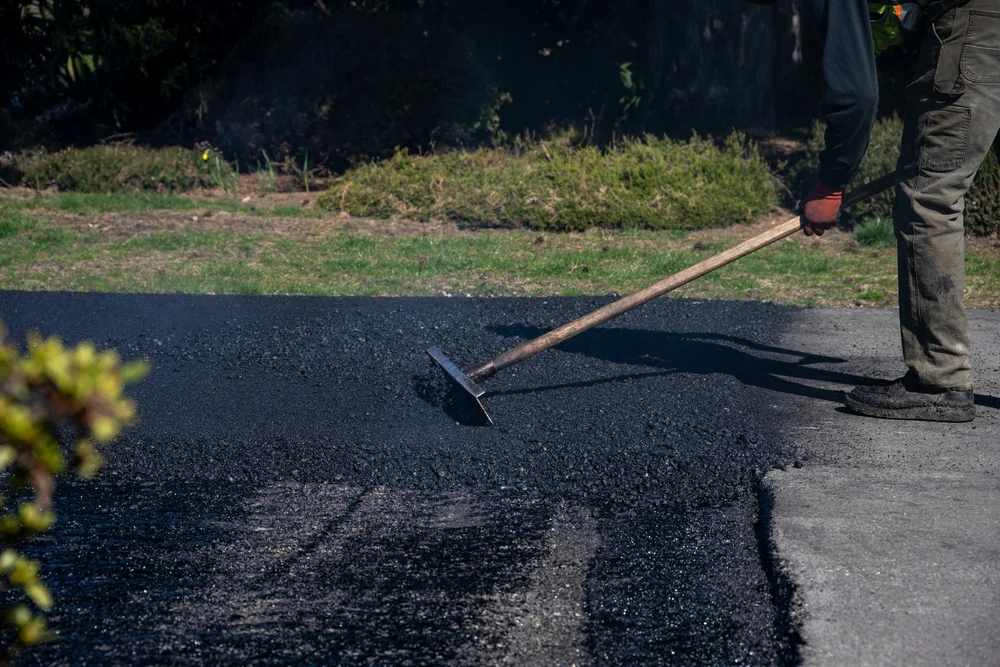
Then we lay the asphalt—the right thickness, not a thin layer that saves money but costs you later. Hot mix asphalt goes down at around 300 degrees and needs to be worked efficiently to prevent seams and weak spots. A proper crew with the right equipment handles this smoothly.
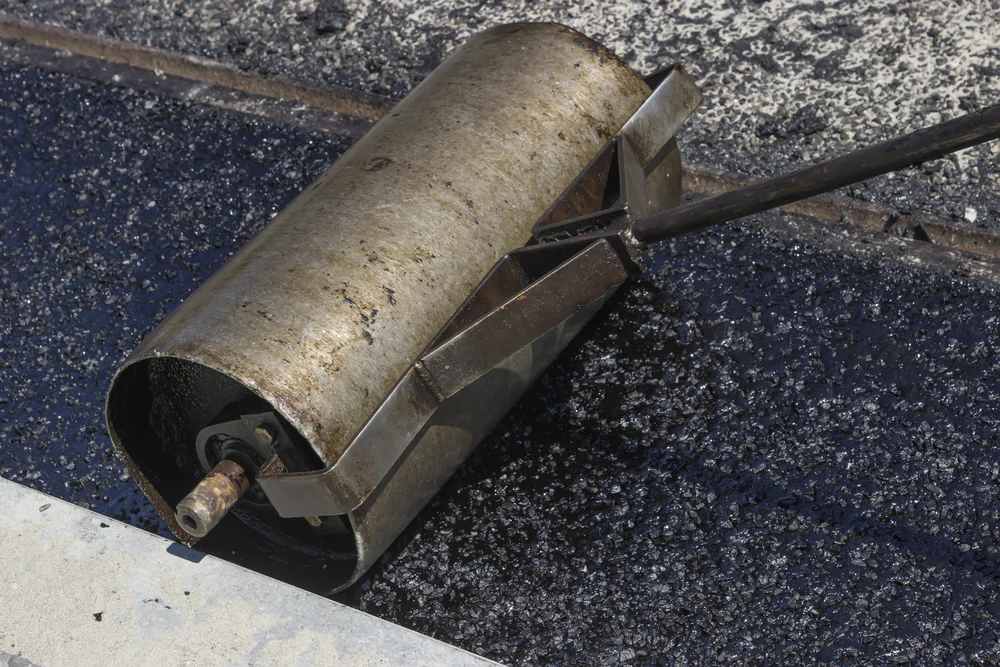
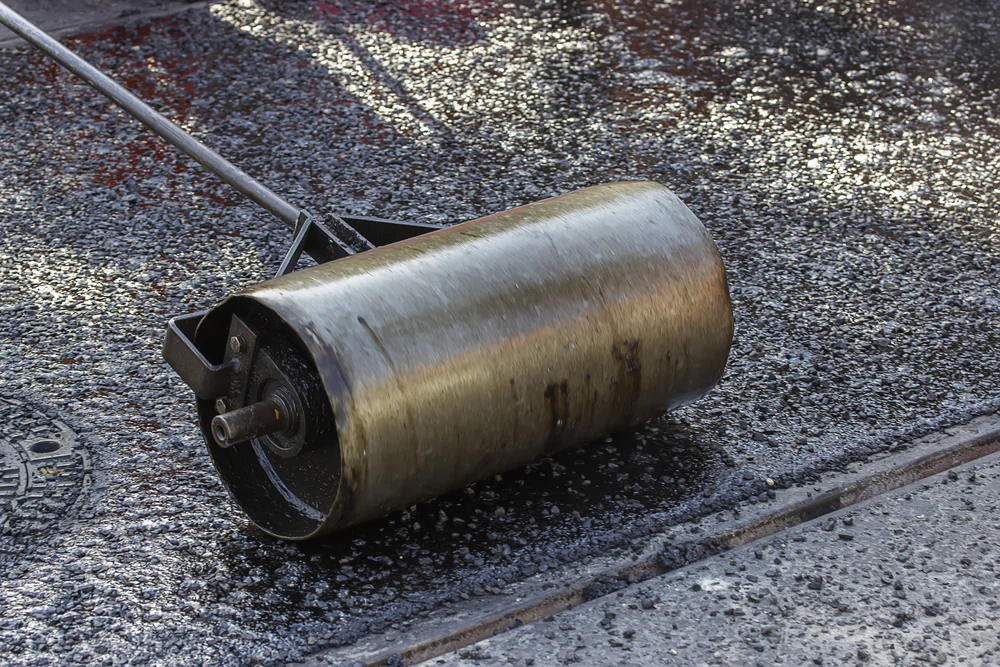
Finally, we compact and smooth everything with a roller. We make sure transitions to existing surfaces are seamless. We check drainage one more time. Then we let you know exactly when you can use it and what to expect during the curing period.
The whole process typically takes at least two days for a residential driveway—one for base prep, one for asphalt installation. Anyone promising to do it faster is probably cutting corners you’ll pay for later.
Ready to get started?
A proper driveway paving job in Lower Makefield addresses drainage first. Water is the enemy—it pools, freezes, expands, cracks your asphalt, and can even damage your foundation. We grade your driveway with a slight slope away from your home, directing water to appropriate runoff areas. This isn’t optional. It’s essential.
You get a stable sub-base—typically 4 to 8 inches of compacted aggregate depending on your soil conditions. Clay soils common in parts of Bucks County need more support than sandy soils. We assess your specific property and build the base accordingly.
The asphalt itself is 2 to 3 inches thick after compaction. Not the thin layer some contractors use to underbid competitors. Proper thickness means your driveway can handle daily vehicle traffic, temperature swings, and Pennsylvania winters without premature cracking.
Lower Makefield properties often have mature trees, existing landscaping, and established drainage patterns. We work around these elements, not through them. We protect your property, communicate about any complications, and find solutions that work for your specific situation. We also handle transitions to existing driveways or streets so you don’t feel a bump every time you pull in.
Costs typically range from $3 to $5 per square foot for a complete installation in the Lower Makefield area, but that number means nothing without context. Your actual cost depends on your driveway’s size, the condition of the existing base, drainage requirements, and how much prep work is needed.
A 600-square-foot driveway might run $1,800 to $3,000 for basic installation. Larger driveways, complicated drainage situations, or properties requiring significant base work will cost more. If someone quotes you substantially less than these ranges, ask what they’re cutting—because they’re cutting something.
The cheapest bid often becomes the most expensive driveway. Thin asphalt cracks early. Poor drainage causes water damage. Inadequate base preparation leads to buckling and settling. You end up paying twice—once for the bad job, once for the fix. We provide transparent pricing based on doing the work properly, not winning a race to the bottom.
A properly installed asphalt driveway in Pennsylvania should last 15 to 20 years with minimal maintenance, and up to 30 years if you seal it every few years and address small cracks promptly. The key phrase is “properly installed.”
Pennsylvania’s freeze-thaw cycles are tough on asphalt. Water gets into cracks, freezes, expands, and makes those cracks bigger. This is why proper drainage and a stable base matter so much. If water doesn’t pool on your driveway and the base doesn’t shift, you avoid most of the common problems.
Driveways that crack within the first year almost always have installation problems—thin asphalt, poor base preparation, or drainage issues. If you see widespread cracking before year five, something was done wrong. A quality installation from an experienced contractor shouldn’t show significant wear until at least a decade in, and even then, it’s usually just surface-level issues that are easy to address.
Spring through early fall is ideal for asphalt paving in Lower Makefield. Asphalt needs to be laid at around 300 degrees Fahrenheit and requires warm ambient temperatures to cure properly. Cold weather causes irregularities, and you obviously can’t work around snow and ice.
Late spring and summer offer the most consistent conditions. The ground is dry, temperatures are warm, and you have time for the asphalt to cure before winter arrives. Early fall works too, as long as you’re not cutting it close to the first freeze.
Avoid winter installations completely. Some contractors will try to squeeze in jobs during warm spells, but it’s risky. The asphalt might go down fine, but if temperatures drop during curing, you can end up with problems. Also avoid scheduling right after heavy rains—you need the ground to be dry and stable before base preparation begins. A reputable contractor will tell you when conditions aren’t right, even if it means delaying your project.
Start with their reputation. Check reviews on platforms like Angie’s List, not just their website testimonials. Ask neighbors who’ve had work done recently. Drive by completed projects if possible. Quality work is visible—smooth surfaces, proper drainage, clean edges.
Ask specific questions about their process. How thick will the asphalt be after compaction? How deep is the base? How do they handle drainage? A good contractor explains these details clearly. A bad one gets vague or rushes past them. Red flags include contractors who go door-to-door offering deals on “leftover asphalt,” anyone who won’t provide a written contract with specifics, and bids that are dramatically lower than others without clear explanation.
Experience matters, especially in Pennsylvania. Freeze-thaw cycles, varied soil conditions, and seasonal weather require knowledge that only comes from years of local work. Our roots go back to 1948—that’s not just experience, that’s institutional knowledge. We’ve seen every scenario and know how to handle it. We’re also transparent about our process, focused on one job at a time, and willing to have detailed conversations about your specific property.
Yes, probably—and that’s completely normal. New asphalt is soft for the first few weeks, especially in warm weather. When you turn your steering wheel while stationary or drive on it during hot days, you might see scuff marks or slight impressions. This doesn’t mean the work was done incorrectly.
As the asphalt cures and hardens over the following weeks and months, it becomes more resistant to these marks. They’ll fade and eventually stop appearing altogether. You can minimize them by avoiding sharp turns while parked and by lightly spraying the driveway with water during very hot days to cool the surface.
What’s not normal: deep ruts, significant cracking within the first year, areas where the asphalt feels thin or uneven, or persistent soft spots that don’t firm up after curing. Those indicate installation problems. Surface scuff marks are cosmetic and temporary. Structural issues are serious and shouldn’t happen with proper installation. If you’re concerned about what you’re seeing, we’ll come look and explain what’s normal versus what’s a problem.
Drainage isn’t a separate add-on—it’s a fundamental part of proper driveway installation. Water management determines whether your driveway lasts decades or develops problems within a few years. We assess drainage during the initial evaluation and build the solution into the installation process.
This means grading the base with the right slope so water flows away from your house and garage. It means identifying where water should go—toward the street, into existing drainage systems, or away from problem areas. Sometimes it requires more extensive solutions like installing drains in low spots or adjusting grades more significantly.
Lower Makefield properties have varying topography and soil conditions. Some areas naturally drain well. Others hold water. We evaluate your specific situation and address it properly. Standing water on your driveway isn’t just annoying—it creates ice patches in winter, seeps into cracks, and can even affect your foundation. Getting drainage right from the start prevents all of that.
Other Services we provide in Lowermakefield