
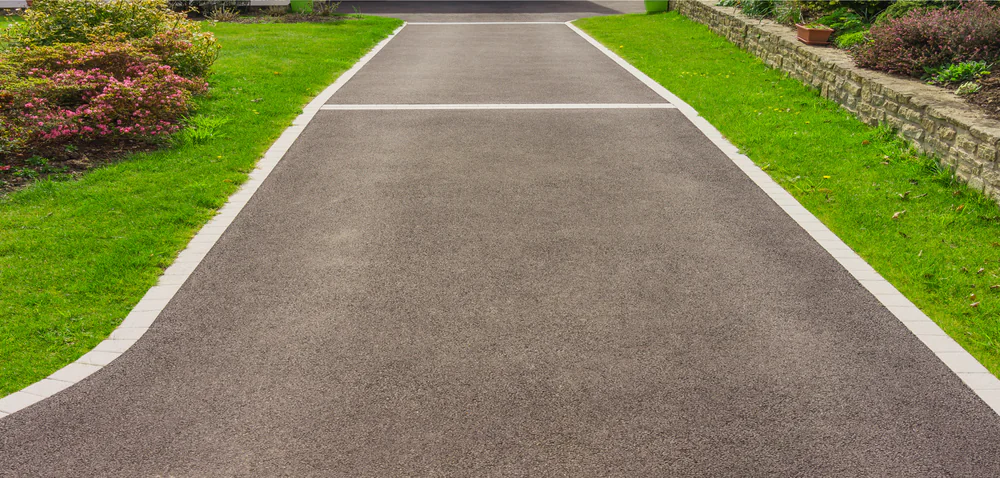
You’re not looking for the cheapest option. You’re looking for the one that won’t crack, pool water, or develop potholes in two years.
That’s where most paving jobs fail—rushed base prep, thin asphalt, poor drainage. You end up with a driveway that looks fine for six months, then starts falling apart. Now you’re dealing with repair costs, contractor runaround, and the same problem all over again.
Here’s what changes that: proper excavation depth, 4-6 inches of compacted gravel base, and 2.5+ inches of asphalt—not the 1-2 inches some contractors use to save money. Add correct grading for water runoff, and you’ve got a surface that handles Pennsylvania winters without crumbling. That’s the difference between a driveway that lasts three years and one that lasts ten or more.
We’ve been handling residential and commercial paving in Lower Southampton and throughout Bucks County since 1948. That’s decades of hands-on experience with Pennsylvania soil conditions, freeze-thaw cycles, and drainage challenges specific to this area.
Our approach is straightforward: one crew focuses on your project from start to finish. No juggling multiple jobs. No rushing to the next site before yours is done right. Whether it’s a residential driveway or a commercial parking lot, every property gets custom solutions based on its specific grading and water management needs.
Five-star reviews on Angie’s List back up the work. So does the fact that we treat every client the same—your budget doesn’t determine the quality of the job. Lower Southampton homeowners deal with aging driveways from the 60s, 70s, and 80s that need proper replacement, not quick patches. That requires honest assessment and transparent communication, not sales pressure.
First, the existing surface gets removed if you’re replacing an old driveway. That means excavating down to stable soil—not just paving over problems.
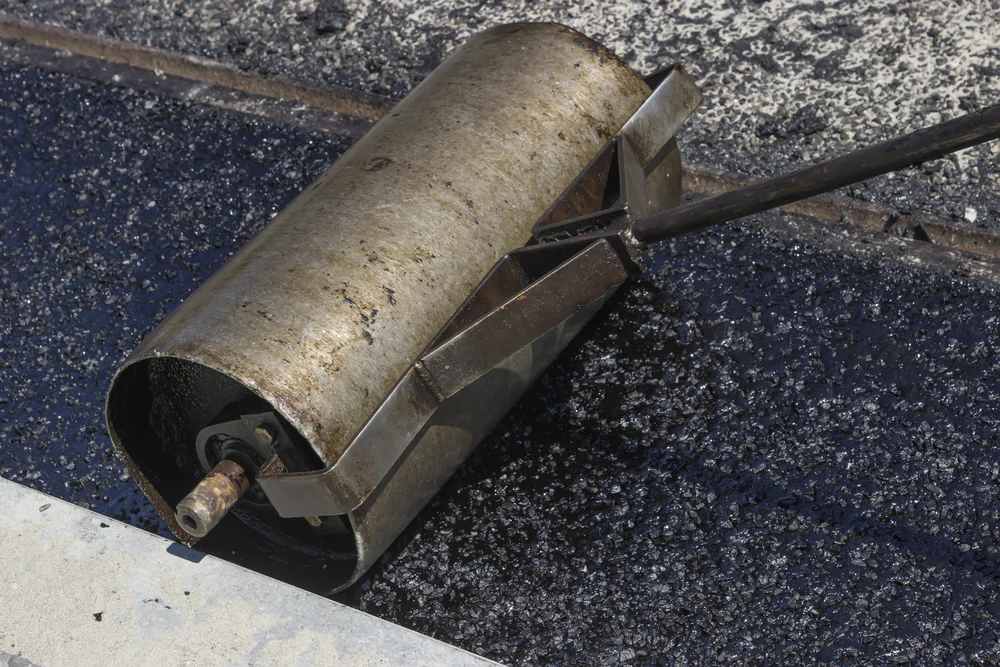
Next comes base preparation, which determines whether your driveway lasts three years or fifteen. A 4-6 inch layer of gravel gets spread and compacted properly. This isn’t optional. Poor base work is the number one reason driveways fail early. The base needs time to settle and compact fully, which is why rushing this phase causes problems later.
Grading happens during base prep. Water needs somewhere to go—ideally away from your foundation. The surface gets sloped at 1-2% (about a quarter inch per foot) to prevent pooling. Properties with drainage challenges might need additional solutions, which get identified and addressed before paving starts.
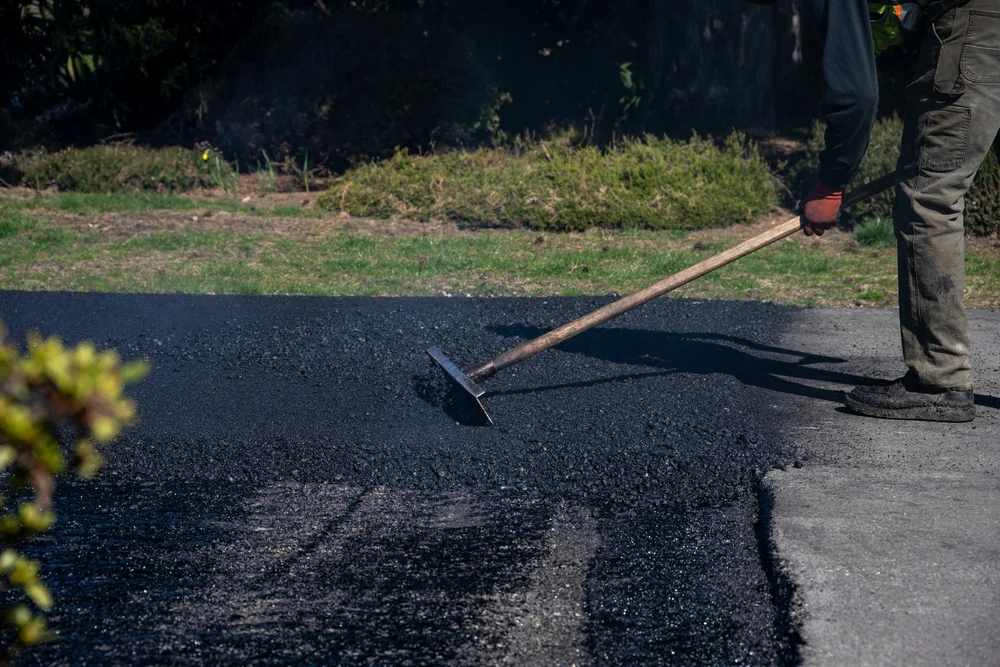
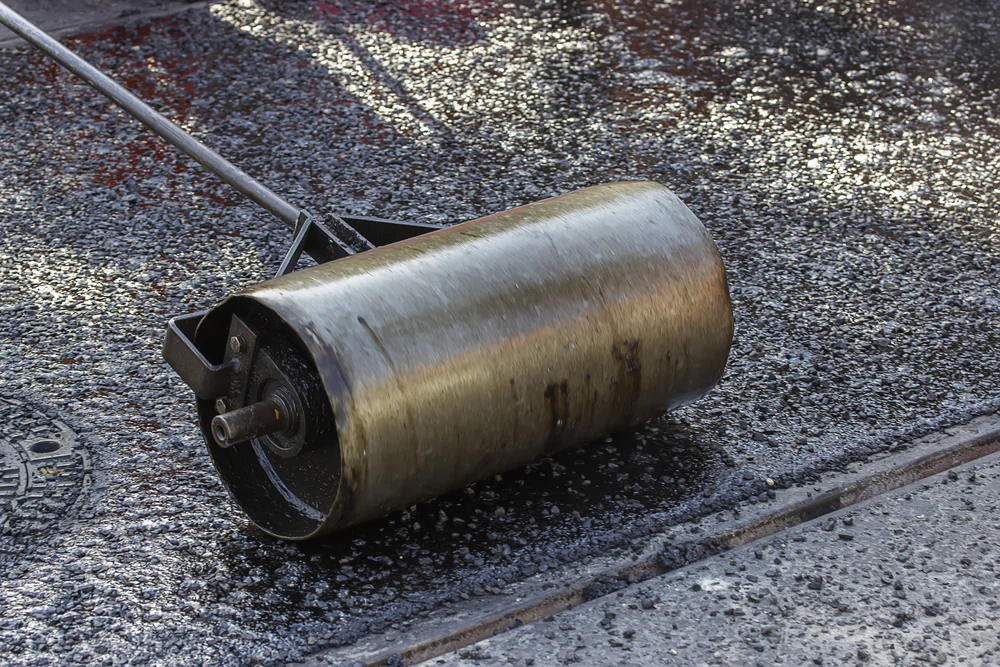
Then comes the asphalt layer—2.5+ inches of it, applied in lifts and compacted with proper equipment. This thickness matters. Thin asphalt cracks under weight and weather stress. Once paving is complete, the surface needs 24 hours minimum before you drive on it. Full curing takes longer, but you’ll get specific guidance based on weather conditions.
Our crew stays on your property until the job is finished correctly. No half-done work sitting for days or weeks. One project at a time means your driveway gets completed on schedule without delays from other jobs.
Ready to get started?
Driveway paving in Lower Southampton isn’t just about laying asphalt. It’s about solving the specific problems that come with Bucks County properties—clay soil that shifts, drainage issues from older grading, and winter weather that destroys shortcuts.
Your project includes proper site assessment before work starts. That means identifying drainage problems, soil stability issues, and any grading corrections needed. Some properties need French drains or catch basins to handle water runoff. Others need regrading to prevent water from flowing toward foundations or pooling in low spots.
The base layer gets built to handle Pennsylvania freeze-thaw cycles. When water seeps into poorly compacted bases, it freezes, expands, and cracks your asphalt from underneath. Proper compaction and adequate thickness prevent this—which is why site prep takes time and can’t be rushed.
You also get transparent communication throughout the process. That means realistic timelines, clear explanations of what’s happening and why, and honest answers about what your property needs versus what’s optional. If your driveway only needs resurfacing instead of full replacement, you’ll hear that—even though replacement costs more.
Lower Southampton homeowners also benefit from specialized discounts for seniors, military members, and first-time customers. The goal is long-term relationships built on quality work and fair treatment, not one-time transactions that maximize profit at your expense.
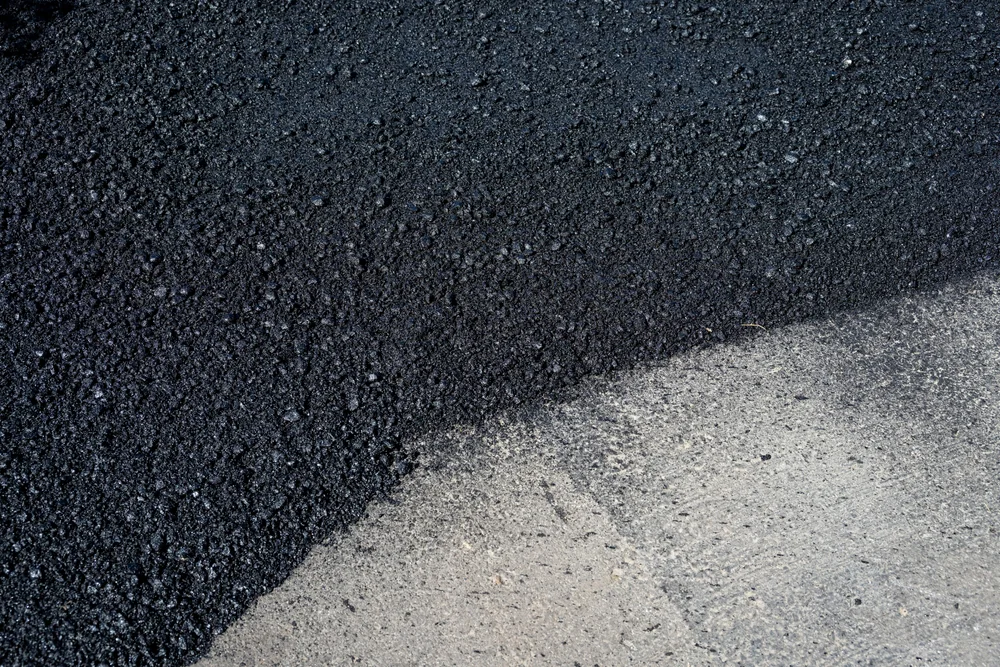
A well-installed asphalt driveway should last 8-10 years before needing resurfacing, and significantly longer with proper maintenance. That timeline assumes correct installation—adequate base preparation, proper asphalt thickness, and good drainage.
If you’re seeing cracks within the first year or potholes before year five, that’s a sign of installation problems. Usually it’s inadequate base compaction, insufficient asphalt thickness, or poor drainage allowing water infiltration. Pennsylvania’s freeze-thaw cycles accelerate any installation shortcuts, which is why proper base work matters so much here.
Maintenance extends that lifespan considerably. Sealcoating within six months of installation and every 2-3 years after protects against UV damage and water penetration. Addressing small cracks promptly prevents them from expanding into larger problems. With good maintenance, you can get 15+ years from a properly installed driveway.
An overlay means adding a new layer of asphalt (typically 1.5-2 inches) over your existing driveway. It works when the current surface has minor cracking or wear but the base underneath is still solid. Overlays cost less and take less time than full replacement.
Full replacement involves removing the old asphalt, addressing any base issues, and building a new driveway from the ground up. You need this when the base has failed, when there’s significant cracking or settling, or when drainage problems exist that can’t be fixed with just new surface asphalt.
Here’s how to know which you need: if water pools on your driveway, if you have large cracks or potholes, or if sections have sunk or heaved, you probably need full replacement. Surface cracks and fading without structural issues can usually be handled with an overlay. We’ll assess your specific situation and recommend the option that actually solves your problem—not just the one that costs more.
Price differences usually come down to three factors: asphalt thickness, base preparation quality, and drainage solutions needed for your specific property.
Asphalt thickness matters significantly. Some contractors use 1-2 inches to keep costs down. That might look fine initially but won’t hold up under Pennsylvania winters and daily use. Proper residential paving uses 2.5-3 inches of compacted asphalt, which costs more in materials but lasts dramatically longer.
Base preparation varies widely between contractors. Proper excavation, adequate gravel base thickness, and thorough compaction take time and materials. Contractors who rush this phase or skimp on base depth can offer lower prices—but you’ll pay for it in premature failure and repair costs.
Your property’s specific challenges also affect cost. Poor drainage requires additional work like regrading, French drains, or catch basins. Difficult access, significant elevation changes, or soil stability issues add complexity. We properly assess these factors upfront to give you accurate pricing, even if it’s higher than a competitor who’s overlooking problems that will cause issues later.
Wait at least 24 hours before driving on fresh asphalt, and longer is better if temperatures are high. Asphalt needs time to cool and cure properly—driving on it too soon can leave tire marks and create surface damage.
Temperature affects curing time significantly. On cooler days (60s-70s), 24 hours is usually sufficient. When it’s hot (80s-90s), give it 48-72 hours if possible. The asphalt stays softer longer in heat, making it more vulnerable to damage from vehicle weight.
Even after the initial curing period, avoid parking in the same spot repeatedly for the first week or two. Concentrated weight in one area can create depressions while the asphalt is still settling. Also avoid sharp turns with your steering wheel locked, especially in hot weather—that can scuff the surface.
Full curing actually takes months, but you can use your driveway normally after that first 24-48 hour period. You’ll get specific guidance based on the weather conditions when your project is completed.
Water pooling happens when your driveway doesn’t have adequate slope for drainage, when the base has settled unevenly, or when the surrounding grading directs water onto the surface instead of away from it.
Proper driveway grading includes a 1-2% slope (roughly a quarter inch per foot) away from your home and garage. That seems minor but it’s enough to keep water moving off the surface instead of sitting in low spots. When driveways are installed without this slope or when bases settle over time, you get pooling.
Fixing it depends on the cause. If the base has failed and created low spots, you need those sections excavated and rebuilt properly—an overlay won’t solve it. If the issue is inadequate slope from the original installation, regrading during a replacement project corrects it. Some properties also need French drains, catch basins, or other drainage solutions to handle water that flows onto the driveway from surrounding areas.
Water pooling isn’t just an inconvenience—it accelerates asphalt deterioration. Water seeps into small cracks, freezes in winter, expands, and creates bigger cracks and potholes. That’s why addressing drainage problems during installation or replacement is critical for long-term driveway performance in Pennsylvania.
Start with verification: licensed, insured, and established in the area with verifiable references. Avoid anyone going door-to-door offering deals on “leftover asphalt” or pressuring you to decide immediately—that’s a classic red flag for fly-by-night operators.
Check their reputation through reviews on platforms like Angie’s List, Google, or local community groups. Look for patterns in feedback about communication, quality, and follow-through. A few negative reviews aren’t necessarily disqualifying—no company is perfect—but watch for repeated complaints about the same issues.
Get a detailed written contract before work starts. It should specify excavation depth, base material and thickness, asphalt thickness, drainage work, and timeline. Vague contracts that just say “pave driveway” leave too much room for shortcuts and disputes.
Ask specific questions about their process: How thick will the asphalt be? What base preparation is included? How do they handle drainage? How long will the project take? A knowledgeable contractor can answer these clearly and explain why their approach matters. Someone who can’t or won’t provide details is probably cutting corners you’ll pay for later.
Trust your instincts during initial conversations. Are they listening to your concerns and assessing your property’s specific needs, or just pushing a standard package? Do they provide honest assessments even when it means recommending less expensive options? The right contractor treats your project like it matters—because to them, it does.
Other Services we provide in Lowersouthampton